Discover the truth. Learn about early leukemia symptoms and find out if aml can be cured completely with today’s advanced technology.
Acute Myeloid Leukemia (AML) is a serious blood cancer. It has seen big improvements in treatment over time. The question of whether AML can be completely cured is a big topic in healthcare.
At Liv Hospital, we aim to give top-notch healthcare. We support international patients and work hard to improve our care in AML management.
Recent studies show good news for AML treatment. For example, a study in Haematologica shows better 5-year survival rates and fewer deaths early on.
Key Takeaways
- AML treatment outcomes have improved significantly over the years.
- Survival rates for AML patients have shown a notable increase.
- Liv Hospital is dedicated to providing competitive international care.
- Early diagnosis and treatment are key for better results.
- Advancements in therapy have led to improved long-term survival.
Understanding Acute Myeloid Leukemia (AML)
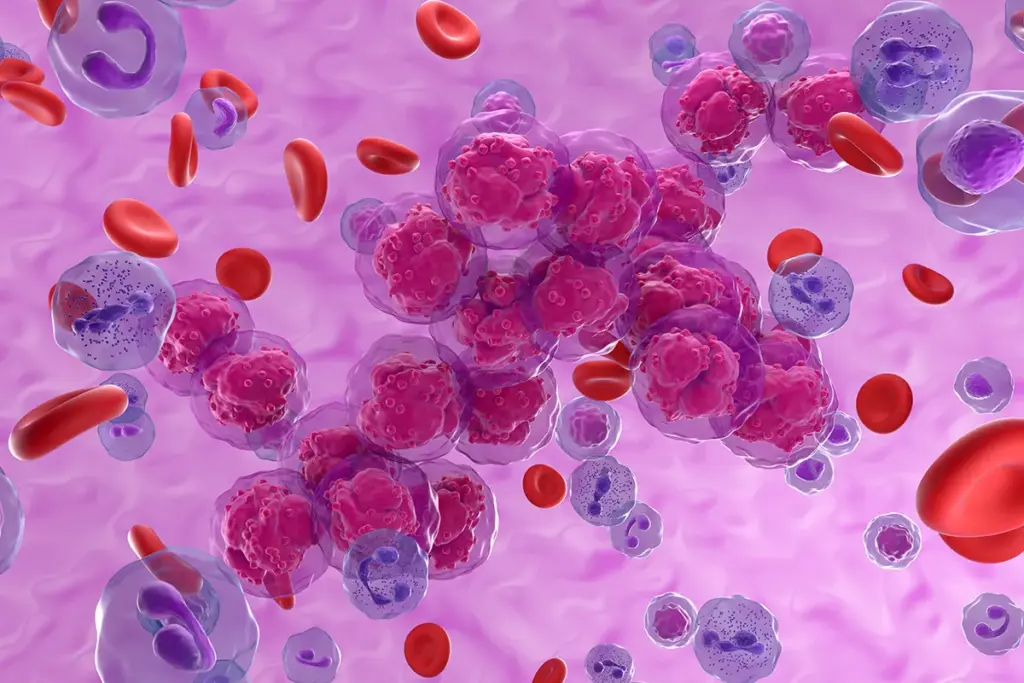
AML, or Acute Myeloid Leukemia, is a cancer that affects the blood and bone marrow. It’s marked by the fast growth of abnormal cells. This disrupts the normal blood cell production, causing various problems.
Definition and Classification of AML
AML is a cancer where myeloid blasts grow too much in the bone marrow and blood. The World Health Organization (WHO) and the French-American-British (FAB) systems are used to classify it. The WHO system looks at genetic and molecular traits, giving a deeper understanding of the disease.
The FAB system, though, focuses on the shape of the leukemia cells. Knowing these classifications helps predict outcomes and choose treatments.
“The classification of AML is complex and has significant implications for treatment and prognosis.” –
A leading hematologist
How AML Differs from Other Leukemias
AML is different from other leukemias like ALL and CLL because it grows fast and affects specific cells. Unlike chronic leukemias, AML is acute because it’s aggressive and needs quick treatment.
- AML affects myeloid cells, which are precursors to red blood cells, platelets, and certain white blood cells.
- The disease can progress rapidly if not treated promptly.
- Genetic mutations play a significant role in the pathogenesis of AML.
Prevalence and Demographics
AML is rare, making up a small part of all leukemia cases. It’s the most common acute leukemia in adults. Most cases are found in people over 60 years old.
|
Age Group |
Incidence Rate per 100,000 |
|---|---|
|
20-29 |
0.6 |
|
30-39 |
1.1 |
|
40-49 |
2.3 |
|
50-59 |
4.5 |
|
60+ |
12.6 |
The demographic characteristics of AML patients highlight the need for age-specific treatment pproaches and supportive care.
Common Leukemia Symptoms and Warning Signs

Knowing the common leukemia symptoms and warning signs is key. It helps in getting a timely diagnosis and managing Acute Myeloid Leukemia (AML) better. Spotting these signs early can lead to quicker medical checks and better treatment results.
Early Symptoms of AML
The early signs of AML can be tricky to spot. They often look like symptoms of other common illnesses. Early symptoms include:
- Fatigue and Weakness: Feeling very tired that doesn’t get better with rest.
- Pale Skin: A sign of anemia, making your skin look pale.
- Shortness of Breath: Feeling out of breath even when sitting or doing light activities.
- Frequent Infections: AML can make you more prone to getting sick often.
Advanced Symptoms and Complications
As AML gets worse, symptoms can get more serious. These may include:
- Bleeding and Bruising: Easy bruising, nosebleeds, or bleeding gums from low platelet counts.
- Pain: Bone pain or tenderness, and stomach discomfort from an enlarged spleen or liver.
- Weight Loss: Losing weight without trying, a common sign in many cancers, including AML.
- Swollen Lymph Nodes: Though rare in AML, some may have swollen lymph nodes.
When to Seek Medical Attention
If you or someone you know has symptoms that could be AML, get medical help right away. Early diagnosis and treatment are very important. If you notice any of these, see a doctor:
- Unexplained fatigue or weakness
- Recurring infections
- Unexplained weight loss
- Easy bruising or bleeding
- Persistent bone pain
These symptoms can mean many things, but a doctor’s check-up is needed to find out. Quick diagnosis and treatment are key to better outcomes for AML patients.
The Diagnostic Journey for AML Patients
The journey to diagnose AML is complex. It involves several steps to accurately identify and understand the condition. AML diagnosis requires a mix of clinical evaluation, lab tests, and advanced diagnostic methods.
Initial Blood Tests and Physical Examination
The first step is a detailed medical history and physical check-up. Blood tests, like a complete blood count (CBC), are key. They help spot blood cell count issues that might point to AML.
A CBC can show signs like anemia, thrombocytopenia, or leukocytosis. These signs lead to further tests.
Bone Marrow Biopsy and Aspiration
Bone marrow biopsy and aspiration are key for AML diagnosis. These procedures take a bone marrow sample for examination.
- Bone Marrow Biopsy: Shows the marrow’s structure and cell count.
- Bone Marrow Aspiration: Analyzes marrow cells, including their shape and genetic makeup.
These tests confirm AML and offer insights into the disease.
Genetic and Molecular Testing
Genetic and molecular tests are vital for AML diagnosis and subclassification. They find specific genetic mutations and chromosomal changes linked to AML.
|
Test Type |
Purpose |
Examples |
|---|---|---|
|
Cytogenetic Analysis |
Identifies chromosomal abnormalities |
Translocations, deletions, trisomies |
|
Molecular Testing |
Detects specific genetic mutations |
FLT3, NPM1, IDH1/2 mutations |
|
Next-Generation Sequencing (NGS) |
Comprehensive genetic analysis |
Mutation profiling, minimal residual disease (MRD) assessment |
These tests are critical for knowing the AML subtype, prognosis, and best treatment plan.
Risk Factors and Prognostic Indicators for AML
The outlook for AML patients depends on several key factors. Knowing these helps doctors choose the best treatment and guess how well a patient might do.
Age-Related Risk Factors
Age is a big risk factor for AML. The risk goes up as people get older. Older adults often face worse outcomes than younger ones. This is because they might have other health issues, not as strong bodies, and different types of leukemia.
|
Age Group |
Incidence Rate |
5-Year Survival Rate |
|---|---|---|
|
20-39 years |
1.1 per 100,000 |
40-50% |
|
40-59 years |
2.5 per 100,000 |
30-40% |
|
60-79 years |
6.4 per 100,000 |
10-20% |
|
80+ years |
12.2 per 100,000 |
Genetic and Cytogenetic Risk Factors
Genetic changes are key in AML and help predict how well a patient will do. Certain changes in chromosomes can make a big difference in treatment success. For example, some changes like t(8;21) or inv(16) lead to better outcomes.
Cytogenetic Risk Categories:
- Favorable: t(8;21), inv(16), t(15;17)
- Intermediate: Normal karyotype, +8, -Y
- Adverse: Complex karyotype, -5, -7, 3q abnormalities
Prior Medical History Impact
A patient’s past health can affect their AML prognosis. Being exposed to chemotherapy or radiation before can raise the risk of getting t-AML, which is harder to treat. Also, existing health issues can make it tough to handle AML treatments.
Performance Status and Comorbidities
A patient’s health at diagnosis and any existing conditions can change how well they do with AML treatment. Those who are healthier and have fewer conditions tend to do better.
By knowing these risk factors, doctors can tailor treatments better. This might help improve outcomes for AML patients.
Standard Treatment Approaches for AML
It’s important for patients and doctors to know about AML treatment options. AML treatment has grown more complex. New evidence and strategies are being added to treatment plans.
Induction Chemotherapy
Induction chemotherapy is the first step in treating AML. It aims to remove leukemia cells from the bone marrow. Common treatments include anthracyclines and cytarabine, which help achieve remission.
Consolidation Therapy
After remission, consolidation therapy targets any hidden leukemia cells. This phase is key to lowering relapse risk. It may include more chemotherapy, stem cell transplants, or other treatments, based on the patient’s health.
Maintenance Strategies
Maintenance therapy is sometimes used to prevent relapse. Its role in AML is being studied. New updates suggest it might help some patients.
Treatment Considerations for Elderly Patients
Elderly AML patients face special challenges. Their health, preferences, and goals are key in treatment decisions. A geriatric assessment can help tailor treatment for them.
|
Treatment Phase |
Goals |
Common Therapies |
|---|---|---|
|
Induction |
Achieve remission |
Anthracyclines, Cytarabine |
|
Consolidation |
Eliminate remaining leukemia cells |
Chemotherapy, Stem cell transplantation |
|
Maintenance |
Reduce risk of relapse |
Targeted therapies, Chemotherapy |
Stem Cell Transplantation in AML Treatment
Stem cell transplantation is key in treating AML for some patients. It offers a chance to fight and possibly cure the disease. This method replaces the patient’s sick bone marrow with healthy stem cells. These can come from the patient themselves or a donor.
Types of Stem Cell Transplantation
Choosing between allogeneic and autologous transplantation depends on several factors. These include the patient’s health, the AML’s characteristics, and if a donor is available.
- Allogeneic Transplantation: Uses stem cells from a healthy donor. The big plus is the graft-versus-leukemia effect, where the donor’s immune cells fight the leukemia.
- Autologous Transplantation: Uses the patient’s own stem cells. This lowers the risk of graft-versus-host disease but increases the chance of the disease coming back.
Patient Selection Criteria
Not every AML patient can get a stem cell transplant. Doctors decide based on several things:
- Age and health
- AML’s genetic and molecular risk
- How well the patient responds to first chemotherapy
- If a good donor is available for allogeneic transplant
Transplant-Related Mortality and Complications
Stem cell transplantation can be life-saving but comes with risks. These include:
- Graft-versus-host disease (GVHD) in allogeneic transplants
- Infections and damage to organs
- AML coming back
Thanks to better transplant methods and care, survival rates have improved. Now, about 20% of patients over 60 can live for five years after transplant.
Long-Term Outcomes After Transplantation
Success in stem cell transplantation depends on many factors. These include the patient’s age, AML’s type, and the transplant method. Some patients can live long-term or even be cured, mainly if they’re in complete remission before transplant.
We’re always learning more about stem cell transplantation in AML. Our goal is to better choose patients, lower risks, and improve long-term results.
Understanding Remission in AML
Remission in AML has changed a lot with new research and treatments. It means the disease is being controlled. We’ll look at what remission is, the criteria for complete remission, and why watching for minimal residual disease (MRD) is key.
Complete Remission Definition and Criteria
Complete remission in AML means no cancer cells in the bone marrow or blood. Blood cell production also returns to normal. The main criteria for complete remission are:
- Less than 5% blasts in the bone marrow
- Absence of leukemic blasts with Auer rods
- No evidence of extramedullary disease
- Recovery of peripheral blood counts to normal levels
About 60-70% of adults with AML reach complete remission after treatment. Reaching this point is a big win, showing the disease is under control.
Minimal Residual Disease (MRD) Monitoring
Even with complete remission, some patients have minimal residual disease (MRD). MRD is a small number of cancer cells left in the body. It’s important to watch for MRD because it can predict when the disease might come back.
Doctors use flow cytometry, PCR, and next-generation sequencing to find MRD. This helps them see how well treatment is working. If MRD levels are high, doctors might suggest more treatment or clinical trials.
Relapse Patterns and Risk Factors
Some AML patients may relapse, even after reaching complete remission. Relapse happens when the disease comes back, often more aggressively. Knowing the patterns and risk factors for relapse is key to managing AML well.
Risk factors for relapse include:
- Presence of MRD
- Adverse cytogenetic or molecular features
- Incomplete recovery of blood counts
- Short duration of first complete remission
Knowing these risk factors helps doctors plan the best post-remission treatment. This can help prevent relapse and improve long-term results.
Survival Statistics and Cure Rates
Understanding AML cure rates means looking at survival stats. AML, or Acute Myeloid Leukemia, is a complex disease. Its outcomes vary based on several factors.
Overall Survival Rates by Age Group
Age is key in AML survival rates. Younger patients usually do better than older adults. For example, those under 60 often have a better chance of survival.
Survival rates for AML patients differ by age. Patients under 20 have a 60-70% five-year survival rate. This rate drops to 10-20% for those over 60.
Factors Influencing Long-Term Survival
Many factors affect AML long-term survival. These include age, health, leukemia genetics, and treatment response. Patients with good genetics and complete remission after treatment tend to live longer.
Advances in treatments, like targeted therapies and stem cell transplants, have helped many. We’ll explore these treatments further.
Definition of “Cure” in AML Context
Defining “cure” in AML is complex. A patient is considered cured if they stay in complete remission for 5-10 years or more. But, there’s always a chance of relapse.
About 25-45% of adults in remission for three years or more might be cured. This shows the importance of ongoing care and monitoring.
Quality of Life for Long-Term Survivors
Long-term AML survivors face many challenges. They might deal with treatment side effects, secondary cancers, and mental health issues.
Comprehensive care is vital for these survivors. It includes supportive therapies and regular check-ups. A team approach to care is essential to address all health aspects.
Novel and Targeted Therapies for AML
The treatment for Acute Myeloid Leukemia (AML) is changing fast. New and targeted therapies are coming. They aim to make treatments better, safer, and more tailored to each patient.
FLT3 Inhibitors
FLT3 mutations are common in AML, found in about 30% of patients. FLT3 inhibitors are promising. They target these mutations. Drugs like midostaurin and gilteritinib have been approved and show good results with fewer side effects.
IDH Inhibitors
IDH1 and IDH2 mutations affect some AML patients. IDH inhibitors, like ivosidenib and enasidenib, aim at these mutations. They help patients with IDH-mutated AML live longer and have better outcomes.
BCL-2 Inhibitors
BCL-2 inhibition is another targeted AML treatment. Venetoclax, a BCL-2 inhibitor, is approved for use with other treatments. It works well, even for older patients or those with health issues who can’t handle harsh chemotherapy.
Immunotherapy Approaches
Immunotherapy is a promising field in AML. It includes checkpoint inhibitors and CAR-T cell therapy. These methods use the immune system to fight leukemia. They could lead to better, longer-lasting results.
New and targeted therapies are changing how we treat AML. As research grows, we’ll see better patient outcomes. We’ll also have more personalized and effective treatments.
Managing AML in Special Populations
Special groups like kids and pregnant women need special care for AML. Treating AML in these groups is complex. It involves looking at age, health, and how treatment might affect the fetus.
Pediatric AML Approaches and Outcomes
Pediatric AML is a big part of childhood cancers. Kids get more intense treatments to increase chances of a cure. Intensive chemotherapy regimens and risk stratification are key in treating kids.
Thanks to better treatments, cure rates for kids with AML are now 70-80%. The child’s age, the leukemia’s genetics, and how well they respond to treatment all play a role.
AML in Adults Over 60
Older adults with AML face tough challenges. They often have other health issues, less favorable genetics, and can’t handle strong treatments. Treatment approaches for them are changing, focusing on less intensive therapies and targeted treatments.
Using hypomethylating agents and low-dose chemotherapy is becoming more common. These methods aim to be effective without being too harsh. Also, supportive care is key in managing symptoms and improving life quality.
Treatment During Pregnancy
Dealing with AML during pregnancy is very challenging. Treatments must consider the mother’s health and the baby’s safety. Chemotherapy is the main treatment, but it’s given carefully to avoid harming the fetus.
Chemotherapy is usually avoided in the first trimester because of the risk of birth defects. Supportive care measures are vital in managing the risks of treatment.
Secondary AML Management
Secondary AML, caused by previous treatments, is hard to manage. These patients often have few options because of their past treatments and health.
Treatment strategies for secondary AML are getting better, with a focus on targeted therapies and clinical trials. Despite this, the outlook is generally worse than for AML that occurs for the first time. This makes finding new ways to treat it even more urgent.
Challenges in Achieving Complete Cure for AML
Finding a complete cure for AML is tough. This is because of the hard-to-get rid of leukemic stem cells. Even with new treatments, it’s hard to fully beat the disease.
Leukemic Stem Cells and Disease Persistence
Leukemic stem cells (LSCs) start and keep AML going. They are hard to kill because they resist many treatments.
LSCs can keep the disease alive. They can grow back, stay quiet, and hide from the immune system. To beat AML, we must target these cells well.
Treatment Resistance Mechanisms
AML treatment faces a big hurdle: resistance. This can happen through genetic changes, how drugs are broken down, or changes in the bone marrow.
- Genetic mutations that make chemotherapy less effective
- Too much of drug pumps that push drugs out
- Changes in the bone marrow that protect LSCs
It’s key to understand how resistance works. This helps us find new ways to fight it.
Therapy-Related Complications and Limitations
AML treatments have their downsides. While they can cure, they can also cause a lot of harm.
Complications include serious infections, organ damage, and new cancers. These issues make it hard to treat some patients, like older ones or those with other health problems.
It’s a fine line to walk. We need to choose the right treatment for each patient. We also need to watch them closely and help them deal with side effects.
Living with AML: Supportive Care and Quality of Life
AML treatment is just one part of caring for patients. Supportive care is key in managing side effects and improving well-being. At Liv Hospital, we focus on a holistic approach, which is vital for international patients needing full support.
Managing Treatment Side Effects
It’s important to manage AML treatment side effects to keep patients’ quality of life high. Common issues include fatigue, nausea, and a higher risk of infections. We use a variety of methods to tackle these problems effectively.
- Medication: Using medications to alleviate symptoms such as nausea and pain.
- Nutritional Support: Providing dietary advice to ensure patients receive the necessary nutrients.
- Rest and Relaxation: Encouraging patients to get plenty of rest and engage in stress-reducing activities.
For more detailed information on managing AML treatment side effects, patients can refer to reputable sources such as the National Cancer Institute.
Psychological Support for Patients and Families
A diagnosis of AML impacts not just the patient but also their family and loved ones. Psychological support is key to coping with the emotional and mental strain of the disease.
We offer various forms of psychological support, including:
- Counseling services to address anxiety and depression.
- Support groups where patients and families can share their experiences.
- Mindfulness and relaxation techniques to reduce stress.
Nutritional Considerations During Treatment
Nutrition is vital for AML patients undergoing treatment. A balanced diet can help manage side effects and support recovery.
Key nutritional considerations include:
- Eating a balanced diet rich in fruits, vegetables, and whole grains.
- Staying hydrated by drinking plenty of fluids.
- Avoiding foods that can exacerbate treatment side effects.
Exercise and Physical Therapy Recommendations
Exercise and physical therapy are important for AML patients. Gentle exercises can help maintain strength, reduce fatigue, and improve physical function.
Recommended activities include:
- Light aerobic exercises such as walking or cycling.
- Stretching and flexibility exercises to maintain range of motion.
- Resistance training to build strength.
By incorporating these supportive care measures, patients with AML can better manage their treatment side effects, improve their quality of life, and enhance their overall well-being.
Future Directions in AML Research and Treatment
New therapies and precision medicine are changing how we treat AML. Research is moving towards more focused and effective treatments.
Emerging Therapeutic Approaches
Several new treatments are showing promise for AML. These include:
- Immunotherapies: Like CAR-T cell therapy, which targets cancer cells.
- Targeted Therapies: Drugs that focus on specific genetic mutations, such as FLT3 inhibitors.
- Epigenetic Modulators: Therapies that change gene expression to fight cancer.
Precision Medicine and Personalized Treatment
Precision medicine is changing AML treatment by making therapies fit each patient. This method involves:
- Genetic and molecular profiling to find specific mutations.
- Choosing the best treatment based on this information.
- Checking how the patient responds and adjusting treatment as needed.
Precision medicine leads to better treatment results and fewer side effects. But, it also brings challenges like the need for advanced tools and higher costs.
|
Aspect |
Traditional Approach |
Precision Medicine Approach |
|---|---|---|
|
Treatment Strategy |
One-size-fits-all chemotherapy |
Tailored therapy based on genetic and molecular profiling |
|
Side Effects |
Often more severe due to non-specific targeting |
Generally fewer side effects due to targeted therapy |
|
Outcome |
Variable outcomes depending on patient response |
Improved outcomes due to personalized treatment |
Clinical Trials and Research Participation
Clinical trials are key to improving AML treatment. They offer:
- Access to new and innovative therapies.
- Chances to improve treatment results.
- Important data for researchers to improve treatments.
Joining clinical trials is vital for finding new treatments. Patients should talk to their doctors about trial options.
Potential Breakthroughs on the Horizon
The future of AML treatment looks bright, with many new developments coming. These include:
New drug combinationsthat could make treatments more effective,advanced immunotherapiesfor more precise treatments, andimprovements in supportive careto manage side effects better.
As research keeps advancing, we can look forward to big improvements in AML treatment.
Conclusion: The Evolving Landscape of AML Curability
The treatment for Acute Myeloid Leukemia (AML) is changing fast. New therapies and care support are making a big difference for patients. We now know more about AML’s biology, leading to better treatments and plans.
At Liv Hospital, we aim to give top-notch care to our patients. We use the newest research and treatments to help our patients. Our team works hard to support patients and their families, meeting their complex needs.
We’re excited about the future of AML treatment. With ongoing research and new therapies, we’re hopeful for better care and quality of life for our patients.
FAQ
What is Acute Myeloid Leukemia (AML)?
Acute Myeloid Leukemia (AML) is a cancer that starts in the bone marrow. It quickly moves into the blood. It can also spread to other parts of the body like the lymph nodes, liver, spleen, and more.
What are the common symptoms of AML?
Symptoms of AML include feeling very tired, losing weight, and getting sick often. You might also bruise easily, see small red spots under your skin, have trouble breathing, and feel pale.
How is AML diagnosed?
Doctors use blood tests, bone marrow biopsies, and genetic tests to diagnose AML. These tests help identify the leukemia cells’ specific characteristics.
What are the treatment options for AML?
Treatments for AML include chemotherapy, consolidation therapy, and maintenance strategies. Sometimes, a stem cell transplant is needed. The right treatment depends on your age, health, and the leukemia’s genetic makeup.
Can AML be cured?
Yes, some people with AML can be cured, thanks to intensive treatments like chemotherapy and stem cell transplants. The chance of a cure varies based on age, genetic risk, and how well you respond to treatment.
What is the significance of Minimal Residual Disease (MRD) monitoring in AML?
MRD monitoring is key to checking if treatment is working and spotting early signs of relapse. It measures the remaining leukemia cells after treatment to guide further care.
How does age affect AML treatment and outcomes?
Age is a big factor in AML treatment and results. Older adults might have more health issues and less ability to handle strong chemotherapy. This affects their treatment choices and survival chances.
What are the emerging therapies for AML?
New treatments for AML include targeted therapies like FLT3 inhibitors and IDH inhibitors. There’s also immunotherapy. These aim to improve outcomes by targeting specific molecular issues.
What is the role of stem cell transplantation in AML treatment?
Stem cell transplantation is a potentially curative option for AML, mainly for those with high-risk disease or relapse. It replaces the patient’s bone marrow with healthy stem cells from a donor or the patient themselves.
How can patients with AML manage treatment side effects?
Managing side effects involves a wide approach. This includes medication, nutrition support, counseling, and physical therapy. These help improve quality of life during and after treatment.
What is the importance of clinical trials in AML research?
Clinical trials are vital in AML research. They offer new treatments, help find the most effective therapies, and advance our understanding of AML biology and treatment outcomes.
References
National Center for Biotechnology Information. Evidence-Based Medical Insight. Retrieved from https://pmc.ncbi.nlm.nih.gov/articles/PMC11966364/