
Leukemia treatment has changed a lot. Now, we use targeted therapies and immunotherapy along with old-school chemotherapy.
For example, adding blinatumomab to chemotherapy in kids with ALL has led to a 96% disease-free survival rate at 2.5 years.
Companies like Hemogenyx Pharmaceuticals are working on CAR-T therapy for myeloid leukemia. This looks very promising for future treatments.
Key Takeaways
- Modern leukemia treatment combines targeted therapies and immunotherapy with traditional chemotherapy.
- Blinatumomab added to chemotherapy achieved a 96% disease-free survival rate in childhood ALL.
- Hemogenyx Pharmaceuticals is advancing CAR-T therapy for myeloid leukemia.
- Targeted therapies and immunotherapy are improving survival rates for leukemia patients.
- CAR-T therapy is showing promising results in early-stage trials for myeloid leukemia.
Understanding Leukemia: A Comprehensive Overview
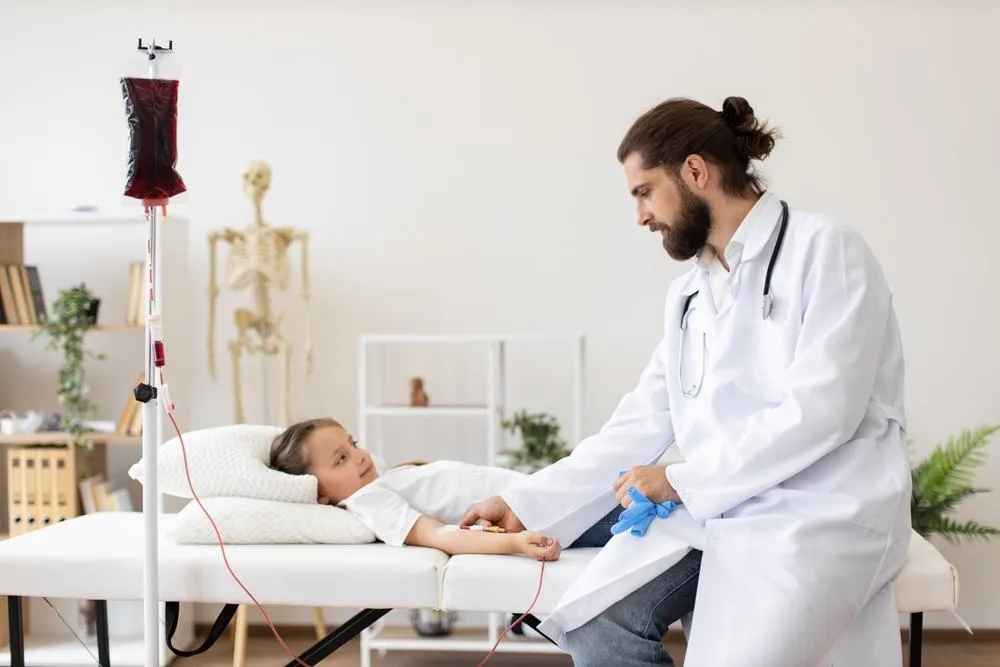
Leukemia is when abnormal blood cells grow too much in the bone marrow. This can cause many symptoms and problems. To understand leukemia, we need to know what it is, its types, and how it affects the body.
Definition and Basic Pathophysiology
Leukemia is a blood cancer that happens in the bone marrow. This is where blood cells are made. It happens when the bone marrow makes bad white blood cells, which are important for fighting off infections.
These bad cells take over, making it hard for the body to fight infections. Leukemia starts with a genetic change in a blood cell. This makes it grow out of control and fill the bone marrow with bad cells.
How Leukemia Affects the Body
Leukemia can cause many symptoms. This is because of the bad cells in the bone marrow and blood. Common symptoms include fatigue, weight loss, getting sick a lot, and bleeding or bruising easily.
Leukemia can really affect the body. It can harm many parts of the body. For example, bad cells in the spleen can make it big. This can hurt or be uncomfortable in the upper left part of the abdomen.
|
Cell Type |
Normal Function |
Effect of Leukemia |
|---|---|---|
|
White Blood Cells |
Fight infections |
Abnormal cells crowd out normal infection-fighting cells |
|
Red Blood Cells |
Carry oxygen |
Reduced production leads to anemia and fatigue |
|
Platelets |
Enable blood clotting |
Reduced production leads to bleeding and bruising |
Types of Leukemia and Their Characteristics
It’s important to know the different types of leukemia to find the best treatment. Leukemia is divided into types based on the cell type and maturity. This affects how the disease progresses and how well it can be treated.
Acute Lymphoblastic Leukemia (ALL)
Acute Lymphoblastic Leukemia (ALL) grows fast and is made up of immature lymphocytes. It’s the most common leukemia in kids but can also happen in adults. Thanks to new treatments, ALL’s outcomes have gotten much better.
Acute Myeloid Leukemia (AML)
Acute Myeloid Leukemia (AML) is a fast-growing leukemia that affects myeloid cells. It’s more common in adults and gets more common with age. AML treatment often includes strong chemotherapy and sometimes stem cell transplants.
Chronic Lymphocytic Leukemia (CLL)
Chronic Lymphocytic Leukemia (CLL) grows slowly and affects lymphocytes. It’s mostly seen in older adults and might not need treatment right away. New treatments have made CLL easier to manage, improving patient results.
Chronic Myeloid Leukemia (CML)
Chronic Myeloid Leukemia (CML) affects myeloid cells and has the BCR-ABL1 fusion gene. It grows slowly and is treated with drugs that target the BCR-ABL tyrosine kinase. This has greatly improved patients’ lives.
Each type of leukemia needs a unique treatment plan. Knowing the specific traits of each type helps doctors create better treatment strategies. The leukemia and lymphoma society offers important resources and support for those dealing with these diseases.
Diagnosing Leukemia: The First Step Toward Successful Treatment
Getting an accurate diagnosis is key to treating leukemia well. It lets doctors create a treatment plan that fits each patient’s needs.
To find leukemia, doctors use several tests and procedures. They look for abnormal cells in the blood or bone marrow. Common diagnostic procedures include:
Common Diagnostic Procedures
- Blood tests to check for abnormal white blood cells
- Bone marrow biopsies to see how far the disease has spread in the marrow
- Imaging studies like X-rays, CT scans, or PET scans to check if organs are affected
- Lumbar puncture (spinal tap) to find leukemia cells in the cerebrospinal fluid
These tests are vital for knowing the type and how far the leukemia has spread. This information helps doctors plan the treatment.
Staging and Risk Assessment
After finding leukemia, the next step is staging and risk assessment. Staging shows how far the disease has spread. Risk assessment looks at how likely the disease is to respond to treatment.
For some leukemia types, like Acute Lymphoblastic Leukemia (ALL), knowing the risk is very important. Doctors look at the patient’s age, health, the leukemia cells’ genetic makeup, and how the disease reacts to treatment.
Knowing the stage and risk helps doctors make a treatment plan that’s just right for each patient. This can greatly improve the chances of successful treatment.
Traditional Leukemia Treatment Approaches
For decades, traditional treatments have been key in managing leukemia. These methods have evolved to better patient outcomes and reduce side effects.
Chemotherapy Protocols
Chemotherapy is a mainstay in leukemia treatment. Different protocols are used based on the disease type and stage. The choice depends on the patient’s health and leukemia subtype.
Chemotherapy can involve intensive induction therapy followed by consolidation or maintenance. The aim is to achieve remission and prevent relapse.
Radiation Therapy
Radiation therapy is used in certain cases, like preparing for stem cell transplantation. It uses high-energy rays to kill leukemia cells or shrink tumors.
The decision to use radiation therapy depends on the patient’s needs and leukemia characteristics. It’s often combined with other treatments for better results.
Stem Cell Transplantation
Stem cell transplantation, including bone marrow transplantation, is a key treatment for some patients. It replaces diseased bone marrow with healthy stem cells, either from the patient or a donor.
Allogeneic stem cell transplantation is effective for certain leukemia types. It offers a cure by leveraging the graft-versus-leukemia effect.
The Evolution of Leukemia Treatment
Leukemia treatment has seen big changes thanks to new medical discoveries and tech. Knowing how it has evolved helps us see the current options and what’s coming next.
Historical Perspective
Old treatments for leukemia were mostly chemotherapy. It helped some, but it had big side effects and didn’t work for everyone. The start of chemotherapy protocols was a big step forward.
As research grew, so did our understanding of leukemia. This led to new treatments like radiation therapy and stem cell transplantation. These options gave new hope to those who didn’t do well with old treatments.
“The development of targeted therapies has revolutionized the treatment of leukemia, giving patients better and safer options.”
Breakthroughs in Treatment Development
Recently, we’ve seen big breakthroughs in leukemia treatment. This is thanks to new genetic research and immunotherapy. The creation of tyrosine kinase inhibitors and monoclonal antibodies has helped many patients.
|
Treatment Era |
Primary Treatments |
Notable Outcomes |
|---|---|---|
|
Early Era |
Chemotherapy |
Variable success rates, significant side effects |
|
Modern Era |
Targeted therapies, immunotherapies |
Improved outcomes, reduced toxicity |
The growth of leukemia treatment shows the strength of medical research and innovation. As we learn more about the disease, we’ll see even better treatments come along.
Modern Targeted Therapies for Leukemia
<SEP-1864_image_2>
Targeted therapies are key in fighting leukemia. They aim at specific molecules or pathways in leukemia cells. This helps protect normal cells from harm.
Tyrosine Kinase Inhibitors
Tyrosine kinase inhibitors (TKIs) have changed the game for some leukemias, like Chronic Myeloid Leukemia (CML). Imatinib was a breakthrough, greatly helping CML patients. Other TKIs, like dasatinib and nilotinib, were made to tackle imatinib resistance and offer more choices.
Monoclonal Antibodies
Monoclonal antibodies are another targeted therapy for leukemia. They target specific proteins on leukemia cells, making them easier for the immune system to destroy. Rituximab is used in some lymphoid leukemias.
BCL-2 Inhibitors
BCL-2 inhibitors are a newer class of therapy showing promise. Venetoclax is one, approved for certain leukemias like Chronic Lymphocytic Leukemia (CLL). It works by blocking the BCL-2 protein, helping leukemia cells die.
|
Therapy Type |
Examples |
Primary Use |
|---|---|---|
|
Tyrosine Kinase Inhibitors |
Imatinib, Dasatinib, Nilotinib |
CML, some cases of ALL |
|
Monoclonal Antibodies |
Rituximab |
Lymphoid leukemias |
|
BCL-2 Inhibitors |
Venetoclax |
CLL and other leukemias |
These targeted therapies have greatly improved leukemia treatment. They offer more personalized and effective options for patients.
Immunotherapy: Revolutionizing Leukemia Treatment
Immunotherapy is changing how we treat leukemia. It uses the body’s immune system to fight cancer. This new method is bringing hope to those with leukemia.
CAR T-Cell Therapy
CAR T-cell therapy is a type of immunotherapy. It changes a patient’s T cells to attack cancer. This method has shown great promise in treating leukemia.
Studies show CAR T-cell therapy works well for advanced leukemia. It gives patients a second chance when other treatments fail.
Immune Checkpoint Inhibitors
Immune checkpoint inhibitors are another immunotherapy option. They help the immune system fight cancer better. These treatments are early but show promise in fighting leukemia.
“The future of leukemia treatment lies in immunotherapy, with CAR T-cell therapy and immune checkpoint inhibitors leading the charge.”
Dr. [Last Name], Oncologist
Bispecific T-Cell Engagers like Blinatumomab
Bispecific T-cell engagers, like Blinatumomab, connect T cells to cancer cells. This helps destroy cancer cells. Blinatumomab is very effective against Acute Lymphoblastic Leukemia (ALL).
- CAR T-cell therapy offers a personalized approach to leukemia treatment.
- Immune checkpoint inhibitors are being investigated for their potential in various leukemia subtypes.
- Blinatumomab has shown significant efficacy in treating ALL.
As research grows, immunotherapy will become more important in treating leukemia. It brings new hope to patients and their families.
Combination Therapies: The Most Successful Approach to Leukemia
<SEP-1864_image_3>
Combining different treatments is key in fighting leukemia. This mix includes old methods like chemotherapy and new ones like targeted therapies. It makes treatments work better and helps patients more.
Integrating Traditional and Modern Treatments
Old and new treatments together have changed how we fight leukemia. Chemotherapy, once the mainstay, now pairs with targeted therapies. These new treatments aim only at cancer cells, protecting healthy ones.
Tyrosine kinase inhibitors (TKIs) have made a big difference in Chronic Myeloid Leukemia (CML). They work better when used with chemotherapy.
Immunotherapies, like CAR T-cell therapy, are also showing great promise. They use the body’s immune system to attack leukemia more effectively.
Personalized Treatment Plans
Personalized plans are now a big part of leukemia care. Tailoring treatments to each patient’s needs has improved results. This means looking at the type of leukemia, genetic details, and the patient’s health.
- Genetic profiling helps find the best treatment combos.
- Age and health issues are also considered in treatment plans.
- Plans are checked and changed as needed.
Case Studies of Successful Combinations
Many studies show how well combining treatments works for leukemia. For example, Venetoclax and Obinutuzumab have shown great promise in Chronic Lymphocytic Leukemia (CLL). Also, Blinatumomab with chemotherapy has helped Acute Lymphoblastic Leukemia (ALL) patients.
These examples show the power of a multi-faceted approach. They give patients new hope and help them live longer.
Treatment Success in Childhood Acute Lymphoblastic Leukemia
The treatment of childhood Acute Lymphoblastic Leukemia (ALL) has seen a big leap forward with blinatumomab. This new therapy, paired with chemotherapy, has brought great results for kids.
Blinatumomab and Chemotherapy Combination
The mix of blinatumomab with chemotherapy has changed the game for treating childhood ALL. Blinatumomab is a special drug that helps T-cells find and kill leukemia cells.
Studies show this combo is not just effective but also safe for kids.
96% Disease-Free Survival Rate at 2.5 Years
The biggest win of blinatumomab and chemotherapy is the 96% disease-free survival rate at 2.5 years for kids with ALL. This shows how well this treatment works.
“The addition of blinatumomab to chemotherapy has resulted in a significant improvement in disease-free survival rates among children with ALL, giving them new hope.”
Reducing Relapse Risk in Pediatric Patients
Relapse is a big worry in treating childhood ALL. But, blinatumomab and chemotherapy together have greatly lowered this risk.
|
Treatment Approach |
Disease-Free Survival Rate |
Relapse Risk Reduction |
|---|---|---|
|
Blinatumomab + Chemotherapy |
96% |
Significant |
|
Chemotherapy Alone |
Lower |
Less Significant |
Breakthroughs in Chronic Lymphocytic Leukemia (CLL) Treatment
Targeted therapies have changed how we treat CLL. In recent years, we’ve seen big steps forward in fighting Chronic Lymphocytic Leukemia (CLL). This cancer affects the blood and bone marrow.
Venetoclax and Obinutuzumab Therapy
The mix of venetoclax and obinutuzumab is a top choice for CLL treatment. Venetoclax targets cancer cells that don’t die easily. When paired with obinutuzumab, it attacks CD20-positive B cells. This combo boosts remission rates in CLL patients.
Bruton Tyrosine Kinase Inhibitors (BTKi)
Bruton Tyrosine Kinase Inhibitors (BTKi) like ibrutinib and acalabrutinib are big wins in CLL treatment. They block Bruton’s tyrosine kinase, a key enzyme for cancer cell growth.
BTKi have raised overall survival rates in CLL patients. They work best in patients with specific genetic changes, giving hope to those with high-risk CLL.
Remission Rates and Overall Survival Improvements
These new treatments have greatly improved remission rates and survival for CLL patients. Here’s a quick look at the benefits:
|
Treatment |
Remission Rate |
Overall Survival |
|---|---|---|
|
Venetoclax + Obinutuzumab |
80-90% |
Improved |
|
BTKi (Ibrutinib, Acalabrutinib) |
70-80% |
Significantly Improved |
These advances in CLL treatment have changed the game. They offer new hope for patients and doctors. As research keeps moving forward, we can expect even better results.
Managing Treatment Side Effects and Improving Quality of Life
Leukemia treatment has made great strides, focusing more on side effects and quality of life. Patients often face many side effects that affect their daily life and happiness.
Common Side Effects of Leukemia Treatments
Chemotherapy, radiation, and targeted therapies can lead to side effects. These include nausea and vomiting, fatigue, and a higher risk of infections. These issues can make it hard for patients to keep up with treatment and enjoy life.
- Nausea and vomiting
- Fatigue
- Increased risk of infections
- Hair loss
- Mucositis
Supportive Care Strategies
Supportive care is key in reducing leukemia treatment side effects. It includes using antiemetics for nausea, growth factors for blood cells, and infection prophylaxis to prevent infections. These steps help patients handle treatment better and keep their quality of life high.
|
Supportive Care Measure |
Purpose |
|---|---|
|
Antiemetics |
Manage nausea and vomiting |
|
Growth Factors |
Support blood cell production |
|
Infection Prophylaxis |
Reduce the risk of infections |
Maintaining Quality of Life During Treatment
Keeping quality of life up during treatment requires a broad approach. This includes nutritional support, psychological counseling, and physical activity that fits the patient’s abilities. These steps help patients deal with treatment challenges and boost their overall well-being.
By tackling side effects and using supportive care, healthcare teams can greatly improve leukemia patients’ quality of life. This all-encompassing care ensures patients get the support they need to manage their treatment journey well.
The Future of Leukemia Treatment
Leukemia treatment is changing fast, with new methods coming up. Research is moving forward, leading to better treatments and fewer side effects.
Advancements in Allogeneic CAR T-Cell Therapies
Allogeneic CAR T-cell therapies are a big step forward. They use T cells from donors, not the patient’s own. This has many benefits, like:
- They can be made faster, so patients can start treatment sooner
- They might be easier to get, making treatment more accessible
- They could be cheaper than treatments made from the patient’s cells
Scientists are working hard to make these therapies even better. Many clinical trials are underway to check their safety and how well they work.
Combinatorial T-Cell Targeting Strategies
Combinatorial T-cell targeting attacks leukemia cells in two ways at once. It aims to make treatments more effective and prevent cancer cells from becoming resistant.
|
Therapy Type |
Mechanism |
Potential Benefits |
|---|---|---|
|
Allogeneic CAR T-cell |
Donor-derived T cells targeting leukemia cells |
Faster manufacturing, off-the-shelf availability |
|
Combinatorial T-cell targeting |
Simultaneous targeting of multiple leukemia antigens |
Enhanced efficacy, reduced antigen escape |
Selectively Destroying Cancer Stem Cells
Cancer stem cells are key to leukemia’s return and growth. Researchers are looking into ways to target and kill these cells, like new drugs and combinations of treatments.
Key Strategies:
- Finding specific markers for cancer stem cells
- Creating therapies that hit these markers
- Using stem cell-targeting treatments with other treatments
The future of leukemia treatment looks bright. These new approaches offer hope for better care and quality of life for patients.
Multidisciplinary Approach to Leukemia Care
For leukemia patients, a team effort is key. This means a group of doctors and experts work together. They create treatment plans that fit each patient’s needs.
The Role of the Treatment Team
The team for leukemia care includes hematologists, oncologists, radiologists, and more. They work together to tackle all parts of the patient’s health. This teamwork leads to better treatment results.
The hematologist-oncologist is at the heart of treating leukemia. Radiologists help with diagnosis and planning. Supportive care specialists, like nutritionists and psychologists, help with side effects and overall well-being.
Integrating Supportive Therapies
Supportive therapies are a big part of leukemia care. They help lessen treatment side effects and improve life quality.
- Nutritional support to manage treatment-related side effects and maintain strength
- Psychological counseling to address emotional and mental health concerns
- Physical therapy to help patients regain strength and mobility
These therapies add a holistic touch to care. They address physical, emotional, and mental health needs.
Liv Hospital’s World-Class Leukemia Treatment Program
Liv Hospital’s leukemia program is all about teamwork. Experts work together to make treatment plans that fit each patient. This ensures the best care possible.
Liv Hospital’s program uses the latest in leukemia treatment. This includes targeted therapies and immunotherapy. It also offers supportive care for a complete approach to patient care.
Conclusion: The Evolving Landscape of Leukemia Treatment
Today, treating leukemia involves many approaches. This mix of old and new methods aims to give patients the best care. As scientists find new targets and treatments, the outlook for leukemia patients is getting better.
Thanks to ongoing research, patients will soon get treatments that are more effective and tailored to their needs. The work of researchers and doctors shows their commitment to fighting leukemia. Their efforts are making a real difference in how we treat this disease.
FAQ
What are the common symptoms of leukemia?
Symptoms of leukemia include feeling very tired, losing weight, and getting sick often. You might also bleed or bruise easily. Other signs are fever, night sweats, and swollen lymph nodes.
What is the difference between acute and chronic leukemia?
Acute leukemia, like ALL and AML, grows fast and needs quick treatment. Chronic leukemia, such as CLL and CML, grows slower. Treatment for it can wait a bit.
How is leukemia diagnosed?
Doctors use blood tests to find abnormal cells. They also do bone marrow biopsies and imaging studies to see if organs are affected.
What is the role of chemotherapy in leukemia treatment?
Chemotherapy is a key treatment for leukemia. Doctors use different plans based on the type and stage of the disease.
What are targeted therapies, and how do they work?
Targeted therapies, like tyrosine kinase inhibitors, aim at specific cancer cells or proteins. They offer more tailored treatments.
What is CAR T-cell therapy, and how is it used in leukemia treatment?
CAR T-cell therapy genetically changes T cells to attack cancer cells. It’s very effective for some types of leukemia.
How do combination therapies improve leukemia treatment outcomes?
Mixing traditional treatments with newer ones can make treatments more effective. This can lead to better results.
What are the benefits of blinatumomab in treating childhood ALL?
Blinatumomab, with chemotherapy, has a 96% disease-free survival rate at 2.5 years. It greatly lowers the chance of relapse in kids.
How do supportive care strategies help manage treatment side effects?
Supportive care, like antiemetics and growth factors, helps manage side effects. It ensures patients can handle treatment.
What is the future of leukemia treatment?
New treatments like allogeneic CAR T-cell therapies and combinatorial T-cell targeting are coming. They aim to fight leukemia more effectively.
What is the importance of a multidisciplinary approach in leukemia care?
A team approach, with hematologists and oncologists, is key. It ensures high-quality care and personalized plans for patients.
References
- National Cancer Institute (NCI). Blincyto approved as first treatment for childhood leukemia. Available at: https://www.cancer.gov/news-events/cancer-currents-blog/2025/childhood-leukemia-blincyto-first-treatment
- American Association for Cancer Research (AACR). Experts forecast cancer research and treatment advances in 2025. Available at: https://www.aacr.org/blog/2025/01/10/experts-forecast-cancer-research-and-treatment-advances-in-2025/
- Hematology Advisor. Chronic leukemia: progress and future directions in treatment. Available at: https://www.hematologyadvisor.com/indepth/chronic-leukemia-icml-2025-progress-future-directions-treatment-risk/
- Cancer Research UK. Leukemia treatment information. Available at: https://www.cancerresearchuk.org/about-cancer/leukaemia/treatment
New England Journal of Medicine. Evidence-Based Medical Insight. Retrieved from https://www.nejm.org/doi/full/10.1056/NEJMoa2410423