
It can be hard to spot the symptoms of lymphoma because they look like normal health issues.
Women might feel tired, have hot flashes, or pain without a clear reason. This can make it hard to catch it early.
It’s important to know the unique signs to get diagnosed and treated quickly.
Understanding the warning signs enables us to take proactive steps towards maintaining our health. We can act fast if we know what to look for.
Key Takeaways
- Recognizing lymphoma symptoms is key for early diagnosis.
- Common signs include tiredness, hot flashes, and pain without a cause.
- Spotting subtle signs can lead to better treatment.
- Knowing the warning signs is vital for health.
- Early detection is essential for managing lymphoma.
Understanding Lymphoma: An Overview
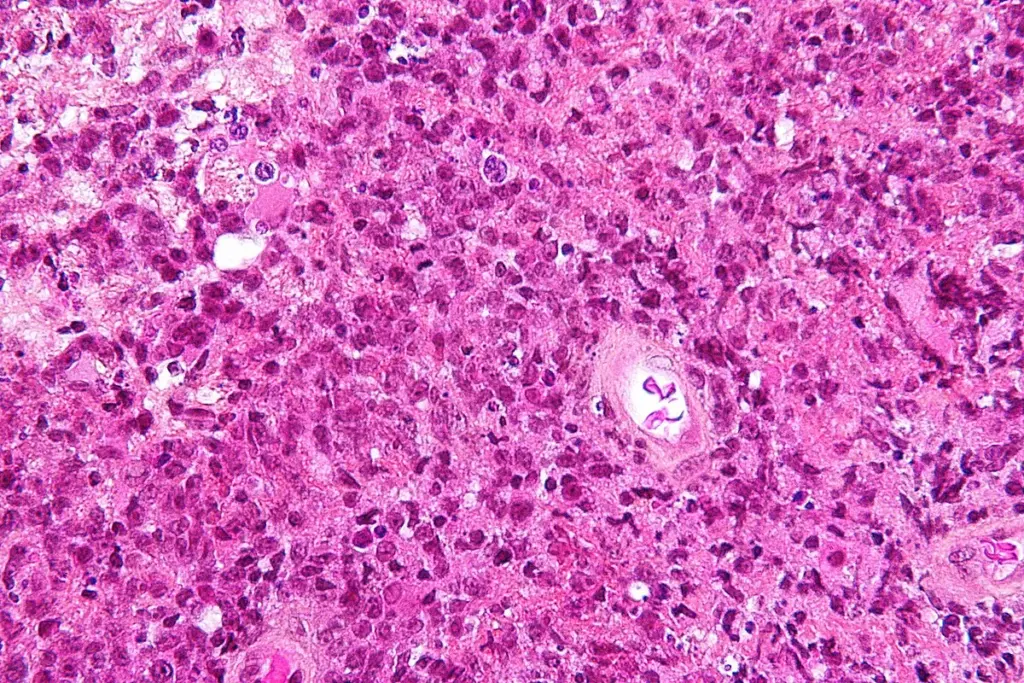
Lymphoma is a term for different cancers of the immune system. Each type has its own features. It starts from lymphocytes, which are white blood cells that help fight infections.
Lymphoma mainly hits the lymphatic system. This includes lymph nodes, spleen, and lymphoid tissues. There are two main types: Hodgkin lymphoma and non-Hodgkin lymphoma. Non-Hodgkin lymphoma is more common.
What causes lymphoma is not fully known. But we’ve found some risk factors. These include:
- Genetic mutations
- Immunosuppression
- Infections like Epstein-Barr virus
- Exposure to certain chemicals
Symptoms of lymphoma vary but often include swollen lymph nodes, fever, night sweats, and weight loss. Doctors use physical exams, imaging tests, and biopsies to diagnose it.
Knowing about lymphoma helps doctors create better treatment plans. These plans might include chemotherapy, radiation, and immunotherapy. Ongoing research aims to improve treatment options for patients.
Types of Lymphoma Affecting Women
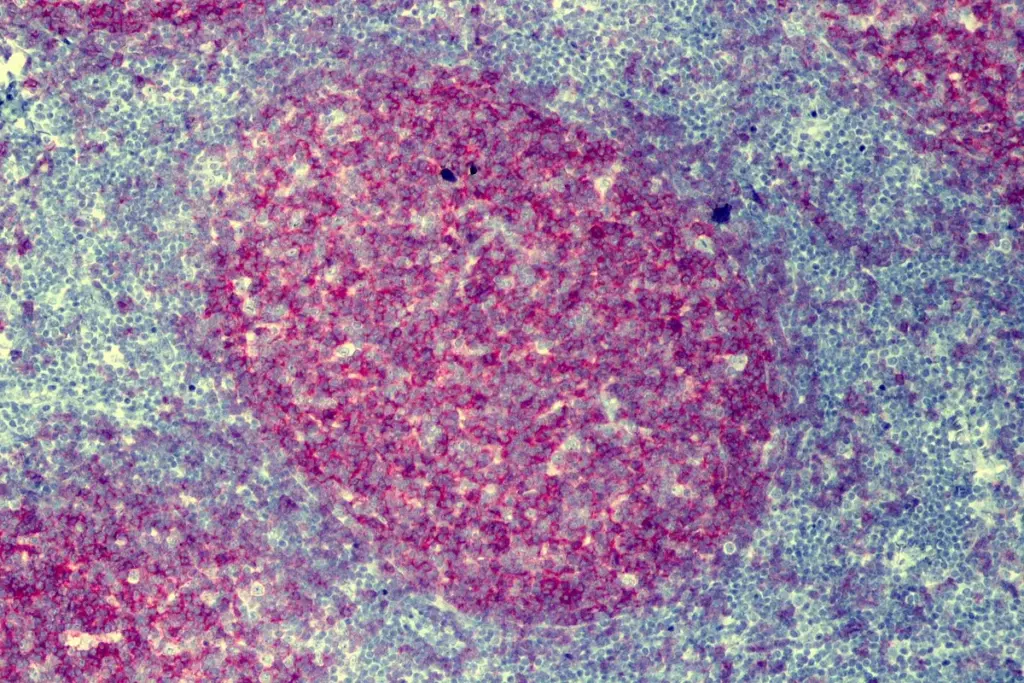
It’s important to know the types of lymphoma that affect women. Lymphoma is a cancer of the immune system. It’s divided into two main types: Hodgkin lymphoma (HL) and non-Hodgkin lymphoma (NHL).
Hodgkin lymphoma is rare and has Reed-Sternberg cells in lymph nodes. It follows a predictable pattern. Women under 30 can be affected by this type.
Non-Hodgkin lymphoma is more common and includes many types of lymphoid malignancies. It can start in lymph nodes, spleen, or other tissues. The subtypes vary in how aggressive they are and how well they respond to treatment.
Some subtypes of NHL that affect women include:
- Diffuse large B-cell lymphoma (DLBCL), an aggressive type that needs quick treatment.
- Follicular lymphoma, a slow-growing type that may not need immediate treatment but needs watching.
- Mantle cell lymphoma, a rare subtype that can be hard to manage.
Knowing the specific type of lymphoma is key to finding the right treatment. We’ll look at symptoms and how to diagnose in the next sections.
Common Lymphoma Symptoms in Women
It’s important for women to know the common symptoms of lymphoma. This cancer starts in the lymph system and can show up in different ways. Knowing these symptoms can help get medical help early, which is key to better treatment.
Swollen lymph nodes in the neck, armpits, or groin are common signs. These nodes are usually painless and can be the first sign of lymphoma. Women might also feel fever, night sweats, and lose weight. These signs can look like other illnesses, so seeing a doctor is vital for a correct diagnosis.
Other symptoms include feeling very tired, itching, and feeling full in the belly. This can be because of an enlarged spleen or liver. It’s important for women to know these signs and see a doctor if they don’t go away or get worse. For more info on lymphoma symptoms in women, check out .
The Lymphoma Research Foundation says, “Early diagnosis and treatment can greatly improve lymphoma outcomes.” This shows how critical it is to know the symptoms and get medical help fast.
- Swollen lymph nodes in the neck, armpits, or groin
- Fever and night sweats
- Unexplained weight loss
- Fatigue and itching
- Enlarged spleen or liver
Knowing about these symptoms can help women take care of their health. If you’re feeling any of these, seeing a doctor is a must for a full check-up and diagnosis.
Night Sweats and Hot Flashes: A Diagnostic Challenge
Diagnosing lymphoma in women can be tough. Symptoms like night sweats and hot flashes are common in many conditions. These symptoms can mean different things, including lymphoma.
These symptoms can be tricky because they also happen in menopause or other health issues. For example, night sweats are a common symptom of lymphoma. But, when women have these symptoms, they often think of hormonal changes, not lymphoma.
It’s hard to tell what’s causing these symptoms. A thorough medical check-up is key. This might include a detailed medical history, physical exam, and tests.
It’s important to understand the context of these symptoms. For instance, if night sweats come with fever, weight loss, or swollen lymph nodes, it could be lymphoma. Early diagnosis is critical for good treatment and better outcomes.
Lymphoma-Related Systemic Symptoms in Female Patients
Lymphoma in female patients can show complex symptoms that need careful checking by doctors. This cancer affects the immune system and can cause various symptoms in women. These symptoms are often not clear, making it hard to diagnose.
Common symptoms include fever, night sweats, weight loss, and fatigue. These happen because the cancer messes with the body’s immune and metabolic processes. When lymphoma starts, it can upset normal body functions, causing these symptoms.
The cancer can make the body release cytokines, causing fever and night sweats. It can also mess with metabolism, leading to weight loss and fatigue. Knowing these symptoms is key for early diagnosis and treatment.
Every patient’s experience with lymphoma is different, and symptoms can vary. So, a detailed medical check is vital for diagnosing lymphoma in women. It helps in creating a good treatment plan.
Female-Specific Lymphoma Manifestations
It’s important to know how lymphoma shows up differently in women. This cancer affects the lymphatic system and can be influenced by hormones and reproductive health. Early detection and treatment are key.
Women with lymphoma might have symptoms that are unique to their health and gender. For example, hormonal changes during the menstrual cycle or menopause could play a role. This is based on some studies.
Autoimmune diseases, more common in women, can also affect lymphoma. Conditions like rheumatoid arthritis or lupus might raise the risk of certain lymphomas. This is because women are more likely to have these diseases.
Key Factors Influencing Lymphoma Manifestations in Women:
- Hormonal influences on lymphoma development and progression
- Reproductive factors, including pregnancy and childbirth
- Presence of autoimmune diseases
- Genetic predisposition
To grasp how these factors interact, let’s look at some data.
|
Factor |
Influence on Lymphoma |
Relevance to Women |
|---|---|---|
|
Hormonal Fluctuations |
May affect lymphoma development and progression |
Relevant due to menstrual cycle and menopause |
|
Reproductive Factors |
Can influence lymphoma risk and manifestation |
Significant due to pregnancy and childbirth |
|
Autoimmune Diseases |
Increases risk of certain lymphomas |
More prevalent in women |
Healthcare providers can offer better care by understanding these specific manifestations. Early detection and treatment are vital for better outcomes in women with lymphoma.
Age-Related Differences in Lymphoma Symptoms
It’s important to know how lymphoma symptoms change with age in women. Lymphoma is a cancer that affects the lymphatic system. It shows up differently in people of different ages.
Younger women with lymphoma often have symptoms like fever, night sweats, and weight loss. These are common signs of the disease. Older women, on the other hand, might feel fatigue, loss of appetite, and generalized weakness. These symptoms are less specific and can make it harder to diagnose.
There are several reasons for these age-related differences. One reason is how the immune system changes with age. Another is that older adults often have other health issues that can hide or confuse lymphoma symptoms.
When checking for lymphoma in women, we must think about these age differences. A detailed medical history and physical check-up are key. We also need tests like imaging and biopsies. Knowing how symptoms change with age helps doctors make better diagnoses and treatment plans for each patient.
Lymphoma Risk Factors Specific to Women
It’s important to know the risk factors for lymphoma in women. Lymphoma can happen to anyone, but some factors might raise the risk more in women.
Women face specific risks due to genetics, hormones, and the environment. Genetic factors are key, with some mutations more common in women.
Hormones also play a big role. Hormonal changes might affect lymphoma risk. For example, studies look at how reproductive history links to lymphoma risk.
|
Risk Factor |
Description |
Relevance to Women |
|---|---|---|
|
Genetic Predisposition |
Certain genetic mutations increase lymphoma risk. |
Some genetic mutations are more prevalent in women. |
|
Hormonal Influences |
Hormonal changes may affect lymphoma risk. |
Reproductive history and hormonal fluctuations. |
|
Environmental Exposures |
Exposure to certain chemicals and radiation. |
Women in certain occupations or with specific lifestyle factors. |
Environmental factors also play a part. Women in certain jobs or with specific lifestyles might face higher risks due to chemical or radiation exposure.
Women should be aware of these risks and talk to their doctors. Knowing these risks early can help manage and treat lymphoma better.
When to Seek Medical Attention
Knowing when to see a doctor is key for women with lymphoma symptoms. Early detection and diagnosis are key to effective treatment. We will outline the signs and symptoms that should prompt a woman to consult a healthcare professional.
If you’re experiencing persistent or severe symptoms like swollen lymph nodes, fever, night sweats, or unexplained weight loss, seek medical evaluation. These symptoms can be indicative of lymphoma or other serious health conditions. We recommend not delaying a visit to your doctor if you’re experiencing any of these symptoms.
Also, if you have a family history of lymphoma or have been exposed to certain risk factors such as radiation or specific chemicals, be more vigilant about your health. Discussing your risk factors with your healthcare provider can help determine the appropriate level of monitoring or preventive measures.
It’s also important to be aware of changes in your body and not dismiss persistent symptoms as minor issues. Your health is the most important thing, and seeking medical attention when needed is a proactive step towards maintaining your well-being.
Diagnostic Process for Lymphoma in Women
Diagnosing lymphoma in women is a detailed process. It includes many medical tests and exams. This process can seem scary, but it’s key to find out if you have lymphoma, what type it is, and its stage.
The first step is a detailed medical history and physical check-up. Doctors look for signs like swollen lymph nodes, fever, night sweats, and weight loss. These are common signs of lymphoma.
Initial Diagnostic Steps
The first steps to diagnose lymphoma are:
- A complete blood count (CBC) to check for abnormal white blood cells.
- Imaging tests like CT scans or PET scans to see the lymph nodes and other affected areas.
- A biopsy, which involves removing a lymph node or tissue sample for closer look.
A biopsy is the main tool for diagnosing lymphoma. It lets pathologists study the cells closely. There are different biopsies, like excisional, needle, and surgical biopsies.
For more info on cancer symptoms, including lymphoma, check for an updated list of cancer symptoms in 2025.
After confirming the diagnosis, more tests are done to find out the stage and type of lymphoma. This info is vital for creating a good treatment plan.
In summary, diagnosing lymphoma in women is a thorough process with many steps. Knowing about this process can help patients get ready and make informed choices about their care.
Challenges in Diagnosing Lymphoma in Women
Diagnosing lymphoma in women is tough because its symptoms are not clear. We will look at these challenges and what they mean.
Lymphoma symptoms can be vague and look like other illnesses. For example, fever, fatigue, and weight loss are common in many diseases.
Challenges in Diagnosis
Several factors make diagnosing lymphoma in women hard:
- Nonspecific symptoms
- Similarity to other conditions
- Variability in symptom presentation
Let’s dive into these factors.
Nonspecific Symptoms
Nonspecific symptoms make it hard to know if lymphoma is the cause. Symptoms like night sweats, swollen lymph nodes, and feeling unwell are common.
Similarity to Other Conditions
Lymphoma symptoms can look like other diseases, like infections or autoimmune disorders. This can lead to wrong or late diagnoses.
Variability in Symptom Presentation
Lymphoma symptoms can show up differently in women. Some may have symptoms in one area, while others have widespread symptoms.
|
Symptom |
Common Causes |
Lymphoma Specifics |
|---|---|---|
|
Night Sweats |
Infections, Menopause |
Often accompanied by other B symptoms |
|
Swollen Lymph Nodes |
Infections, Autoimmune Diseases |
Painless swelling is a common feature |
|
Fatigue |
Anemia, Chronic Diseases |
Can be severe and persistent |
The challenges in diagnosing lymphoma in women highlight the need for a detailed diagnostic approach. We must look at many factors and use advanced tools to make sure we get the diagnosis right.
Lymphoma Statistics for Women in the United States
Lymphoma statistics for women in the United States show a complex picture. It’s one of the most common cancers in women here. We’ll look at how common it is, how often it happens, and how many women die from it.
The incidence of lymphoma in women changes with age. Some types hit younger women, while others affect older ones. Epidemiological studies show that rates have stayed mostly the same, but some types are rising.
Looking at lymphoma statistics, we see different types like Hodgkin lymphoma and non-Hodgkin lymphoma (NHL). NHL is more common and its outcome varies by type and stage. Thanks to better treatments, survival rates for lymphoma have gone up.
The demographics of lymphoma in women are important. Age, ethnicity, and where you live can change your risk and type of lymphoma. Knowing this helps us target health efforts better.
In short, lymphoma statistics for women in the United States show we need more research and awareness. By studying prevalence, incidence, and survival rates, we can tackle this disease better. This helps improve life for women with lymphoma.
Treatment Approaches for Lymphoma in Female Patients
There are several ways to treat lymphoma in women, depending on the type and stage. Each patient’s situation is different, so treatments are tailored to fit their needs.
The main treatments for lymphoma are chemotherapy, radiation therapy, and immunotherapy. Chemotherapy is often the first choice, mainly for aggressive lymphomas. Radiation therapy is used for localized disease or with chemotherapy.
Immunotherapy, which uses the immune system to fight cancer, is a promising option for some lymphomas. We also look at targeted therapy, which targets specific molecules in cancer cells.
In some cases, a combination of these treatments is recommended. The right treatment depends on the patient’s health, the lymphoma type, and its stage.
For female patients, we consider how treatment might affect their reproductive health and overall well-being. This includes discussing fertility preservation before starting treatment.
- Chemotherapy
- Radiation therapy
- Immunotherapy
- Targeted therapy
We aim to provide complete care that covers the physical, emotional, and psychological aspects of lymphoma.
Living with Lymphoma: Coping Strategies for Women
Getting a lymphoma diagnosis can change your life. But, with the right coping strategies, women can handle this tough time. Lymphoma affects more than just your body; it touches your emotions and social life too.
Good coping means tackling all parts of living with lymphoma. Support systems are key, giving emotional support and practical help. Talking to family, friends, and support groups can really help a woman cope better.
Managing Stress is also key. Activities like meditation, yoga, and deep breathing can lower stress and boost well-being. These methods help with symptoms and help your body heal.
Keeping a healthy lifestyle is also vital. This means eating right, exercising regularly, and getting enough sleep. A healthy lifestyle helps manage side effects and improves life quality.
Emotional and Psychological Support
Lymphoma can hurt your mental health. Professional counseling and therapy can help women deal with anxiety, depression, and other emotional issues. These services give tools to manage feelings linked to cancer and treatment.
- Seeking professional help when needed
- Engaging in activities that bring joy and fulfillment
- Practicing mindfulness and stress-reduction techniques
By using these coping strategies, women with lymphoma can live better. They can face their diagnosis with more strength and hope.
Advances in Female-Specific Lymphoma Research
Research on lymphoma in women is changing how we diagnose and treat the disease. We’re learning more about lymphoma’s complexities, focusing on how it affects women. This research is leading to new ways to care for patients.
Studies show that lymphoma types and treatments must consider gender differences. Some lymphomas are more common in women, and hormones might influence the disease. It’s key to create treatments that meet the needs of female patients.
- Personalized Medicine: Treating each patient based on their lymphoma’s unique traits, like genetics and hormones.
- Genetic Research: Looking into lymphoma’s genetics in women to find new treatment targets.
- Immunotherapy: Testing immunotherapies, like CAR-T cell therapy, for treating lymphoma.
- Clinical Trials: Running trials specific to women to check new treatments’ safety and effectiveness.
These breakthroughs are not just helping women with lymphoma. They’re also deepening our understanding of the disease. As research grows, we’ll see more innovative ways to diagnose and treat lymphoma.
The future of lymphoma research looks promising. Ongoing studies are exploring new treatments and better diagnostic methods. By expanding our knowledge, we aim to improve health outcomes for all patients.
Conclusion: Navigating Lymphoma Diagnosis and Treatment as a Woman
Lymphoma diagnosis and treatment can be complex, even more so for women. It’s important to understand symptoms, risk factors, and how to get diagnosed early. This can lead to better treatment outcomes.
Lymphoma symptoms in women can vary. They might include night sweats, hot flashes, fatigue, and weight loss. It’s key to notice these signs and get medical help right away.
Thanks to medical research, treatments for lymphoma have gotten better. Now, women can get personalized care that includes the newest therapies and support. This can really improve their quality of life.
If you’re a woman dealing with lymphoma, staying informed and involved in your care is vital. We urge you to work closely with your healthcare team. This will help you through the diagnosis and treatment journey.
FAQ
What are the common symptoms of lymphoma in women?
Symptoms include swollen lymph nodes and fever. Women may also experience night sweats, weight loss, and fatigue. Some may have itching or pain.
How is lymphoma diagnosed in female patients?
Diagnosing lymphoma involves physical exams, imaging tests, and biopsies. These tools help us find and type lymphoma. This info guides our treatment plan.
What are the different types of lymphoma that affect women?
There are Hodgkin and non-Hodgkin lymphomas. Non-Hodgkin lymphoma is more common. It has subtypes, some more common in women.
Are there any female-specific risk factors for developing lymphoma?
Some risk factors are the same for both men and women. But, autoimmune diseases like lupus or rheumatoid arthritis are more common in women. They might increase lymphoma risk.
What treatment options are available for women diagnosed with lymphoma?
Treatment depends on the type, stage, and health. We use chemotherapy, radiation, targeted therapy, and immunotherapy. Often, we combine these treatments.
How do age-related differences impact lymphoma symptoms and treatment in women?
Age affects symptoms and treatment. Older women might have more severe symptoms or health issues. This might change their treatment plan.
What are the challenges in diagnosing lymphoma in women?
Diagnosing lymphoma is hard because symptoms are similar to other conditions. We use thorough evaluations to make a correct diagnosis.
What is the prognosis for women diagnosed with lymphoma?
Prognosis depends on the type, stage, and health. We give personalized prognosis based on individual factors.
Are there any advances in lymphoma research that are specific to women?
Research is ongoing. It looks into genetic and environmental factors in women. It also studies how women respond to treatments.
How can women cope with a lymphoma diagnosis?
Coping involves support from family, friends, and groups. Self-care and staying informed are also key. This helps manage the condition and treatment.
References
New England Journal of Medicine. Evidence-Based Medical Insight. Retrieved from https://www.nejm.org/doi/full/10.1056/NEJMra1706210