
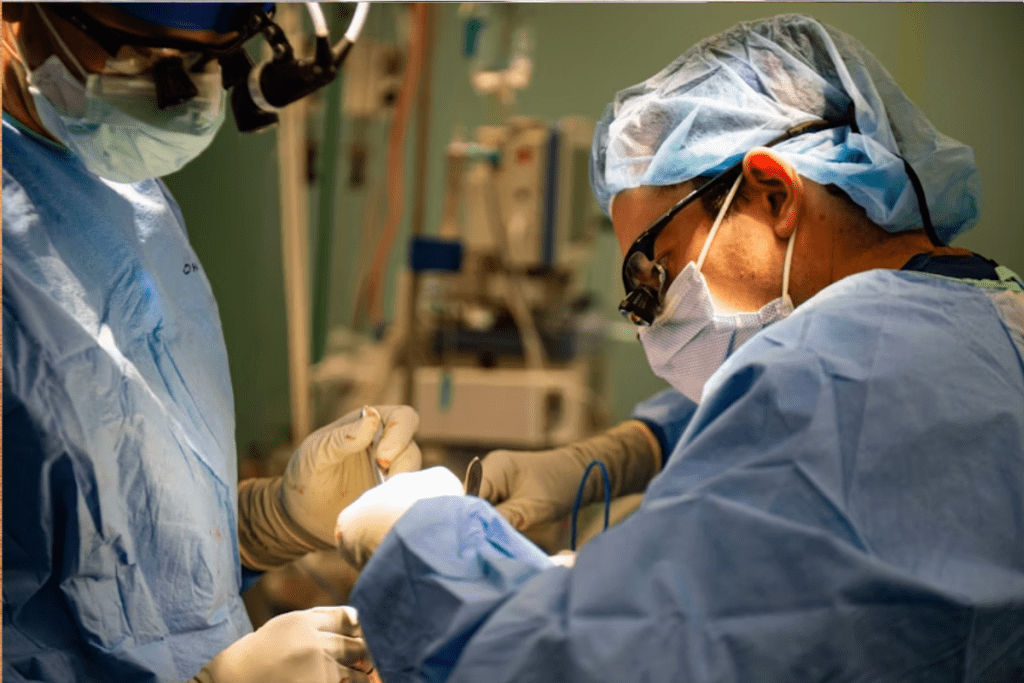
A bone marrow lymphoma transplant, also known as a stem cell transplant, is a medical procedure. It replaces damaged or diseased bone marrow with healthy blood-forming stem cells.
This treatment is often used for patients with lymphoma, a type of cancer that affects the immune system. The goal of a marrow transplant is to restore the body’s ability to produce healthy blood cells. This can help fight cancer and improve overall health.
Key Takeaways
- A bone marrow transplant is a procedure that replaces damaged bone marrow with healthy stem cells.
- This treatment is used for patients with lymphoma, a type of cancer that affects the immune system.
- The goal of a marrow transplant is to restore the body’s ability to produce healthy blood cells.
- A stem cell transplant can help fight cancer and improve overall health.
- Bone marrow transplants are a potentially life-saving treatment option for patients with lymphoma.
Understanding Bone Marrow and Its Function
Bone marrow is the soft, spongy tissue in some bones. It’s key for making blood cells. Stem cells in the marrow turn into red blood cells, white blood cells, and platelets. These cells are vital for carrying oxygen, fighting infections, and stopping bleeding.
The Role of Bone Marrow in Blood Production
The marrow holds stem cells that grow into different blood cells. Red blood cells carry oxygen, white blood cells fight infections, and platelets stop bleeding. Blood cell making, or hematopoiesis, never stops and is vital for health.
How Lymphoma Affects Bone Marrow
Lymphoma, a cancer of the immune system, can harm the bone marrow. It makes it hard for the marrow to make healthy blood cells. If lymphoma hits the marrow, it might need a marrow transplant to fix it.
| Cell Type | Function | Impact of Lymphoma |
| Red Blood Cells | Oxygen Transport | Reduced production can lead to anemia |
| White Blood Cells | Immune Response | Increased risk of infections |
| Platelets | Blood Clotting | Increased risk of bleeding |
Knowing how bone marrow works and how lymphoma harms it is key. It shows why marrow transplant is needed. It helps patients get better by fixing the marrow’s blood-making job.
Types of Lymphoma and When Transplants Are Recommended
It’s important to know the different types of lymphoma to decide if a bone marrow transplant is right. Lymphoma is mainly split into two types: non-Hodgkin lymphoma and Hodgkin lymphoma.
Non-Hodgkin Lymphoma
Non-Hodgkin lymphoma (NHL) is the more common type, making up about 90% of cases. It starts from lymphocytes, a key white blood cell for our immune system. NHL can be very different in how aggressive it is and how well it responds to treatment. A bone marrow transplant might be suggested for NHL patients who didn’t do well with first treatments or have come back.
Hodgkin Lymphoma
Hodgkin lymphoma (HL) is less common but often more treatable, if caught early. It’s marked by Reed-Sternberg cells in the lymph nodes. For advanced or come-back HL, a bone marrow transplant might be part of the treatment plan.
Determining Transplant Eligibility
Deciding on a bone marrow transplant for lymphoma patients involves several factors. These include the disease stage, how well previous treatments worked, overall health, and age. Here’s a quick guide:
| Factor | Description | Impact on Transplant Eligibility |
| Disease Stage | Advanced stages (III or IV) | More likely to be considered for transplant |
| Response to Initial Treatment | Poor response or relapse | Increases eligibility for transplant |
| Overall Health | Presence of comorbidities | May reduce eligibility due to increased risk |
| Age | Older age (>60 years) | May be considered on a case-by-case basis |
In summary, the type of lymphoma and the patient’s situation are key in deciding on a bone marrow transplant. Knowing these details is vital for making the right treatment choices.
What is a Lymphoma Transplant?
A lymphoma transplant, also known as a stem cell transplant, is a treatment. It destroys cancer cells and then adds healthy stem cells. This can cure lymphoma or extend a patient’s life.
Definition and Basic Procedure
The transplant process has several steps. First, chemotherapy and/or radiation kill cancer cells and the bone marrow. Then, healthy stem cells are given to the patient.
These stem cells can come from the patient (autologous) or a donor (allogeneic). The stem cell infusion is like a blood transfusion. The new cells then make more blood cells in the bone marrow.
History and Development of Transplantation for Lymphoma
The idea of bone marrow transplantation started in the mid-20th century. The first successful transplant was in 1968. Over time, autologous and allogeneic transplants were developed.
Stem cell transplantation for lymphoma has improved. This includes better treatment plans and care for patients. It also includes finding the right donor.
“The development of stem cell transplantation has revolutionized the treatment of lymphoma, making it a potentially curative option for patients with relapsed or refractory disease.”
Today, lymphoma transplant is a treatment for many types of lymphoma. The choice between autologous and allogeneic transplant depends on several factors. These include the type and stage of lymphoma, patient age, and overall health.
| Type of Transplant | Source of Stem Cells | Typical Use |
| Autologous | Patient’s own cells | Relapsed or refractory lymphoma |
| Allogeneic | Donor cells | High-risk or advanced lymphoma |
Autologous vs. Allogeneic Transplants
Bone marrow transplants for lymphoma come in two types: autologous and allogeneic. Autologous uses the patient’s own cells, while allogeneic uses donor cells. The choice depends on the lymphoma type, stage, patient’s health, and medical history.
Using Your Own Cells: Autologous Transplants
Autologous transplants use the patient’s stem cells. This method allows for strong chemotherapy followed by the return of the patient’s stem cells. The benefits include:
- Less risk of graft-versus-host disease (GVHD)
- Quicker immune system recovery
- Lower risk of complications from donor cells
But, autologous transplants might not work for everyone, like those with certain lymphoma types in the bone marrow.
Using Donor Cells: Allogeneic Transplants
Allogeneic transplants use donor stem cells. They’re often chosen for patients with high-risk features or treatment-resistant lymphoma. The advantages are:
- A chance for the donor cells to fight the cancer
- Potential for a cure for some patients
But, allogeneic transplants have a higher risk of GVHD and other issues.
Determining Which Type Is Right for You
Choosing between autologous and allogeneic transplants depends on the patient’s situation. The decision considers the lymphoma type, stage, age, health, and donor availability. A healthcare provider will weigh the risks and benefits to decide the best treatment.
Key considerations include relapse risk, treatment complications, and personal preferences. Evaluating these factors helps patients and their teams make the right treatment choice.
The Stem Cell Collection Process
Collecting stem cells is a key step before a bone marrow transplant. These cells can come from blood or bone marrow. After collection, they are processed and stored for later use.
Peripheral Blood Stem Cell (PBSC) Collection
Peripheral Blood Stem Cell (PBSC) collection is a common method. It uses growth factors to release stem cells into the blood. Then, apheresis separates these cells from other blood parts. PBSC collection is simpler and safer.
Bone Marrow Extraction Methods
Bone marrow extraction takes bone marrow from the hip bones. It’s done under general anesthesia to reduce pain. The marrow is then processed to get the stem cells. This method is safe but more invasive.
Processing and Storage of Collected Cells
After collecting stem cells, they are cleaned and frozen for later use. This method, called cryopreservation, keeps the cells safe until they’re needed. Good processing and storage are key for a successful transplant.
The stem cell collection process is essential for bone marrow transplants. It aims to get healthy stem cells for infusion. This helps patients recover from lymphoma.
Pre-Transplant Preparation
Pre-transplant preparation is a key step for lymphoma patients. It’s essential for the transplant’s success. Several important steps are involved.
Medical Evaluations and Testing
Patients get thorough medical checks before the transplant. These include blood tests, imaging, and heart and lung checks. The aim is to find any health problems that might affect the transplant.
| Test Type | Purpose |
| Blood Work | Assess overall health, detect infections |
| Imaging Studies | Evaluate disease extent, assess organ function |
| Heart and Lung Function Tests | Ensure organs can withstand transplant |
High-Dose Chemotherapy (Chemo Transplant)
High-dose chemotherapy, or chemo transplant, is used to kill cancer cells and weaken the immune system. It prepares the body for new bone marrow and lowers cancer risk.
Chemo transplant is a big part of getting ready for the transplant. It helps achieve remission and prepares the body.
Radiation Therapy Considerations
Some patients get radiation therapy as part of their prep. It targets lymphoma areas to lower recurrence risk.
Radiation therapy considerations include looking at past radiation exposure. It helps find the best dosage and target to reduce side effects.
The Transplantation Procedure
The transplantation procedure is a key step in treating lymphoma. It involves the infusion of stem cells into the patient’s blood. This is part of Hematopoietic Cell Transplantation (HCT), a detailed treatment needing careful planning and execution.
The Infusion Process
The infusion process is like a blood transfusion. It uses a central venous catheter to give the stem cells. This is done in a hospital or clinical setting, under the watch of medical experts.
What Happens During Cell Infusion
During the infusion, patients are watched for any bad reactions. The stem cells go to the bone marrow, starting to make new blood cells. This is key for getting the patient’s blood cell counts and immune function back.
Immediate Post-Infusion Care
After the infusion, patients are watched closely for any problems. The medical team helps with managing side effects and sets up follow-up appointments.
| Aspect of Care | Description |
| Monitoring | Close observation for adverse reactions or complications |
| Side Effect Management | Guidance on managing possible side effects after infusion |
| Follow-up | Schedule for follow-up appointments to check on recovery |
Donor Selection for Allogeneic Transplants
Choosing the right donor is key in allogeneic transplants. It’s all about finding someone whose cells match the recipient’s. This helps avoid serious problems.
HLA Matching and Compatibility
Human Leukocyte Antigen (HLA) matching is very important. HLA genes help our immune system fight off infections. A good match between donor and recipient lowers the risk of complications.
HLA typing checks for specific genetic markers. This helps find the best match.
Related vs. Unrelated Donors
Donors can be family members or strangers. Family members, like siblings or parents, are often the first choice. They have a better chance of being a good match.
Strangers are found through registries and databases. They might not be as close of a match, but they can work too.
Haploidentical and Cord Blood Options
Haploidentical donors share half of the recipient’s HLA genes. This is useful when a perfect match isn’t found. Cord blood, from umbilical cords, is another option. It might lower the risk of GVHD.
| Donor Type | HLA Matching Requirement | Advantages |
| Related Donor | High | Higher likelihood of close HLA match, potentially lower risk of GVHD |
| Unrelated Donor | High | Viable when related donor not available, diverse donor pool |
| Haploidentical Donor | Partial | Family members can be donors, useful when fully matched donor not available |
| Cord Blood | Partial | Lower risk of GVHD, readily available |
Choosing a donor for an allogeneic transplant is complex. It involves looking at HLA matching, donor type, and the recipient’s needs. Healthcare providers use this information to make the best choice for the transplant.
The Engraftment Process
Engraftment is when transplanted stem cells start making healthy blood cells. This is a key step in a patient’s recovery. It’s very important for those with lymphoma who have had a bone marrow transplant.
What is Engraftment?
Engraftment happens when the stem cells start making new blood cells. These new cells replace the old ones damaged by lymphoma and its treatment. It’s essential for fixing the patient’s immune system and health.
Timeline for New Cell Production
The time it takes for engraftment can differ from person to person. Usually, it takes a few weeks for the new cells to start making healthy blood. During this time, patients are watched closely for any signs of engraftment or problems.
The process has several important stages:
- Initial Phase: Right after the transplant, the patient’s blood cell counts are very low.
- Engraftment Phase: As the new cells start making blood, the counts begin to go up.
- Recovery Phase: After successful engraftment, the immune system starts to get better. This lowers the chance of infections and other issues.
Monitoring Engraftment Success
Checking if engraftment is working involves regular blood tests. These tests look for new blood cells. Doctors also watch for signs of graft function and any signs of failure or complications.
Getting engraftment right is a big step towards getting better. But it’s only one part of the transplant journey. Keeping up with follow-up care is key to making sure the transplant works well in the long run.
Potential Complications and Side Effects
Graft-Versus-Host Disease (GVHD)
Graft-versus-host disease (GVHD) is a big risk with allogeneic bone marrow transplants. In GVHD, the donated stem cells attack the body. Symptoms can range from mild to severe, affecting up to 60% of patients.
Infections and Immune System Recovery
Patients with a bone marrow transplant face a high risk of infections. Their immune system is weakened, making them vulnerable. They may need antibiotics and antifungals for a long time.
Organ Damage and Other Physical Complications
High-dose chemotherapy and radiation used in transplantation can sometimes affect organs such as the liver, lungs, and heart.Patients may also face cataracts, infertility, and secondary cancers.
Psychological Effects
The mental impact of a bone marrow transplant is significant. Patients may feel anxious, depressed, or have PTSD. A study in Bone Marrow Transplantation stresses the need for psychological support during recovery.
In summary, while a bone marrow transplant is a powerful treatment for lymphoma, it’s vital to know the risks. Understanding these complications helps patients make better decisions about their care.
Recovery Timeline After Transplantation
Knowing the recovery timeline after a bone marrow transplant is key for patients and their caregivers. Each person’s recovery is different, but there are common milestones to look out for.
Hospital Stay Duration
The recovery starts in the hospital, where doctors watch for any immediate problems. Usually, patients stay a few weeks. This time can vary based on the patient’s health and the transplant details.
The First 100 Days
The first 100 days are very important for recovery. Patients are at a higher risk for infections and other issues because their immune systems are weak. Regular check-ups with the healthcare team are vital to track progress and solve any problems quickly. This is when patients start to see the first signs of their immune system getting better.
Long-Term Recovery Milestones
After the first 100 days, patients start a long-term recovery phase. This can last several months to a few years. During this time, the immune system keeps getting stronger, and doctors watch for any signs of the disease coming back. Reaching remission is a big achievement, showing the treatment is working well against the lymphoma.
Staying healthy, following the care plan, and knowing the signs of relapse are important for a good recovery. With the right care and support, many patients can fully recover and live a good life after their transplant.
Measuring Success: Remission and Relapse
Understanding the success of a bone marrow transplant in treating lymphoma requires a closer look at remission rates and relapse prevention. After a transplant, patients are closely monitored to determine if the treatment has been successful in achieving remission.
Defining Remission After Transplant
Remission is defined as the absence of detectable cancer. Achieving remission is a significant milestone for patients who have undergone a bone marrow transplant as part of their lymphoma treatment. It indicates that the treatment has effectively reduced the cancer to undetectable levels.
Complete remission is a term used when there is no evidence of lymphoma after treatment. This is often determined through various tests, including imaging studies and bone marrow biopsies.
Monitoring for Relapse
After achieving remission, patients are regularly monitored for signs of relapse. Relapse occurs when the lymphoma returns after a period of remission. Regular follow-up appointments and tests are critical for early detection of relapse.
Monitoring strategies include:
- Regular blood tests to check for signs of lymphoma
- Imaging studies such as CT scans or PET scans
- Bone marrow biopsies to check for cancer cells
Survival Statistics and Outcomes
Survival statistics provide valuable insights into the effectiveness of bone marrow transplants for lymphoma patients. These statistics are based on data from previous patients and can help predict outcomes for current patients.
| Lymphoma Type | 5-Year Survival Rate | 10-Year Survival Rate |
| Non-Hodgkin Lymphoma | 60% | 40% |
| Hodgkin Lymphoma | 80% | 65% |
These statistics are based on data from patients who have undergone bone marrow transplants. They highlight the varying outcomes depending on the type of lymphoma.
Life After a Bone Marrow Transplant
After a bone marrow transplant, patients start a new chapter in their health journey. This time is key as their immune system starts to heal and adapt to the new cells.
Immune System Considerations
The immune system is very weak after a bone marrow transplant. Patients must take precautions to avoid infections. This means practicing good hygiene, staying away from crowded places, and avoiding sick people. It’s also important to follow the doctor’s advice on prophylactic medications to prevent infections.
Follow-up Care Schedule
Having a strict follow-up care schedule is essential. It helps monitor the patient’s recovery and catch any problems early. This includes regular visits to the healthcare team, blood tests to check blood cell counts, and other tests as needed. Patients should watch for signs of complications like graft-versus-host disease (GVHD) and tell their healthcare provider right away.
Lifestyle Adjustments
Healthy lifestyle changes are key for a good recovery. This includes eating a balanced diet full of nutrients, drinking plenty of water, and doing gentle exercise as advised by the healthcare team. It’s also important to avoid smoking and limit alcohol to reduce the risk of complications.
By managing their health well and sticking to the recommended follow-up care, patients can improve their recovery and quality of life after a bone marrow transplant.
Patient Experience and Quality of Life
Bone marrow transplant patients face many challenges that affect their quality of life. The transplant is more than a medical procedure. It’s a journey that impacts patients physically, emotionally, and financially.
Physical Challenges
Patients going through bone marrow transplants face physical challenges. The treatment, which includes chemotherapy and radiation, can cause severe side effects like nausea and hair loss. They also risk infections and graft-versus-host disease (GVHD), which adds to the physical strain.
Emotional and Social Impact
The emotional and social effects of a bone marrow transplant are significant. Patients often feel anxiety, depression, and fear about their condition and treatment. Being isolated during the transplant can make them feel lonely and disconnected from loved ones.
Financial Considerations
The financial cost of a bone marrow transplant is high. The expenses for the procedure, hospital stay, medications, and follow-up care can be overwhelming. Below is a table showing the average costs for different parts of the transplant:
| Procedure/Aspect | Average Cost |
| Transplant Procedure | $100,000 – $200,000 |
| Hospital Stay | $50,000 – $100,000 |
| Medications and Follow-up | $20,000 – $50,000 |
It’s important to understand these challenges to provide better care for bone marrow transplant patients. By addressing physical, emotional, and financial needs, healthcare providers can improve patients’ quality of life during the transplant journey.
Alternative Treatments When Transplant Isn’t an Option
Patients with lymphoma who can’t get a bone marrow transplant have other options. These include targeted therapies, immunotherapy, and clinical trials. These alternatives can help manage lymphoma effectively.
Newer Targeted Therapies
Targeted therapies aim to kill cancer cells without harming healthy ones. For lymphoma, drugs target specific proteins on cancer cells, like CD20 in some non-Hodgkin lymphoma. “The development of targeted therapies has changed how we treat lymphoma,” says a top oncologist.
Examples include monoclonal antibodies, antibody-drug conjugates, and small molecule inhibitors. These can be used alone or with other treatments to boost their power.
Immunotherapy Approaches
Immunotherapy uses the body’s immune system to fight cancer. For lymphoma, treatments like checkpoint inhibitors and CAR T-cell therapy are promising. CAR T-cell therapy removes T-cells, modifies them, and then puts them back in.
“Immunotherapy is a big change in lymphoma treatment, giving new hope to those who’ve tried other treatments,” a study found.
Clinical Trials
Clinical trials offer new treatments not yet widely available. For lymphoma patients not eligible for a transplant, trials are a good option. They test new drugs, treatment combinations, or approaches.
Before joining a trial, talk to your doctor about the benefits and risks. This helps decide if it’s right for you.
Advances in Transplantation Technology
Medical technology has improved bone marrow transplants for lymphoma patients. New methods make transplants safer and more effective.
Reduced-Intensity Conditioning
Reduced-intensity conditioning (RIC) is a key advancement. It uses lower doses of chemotherapy and radiation. This reduces the harm from traditional treatments.
This method is great for older patients or those with health issues.
CAR T-Cell Therapy and Transplants
CAR T-cell therapy is a major breakthrough. It changes a patient’s T-cells to fight cancer. This therapy is showing great promise in treating lymphoma.
Future Directions in Research
Research is always moving forward to better transplant results. New technologies and treatments are being studied. They aim to improve care and survival rates for patients.
| Therapy | Description | Benefits |
| Reduced-Intensity Conditioning | Lower doses of chemotherapy and radiation | Less toxicity, suitable for older patients |
| CAR T-Cell Therapy | Genetically modified T-cells to attack cancer | Promising results in lymphoma treatment |
Conclusion
Bone marrow transplants are a lifesaving option for lymphoma patients. It’s important to know the process, benefits, and risks. This helps in making informed choices about this complex procedure.
A lymphoma transplant, or bone marrow transplant, replaces damaged bone marrow with healthy cells. This can be done with the patient’s own cells (autologous transplant) or donor cells (allogeneic transplant).
The recovery journey has several stages. These include pre-transplant prep, the transplant itself, and post-transplant care. While risks and side effects exist, new technologies have made outcomes better for patients.
Research keeps growing, giving lymphoma patients more treatment options. A bone marrow transplant can be a good choice for some. It offers a chance for remission and a better quality of life.
In the end, a lymphoma transplant is a big step that needs careful thought and planning. Knowing the process and benefits helps patients make informed decisions. This is the first step towards a successful outcome.
FAQ
What is a bone marrow transplant for lymphoma?
A bone marrow transplant for lymphoma is a procedure. It replaces damaged or cancerous bone marrow with healthy stem cells. These stem cells can come from the patient themselves or a donor.
How does lymphoma affect bone marrow?
Lymphoma can damage the bone marrow. This damage makes it hard for the bone marrow to produce healthy blood cells. As a result, patients may experience anemia, infections, and bleeding problems.
What are the types of lymphoma that may require a transplant?
Both Non-Hodgkin Lymphoma and Hodgkin Lymphoma may need a bone marrow transplant. This depends on the disease stage, how well the patient has responded to previous treatments, and other factors.
What is the difference between autologous and allogeneic transplants?
Autologous transplants use the patient’s own stem cells. Allogeneic transplants use stem cells from a donor. The donor’s stem cells can help fight cancer cells, which is called the graft-versus-lymphoma effect.
How are stem cells collected for a transplant?
Stem cells are collected through peripheral blood stem cell (PBSC) collection or bone marrow extraction. After collection, the cells are processed and stored for the transplant.
What is the engraftment process, and how is it monitored?
Engraftment is when the transplanted stem cells start making new blood cells. It’s monitored through blood counts and tests. This ensures the new cells are working right.
What are the possible complications of a bone marrow transplant?
Complications can include graft-versus-host disease (GVHD), infections, organ damage, and psychological effects. These need careful management and follow-up care.
How is remission defined after a bone marrow transplant?
Remission after a transplant means there are no detectable lymphoma cells. Patients are regularly checked for signs of relapse.
What lifestyle adjustments are necessary after a bone marrow transplant?
Patients may need to avoid infections, follow a specific diet, and attend follow-up appointments. These steps help ensure a healthy recovery.
Are there alternative treatments for lymphoma if a transplant is not an option?
Yes, there are alternative treatments. These include newer targeted therapies, immunotherapy, and clinical trials. Each option has benefits and risks that should be discussed with a healthcare provider.
What advances are being made in transplantation technology?
Advances include reduced-intensity conditioning, CAR T-cell therapy, and other innovative approaches. These are improving patient outcomes and expanding treatment options.
How does a bone marrow transplant impact quality of life?
A bone marrow transplant can have big physical, emotional, and financial impacts. But, with proper care and support, many patients can return to a good quality of life.
References
- Freedman, A. (2020). Bone marrow transplantation for lymphoma. The Hematologist, 17(1), 1-8.https://www.hematology.org/publications/hematologist/17/1/bone-marrow-transplantation-for-lymphoma
- Center for International Blood and Marrow Transplant Research. (2024). 2024 CIBMTR Summary Report. Retrieved September 25, 2025, fromhttps://www.cibmtr.org/



 Departments
 Related Videos
 Our Doctors
 News
News