Cancer is a big health problem in the United States. It’s the second leading cause of death, after heart disease. This is according to the Centers for Disease Control and Prevention. Even with new research and treatments, some cancers are hard to beat.
Some cancers, such as pancreatic cancer, glioblastoma, and advanced-stage lung cancer, currently have no definitive cure. It’s important to understand these malignant diseases. This helps us find new ways to care for and research them.

What does it mean? Understand the malignant definition and learn which types of cancer are currently considered the most difficult to cure.
Cancer is complex and comes in many forms. We need to keep researching and spreading the word. Knowing about different cancers helps us find better treatments.
Key Takeaways
- Cancer is the second leading cause of death in the U.S.
- Certain types of cancer, like pancreatic and lung cancer, have no cure yet.
- Understanding malignant diseases is key to advancing cancer research.
- Continued research and awareness are important for finding effective treatments.
- The complexity of cancer means we need a variety of treatment approaches.
Understanding Cancer and Curability
Cancer prognosis and curability depend on the tumor’s characteristics and the patient’s health. The main difference between curable and incurable cancers is the type, stage, and treatment response.
The Difference Between Curable and Incurable Cancers
Curable cancers are usually diagnosed early and respond well to treatment. Incurable cancers are often diagnosed later or are more aggressive. Recent statistics show the five-year survival rate for cancer in the U.S. has increased from 50 percent in the 1970s to 65 percent today.
Factors That Affect Cancer Prognosis
Several factors influence cancer prognosis, including:
- The type and stage of cancer
- The patient’s overall health and age
- The effectiveness of the treatment plan
Knowing these factors is key to finding the best treatment and improving survival chances. Early diagnosis and good health are important for a better prognosis.
The Malignant Definition: What Makes Cancers Deadly
Malignant cancers are very dangerous and can be life-threatening. They grow aggressively and invade nearby tissues. This makes them a big risk to a patient’s health.
Characteristics of Malignant Tumors
Malignant tumors have certain traits that set them apart from benign ones. These include:
- Uncontrolled growth and the ability to invade surrounding tissues.
- The capacity to metastasize, or spread, to other parts of the body.
- A tendency to recur after treatment.
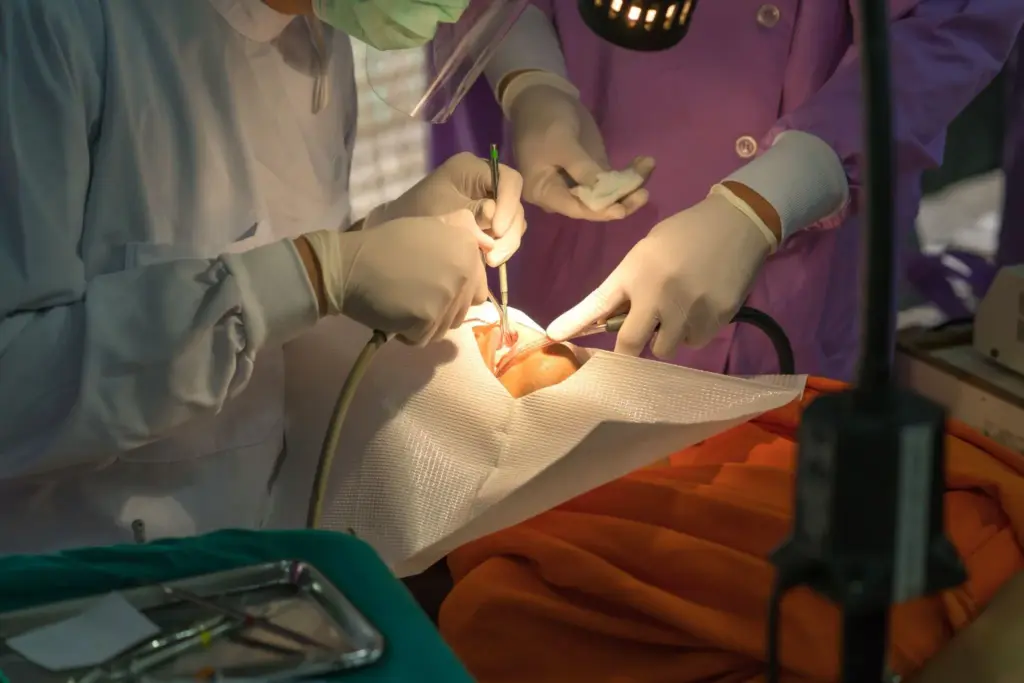
These traits make malignant tumors hard to treat. Cancer cells can dodge treatment and change to avoid it. This makes treatment even harder.
How Malignancy Relates to Curability
The malignancy of a tumor affects how curable it is. Generally, the more malignant a tumor, the less likely it is to be cured. This is because malignant tumors grow fast and often spread by the time they’re found.
|
Tumor Type |
Malignancy Level |
Curability |
|---|---|---|
|
Benign |
Low |
High |
|
Malignant |
High |
Low |
It’s key to understand malignant tumors and how they affect curability. Knowing what makes a tumor malignant helps doctors plan better treatments. This way, they can manage the disease more effectively.
Pancreatic Cancer: One of the Deadliest Forms
Pancreatic cancer is known for its poor prognosis. It’s hard to catch early because symptoms show up late. This makes it a major concern in cancer research.
Why Pancreatic Cancer Is Difficult to Treat
It’s tough to treat pancreatic cancer because it’s often caught too late. Symptoms appear when the cancer is advanced. This limits treatment choices. The pancreas’s deep location in the abdomen also makes surgery hard.
Key Challenges in Treating Pancreatic Cancer:
- Late diagnosis due to non-specific early symptoms
- Limited treatment options in advanced stages
- Difficulty in surgical intervention due to the pancreas’s location
Pancreatic Cancer Survival Rate and Statistics
The survival rate for pancreatic cancer is very low. The five-year survival rate is just 12%. This low rate is because most cases are diagnosed late.
|
Stage at Diagnosis |
Five-Year Survival Rate |
|---|---|
|
Localized |
39% |
|
Regional |
13% |
|
Distant |
3% |
Can You Live Without a Pancreas?
Living without a pancreas is very hard. The pancreas is key for digestion and managing blood sugar. While survival is possible, managing diabetes and malabsorption is lifelong.
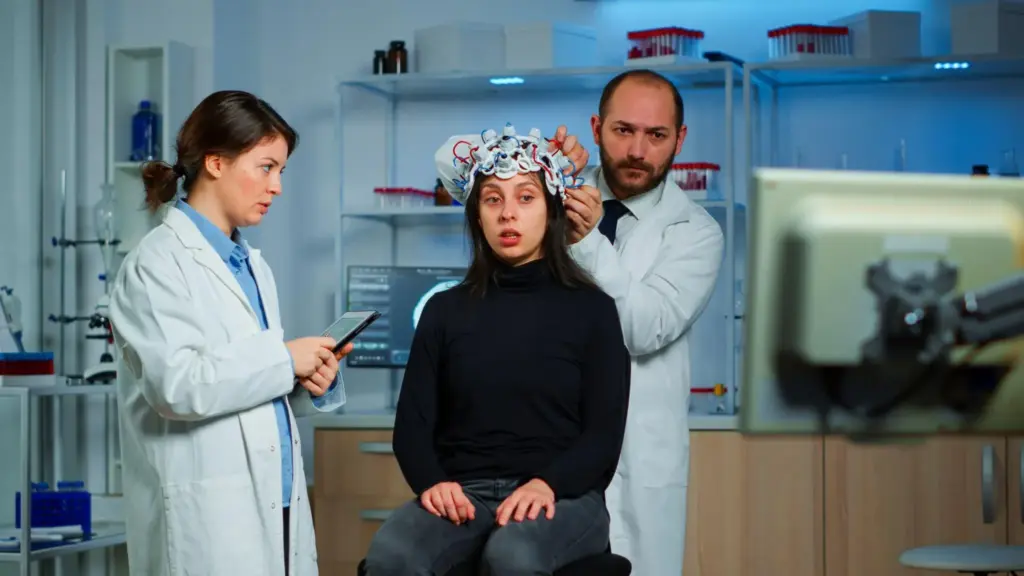
Patients without a pancreas must follow a strict treatment plan. This includes insulin and enzyme replacement. It shows how vital the pancreas is and the big changes needed without it.
Glioblastoma Multiforme: The Aggressive Brain Cancer
Glioblastoma multiforme is a deadly brain cancer known for its fast growth and few treatment choices. It’s known for quick progression and a bad outlook, making it a big problem in brain cancer treatment.
Challenges in Treating Brain Tumors
Dealing with glioblastoma multiforme is hard because it’s in the brain. This makes surgery tricky. The blood-brain barrier also blocks many drugs from reaching the brain.
The aggressive nature of glioblastoma multiforme leads to it coming back after treatment. This cycle of coming back and getting worse is a big reason for the low survival rates.
Current Treatment Approaches for Glioblastoma
Doctors use a mix of treatments for glioblastoma multiforme. Surgery tries to remove as much of the tumor as possible without harming the brain. Radiation and chemotherapy, like temozolomide, target any leftover cancer cells.
Even with these treatments, the outlook is not good. Most people live about 15 months after being diagnosed. Researchers are working on new ways to help patients live longer.
Survival Statistics and Prognosis
The survival rates for glioblastoma multiforme are very low, with only about 7% living more than five years. The chance of survival depends on the patient’s age, how well they can function, and how much of the tumor was removed.
It’s important to understand these factors and the nature of glioblastoma multiforme. This knowledge helps doctors find better treatments and improve patient outcomes.
Metastatic Lung Cancer: Leading Cause of Cancer Deaths
Lung cancer is a deadly form of cancer, with metastasis playing a big role in its high death rate. In the United States, lung and bronchial cancer is the leading cause of cancer deaths. This results in a significant number of deaths each year.
Understanding What “Metastasized” Means
When cancer metastasizes, it spreads from its original site (like the lungs) to other parts of the body. This makes treatment harder and usually means the cancer is in a more advanced stage.
Metastasis occurs through:
- The bloodstream
- The lymphatic system
Why Advanced Lung Cancer Remains Incurable
Advanced lung cancer is hard to treat because it’s aggressive and often spreads to important areas of the body. The complexity of metastasis makes it hard or impossible to remove the cancer surgically in many cases.
Survival Rates and Treatment Options
Despite the challenges, there are treatments for metastatic lung cancer. These include chemotherapy, targeted therapy, and immunotherapy. The right treatment depends on how far the cancer has spread and the patient’s overall health.
|
Treatment Option |
Description |
Survival Rate Impact |
|---|---|---|
|
Chemotherapy |
Uses drugs to kill cancer cells |
Can improve survival rates in some cases |
|
Targeted Therapy |
Targets specific cancer cell characteristics |
May enhance survival by reducing tumor size |
|
Immunotherapy |
Boosts the body’s immune response against cancer |
Has shown promise in improving survival rates |
It’s important for patients and healthcare providers to understand metastatic lung cancer. This knowledge helps make informed decisions about treatment and care.
Stage4 Cancer: When Cancer Has Spread
Cancer that has spread to distant organs or tissues is stage 4. This makes treatment very hard. The cancer is no longer just in one place. It has spread, making treatment harder and affecting survival chances.
It’s important for patients and doctors to understand stage 4 cancer. Survival rates vary a lot, depending on the cancer type and other factors.
Survival Rate Across Different Types
The survival rate for stage 4 cancer patients changes a lot based on the cancer type. For example, stage 4 breast cancer survival rates are different from stage 4 pancreatic cancer.
|
Cancer Type |
Stage 4 Survival Rate |
|---|---|
|
Breast Cancer |
22% |
|
Pancreatic Cancer |
3% |
|
Lung Cancer |
6% |
These numbers show how survival rates can vary. They also highlight the need for personalized treatment plans.
Treatment Goals for Advanced Cancer
For stage 4 cancer, treatment goals often change. They focus on improving life quality and extending survival.
“The goal of treatment at this stage is not just to extend life but to make the remaining time as comfortable and meaningful as possible.”
Treatment options include chemotherapy, radiation therapy, and palliative care. These are chosen based on the patient’s needs and wishes.
In conclusion, stage 4 cancer is a big challenge. But knowing survival rates and treatment goals helps patients and families deal with it.
Other Challenging Cancers with Low Survival Rates
Some cancers are tough to treat and have low survival rates. This makes them a big worry for patients and doctors. These cancers often face unique challenges, like being diagnosed late, growing fast, or having few treatment options.
Liver cancer is a big concern because of its poor outlook. The survival rate for liver cancer changes a lot based on when it’s found. If caught early, the survival rate is better, but many are diagnosed too late.
Liver Cancer Survival Rate and Challenges
Liver cancer is common worldwide and is growing in the U.S. It’s hard to treat because it’s often found late and people may have other liver problems. These issues make treatment harder.
|
Stage at Diagnosis |
5-Year Survival Rate |
|---|---|
|
Localized |
33% |
|
Regional |
11% |
|
Distant |
3% |
Ovarian Cancer Survival Rate and Late Detection
Ovarian cancer is deadly because it’s often found too late. Its symptoms are vague and can be mistaken for other conditions. This leads to delayed diagnosis.
Early detection greatly improves the survival rate for ovarian cancer. But, most cases are diagnosed when it’s too late, leading to a lower survival rate overall.
Bone Marrow Carcinoma and Blood Cancers
Bone marrow carcinoma, including leukemia, is hard to treat. These cancers affect blood cells and bone marrow. This makes treatment tricky because these cells are vital for our immune and circulatory systems.
Thanks to new treatments like targeted therapy and bone marrow transplants, survival rates have improved. But, these cancers are complex and need specialized care.
AML Leukemia: Challenges in Treatment
AML leukemia is a tough and aggressive cancer that affects the blood and bone marrow. It’s hard to treat because it involves the rapid growth of abnormal white blood cells. These cells fill the bone marrow and stop it from making normal blood cells.
Chemotherapy Approaches for AML
Chemotherapy is a main treatment for AML leukemia. It tries to kill the cancer cells and help the bone marrow make healthy cells again. The treatment usually includes two parts: induction therapy and consolidation therapy.
Induction therapy is the first step to get the cancer into remission. Then, consolidation therapy is used to get rid of any cancer cells left behind.
Understanding Lymphocyte Levels
Lymphocytes are important white blood cells for our immune system. In AML leukemia, an odd lymphocyte count can show the disease or how the body is reacting to treatment. Low lymphocyte counts can make us more likely to get infections. On the other hand, high counts might mean leukemia or other immune problems.
Knowing when lymphocyte levels are too high or too low is key in fighting AML leukemia. Counts that are way off from normal need close watching and the right medical care.
Comparing Cancer Survival Rates
Looking at survival rates for different cancers shows how far we’ve come in medicine. These rates have gone up a lot because of better treatments and ways to find cancer early.
In the U.S., the five-year survival rate for all cancers has jumped from about 50 percent in the 1970s to 65 percent today. This big jump is thanks to better medical tech and treatment plans.
Colon Cancer Survival Rate
Colon cancer survival rates have been getting better over time. The five-year survival rate for colon cancer is now about 65%, thanks to early detection through screenings.
- Localized colon cancer has a 90% five-year survival rate.
- Regional colon cancer has a 71% five-year survival rate.
- Distant metastatic colon cancer has a 14% five-year survival rate.
Prostate Cancer Survival Rate
Prostate cancer survival rates are high, thanks to early detection. The five-year survival rate for prostate cancer is nearly 100% for cancers caught early. Even advanced prostate cancer has seen better survival rates thanks to new treatments.
- Localized prostate cancer has a nearly 100% five-year survival rate.
- Regional prostate cancer also has a nearly 100% five-year survival rate.
- Distant metastatic prostate cancer has a 31% five-year survival rate.
Factors That Improve Survival Chances
Several things help cancer patients live longer. These include:
- Early detection: Finding cancer early through screenings helps a lot.
- Advancements in treatment: New treatments have made survival rates better.
- Personalized medicine: Treating each patient as an individual makes treatments more effective.
- Lifestyle changes: Eating well, exercising, and avoiding bad habits can also help.
Knowing these factors can help patients and doctors make better choices about treatment and care.
Current Treatment Approaches for “Incurable” Cancers
When dealing with cancers considered incurable, treatment focuses on improving life quality. The main goal is to ease symptoms and reduce stress, not to cure the cancer.
Palliative care is key in managing incurable cancers. It aims to reduce suffering by addressing physical, emotional, and social needs.
Palliative vs. Curative Treatment
The difference between palliative and curative treatments is clear. Curative treatments aim to remove the cancer. Palliative treatments focus on easing symptoms and improving life quality. For incurable cancers, the focus shifts to palliative care.
A leading oncologist notes, “Palliative care is not just about pain management. It’s about providing care that addresses all aspects of a patient’s life.” This shows the importance of a team in managing incurable cancers.
Extending Life and Improving Quality of Life
Treatment for incurable cancers often combines therapies to extend life and improve its quality. This includes pain management, nutritional support, and psychological counseling.
- Pain management through medication and alternative therapies
- Nutritional support to maintain strength and overall health
- Psychological counseling to address emotional and mental well-being
Immunotherapy Breakthroughs
Recent immunotherapy advancements show promise in treating incurable cancers. Immunotherapy boosts the body’s immune system to fight cancer more effectively.
“Immunotherapy has revolutionized the treatment of some cancers, giving new hope to patients with previously incurable diseases.”
These breakthroughs show the ongoing efforts to improve treatment for incurable cancers. They focus on both extending life and improving its quality.
Is There a Cure for Cancer on the Horizon?
Cancer research has made big steps forward, but the question remains: is a cure near? Recent advances in medicine have helped us understand cancer better. Now, we focus on targeted treatments and personalized medicine, not just one cure.
Promising Research Directions
Many promising paths are being explored to fight cancer. Immunotherapy uses the body’s immune system to attack cancer. Also, gene editing technologies like CRISPR/Cas9 aim to kill cancer cells.
A leading oncologist said,
“The future of cancer treatment lies in understanding the genetic and molecular basis of the disease.”
This knowledge is key for making treatments work.
Personalized Medicine and Genetic Approaches
Personalized medicine tailors treatments to each patient’s cancer. This method has shown great promise. Genetic testing finds mutations that cause cancer, guiding targeted treatments.
The use of artificial intelligence and machine learning in research is also helping. They help us analyze data, find patterns, and predict how treatments will work.
Though there’s more to learn, cancer research has made huge strides. As we keep exploring new treatments, the hope for a cure grows stronger.
The Role of Specialized Cancer Centers
Dealing with complex cancers needs a team effort, often found in specialized cancer centers. These places have the newest tech and teams of experts. They work together to give full care.
Liv Hospital is a great example of such a center. It aims for top international results and uses the latest research. They carefully check each patient, then make a treatment plan just for them.
How Institutions Like Liv Hospital Approach Difficult Cancers
Liv Hospital uses the latest tech and teamwork. Their team includes doctors, surgeons, and more. They all work together to tackle each case’s challenges.
- They do detailed checks to know the cancer’s stage and type.
- They make treatment plans that use the newest research and methods.
- They have team meetings to talk about each patient and decide the best plan.
Multidisciplinary Teams and Treatment Planning
Multidisciplinary teams are key in these centers. They make sure all parts of care are covered, from start to finish. Planning treatment is a team effort, where they discuss and decide the best plan.
By using the skills of many specialists and the latest treatments, places like Liv Hospital help patients get the best results. They keep up with the latest in cancer research and treatment. This helps them give the best care.
Living with an “Incurable” Diagnosis
Getting a diagnosis of incurable cancer can change your life. It needs quick emotional and psychological help. Patients and their families face big challenges in managing the disease while keeping well.
Psychological and Emotional Support
The emotional hit of an incurable cancer diagnosis is big. Psychological support is key to help patients deal with it. This support can come from family, friends, support groups, or professional counselors.
It’s important for patients to have a network that gets their needs. This network should offer emotional comfort.
Quality of Life Considerations
When dealing with incurable cancer, quality of life is very important. Treatment choices should aim to manage symptoms, lessen pain, and improve daily life. Palliative care teams are key in this, making sure patients get the best care.
Finding Hope and New Treatment Options
Even with an incurable diagnosis, there’s always hope for new treatments. Keeping up with the latest in cancer research and treatments can give patients hope for the future.
By focusing on support, quality of life, and new treatments, patients with incurable cancer can face their diagnosis with dignity and hope.
Conclusion: The Future of Cancer Treatment
Cancer is a big health problem worldwide, with some types being hard to treat. Cancers like pancreatic cancer, glioblastoma multiforme, and metastatic lung cancer are tough. They grow fast and are often found late.
But, the future of cancer treatment is looking up. This is thanks to cancer research and new medical tech. We need to keep funding research to find new treatments and help patients more.
New ways like immunotherapy, personalized medicine, and genetic treatments are showing promise. Places like Liv Hospital are leading the way. They use teams to make treatment plans just for each patient.
Even though some cancers can’t be cured yet, the progress is giving us hope. It’s making survival rates and quality of life better for patients.
Looking ahead, working together and keeping funding for cancer research is key. By supporting research, we can get better treatments. This will help cancer patients have a brighter future.
FAQ
What are the most common types of cancer that are considered incurable?
Incurable cancers include pancreatic cancer, glioblastoma multiforme, and metastatic lung cancer. Stage4 cancer is also considered incurable.
What is the survival rate for pancreatic cancer?
Pancreatic cancer has a low survival rate. The five-year survival rate is about 10% for all stages. Stage4 pancreatic cancer has an even lower survival rate.
Can you live without a pancreas?
Living without a pancreas is possible but requires big lifestyle changes. You’ll need to manage diabetes and digestive issues. Removing the pancreas is a serious surgery with long-term health effects.
What is the prognosis for glioblastoma multiforme?
Glioblastoma multiforme is a very aggressive brain cancer. It has a poor prognosis. People usually live 12-18 months after diagnosis, even with aggressive treatment.
What does “metastasized” mean in the context of cancer?
“Metastasized” means cancer cells have spread from the original tumor to other parts of the body. This indicates advanced cancer and makes treatment harder.
What is the survival rate for stage4 cancer?
Stage4 cancer survival rates vary by cancer type. Generally, they are lower than for earlier stages. This is because the cancer has spread to other parts of the body.
What is AML leukemia, and how is it treated?
AML (Acute Myeloid Leukemia) is a blood cancer affecting the bone marrow. Treatment often includes chemotherapy. Sometimes, a bone marrow transplant is needed.
What level of lymphocytes is considered dangerous?
Abnormal lymphocyte levels can signal infections, autoimmune diseases, or cancers like leukemia. Low or high counts are dangerous and need medical attention.
How do cancer survival rates compare across different types of cancer?
Survival rates differ by cancer type. For example, colon and prostate cancers have better survival rates than pancreatic or glioblastoma multiforme.
What is the difference between palliative and curative treatment?
Palliative treatment aims to improve quality of life and extend life, without curing cancer. Curative treatment tries to eliminate the cancer entirely.
Are there any promising research directions for curing cancer?
Yes, research is exploring immunotherapy, personalized medicine, and genetic approaches. These aim to create more effective treatments and possibly cures for various cancers.
How do specialized cancer centers approach difficult cancers?
Specialized cancer centers, like Liv Hospital, use a team approach. They combine experts from different fields to create detailed treatment plans for each patient.
References
National Center for Biotechnology Information. Evidence-Based Medical Insight. Retrieved from https://pubmed.ncbi.nlm.nih.gov/35658431/