
Chemotherapy is a key treatment for many cancers. It can harm platelet production, causing thrombocytopenia, or low platelet counts. At Liv Hospital, we focus on keeping patients safe and getting the best results. We know the minimum platelet count for chemotherapy is very important.
A normal platelet count is between 150 to 450 billion per liter of blood. If chemotherapy lowers your platelet count below 100 billion per liter, your doctor might change your treatment. For more on managing low platelet counts, check out this resource.
Key Takeaways
- Chemotherapy can cause thrombocytopenia, a condition with low platelet counts.
- The normal platelet count range is between 150 to 450 billion platelets per liter of blood.
- Chemotherapy-induced thrombocytopenia is defined as a platelet count under 100 billion per liter.
- Low platelet counts can lead to adjustments in chemotherapy treatment.
- Patient safety is a top priority in managing chemotherapy side effects.
Understanding Platelets and Their Role in Cancer Treatment
Platelets are small but mighty blood cells that are indispensable for patients receiving chemotherapy. They aid in clotting and healing. We rely on these cells to stop bleeding when we’re injured. Their importance becomes even more pronounced during cancer treatment.

What Are Platelets and Their Normal Ranges
Platelets, also known as thrombocytes, are a component of blood. Their function is to stop bleeding by clumping and clotting blood vessel injuries. Normally, the platelet count ranges from 150,000 to 450,000 platelets per microliter of blood.
A count below 150,000 is considered low, a condition known as thrombocytopenia. For cancer patients, understanding the normal range of platelet counts is key. Chemotherapy can significantly impact platelet production. We need to monitor these levels closely to prevent complications.
How Platelets Function in Clotting and Healing
Platelets play a vital role in our body’s ability to form clots and stop bleeding. When a blood vessel is injured, platelets adhere to the site of injury. They aggregate and release chemical signals that attract more platelets.
This process forms a platelet plug, which is then reinforced by fibrin. A protein that creates a more stable clot.
“The role of platelets in hemostasis is well established, and their dysfunction can lead to significant bleeding complications, even in patients undergoing chemotherapy.”
Why Platelet Counts Matter for Cancer Patients
For individuals undergoing cancer treatment, maintaining a healthy platelet count is essential. Chemotherapy can suppress the bone marrow, where platelets are produced. This leads to thrombocytopenia.
A low platelet count increases the risk of bleeding. This can be life-threatening in severe cases.
| Platelet Count Range | Status | Risks and Recommendations |
|---|---|---|
| 150,000 – 450,000/µL | Normal | No significant risk; regular monitoring |
| 50,000 – 149,000/µL | Mild Thrombocytopenia | Monitor for signs of bleeding; adjust chemotherapy if necessary |
| Moderate to Severe Thrombocytopenia | High risk of bleeding; may require platelet transfusions or dose adjustments in chemotherapy |
We closely monitor platelet counts to ensure that cancer patients receive the best possible care. We adjust treatment plans as needed to minimize risks associated with low platelet counts.
How Chemotherapy Affects Platelet Production
It’s important to know how chemotherapy impacts platelet production. Chemotherapy is a key part of cancer treatment. But, it can harm the body, including how it makes platelets.
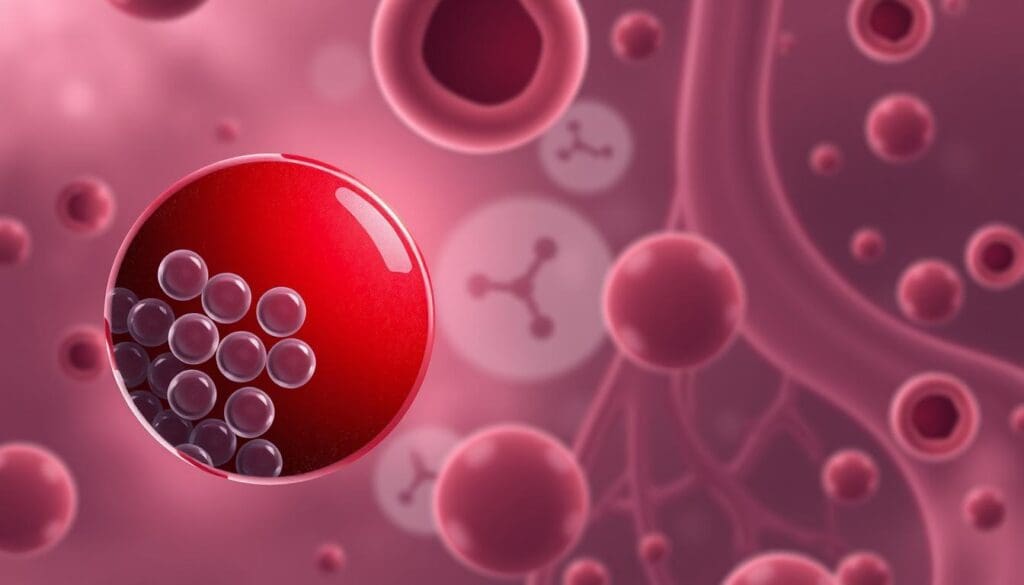
Chemotherapy’s Impact on Bone Marrow Function
Chemotherapy drugs kill or slow cancer cells. They also harm cells in the bone marrow, where platelets are made. This can lead to fewer platelets, known as thrombocytopenia.
Bone marrow suppression is a common side effect. It affects the production of blood cells, including platelets. The severity depends on the type and dose of drugs.
Mechanisms of Chemotherapy-Induced Thrombocytopenia
Thrombocytopenia happens when chemotherapy damages megakaryocytes in the bone marrow. These cells are key for making platelets. Without them, platelet counts drop.
“The risk of thrombocytopenia is a significant concern in cancer treatment, as it can lead to bleeding complications and may require adjustments to chemotherapy protocols.”
Which Chemotherapy Drugs Most Commonly Affect Platelets
Some chemotherapy drugs are more likely to lower platelet counts. These include:
- Alkylating agents, such as cyclophosphamide and ifosfamide
- Anthracyclines, such as doxorubicin
- Platinum-based drugs, such as cisplatin and carboplatin
The effect of these drugs on platelet production varies. Some patients may see bigger drops in platelet counts than others.
| Chemotherapy Drug Class | Examples | Impact on Platelet Count |
|---|---|---|
| Alkylating agents | Cyclophosphamide, Ifosfamide | High risk of thrombocytopenia |
| Anthracyclines | Doxorubicin | Moderate to high risk |
| Platinum-based drugs | Cisplatin, Carboplatin | Moderate risk |
What Is the Minimum Platelet Count for Chemotherapy
Knowing the minimum platelet count for chemotherapy is key for effective cancer treatment. Chemotherapy plans can differ a lot. The platelet count needed is a big factor in making sure the treatment is safe and works well.
Standard Threshold of 40-50 x 10^9/L for Most Protocols
The usual minimum platelet count for chemotherapy is between 40 to 50 x 10^9/L. This range is seen as a good balance. It helps avoid bleeding risks while allowing chemotherapy to go ahead. But, it’s important to remember this is just a general rule. Specific plans might need different counts.
Higher Thresholds for Specific Treatments and Procedures
Some chemotherapy plans and medical procedures need higher platelet counts. For example, very intense chemotherapy or surgeries might need counts over 50 x 10^9/L. Sometimes, even higher counts are needed. We help patients understand these needs and adjust their treatment plans.
How Minimum Requirements Vary by Cancer Type
The type of cancer also affects the minimum platelet count needed for chemotherapy. Different cancers have different treatment plans. Some plans are more aggressive and need higher counts. For instance, patients with blood cancers might need higher counts than those with solid tumors.
| Cancer Type | Typical Platelet Count Threshold (x 10^9/L) | Specific Considerations |
|---|---|---|
| Hematological Malignancies | 50-100 | Higher risk of bleeding due to disease nature |
| Solid Tumors | 40-50 | Standard chemotherapy protocols apply |
| High-Risk Surgical Procedures | >100 | To minimize perioperative bleeding risk |
By understanding these differences and working closely with our patients, we can customize chemotherapy plans. This way, we meet each patient’s needs while keeping risks low.
Risks of Low Platelets During Chemotherapy Treatment
Thrombocytopenia, or low platelet count, is a common side effect of chemotherapy. It can lead to bleeding risks. The bone marrow’s ability to produce platelets is often compromised during chemotherapy.
Bleeding Complications When Counts Fall Below 50 x 10^9/L
When platelet counts drop below 50 x 10^9/L, the risk of bleeding increases. Bleeding can range from minor bruising to life-threatening hemorrhages. Patients with counts below this threshold need close monitoring and often require interventions to prevent or manage bleeding.
The risk of bleeding is not just about the platelet count. It also depends on the patient’s overall health, other medical conditions, and the chemotherapy regimen.
Severity Scale of Thrombocytopenia in Cancer Care
Thrombocytopenia is graded based on the severity of the platelet count depression. The severity scale in cancer care is as follows:
- Mild: 75-150 x 10^9/L
- Moderate: 50-74 x 10^9/L
- Severe: 20-49 x 10^9/L
- Life-threatening:
Understanding this scale helps healthcare providers assess and manage the risk.
Early Warning Signs of Dangerous Platelet Depletion
Recognizing early warning signs of platelet depletion is key for timely intervention. Some signs include:
- Easy bruising or petechiae (small red spots on the skin)
- Nosebleeds or bleeding gums
- Prolonged bleeding from cuts or injuries
- Blood in the urine or stool
- Heavy menstrual periods
Patients should report these symptoms to their healthcare provider immediately. Early detection and management can significantly reduce serious bleeding risks.
By understanding the risks of low platelets during chemotherapy and recognizing early warning signs, patients and healthcare providers can manage these risks effectively.
Monitoring Protocols for Platelet Counts After Chemo
Healthcare providers watch platelet counts before and during chemotherapy closely. This is key to keeping patients safe and treatment effective.
Pre-Treatment Assessment Requirements
Before starting chemo, patients get a full blood count (CBC). This check is vital to set a baseline and spot any health issues that might affect treatment.
We do these blood tests a week before the first chemo session. The results help us understand the patient’s health and adjust the treatment plan to reduce risks.
Frequency of Blood Tests During Treatment Cycles
During chemo, we keep an eye on platelet counts with regular blood tests. How often we test depends on the treatment, the patient’s health, and how they’re doing.
Usually, we test blood before each chemo cycle to check platelet counts and other blood values. For some treatments, we might need to test more often to watch the patient’s health closely.
When Platelet Monitoring Becomes More Intensive
In some cases, we need to watch platelet counts even more closely. This is true if a patient’s platelet count drops a lot or they start bleeding. We might test blood more often to keep an eye on their health.
Patients on high-risk chemo or with a history of severe low platelet counts also need more frequent checks. This helps us quickly adjust their treatment if needed.
The table below shows how we usually monitor platelet counts during chemo:
| Monitoring Stage | Frequency of Blood Tests | Purpose |
|---|---|---|
| Pre-treatment | Within 1 week before first chemotherapy session | Establish baseline platelet count |
| During treatment | Before each chemotherapy cycle | Monitor changes in platelet count |
| Intensive monitoring | More frequently if platelet count drops or bleeding occurs | Respond to changes in patient condition |
Treatment Modifications for Low Platelet Count Chemo Patients
When chemotherapy patients have low platelet counts, changing treatment is key to avoid problems. Chemotherapy can lower platelet production, causing thrombocytopenia. Oncologists then adjust treatment to balance treatment effectiveness and low platelet risks.
Dose Reductions and Schedule Adjustments
To manage low platelet counts, we often change the treatment plan. This might mean lowering the chemotherapy dose to protect platelet production. This helps keep platelet counts safe while treating cancer effectively.
We might also change the chemotherapy schedule. Instead of the usual intervals, we might space out treatments. This helps prevent severe thrombocytopenia and bleeding risks.
Criteria for Delaying Chemotherapy Sessions
At times, we delay chemotherapy if platelet counts are too low. Decisions to delay are based on how low the count is and the patient’s health. For example, if the count drops below 50 x 10^9/L, we wait until it rises.
Delaying treatment is tough for patients, as it can extend treatment time. But it’s a safety measure to avoid serious bleeding.
Alternative Treatment Approaches
For severe or ongoing thrombocytopenia, we might try different treatments. This could mean switching to a chemotherapy that’s less harsh on platelets. We might also look into targeted therapy or immunotherapy, depending on the cancer type and stage.
We tailor treatment plans to each patient’s needs and health. This way, we aim to treat cancer effectively while reducing low platelet risks.
Interventions for Low Platelets Following Chemo
Chemotherapy can lower platelet counts, making it hard to stop bleeding. Doctors use different ways to keep patients safe and prevent bleeding.
Platelet Transfusions: When They’re Necessary
When platelet counts get too low, doctors might give platelet transfusions. This is when they add platelets to the blood to raise the count.
Guidelines say to transfuse platelets if counts are below 20,000/mm^3 or if there’s a lot of bleeding. Prophylactic transfusions help prevent bleeding in high-risk patients. Therapeutic transfusions stop bleeding that’s happening.
“Platelet transfusions can be lifesaving in cases of severe thrombocytopenia, but they should be used judiciously due to possible risks and limited availability.”
| Platelet Count (mm^3) | Clinical Action | Rationale |
|---|---|---|
| >50,000 | Monitor | Generally considered safe for most procedures |
| 20,000-50,000 | Consider transfusion for procedures or bleeding | Risk of bleeding with invasive procedures |
| Prophylactic transfusion often recommended | High risk of spontaneous bleeding |
Thrombopoietin Receptor Agonists
Thrombopoietin receptor agonists (TPO-RAs) help make more platelets in the bone marrow. They work like thrombopoietin, a hormone that helps make platelets.
TPO-RAs help manage low platelet counts from chemo. They can raise platelet counts, reducing the need for transfusions and treatment delays.
Supportive Care Measures to Prevent Bleeding
Supportive care is also key to prevent bleeding. Patients with low platelets should avoid injuries and take steps to prevent bleeding.
- Avoid activities that may cause trauma or injury
- Use soft-bristled toothbrushes to prevent gum bleeding
- Avoid NSAIDs and other medications that may increase bleeding risk
- Use electric razors instead of straight razors
By using these care steps and medical treatments like transfusions and TPO-RAs, doctors can manage low platelet counts. This helps reduce bleeding risks after chemo.
Recovery Timeline for Low Platelets After Chemotherapy
The time it takes for platelet counts to recover after chemotherapy varies. This depends on the type of chemotherapy and the patient’s health. Knowing this timeline helps manage patient expectations and spot any issues early.
Typical Pattern of Platelet Recovery
Platelet counts usually follow a pattern after chemotherapy. They drop significantly at first because of the treatment’s effect on bone marrow. But, once treatment ends, platelet production starts again, and counts go up.
Here’s what we can expect:
- Platelet counts hit their lowest point (nadir) 7-14 days after treatment.
- Recovery starts soon after, with counts slowly increasing.
- In most cases, counts return to normal in 2-4 weeks after treatment, but it can vary.
Factors That Influence Recovery Speed
Several factors can affect how fast platelet counts recover after chemotherapy. These include:
- Type and intensity of chemotherapy: More intense treatments can lead to longer recovery times.
- Patient’s overall health: Patients with health issues may recover slower.
- Age: Older patients might have slower recovery due to reduced bone marrow.
- Nutritional status: Good nutrition is key for healthy bone marrow and platelet production.
When to Be Concerned About Delayed Recovery
While some variation in recovery time is normal, delayed recovery can be a concern. It’s important to watch platelet counts closely. Seek medical help if:
- Platelet counts stay low for more than 4-6 weeks.
- You notice signs of bleeding or bruising.
- You get infections or other complications during recovery.
If you’re experiencing these symptoms or have concerns about your platelet recovery, talk to your healthcare provider. They can evaluate your situation and guide you on what to do next.
Conclusion
It’s key to understand and manage platelet counts during chemotherapy. This is vital for patient safety and the best treatment results. At Liv Hospital, we watch platelet counts closely to lower the risks of low platelets.
We offer top-notch healthcare to international patients getting chemotherapy. Our goal is to follow the latest medical guidelines and keep patients safe. This way, we aim to give our patients the best care possible.
Managing platelet counts well is a big part of chemotherapy care. Our team keeps a close eye on patients’ platelet levels. If needed, we adjust treatment plans to keep counts safe and avoid problems. This careful approach helps us give our patients the best care and support during their treatment.
FAQ
What is the normal platelet count range?
The normal range is between 150 to 450 billion platelets per liter of blood.
What is considered a low platelet count during chemotherapy?
A count under 100 billion per liter is low during chemotherapy. This is called thrombocytopenia.
What is the minimum platelet count required for chemotherapy?
The minimum count needed varies. But, 40-50 x 10^9/L is often the standard for most treatments.
How does chemotherapy affect platelet production?
Chemotherapy can harm platelet production. It affects the bone marrow, leading to lower counts.
What are the risks of having a low platelet count during chemotherapy?
Low counts can lead to serious bleeding risks. This is more likely when counts drop below 50 x 10^9/L.
How often are blood tests required during chemotherapy treatment cycles?
Blood tests are needed often during treatment. They help check platelet counts and adjust treatment as needed.
What modifications can be made to chemotherapy treatment for patients with low platelet counts?
To manage low counts, treatment can be adjusted. This includes reducing doses or changing schedules.
What interventions are available for managing low platelet counts following chemotherapy?
Options include platelet transfusions and thrombopoietin receptor agonists. Supportive care also helps prevent bleeding.
How long does it take for platelet counts to recover after chemotherapy?
Platelet counts usually start to recover a few weeks after treatment ends.
What factors influence the speed of platelet count recovery after chemotherapy?
Recovery speed depends on the chemotherapy type and dose. Health and any underlying conditions also play a role.
When should I be concerned about delayed recovery of platelet counts after chemotherapy?
Be concerned if counts don’t recover as expected. Or if you see signs of severe thrombocytopenia. Talk to your healthcare provider.
Can chemotherapy be delayed due to low platelet counts?
Yes, treatment can be delayed if counts are too low. This is to avoid bleeding risks.
What supportive care measures can help prevent bleeding in patients with low platelet counts?
To prevent bleeding, avoid injuries and use soft-bristled toothbrushes. Be careful with sharp objects.
Reference Links
- Chemotherapy‑induced thrombocytopenia: What to Know
https://www.medicalnewstoday.com/articles/chemotherapy-induced-thrombocytopenia
*Discusses typical platelet thresholds (e.g. 70×10⁹/L) considered for safe chemo. *Medical News Today - ASCO Guideline: Platelet Transfusion for Patients With Cancer
https://ascopubs.org/doi/full/10.1200/jco.2017.76.1734
*Gives guidance on bleeding risk, platelet transfusion thresholds (<10×10⁹/L) in patients receiving chemotherapy. *ascopubs.org - Management of chemotherapy‑induced thrombocytopenia: guidance from the ISTH
https://www.jthjournal.org/article/S1538-7836%2823%2900734-1/fulltext
*Recommends transfusion support thresholds and considerations in chemotherapy‑induced thrombocytopenia. *jthjournal.org - Treatment of chemotherapy‑induced thrombocytopenia in non‑hematologic malignancies
https://pubmed.ncbi.nlm.nih.gov/35642485/
*Explains challenges when platelet counts fall <70×10⁹/L during chemo and clinical implications. *PubMed - Efficacy and safety of treatments in chemotherapy‑induced thrombocytopenia: Systematic review https://pubmed.ncbi.nlm.nih.gov/40766766/ Compares various therapies (e.g. TPO receptor agonists) used when platelet counts are low. *PubMed