
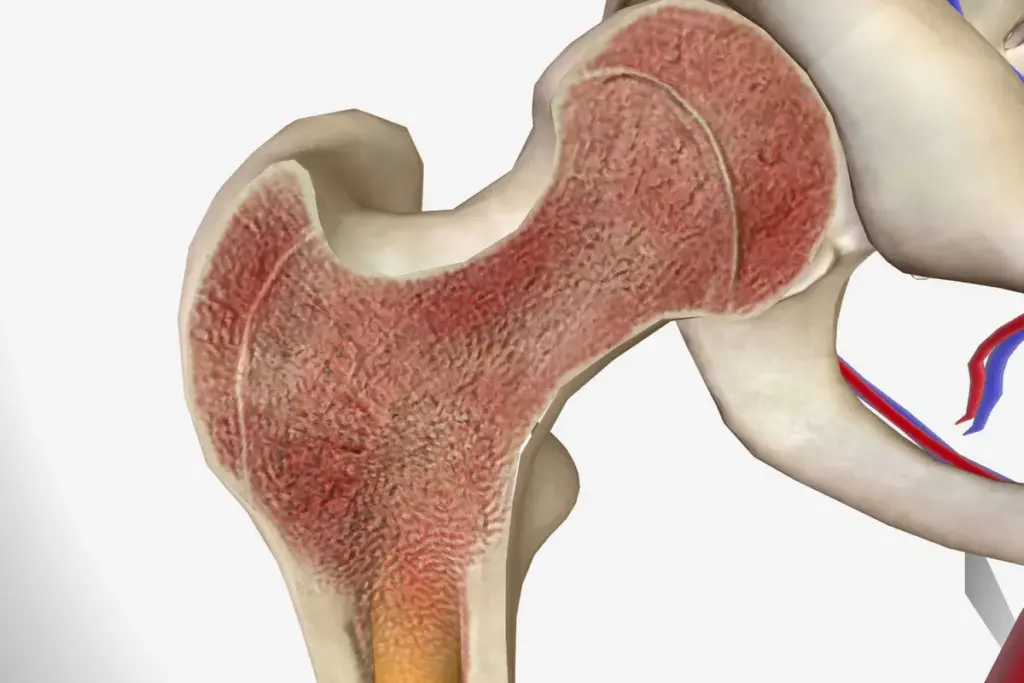
Multiple myeloma often starts quietly, with symptoms that seem like other common issues. We’ll look into how this cancer begins in the bone marrow. Here, abnormal plasma cells make harmful immunoglobulins.multiple myeloma symptomsMultiple Myeloma Symptoms: Positive Curability Hope
Knowing the first signs is key for early diagnosis and better treatment. Spotting multiple myeloma early is hard because its symptoms can look like normal aging or common illnesses. For more on multiple myeloma awareness, check out .
Key Takeaways
- Multiple myeloma begins in the bone marrow.
- Early symptoms can be vague and similar to those of common conditions.
- Understanding the earliest warning signs is key for early diagnosis.
- Abnormal plasma cells produce dysfunctional immunoglobulins.
- Early detection is key to better outcomes.
Understanding Multiple Myeloma: An Overview

Multiple myeloma is a cancer where plasma cells grow too much in the bone marrow. This disrupts blood cell production and causes health problems.
To grasp multiple myeloma, knowing its definition and body effects is key. It’s also called plasma cell myeloma or myeloma. It’s a bone marrow cancer that harms bones, kidneys, and blood cell making.
What is Multiple Myeloma?
Multiple myeloma happens when plasma cells in the bone marrow turn cancerous and grow too much. Plasma cells usually fight infections by making antibodies. But in myeloma, they make bad proteins that harm organs.
For more info on multiple myeloma, check out website. It has lots of resources on the disease.
How Multiple Myeloma Affects the Body
Multiple myeloma impacts the body in many ways. It can cause:
- Bone destruction and osteoporosis
- Hypercalcemia from bone breakdown
- Renal failure from abnormal proteins
- Anemia and other blood cell shortages
Knowing these effects is vital for managing the disease. Early detection and right treatment can greatly improve life quality for myeloma patients.
Why Early Detection of Multiple Myeloma Matters
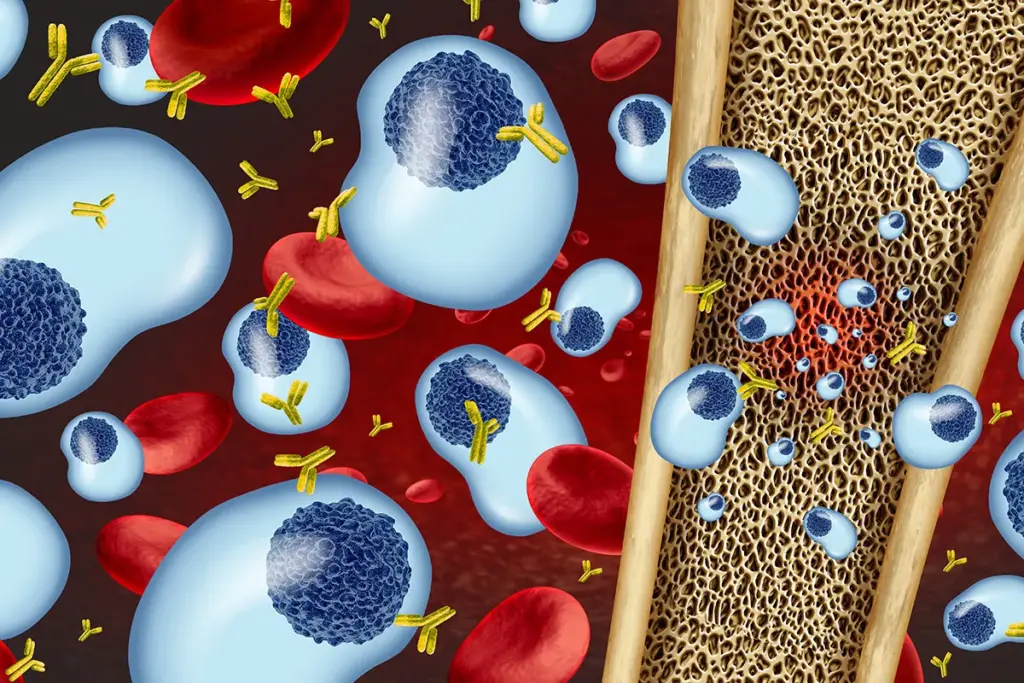
Finding multiple myeloma early is key to better treatment and life quality. Early diagnosis means better management and possibly better results.
Impact on Treatment Outcomes
Early detection leads to better treatment plans. Early intervention helps manage symptoms and lowers complication risks. It also boosts survival chances.
Early detection offers many benefits:
- More effective treatments
- Less risk of serious problems like bone fractures and kidney failure
- Improved life quality thanks to timely symptom management
Challenges in Early Diagnosis
Diagnosing multiple myeloma early is tough. Symptoms can look like other diseases, making it hard to spot and treat quickly. Delayed diagnosis can cause a lot of suffering and problems.
Some early diagnosis hurdles are:
- Non-specific symptoms that can be mistaken for other conditions
- Not enough knowledge among patients and doctors
- Not enough access to tests in some places
To tackle these issues, we need education, awareness, and better test access. Understanding the value of early detection and the hurdles it faces helps us improve care for multiple myeloma patients.
Multiple Myeloma Symptoms: The Complete Guide
Knowing the symptoms of multiple myeloma is key for early detection and treatment. This blood cancer grows in the bone marrow, causing various symptoms. These symptoms can be hard to spot because they’re similar to other illnesses.
We’ll look at the main symptoms of multiple myeloma from a 2020 study. We’ll see how these symptoms start and get worse. Spotting them early can greatly improve treatment results and quality of life.
Primary Symptoms Based on 2020 Prospective Study
A 2020 study found several main symptoms of multiple myeloma. These include:
- Persistent bone pain, often in the back, ribs, or hips, due to bone damage.
- Unexplained fatigue and weakness, which can be severe and debilitating.
- Anemia, leading to shortness of breath and pallor.
- Unexplained weight loss, a common symptom in many cancers, including multiple myeloma.
- Night sweats, which can be a systemic symptom indicating advanced disease.
- Recurrent infections, as multiple myeloma compromises the immune system.
A leading hematologist said,
“Early recognition of these symptoms is critical for timely diagnosis and intervention, which can significantly improve patient outcomes.”
How Symptoms Develop and Progress
The symptoms of multiple myeloma get worse as the disease grows. At first, symptoms might be mild but get more severe over time. For example, bone pain may start as a slight ache and become very painful as the bone damage gets worse.
Fatigue and weakness also get worse as anemia gets more severe. This is because the bone marrow can’t make enough healthy blood cells. Knowing how symptoms progress helps manage the disease better and improve patient life quality.
It is crucial to understand these symptoms and seek medical help if they persist or worsen. Early treatment can greatly improve managing multiple myeloma.
When Common Ailments May Be Something More Serious
Multiple myeloma symptoms can be mistaken for signs of aging or other common conditions. This makes early detection hard. It can lead to delays in diagnosis and treatment, which can harm patient outcomes.
How Myeloma Mimics Aging and Common Conditions
The symptoms of multiple myeloma are often not specific. They can look like signs of aging or other common health issues. For example, fatigue, bone pain, and changes in blood counts can have many causes, not just myeloma. “It’s important to know when these symptoms might mean something serious.”
As people get older, they might feel back pain or general tiredness. These symptoms are often seen as part of aging. “A big challenge is figuring out if these symptoms are just age-related or if they’re from something more serious like myeloma.”
The Danger of Symptom Dismissal
Ignoring symptoms as minor or not serious can be dangerous. When patients and doctors think myeloma symptoms are from less severe conditions, it can delay diagnosis. This can make the prognosis worse.
“It’s vital to spot myeloma symptoms early for timely treatment.” Knowing how myeloma can look like other ailments helps patients seek medical help when they have persistent or worrying symptoms.
“The key to better outcomes in multiple myeloma is early detection and treatment. We must be careful to notice signs that something is wrong, even if they seem like usual complaints.”
Being aware of how myeloma can mimic other conditions helps both patients and healthcare providers. This way, symptoms are checked thoroughly. This leads to quicker and more effective care.
Bone Pain: The Most Frequent Early Warning Sign
Bone pain in the back, pelvis, ribs, and femur is a common early sign of multiple myeloma. About 85% of people with this disease have bone damage, often in the spine, pelvis, or ribs. Knowing about myeloma-related bone pain is key for early detection and treatment.
Characteristics of Myeloma-Related Bone Pain
Myeloma-related bone pain can be intense and feels like a constant ache or sharp pain. It usually gets worse with movement and feels better when you rest. This pain is different from arthritis pain, which is more widespread and activity-related.
Common Locations: Back, Pelvis, Ribs, and Femur
The bones most affected by multiple myeloma are those with lots of bone marrow. This includes the:
- Spine (back)
- Pelvis
- Ribs
- Femur (thigh bone)
These areas are more likely to be damaged because of the high bone marrow activity. Myeloma cells gather here and cause bone destruction.
Distinguishing from Arthritis and Other Causes
Telling myeloma-related bone pain from arthritis can be tricky. But, there are clues. Myeloma pain is usually more focused and can be very severe, even when you’re not moving. Here’s a comparison to help understand the difference:
|
Characteristics |
Myeloma-Related Bone Pain |
Arthritis-Related Pain |
|---|---|---|
|
Location |
Localized to specific bones (e.g., spine, pelvis) |
Typically affects joints |
|
Pain at Rest |
Common |
Less common |
|
Severity |
Can be severe |
Varies, often related to activity |
For more info on recognizing multiple myeloma symptoms, check out on the topic.
Fatigue and Weakness: Beyond Normal Tiredness
Fatigue and weakness in multiple myeloma patients are more than just feeling tired. They are complex symptoms that affect the body’s functions. These symptoms are a sign of how the disease impacts the body.
Myeloma-Related Fatigue vs. Everyday Exhaustion
It’s important to tell the difference between normal tiredness and myeloma-related fatigue. Normal tiredness can be fixed with rest. But myeloma-related fatigue keeps going and makes daily tasks hard. This fatigue shows the body is losing energy to the disease.
Normal tiredness can be helped by resting and changing your lifestyle. But myeloma-related fatigue is deeper and needs more attention. It’s a sign that something more is going on.
Connection to Anemia and Bone Marrow Function
Anemia is a big reason for fatigue in multiple myeloma patients. Anemia is common in multiple myeloma because the disease harms the bone marrow. The bone marrow makes blood cells, and myeloma can reduce healthy red blood cells.
Anemia makes the body weak and tired because it doesn’t get enough oxygen. Knowing this helps doctors find the cause of fatigue in myeloma patients.
In summary, fatigue and weakness in multiple myeloma are signs of the disease’s effect on the body. It’s key to tell these symptoms apart from normal tiredness to get the right treatment.
Anemia and Related Symptoms in Early Myeloma
In multiple myeloma, anemia is a big concern. It can really affect a patient’s life, causing many symptoms. We’ll look at how anemia and myeloma are linked, and how to spot its signs and causes.
Recognizing Anemia: Shortness of Breath and Pallor
Anemia in myeloma patients shows up in a few key ways. Shortness of breath happens because the body can’t get enough oxygen. This is due to not enough red blood cells. Another sign is pallor, or paleness, from fewer red blood cells in the body. These symptoms can really impact a patient’s life and health.
Why Myeloma Causes Blood Cell Deficiencies
Multiple myeloma messes with blood cell production in the bone marrow. The bad plasma cells take over, leaving less room for healthy cells. This leads to anemia. Knowing this helps doctors diagnose and treat anemia in myeloma patients. It shows how myeloma affects the body’s blood-making system.
Unexplained Weight Loss and Night Sweats
Unexplained weight loss and night sweats can be early signs of multiple myeloma. These symptoms might seem unrelated but are important. They can be missed or thought of as other issues, so it’s key to know their importance.
The Significance of Unintentional Weight Loss
Many cancers, including multiple myeloma, cause unintentional weight loss. This happens because the body’s metabolism speeds up to fight the disease. In multiple myeloma, the growth of cancer cells in the bone marrow affects metabolism.
Here are some important facts about unintentional weight loss:
|
Symptom |
Prevalence in Multiple Myeloma Patients |
Possible Causes |
|---|---|---|
|
Unintentional Weight Loss |
Approximately 70% |
Increased metabolic rate, cytokine production |
|
Night Sweats |
About 20-30% |
Systemic inflammation, cytokine release |
Night Sweats as a Systemic Symptom
Night sweats are a symptom linked to multiple myeloma. They happen due to the body’s fight against cancer. The exact reason is not clear, but cytokines from cancer cells might cause fever and sweating.
Spotting these symptoms early is vital for early diagnosis and treatment. If you or someone you know has unexplained weight loss or night sweats, see a doctor.
Recurrent Infections: An Overlooked Warning Sign
Infections that keep coming back can be more than just a nuisance. They might be a sign of an underlying condition like multiple myeloma. Patients with multiple myeloma are at an increased risk of infections due to compromised immune function.
Types of Infections Common in Myeloma Patients
Myeloma patients often experience recurrent infections, like those affecting the respiratory tract, such as pneumonia. These infections can be severe and may require hospitalization. The most common types of infections include bacterial pneumonia, urinary tract infections, and sepsis.
How Myeloma Compromises Immune Function
Multiple myeloma affects the bone marrow’s ability to produce normal antibodies and blood cells. The disease leads to the production of abnormal plasma cells. These abnormal cells crowd out healthy cells in the bone marrow, impairing immune function. This makes patients more susceptible to infections.
Asnotes, “The immune system’s dysfunction in multiple myeloma patients is a critical factor in their increased susceptibility to infections.” We must understand this connection to provide appropriate care.
Kidney Problems as Early Indicators
Kidney issues are a key early sign of multiple myeloma. They can greatly affect how well a patient does. Kidney damage is common in those with light chain myeloma. We’ll look at the signs of kidney problems and how myeloma affects the kidneys.
Symptoms of Kidney Dysfunction
Kidney issues in multiple myeloma show up in different ways. These include:
- Swelling in the legs, feet, or ankles due to fluid retention
- Changes in urination patterns, such as increased frequency or decreased output
- Fatigue and weakness, partly due to the buildup of toxins
- High blood pressure, which can further strain kidney function
The Myeloma-Kidney Connection
The link between multiple myeloma and kidney damage is complex. Myeloma proteins can harm kidney cells. The disease can also cause high calcium levels, which hurt the kidneys even more. Knowing about this connection is key for catching and treating the disease early.
The table below highlights important points about kidney issues in multiple myeloma:
|
Symptom |
Description |
Clinical Implication |
|---|---|---|
|
Swelling |
Fluid retention causing edema |
Indicates kidney failure to filter waste |
|
Urination Changes |
Frequency or output changes |
Signals kidney dysfunction |
|
Fatigue & Weakness |
Toxin buildup due to reduced kidney function |
Reflects severity of kidney impairment |
In summary, kidney problems are a major early sign of multiple myeloma. Spotting the signs of kidney issues and understanding the myeloma-kidney link can help diagnose the disease sooner. This could lead to better outcomes for patients.
Precursor Conditions: MGUS and Smoldering Myeloma
The path to multiple myeloma often starts with MGUS and smoldering myeloma. These early stages show abnormal plasma cells in the bone marrow. They can lead to multiple myeloma if not caught early.
Understanding MGUS in Adults Over 50
MGUS, or monoclonal gammopathy of undetermined significance, affects many over 50. It shows up as an abnormal protein in the blood. We’ll look at what MGUS means and its risk of turning into multiple myeloma.
MGUS often doesn’t show symptoms and is found by chance during blood tests. Knowing the risk of it turning into multiple myeloma is key to managing it.
Smoldering Multiple Myeloma: The In-Between Stage
Smoldering multiple myeloma is a stage between MGUS and active myeloma. It has more M-protein and bone marrow involvement than MGUS. Yet, it doesn’t have the symptoms or damage of active myeloma.
Those with smoldering myeloma are at a higher risk of moving to active myeloma than MGUS patients. Managing smoldering myeloma means watching closely and sometimes starting treatment early.
Progression Rates and Risk Factors
MGUS and smoldering myeloma both have a chance of turning into multiple myeloma. But the rates and what increases the risk are different. Knowing these helps tailor care and follow-up.
|
Condition |
Progression Rate to Myeloma |
Key Risk Factors |
|---|---|---|
|
MGUS |
1% per year |
M-protein level, type of M-protein |
|
Smoldering Myeloma |
10% per year for the first 5 years |
Extent of bone marrow involvement, M-protein level |
It’s important to understand MGUS and smoldering myeloma to catch multiple myeloma early. By knowing the risks and watching these conditions, we can act fast and improve results.
The Diagnostic Timeline: Why Myeloma Detection Is Often Delayed
Understanding the timeline for diagnosing multiple myeloma is key for both patients and doctors. The journey from first symptoms to diagnosis is complex. It involves several stages.
From First Symptoms to Doctor Visit
The first step is noticing symptoms and deciding to see a doctor. Studies show it takes about 163 days from the first symptoms to getting a diagnosis. This time can change a lot based on how bad the symptoms are and how aware someone is of their health.
During this time, people might feel bone pain, get tired easily, or keep getting sick. These symptoms are not specific, making it hard for people to know if they should see a doctor.
From Doctor Visit to Diagnosis
After deciding to see a doctor, the next step is doing tests and evaluations. This part can take a while because many tests are needed. These include blood tests, imaging studies, and bone marrow biopsies.
Diagnosing multiple myeloma is tricky because it can look like other diseases. Doctors need to use a comprehensive diagnostic approach to make sure they get it right.
|
Diagnostic Step |
Typical Findings |
|---|---|
|
Blood Tests |
Anemia, elevated calcium levels, abnormal protein levels |
|
Imaging Studies |
Bone lesions, vertebral fractures |
|
Bone Marrow Biopsy |
Presence of plasma cells, assessment of disease burden |
The Importance of Persistence with Healthcare Providers
Because diagnosing multiple myeloma is hard, persistence with healthcare providers is very important. Patients should ask for explanations for their symptoms and ask for more tests if their symptoms don’t go away or get worse.
Doctors also need to be careful and think of multiple myeloma when they see certain symptoms or risk factors. By working together, patients and doctors can get through the diagnostic process faster and get a diagnosis sooner.
Advanced Diagnostic Methods for Multiple Myeloma
Diagnosing multiple myeloma has gotten better with new methods. We can now find this disease earlier and more accurately than before.
The MM-like Genomic Score and 17 Key Genetic Changes
The “MM-like genomic score” is a big step forward in diagnosing multiple myeloma. It’s based on 17 genetic changes linked to the disease. This score helps find patients at high risk of multiple myeloma, so they can get help early.
The 17 genetic changes include mutations and translocations typical of multiple myeloma. By looking at these changes, doctors can see how likely the disease will get worse. They can then plan the best treatment.
Blood Tests and Biomarkers
Blood tests are key in diagnosing multiple myeloma. Biomarkers like M-protein and free light chains show if the disease is present. If these biomarkers are high, it means multiple myeloma might be there.
- Serum protein electrophoresis (SPEP) to detect M-protein
- Urine protein electrophoresis (UPEP) to detect Bence Jones proteins
- Serum free light chain assay to measure kappa and lambda light chains
These tests help doctors diagnose multiple myeloma and track how it’s doing.
Imaging and Bone Marrow Testing
Imaging like PET/CT scans and MRI shows how much bone damage there is. Bone marrow biopsy and aspiration are also key for diagnosing. They let doctors check bone marrow cells for cancer.
Using these advanced methods, doctors can accurately diagnose multiple myeloma. They can then create good treatment plans.
Risk Factors: Who Should Be Extra Vigilant
Understanding the risk factors for multiple myeloma is key. Age, family history, and other factors play a role. Knowing these can help spot who needs to watch their health closely.
Age and Demographic Considerations
Age is a big risk factor for multiple myeloma. Most cases happen in people over 65. The American Cancer Society says the average age at diagnosis is 69 for men and 70 for women.
Men are slightly more likely to get it than women. African Americans face a higher risk than others.
|
Demographic |
Risk Level |
|---|---|
|
Age > 65 |
High |
|
Male |
Moderate |
|
African American |
High |
Family History and Genetic Factors
A family history of multiple myeloma or MGUS raises your risk. Genetic issues, like those on chromosome 14, also increase your risk.
“Having a first-degree relative (parent, child, or sibling) with multiple myeloma or MGUS may double an individual’s risk of developing the disease.”- Journal of Clinical Oncology
Environmental and Lifestyle Factors
Some toxins and radiation raise your risk of multiple myeloma. Agent Orange exposure, for example, increases your risk. Pesticides, metals, and radiation therapy also pose risks.
Knowing these risk factors helps spot early signs of multiple myeloma. This can lead to quicker diagnosis and treatment.
When to See a Doctor: Creating a Symptoms Checklist
Knowing when to see a doctor is key for catching multiple myeloma early. We’ll show you how to make a symptoms checklist. You’ll learn to spot red flags and track your symptoms well.
Red Flags That Warrant Immediate Medical Attention
Some symptoms mean you need to see a doctor right away. These include:
- Severe bone pain that doesn’t get better or gets worse
- Unexplained weight loss, which is a big deal
- Recurring infections or fever without a clear reason
- Fatigue or weakness that makes daily tasks hard
- Shortness of breath or looking pale, signs of anemia
Tracking Your Symptoms Effectively
Writing down your symptoms can help doctors diagnose multiple myeloma better. Here’s what to do when tracking your symptoms:
|
Symptom |
Date Started |
Severity (1-10) |
|---|---|---|
|
Bone Pain |
02/01/2023 |
6 |
|
Fatigue |
01/15/2023 |
8 |
|
Weight Loss |
12/01/2022 |
– |
By keeping a close eye on your symptoms, you help your doctor. This makes diagnosing and planning treatment easier.
Conclusion: Taking Action on Multiple Myeloma Warning Signs
Spotting the early signs of multiple myeloma is key to getting the right treatment on time. We’ve looked at the symptoms and risk factors of this disease. Knowing these signs helps people act fast, which can greatly improve their health and life quality.
Spotting multiple myeloma early can really change how well treatment works. Knowing signs like bone pain, tiredness, low blood count, and frequent infections helps people see a doctor quickly. We urge everyone to watch their health closely and report any signs of multiple myeloma.
Acting on warning signs for multiple myeloma means staying informed and proactive. This approach helps get a diagnosis and treatment sooner. It boosts the chances of better health outcomes. Stay alert and take charge of your health by knowing the important signs.
FAQ
What is multiple myeloma?
Multiple myeloma is a blood cancer. It happens when bad plasma cells grow in the bone marrow. This causes bone damage, anemia, and a higher risk of infections.
What are the early warning signs of multiple myeloma?
Signs of multiple myeloma include bone pain and fatigue. You might also feel weak, have anemia, or lose weight without reason. Night sweats and frequent infections are other signs.
How is multiple myeloma diagnosed?
Doctors use blood tests and a bone marrow biopsy to diagnose it. They also do X-rays, MRI, or PET scans. These tests check for bone damage and abnormal proteins.
What is MGUS, and how is it related to multiple myeloma?
MGUS is a condition before multiple myeloma. It has abnormal proteins in the blood. People with MGUS are more likely to get multiple myeloma.
What are the risk factors for developing multiple myeloma?
Risk factors include age and family history. Genetics, chemicals, and radiation exposure also play a part. Knowing these can help spot who’s at higher risk.
How can I track my symptoms effectively?
Keep a symptom journal. Write down your symptoms, how bad they are, and for how long. This helps when talking to your doctor.
When should I see a doctor for symptoms that may be related to multiple myeloma?
See a doctor for symptoms like bone pain, fatigue, or unexplained weight loss. Early diagnosis is key to managing the disease.
What is smoldering multiple myeloma?
Smoldering multiple myeloma is a stage between MGUS and active myeloma. It has more abnormal proteins and a higher risk of turning into active myeloma.
How does multiple myeloma affect the kidneys?
It can damage the kidneys by producing harmful proteins. This leads to swelling, fatigue, and changes in urination.
What is the significance of unexplained weight loss in multiple myeloma?
Unexplained weight loss is a big sign of multiple myeloma. It means there’s a serious issue that needs medical attention.
How does multiple myeloma compromise immune function?
It weakens the immune system by reducing normal antibodies. This makes patients more likely to get infections.
References
National Center for Biotechnology Information. Evidence-Based Medical Insight. Retrieved from https://pubmed.ncbi.nlm.nih.gov/



 Departments
 Related Videos
 Our Doctors
 News
News