Adult stem cells play an important role in healing, but they also come with significant drawbacks. Negatives of adult stem cells
Limitations of adult stem cells include their limited ability to turn into different cell types. This makes them less flexible than other stem cells.
Getting and growing adult stem cells can be tough. This might make them less effective in stem cell treatment.
Key Takeaways
- Adult stem cells have limited differentiation ability.
- The process of getting and growing them is hard.
- These issues might make stem cell treatment less effective.
- It’s important to know these negatives when thinking about stem cell therapy.
Understanding Adult Stem Cells
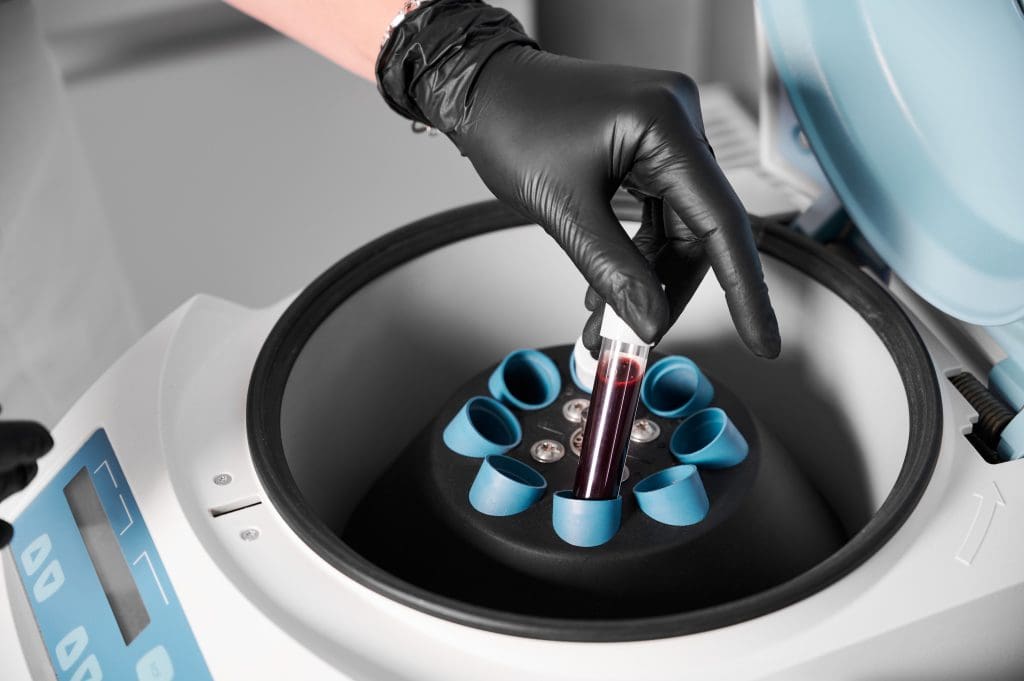
Adult stem cells are vital for fixing and keeping tissues healthy. They are found in adult bodies and help with repair and growth. Knowing about them helps us see their uses and limits in medicine.
Definition and Types of Adult Stem Cells
Adult stem cells are tissue-specific stem cells. They can turn into different cell types but not as many as embryonic stem cells. The main types are:
- Mesenchymal stem cells
- Hematopoietic stem cells
- Epithelial stem cells
These cells are key for fixing and growing tissues. For example, hematopoietic stem cells make blood cells. Mesenchymal stem cells can become many types of cells, like bone and fat cells.
| Type of Adult Stem Cell | Differentiation Ability | Examples of Cell Types |
| Mesenchymal Stem Cells | Multipotent | Osteoblasts, Chondrocytes, Adipocytes |
| Hematopoietic Stem Cells | Multipotent | Blood Cells (Red Blood Cells, White Blood Cells, Platelets) |
| Epithelial Stem Cells | Unipotent/Multipotent | Epithelial Cells (Skin, Gut, etc.) |
How Adult Stem Cells Differ from Other Stem Cell Types
Adult stem cells are different from embryonic stem cells and induced pluripotent stem cells (iPSCs). They can’t turn into as many cell types as embryonic stem cells. But, they are easier to get and don’t raise the same ethical issues.
Unlike iPSCs, which are made in labs, adult stem cells are naturally found in our bodies. This makes them special for certain medical uses but also has its own set of challenges.
The Role of Adult Stem Cells in Modern Medicine
Modern medicine is changing fast with adult stem cells. These cells are used in many treatments. They help with blood disorders and fixing damaged tissues.
Current Applications in Clinical Settings
Adult stem cells are used in many ways. They are key in hematopoietic stem cell transplantation. This method helps treat cancers and blood issues. The American Cancer Society says it’s a big part of cancer treatment.
They also help in fixing damaged tissues. For example, they’re being looked at for healing heart damage and wounds. Below is a table showing where adult stem cells are used today.
| Application | Description | Stem Cell Type |
| Hematopoietic Stem Cell Transplantation | Treatment for cancers and blood disorders | Hematopoietic Stem Cells |
| Tissue Repair | Repairing damaged tissues and promoting wound healing | Mesenchymal Stem Cells |
| Orthopedic Treatments | Treatments for bone and cartilage repair | Mesenchymal Stem Cells |
Potential Future Applications
The future of adult stem cells in medicine looks bright. They could help fix or replace damaged tissues and organs. This could treat diseases like Parkinson’s and diabetes.
They might also be used in gene therapy. This means delivering genes to fix genetic problems. It could lead to new ways to treat genetic diseases.
As research goes on, adult stem cells will play an even bigger role. They will offer new treatments for many health issues.
Limited Differentiation: A Major Drawback
Adult stem cells have a big limitation: they can’t turn into many different cell types. They are multipotent, which means they can become a few cell types. But they can’t become as many types as pluripotent stem cells can.
Multipotent vs. Pluripotent Capabilities
Adult stem cells are mostly multipotent. This means they can turn into several cell types, but only in their specific tissue or organ. For example, mesenchymal stem cells can become bone cells, cartilage cells, and fat cells. But, pluripotent stem cells, like embryonic stem cells, can turn into any cell type in the body.
The difference between multipotency and pluripotency is key. Multipotency lets adult stem cells turn into many cell types, but not as many as pluripotent stem cells. This limits their use in medicine.
| Stem Cell Type | Differentiation Ability | Examples |
| Multipotent Stem Cells | Limited to specific cell types within a tissue or organ | Mesenchymal stem cells (osteoblasts, chondrocytes, adipocytes) |
| Pluripotent Stem Cells | Can differentiate into any cell type in the body | Embryonic stem cells |
Tissue-Specific Limitations
Adult stem cells are often specific to certain tissues. For example, hematopoietic stem cells are mainly in bone marrow and make blood cells. This limits their use in medicine.
The limited ability of adult stem cells to change into different cells is a big challenge. It’s important to understand this when using them for medical treatments. This knowledge helps in making stem cell therapies work better.
Challenges in Isolation and Cultivation
Isolating and growing adult stem cells is hard. They are rare and need special conditions. Getting them from the body is a big challenge.
Difficulty in Extracting Sufficient Quantities
Getting enough adult stem cells is a big problem. It takes invasive methods and often yields very few cells. The National Institutes of Health says it’s hard to get them because they are rare and need special labs.
Key Challenges in Extraction:
- Limited availability of adult stem cells in tissues.
- Invasive procedures required for extraction.
- Low yield of stem cells post-extraction.
Laboratory Cultivation Challenges
After getting them, adult stem cells need a lab that feels like home. This lab needs special tools and people who know what they’re doing. The cells are very sensitive to their environment.
| Cultivation Challenge | Description |
| Maintaining Sterility | Preventing contamination during the cultivation process. |
| Nutrient Supply | Providing the necessary nutrients for cell growth. |
| Environmental Conditions | Maintaining optimal temperature, humidity, and CO2 levels. |
Experts say growing adult stem cells needs a lot of knowledge. It’s a complex task that shows we need more research in stem cell tech.
“The ability to efficiently isolate and cultivate adult stem cells is key for improving stem cell therapies. It’s important for regenerative medicine.”
Stem Cell Therapy Limitations with Adult Stem Cells
Adult stem cell therapy has made big strides, but it faces some big challenges. These cells are key in regenerative medicine, helping treat many diseases. Yet, their use is limited by several factors.
Reduced Therapeutic Range Compared to Other Stem Cell Types
Adult stem cells can’t treat as many conditions as other stem cells. This is because they are multipotent, meaning they can only turn into a few cell types. In contrast, embryonic stem cells are pluripotent, turning into almost any cell type.
Adult stem cells are mainly used for repairing damaged tissues. This includes treatments for bones and heart issues. But, their ability to change into different cells is limited, making them less effective for complex conditions.
Treatment Efficacy Concerns
How well adult stem cell therapy works is a big worry. The success of these treatments depends on many things. This includes where the stem cells come from, how they are prepared, and the condition being treated.
“The variability in stem cell potency and the lack of standardized protocols for their isolation and cultivation contribute to the uncertainty surrounding the efficacy of adult stem cell therapies.”
Researchers are trying to make adult stem cell therapy better. They aim to improve how stem cells are isolated and grown. This will help make treatments more consistent and effective.
By tackling the challenges of adult stem cell therapy, we can make treatments more reliable. This will help unlock the full power of adult stem cells in medicine.
Age-Related Deterioration of Adult Stem Cells
Adult stem cells face a big challenge as people get older. Their ability to fix and grow new tissues gets weaker. This makes it harder for them to help the body heal.
Declining Functionality Over Time
Declining Functionality Over Time
Studies have found that adult stem cells get worse with age. This means they can’t work as well over time. This problem affects treatments that use a patient’s own stem cells.
Stem cell aging is a complex issue. It’s influenced by genetics and the environment. As stem cells age, they can’t grow and change as they should.
Implications for Autologous Treatments in Elderly Patients
The decline in stem cell function is a big issue for elderly patients. These patients often have stem cells that don’t work as well. This makes treatments using their own cells less effective.
It’s important to understand why stem cells age. This knowledge can help improve treatments for older patients. Researchers are looking into ways to make aged stem cells work better.
By tackling the problems of aging stem cells, scientists aim to make stem cell treatments better for more people.
Genetic Abnormalities and Mutation Risks
Adult stem cells can suffer from genetic damage as they age. This damage can cause them to behave abnormally.
Accumulated Genetic Damage is a big worry. It can come from many things, like environmental factors and mistakes in DNA copying. Studies have shown that this damage can make adult stem cells less useful for treatments.
Accumulated Genetic Damage
Adult stem cells can get damaged over time. This is because they live a long life and face many stressors. This damage can make them less able to repair tissues and can lead to bad outcomes.
| Cause of Genetic Damage | Effect on Adult Stem Cells |
| Environmental Exposures | Increased risk of mutations |
| Errors during DNA Replication | Accumulation of genetic errors over time |
| Epigenetic Changes | Altered gene expression |
Potential for Tumor Formation
Genetic damage in adult stem cells can cause tumors. The Canadian Cancer Society says that adult stem cells can get damaged over time. This increases the chance of tumors forming.
Tumor formation is a big risk with adult stem cells’ genetic problems. This risk shows why we need to test and watch stem cell treatments closely. We must make sure they are safe and work well.
In summary, the risks of genetic problems and mutations in adult stem cells are serious. We must handle these risks carefully to make sure these cells are safe for medical use.
Immune Rejection Concerns
Adult stem cell transplantation faces big challenges, mainly with immune rejection. This is a big worry in allogeneic transplantations. These are when stem cells from a donor are used. This can cause the body to fight the new cells.
Allogeneic Transplantation Challenges
Allogeneic adult stem cell transplantation is tough because of immune rejection. When stem cells come from someone else, the body might see them as a threat. This can make the treatment less effective.
Graft-versus-host disease (GVHD) is another big problem. It happens when the donor’s immune cells attack the recipient’s body. This can cause serious health problems. Doctors have to watch for GVHD closely and might need to use drugs to keep it under control.
Immunosuppression Requirements and Side Effects
To avoid immune rejection, patients often need immunosuppression. This means taking drugs to weaken the immune system. But, this also raises the risk of infections and can have side effects.
The side effects of these drugs can be serious. Patients might feel fatigue, nausea, and get sick more easily. Long-term use can even lead to organ damage or increase cancer risk.
Finding the right balance between using immunosuppression and its risks is key. Doctors must carefully choose the right treatment for each patient. They need to watch how the patient is doing and adjust the treatment to avoid bad side effects.
Scalability Issues for Widespread Treatment
Adult stem cell therapy faces big challenges for wide use. Making more stem cells while keeping their quality and effectiveness is hard. It’s not just about making more cells. It’s also about making sure they are safe and work well.
Manufacturing and Distribution Challenges
Scaling up adult stem cell therapy is tough. Stem cell manufacturing needs advanced tech and strict environments to avoid contamination. It’s also about keeping the cells alive.
Getting these cells to treatment centers is another big problem. They must be kept at the right temperature and stored carefully. This is to keep them good during transport.
Standardization Problems
Standardizing adult stem cell therapy is key. Different labs use different ways to work with stem cells. This can lead to different results. Standardizing these processes is vital for safety and effectiveness.
Creating universal standards for making and distributing stem cells can solve these issues. This means setting clear rules for getting, growing, and checking stem cells. It helps make sure treatments are consistent everywhere.
Regulatory Hurdles Specific to Adult Stem Cells
Regulatory hurdles shape the adult stem cell therapy landscape. The complex rules around adult stem cells impact their use in treatments. This makes following these rules key for success in the clinic.
FDA and International Regulatory Frameworks
Adult stem cells are guided by various rules, like those from the FDA in the U.S. and global standards. The FDA focuses on safety and effectiveness in its guidelines for stem cell use in clinics.
“The FDA regulates stem cell products, including adult stem cells, under the Public Health Service Act and the Federal Food, Drug, and Cosmetic Act.”
FDA Guidelines
Worldwide, groups like the International Society for Stem Cell Research (ISSCR) set guidelines. These rules help ensure adult stem cell treatments are safe and work well.
Compliance Challenges for Clinical Applications
Following rules for adult stem cell therapies is tough. Companies must follow Good Manufacturing Practice (GMP) guidelines. This can be very demanding.
| Regulatory Requirement | Description | Compliance Challenge |
| GMP Guidelines | Standards for manufacturing and quality control | Resource-intensive implementation |
| FDA Approval | Pre-market approval for therapeutic products | Lengthy and costly approval process |
| International Guidelines | Global standards for stem cell therapies | Variability in national regulations |
To overcome these hurdles, researchers and doctors need to keep up with changing rules. They must also work closely with regulatory bodies to meet these standards.
Economic Considerations and Cost Effectiveness
Economic factors greatly affect how accessible adult stem cell treatments are. The cost of these therapies can be high, making it hard for patients to afford them.
High production costs are a big challenge. The process of getting stem cells ready for use is complex and expensive. Labor, equipment, and quality checks all add up.
High Production Costs
Producing adult stem cells for treatment involves several expensive steps. These include:
- Isolating and purifying stem cells from donors or the patient.
- Growing the stem cell population to the needed amount.
- Checking the quality of the stem cells.
The table below shows what makes adult stem cell therapy so costly.
| Cost Component | Description | Estimated Cost Range |
| Stem Cell Isolation | Extracting stem cells from donor or patient tissue | $5,000 – $10,000 |
| Cell Culturing and Expansion | Growing the stem cell population in the lab | $8,000 – $15,000 |
| Quality Control Measures | Tests to ensure stem cell safety and effectiveness | $3,000 – $6,000 |
| Total Cost | $16,000 – $31,000 |
Insurance Coverage and Accessibility Issues
Insurance coverage for adult stem cell therapy varies a lot. Many plans don’t cover it because it’s new or not standard. This makes it hard for patients to get these treatments.
Getting to treatment centers can also be a problem. Patients might have to travel far, which adds to the cost of treatment.
In summary, the economics of adult stem cell therapy are complex. Solving these issues is key to making these treatments more affordable and accessible.
Documented Treatment Failures and Complications
Adult stem cell therapy has shown promise but also raises safety concerns and treatment failures. It has led to various adverse events in clinical settings. Some of these events have been documented in case studies.
Case Studies of Adverse Events
Several case studies have shown the risks of adult stem cell therapy. For example, patients have faced severe complications like immune reactions and tumor formation after treatment.
A study in a reputable medical journal reported a patient with a teratoma after an adult stem cell transplant. This case highlights the need for strict safety measures and long-term patient monitoring.
Long-term Safety Concerns
Long-term safety is a big concern with adult stem cell therapy. The possibility of long-term side effects must be weighed carefully. Research indicates that adult stem cells can change genetically over time, which could lead to problems.
| Safety Concern | Description | Potential Impact |
| Genetic Mutations | Adult stem cells may accumulate genetic damage over time. | Increased risk of tumor formation or other complications. |
| Immune Reactions | The body’s immune response to transplanted stem cells. | Rejection of transplanted cells or other immune-related complications. |
| Tumor Formation | The possibility of stem cells forming tumors. | Cancer or other tumor-related health issues. |
The table above outlines key long-term safety concerns with adult stem cell therapy. It’s vital for healthcare providers and patients to know these risks. This ensures informed decisions are made.
Misinformation and Unrealistic Expectations
The rise of stem cell tourism has led to an influx of unproven treatments. This has fueled misinformation about adult stem cell therapy. It has big implications for patients looking for real medical care.
One major concern is the spread of unproven treatments in stem cell tourism. Clinics often make big claims without solid scientific proof. This can be misleading for patients.
Unproven Treatments in Stem Cell Tourism
Stem cell tourism has grown fast, with clinics worldwide promising treatments without solid evidence. Patients are lured by promises of quick fixes. But, these treatments often fail or can be harmful.
Lack of regulation in some places lets these clinics operate freely. This makes it hard to stop unproven treatments.
Marketing Claims vs. Scientific Evidence
A big problem in adult stem cell therapy is the gap between marketing claims and scientific evidence. Clinics make big promises, but science needs solid proof before accepting a treatment.
This gap can lead to unrealistic expectations in patients. They might feel let down when treatments don’t work as promised.
To fix this, we need to spread accurate info. We should also teach patients about what adult stem cell therapy can and can’t do.
Conclusion: Balancing the Limitations and Benefits of Adult Stem Cells
Adult stem cells are getting a lot of attention in medicine because of their role in healing. They have many benefits, but they also have big limitations. It’s important to understand both sides to move forward in stem cell research and stem cell therapy.
The downsides of adult stem cells include their limited ability to change into different cell types. Also, it’s hard to get and grow them. But, research shows they can help in some medical situations. Scientists are working hard to solve these problems.
The National Institutes of Health says we need to know both the good and bad about adult stem cells. As stem cell therapy grows, we must tackle the issues with adult stem cells. At the same time, we should keep exploring their healing possibilities.
FAQ
Are there any ongoing research efforts to improve adult stem cell therapy?
Yes, scientists are working to make adult stem cell therapy better. They’re trying to keep cells alive longer, grow more cells, and find better ways to use them. These efforts aim to fix the current problems with adult stem cell therapy.
What is the role of standardization in adult stem cell therapy?
Standardizing adult stem cell therapy is key for quality and safety. Without it, treatments can vary, making it hard to compare results.
What is the issue with misinformation and unrealistic expectations surrounding adult stem cell therapy?
There’s a lot of false information about adult stem cell therapy. This can lead to unproven treatments being offered. Patients should be careful and look for evidence before trying these therapies.
Have there been any documented treatment failures or complications associated with adult stem cell therapy?
Yes, there have been cases where adult stem cell therapy didn’t work or caused problems. These cases show we need more research and caution when using these treatments.
What are the economic considerations and cost-effectiveness of adult stem cell therapy?
Adult stem cell therapy can be pricey. It might not be covered by insurance. This makes it hard for people to afford and for healthcare systems to manage.
Are there any regulatory hurdles specific to adult stem cells?
Yes, there are rules for using adult stem cells in medicine. These rules help keep treatments safe. But, following these rules can be hard, mainly for new treatments.
What are the concerns related to immune rejection in adult stem cell transplantation?
Using cells from someone else can lead to immune rejection. This means the body might fight the new cells. It can also lead to serious side effects and risks.
Can adult stem cell therapy be used for elderly patients?
Adult stem cell therapy can be used for older patients. But, older stem cells might not work as well. Using your own cells might not be as effective for older adults.
What are the risks associated with genetic abnormalities and mutations in adult stem cells?
Adult stem cells can get genetic damage over time. This can lead to mutations and tumors. This risk is a worry for both using your own cells and cells from someone else.
What are the challenges associated with isolating and cultivating adult stem cells?
Getting and growing adult stem cells is hard. It’s tough to get enough cells and keep them alive in the lab.
How do adult stem cells differ from pluripotent stem cells?
Adult stem cells can turn into several cell types in one tissue. But, they can’t become any cell type in the body. Pluripotent stem cells, like embryonic stem cells, can turn into any cell type.
What are the limitations of adult stem cell therapy?
Adult stem cell therapy has its limits. They can’t turn into many cell types, and getting enough cells is hard. Also, growing them in the lab is tricky.
What are the current applications of adult stem cells in medicine?
Adult stem cells are used in medicine for repair and regeneration. They help treat heart disease, bone injuries, and autoimmune disorders.
What are adult stem cells, and how do they differ from other types of stem cells?
Adult stem cells are found in adult tissues. They can turn into different cell types but only within their specific tissue. This makes them different from embryonic stem cells, which can become any cell type.