Neurology diagnoses and treats disorders of the nervous system, including the brain, spinal cord, and nerves, as well as thought and memory.
We're Here to Help. Get in Touch.
Send us all your questions or requests, and our expert team will assist you.
Peripheral Neuropathy
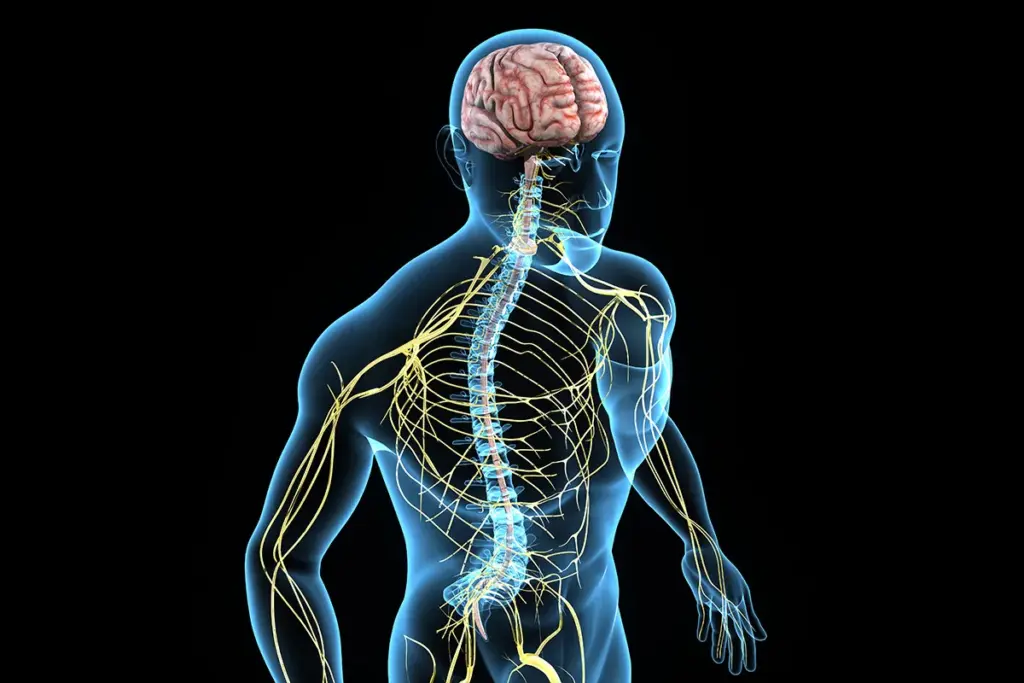
The peripheral nervous system serves as the intricate communication highway connecting the central nervous system (the brain and spinal cord) to the rest of the body. Peripheral neuropathy is not a single disease but a general term indicating dysfunction or damage to these nerves. This disruption interferes with the vital messages being transmitted, leading to a distortion of sensory information, loss of muscle control, or failure of autonomic functions.
Disruption of sensory signal transmission
Impairment of motor command execution
Dysfunction of autonomic organ regulation
Classification by nerve fiber type
Distinction between axonal and demyelinating damage
The Architecture of the Peripheral Nervous System
To understand neuropathy, one must visualize the structure of the nerves. Peripheral nerves are bundles of axons, similar to electrical cables, which are often insulated by a fatty substance called myelin. This myelin sheath ensures that electrical signals travel rapidly and efficiently. Damage can occur to the axon itself (the wire) or to the myelin sheath (the insulation), resulting in different clinical pictures and speeds of progression.
Anatomy of the neuron and axon
Function of the myelin sheath insulation
Nodes of Ranvier and saltatory conduction
Large diameter fibers vs small diameter fibers
Support cells (Schwann cells) and regeneration
Classification of Neuropathies
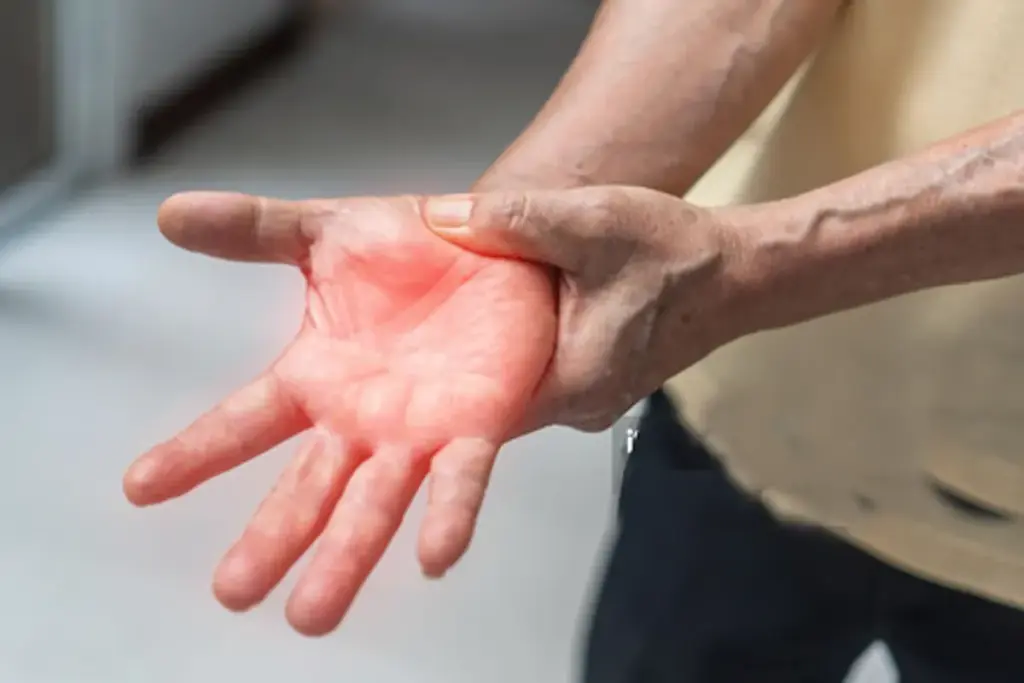
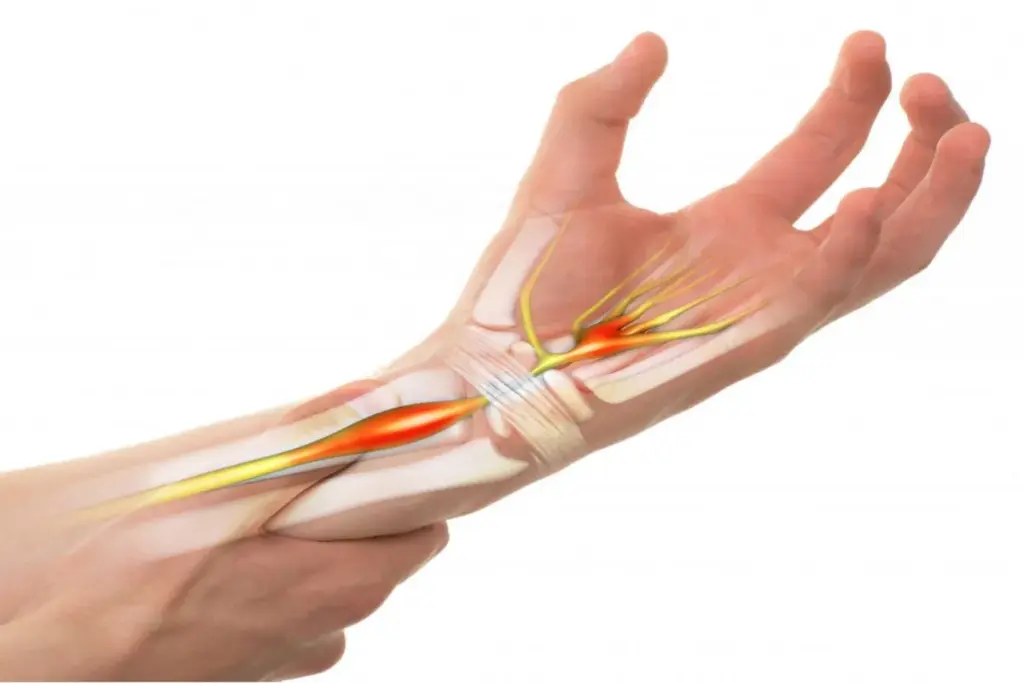
Neuropathies are classified in several ways to help guide diagnosis and treatment. Mononeuropathy involves damage to a single nerve, often due to physical compression like Carpal Tunnel Syndrome. Polyneuropathy, the most common form, involves widespread damage to many nerves, typically starting in the longest nerves first. Mononeuritis multiplex describes a condition where localized damage occurs in several separate nerve areas randomly.
Mononeuropathy (single nerve focal damage)
Distal symmetric polyneuropathy (stocking glove)
Mononeuritis multiplex (multifocal random damage)
Radiculopathy (nerve root involvement)
Plexopathy (nerve plexus network damage)
The Pathophysiology of Nerve Injury
The mechanisms of injury in peripheral neuropathy are diverse. In metabolic conditions like diabetes, high blood sugar levels cause chemical changes that are toxic to the nerves and damage the tiny blood vessels supplying them. In autoimmune conditions, the body’s immune system mistakenly attacks the protein markers on the myelin sheath. Toxic neuropathies result from substances interfering with the energy production or transport systems within the long axons.
Microvascular ischemia and hypoxia
Oxidative stress and free radical damage
Autoimmune attack on gangliosides
Axonal transport disruption
Wallerian degeneration following injury
Epidemiology and Health Impact
Peripheral neuropathy is a pervasive health issue, particularly in aging populations. It is estimated to affect millions of individuals globally, with diabetes mellitus being the leading cause in the developed world. The condition significantly impacts quality of life, leading to chronic pain, sleep disturbance, and a high risk of falls and injuries due to the loss of sensation and balance.
High prevalence in the diabetic population
Association with advancing age
Impact on mobility and independence
Economic burden of chronic pain management
Increased risk of lower limb amputation
30 Years of Excellence
Trusted Worldwide
With patients from across the globe, we bring over three decades of medical
Send us all your questions or requests, and our expert team will assist you.
FREQUENTLY ASKED QUESTIONS
What is the peripheral nervous system?
It is the network of nerves that lies outside your brain and spinal cord, responsible for sensation, movement, and controlling automatic body functions.
Is peripheral neuropathy contagious?
No, peripheral neuropathy is not an infection that can be spread from person to person; it is caused by internal factors like diabetes, injury, or genetics.
Can nerves heal themselves?
Peripheral nerves have the ability to regenerate, unlike brain cells, but the process is very slow and depends on the underlying cause of the damage being treated.
Is this the same as a pinched nerve?
A pinched nerve is one specific type of neuropathy (mononeuropathy), but the term peripheral neuropathy usually refers to a more widespread systemic problem affecting many nerves.
What is the difference between large and small fiber neuropathy?
Large fibers control vibration, touch, and movement, while small fibers transmit pain and temperature; damage to them causes different symptoms and requires different tests.
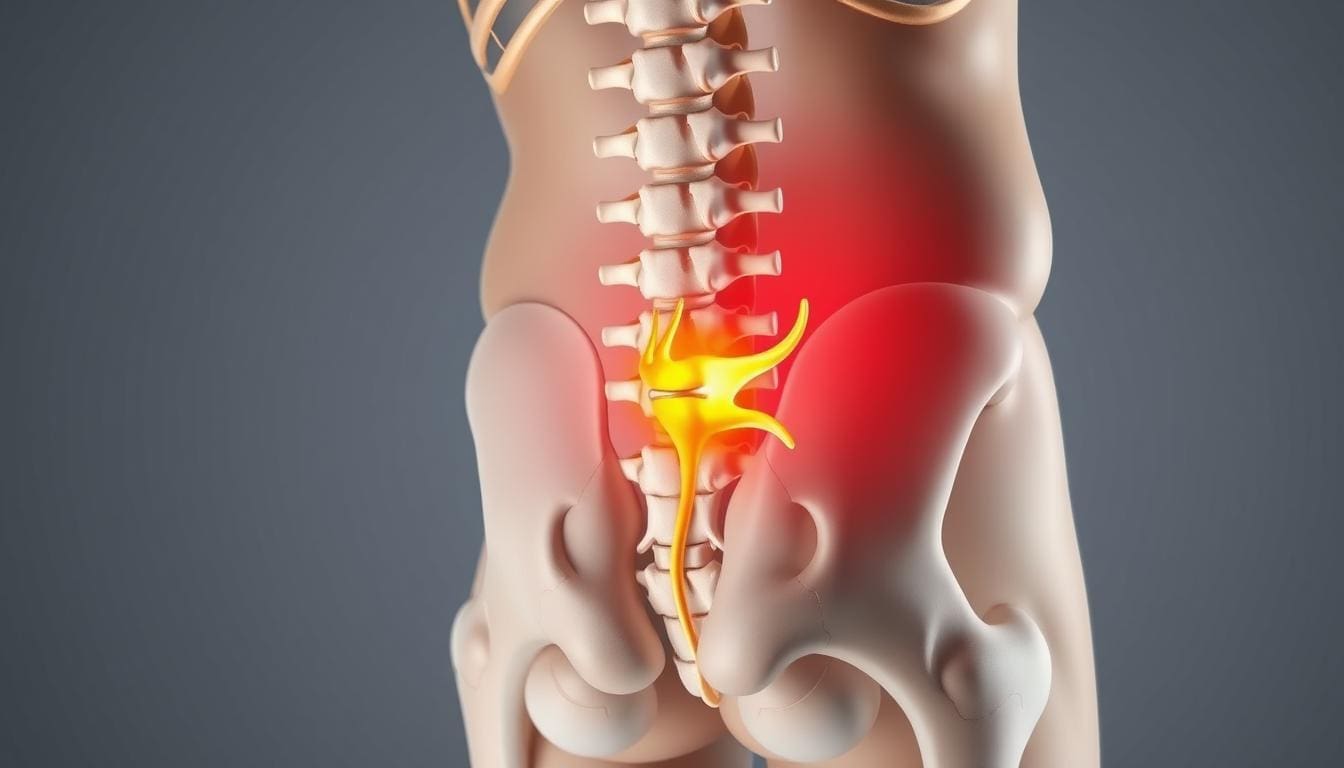
How to Fix a Pinched Nerve in Your Lower Back: Effective Treatments and Relief Steps
Up to 40% of adults suffer from a pinched nerve in the lower back. Liv Hospital provides comprehensive care, from diagnosis to evidence-based treatments, to
7 Key Facts About Atypical TN: Symptoms, Pain, and Living With Type 2 Trigeminal Neuralgia
Atypical TN is a chronic neurological disorder marked by persistent facial pain and numbness. Understand the challenges of living with this complex condition.