Cubital Tunnel Surgery rehabilitation tips help reduce pain, improve arm strength, and restore mobility with guided exercises and proper post-surgery care.
Send us all your questions or requests, and our expert team will assist you.
Rehabilitation after cubital surgery is a structured process designed to restore range of motion, strength, and nerve mobility. While the surgery frees the nerve, rehabilitation ensures it stays free. The nerve must be able to glide smoothly through the tissues as the elbow bends and straightens.
Therapy protocols vary based on the surgical technique. A simple decompression allows for rapid movement, while a submuscular transposition requires a period of protection to allow the muscle to heal. The patient plays an active role in their recovery through daily home exercises.
Desensitization and scar management are also key components. The incision site can become sensitive, and the nerve itself may be irritable as it wakes up. Specialized techniques help normalize sensation and prevent chronic pain.

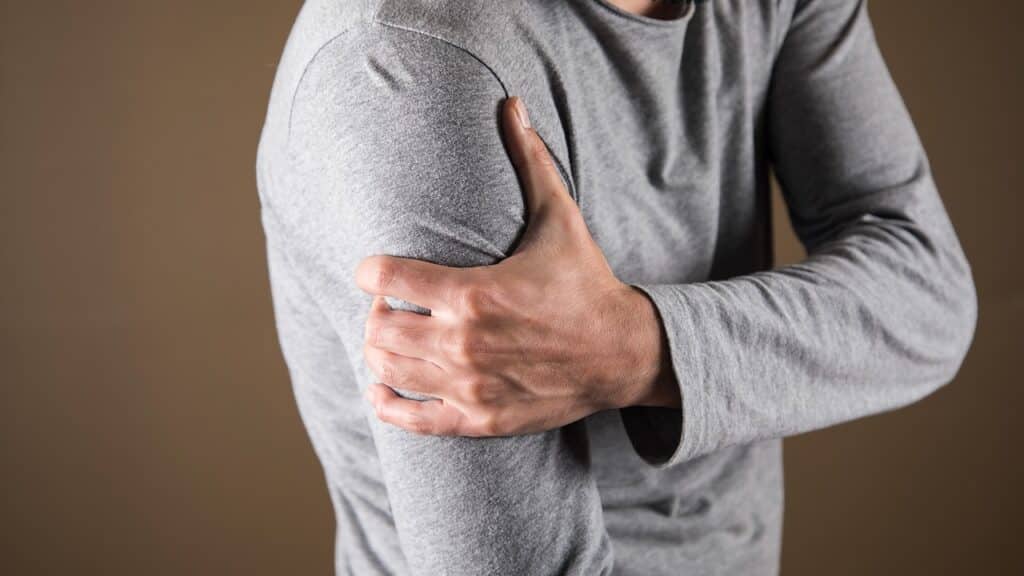
For simple decompression, motion starts within days. The goal is to prevent the elbow from getting stiff. Patients perform gentle active flexion and extension exercises.
For transposition, motion may be delayed or limited. Once cleared, patients begin active assistive motion, using the other hand to help bend the elbow. This protects the flexor muscle origin while ensuring the joint capsule remains pliable.

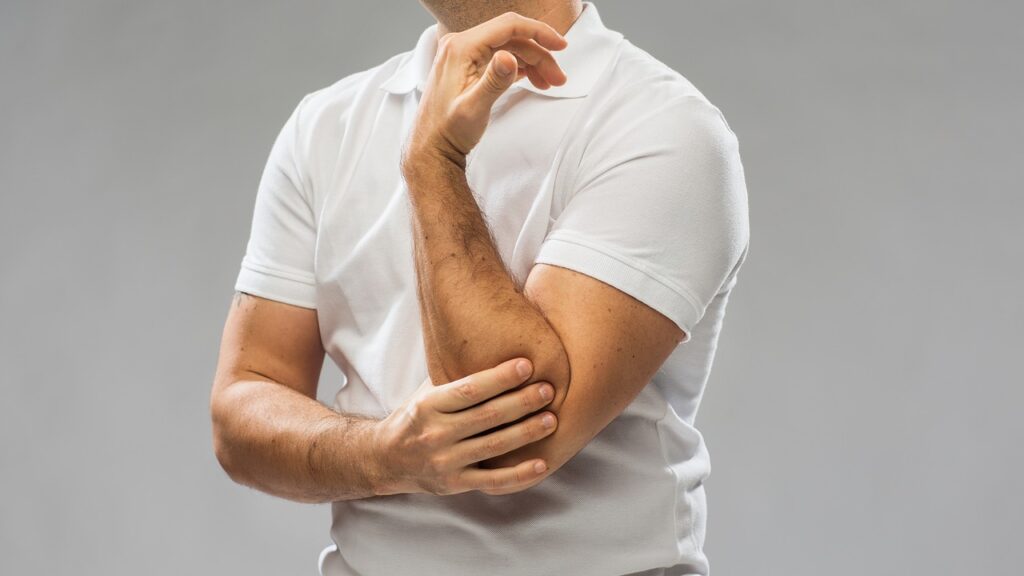
Nerve glides, or “flossing,” are specific movements that pull the nerve through the tunnel. This prevents adhesions (scar tissue) from sticking to the nerve.
One common exercise involves creating an “OK” sign with the fingers, bending the elbow, and bringing the hand to the face like a mask (the “mask” maneuver). These exercises should be gentle; stretching the nerve too hard can irritate it.
Once the sutures are removed and the wound is closed (usually 2 weeks), scar massage begins. Rubbing the scar with lotion breaks up the collagen fibers, keeping the scar soft and flat.
Silicone sheets or gels can be applied to flatten the scar. Mobilizing the skin over the incision ensures that the skin does not stick to the underlying fascia or nerve, which could cause pain during movement.
The area around the elbow or the nerve itself may be hypersensitive (allodynia). Desensitization involves rubbing the area with different textures—cotton, silk, wool, velcro—to retrain the brain’s response to touch.
Immersion in particles like rice or beans can also help. This constant, varied input helps the nervous system stop interpreting light touch as pain, quieting the irritated nerve endings.

Strengthening usually begins at 4 to 6 weeks post op. It starts with isometric exercises (squeezing without moving) for the grip and wrist.
Progressive resistive exercises (using bands or weights) are introduced later. For submuscular transpositions, full activation of the flexor muscles is delayed until 6 weeks to protect the muscle repair. The focus is on grip endurance and forearm stability.
Returning to work requires ergonomic adjustments to prevent recurrence. Patients are taught to avoid leaning on the elbow (“funny bone”). Gel pads can be used for desk work.
Headsets should be used to avoid holding a phone with a bent elbow. Computer workstations should be adjusted to keep the elbow at a more open angle (greater than 90 degrees) to reduce pressure in the tunnel.
Sleeping with bent elbows is a major trigger. Patients may be advised to wear a night splint or a simple towel wrapped around the elbow to keep it straight (extension) while sleeping.
This prevents prolonged traction on the healing nerve at night. Maintaining a straight arm during sleep maximizes blood flow to the nerve and accelerates recovery.
If the patient had significant numbness, sensory re education helps the brain reconnect with the fingers. This involves touching objects with eyes closed and trying to identify them.
Tracing shapes or textures helps the brain interpret the regenerating signals. This active training can improve the functional use of the hand even if the sensation is not perfect.
It is common to have “zingers” or electric shocks during recovery as the nerve wakes up. This is actually a sign of regeneration. Patients are taught to manage this with desensitization rather than fear.
Residual weakness may require adaptive equipment, such as built up handles on utensils, to make gripping easier while strength returns. Managing expectations is part of the rehab process.
Long term maintenance involves keeping the nerve healthy. This includes managing systemic conditions like diabetes (glucose control) and avoiding smoking, which constricts blood vessels feeding the nerve.
Continued awareness of arm position during daily activities becomes a lifestyle change. Keeping the nerve mobile and well perfused ensures the longevity of the surgical result.

Send us all your questions or requests, and our expert team will assist you.
You should avoid heavy loading of the triceps and elbow joint, such as pushups, for at least 6 to 12 weeks depending on the surgery. Submuscular transpositions require longer protection. Ask your surgeon before resuming heavy upper body weightlifting.
Skipping therapy can lead to elbow stiffness (contracture) or the formation of scar tissue that traps the nerve again. Therapy is essential for keeping the nerve gliding smoothly. Without it, the surgery may fail to provide long term relief.
Yes, incisions around the elbow are notoriously sensitive because the skin is thin and moves a lot. It can take 3 to 6 months for the sensitivity to fully resolve. Massage and desensitization exercises are the best way to treat this.
Return to sports depends on the activity. Runners may return in 3 weeks. Throwing athletes (baseball) or collision sports (football) may require 3 to 6 months of rehab to ensure the arm can withstand the high forces without damaging the nerve.
In mild to moderate cases, sensation often returns completely. In severe cases where the nerve was compressed for a long time, some permanent numbness may remain. However, the surgery usually stops it from getting worse and relieves the pain.


Leave your phone number and our medical team will call you back to discuss your healthcare needs and answer all your questions.
Leave your phone number and our medical team will call you back to discuss your healthcare needs and answer all your questions.
Your Comparison List (you must select at least 2 packages)