Ovarian cancer is a deadly disease for women around the globe. It has lower survival rates than other cancers in the female reproductive system. But, new discoveries in genetics, surgery, and targeted treatments are bringing hope for better care.
We believe in a complete approach to fight this complex disease. The best results come from combining surgery, chemotherapy, and treatments like PARP inhibitors or bevacizumab. At Liv Hospital, we aim to provide top-notch care for patients from all over the world.
Our team creates treatment plans that fit each patient’s needs. We use the latest in cancer treatment to help patients get the best care possible.
Key Takeaways
- Combining surgery, chemotherapy, and targeted therapies improves survival rates.
- Optimal cytoreductive surgery is key for effective treatment.
- Maintenance therapies like PARP inhibitors or bevacizumab boost treatment results.
- Personalized treatment plans are vital for meeting each patient’s needs.
- Liv Hospital offers full support for international patients seeking advanced cancer care.
The Global Burden of Ovarian Cancer
<image2>
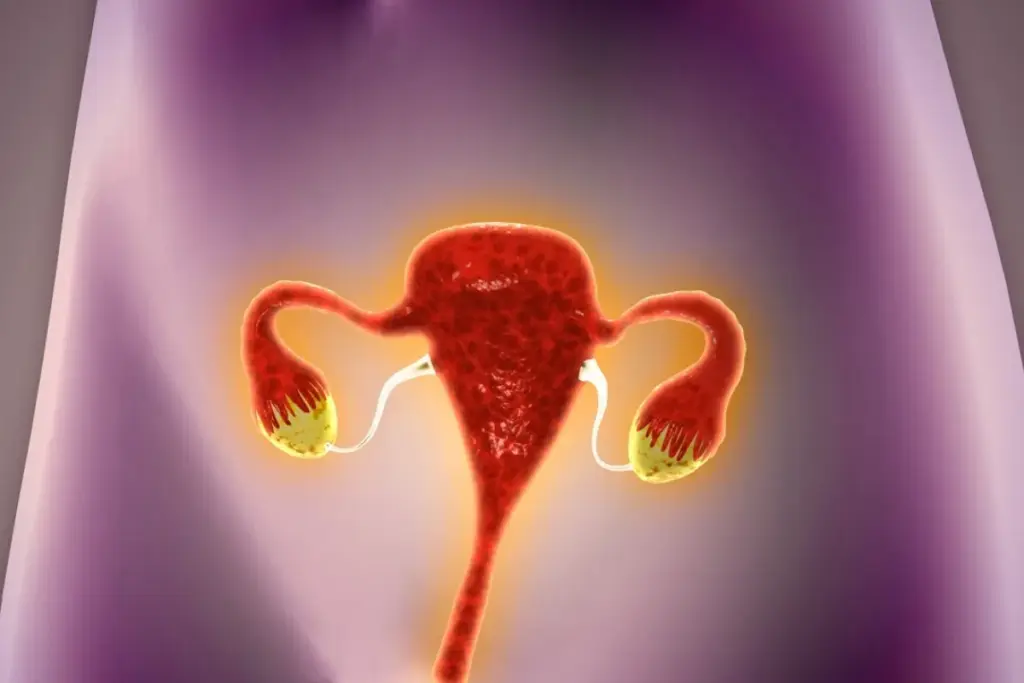
Ovarian cancer is a big challenge in healthcare, hitting women all over the world. It comes in different types and stages. The American Cancer Society says it’s a top cause of death in gynecologic cancers.
Types and Stages of Ovarian Cancer
Ovarian cancer isn’t just one disease. It’s a group of cancers based on where they start. The main types are epithelial, germ cell, and stromal tumors.
Epithelial, Germ Cell, and Stromal Tumors
Most ovarian cancers, about 90%, are epithelial. They start in the outer layer of the ovary. Germ cell tumors are more common in young women and start in egg-producing cells. Stromal tumors come from the tissue that holds the ovary together and makes hormones.
FIGO Staging System and Its Implications
The FIGO staging system helps classify ovarian cancer. It’s based on how far the cancer has spread. The revised system includes ovarian, fallopian tube, and peritoneal cancer. Accurate staging is key for knowing the prognosis and making treatment decisions.
“Knowing the type and stage of ovarian cancer is key for the right treatment.” The complexity of ovarian cancer types and stages highlights the need for tailored care and team-based treatment.
Gold Standard Ovarian Cancer Treatment Protocols Worldwide
<image3>
Creating top ovarian cancer treatment plans involves looking at international agreements and clinical trial results. This makes treatment guidelines better, using new surgery methods, chemotherapy, and targeted therapies.
Evolution of Treatment Guidelines
Ovarian cancer treatment rules have changed a lot. The NCCN (National Comprehensive Cancer Network) and ESMO (European Society for Medical Oncology) guidelines are key. They help doctors make treatment choices worldwide.
NCCN, ESMO, and International Consensus
The NCCN and ESMO guidelines are made after looking at lots of clinical evidence and expert opinions. They make sure patients get the best care for their situation. For example, using platinum-based chemotherapy and PARP inhibitors is now a main part of ovarian cancer treatment, as these guidelines suggest.
Evidence-Based Protocol Development
Creating treatment plans based on evidence means carefully checking clinical trial data. This makes sure treatment advice is based on the newest science. Adding targeted therapies like bevacizumab and PARP inhibitors shows this approach is working.
|
Guideline |
Key Recommendations |
Significance |
|---|---|---|
|
NCCN |
Platinum-based chemotherapy, surgical staging |
Comprehensive framework for treatment decisions |
|
ESMO |
PARP inhibitors for BRCA mutation carriers |
Personalized treatment based on genetic factors |
|
International Consensus |
Multidisciplinary care, including surgery and chemotherapy |
Global standardization of ovarian cancer treatment |
Surgical Excellence in Ovarian Cancer Management
Surgical skill is key in fighting ovarian cancer. It greatly affects how well patients do. The team’s skill in doing complex surgeries is vital.
Optimal Cytoreductive Surgery Techniques
Removing as much tumor as possible is the main goal of cytoreductive surgery. This approach aims for no tumor left behind. Studies show it can greatly increase survival chances.
Primary vs. Interval Debulking
There are two main ways to do cytoreductive surgery: primary debulking surgery (PDS) and interval debulking surgery (IDS). PDS is done before chemotherapy to remove big tumors. IDS is after some chemotherapy, focusing on what’s left.
Surgical Complexity and Specialist Training
Ovarian cancer surgery is very complex. Surgeons need special training to handle it. Our team gets thorough training to tackle tough cases.
|
Surgical Approach |
Description |
Benefits |
|---|---|---|
|
Primary Debulking Surgery (PDS) |
Surgery performed before chemotherapy to remove the bulk of the tumor. |
Can improve survival rates by reducing tumor load. |
|
Interval Debulking Surgery (IDS) |
Surgery conducted after initial chemotherapy, targeting remaining tumor. |
Allows for a more targeted approach based on tumor response. |
By focusing on surgical skill and using the best surgery methods, we can help ovarian cancer patients a lot. Our dedication to training and using the latest methods means our patients get top care.
Systemic Therapy Options for Ovarian Cancer
Systemic therapy is key in fighting ovarian cancer. It uses medicines that can reach cancer cells all over the body. This makes it a vital part of treating ovarian cancer.
Platinum-Based Chemotherapy Regimens
For years, platinum-based chemotherapy has been a mainstay in ovarian cancer treatment. It has proven effective, mainly in advanced stages of the disease.
Carboplatin and Paclitaxel Combinations
The mix of carboplatin and paclitaxel is a top choice for treating ovarian cancer. It boosts survival chances and is usually easy on patients.
Dose-Dense and Intraperitoneal Approaches
We’re also looking into dose-dense and intraperitoneal chemotherapy. Dose-dense chemotherapy means giving treatments more often. Intraperitoneal chemotherapy puts medicine right in the belly. Both methods might help some patients live longer.
We’re always working to find the best treatments for ovarian cancer. Our goal is to give each patient the best care for their needs.
Breakthrough Targeted Therapies in Ovarian Cancer Treatment
Targeted therapies are changing how we treat ovarian cancer. They offer personalized treatments that help patients more. This is a big step forward in fighting ovarian cancer.
PARP Inhibitors: Transforming Treatment Outcomes
PARP inhibitors have changed the game for ovarian cancer, mainly for those with BRCA mutations. They block the PARP enzyme. This stops cancer cells from fixing DNA damage.
Mechanism of Action and Patient Selection
PARP inhibitors trap PARP-DNA complexes. This stops cancer cells from growing. Patients with BRCA1 or BRCA2 mutations are the best candidates.
Olaparib, Niraparib, and Rucaparib Efficacy Data
Clinical trials show olaparib, niraparib, and rucaparib work well against ovarian cancer. Here’s a table with key findings:
|
PARP Inhibitor |
Clinical Trial |
PFS Benefit |
|---|---|---|
|
Olaparib |
SOLO-1 |
Significant improvement in PFS |
|
Niraparib |
ENGOT-OV16/NOVA |
Improved PFS in gBRCA and non-gBRCA cohorts |
|
Rucaparib |
ARIEL-3 |
Significant PFS benefit in BRCA mutant and wild-type cohorts |
PARP inhibitors have shown great promise in treating ovarian cancer. We expect more progress in targeted therapies as research goes on.
Maintenance Therapy: Extending Survival in Ovarian Cancer
Maintenance therapy is key in treating ovarian cancer. It greatly improves patient outcomes. It helps patients live longer without their cancer getting worse.
Frontline Maintenance Strategies
PARP inhibitors are at the forefront of maintenance therapy. They are used after initial treatments like surgery and chemo. Their goal is to stop cancer from coming back.
SOLO-1 and PRIMA Trial Results
The SOLO-1 and PRIMA trials prove PARP inhibitors work well. The SOLO-1 trial showed big benefits for patients with BRCA mutations. The PRIMA trial found similar advantages for more patients.
Duration and Monitoring Protocols
How long maintenance therapy lasts and how it’s monitored varies. It depends on the patient and their treatment plan. Therapy stops when the disease gets worse or when side effects become too much.
|
Trial |
Patient Population |
Progression-Free Survival Benefit |
|---|---|---|
|
SOLO-1 |
BRCA mutated |
Significant improvement |
|
PRIMA |
Broad population (HRD positive) |
Notable extension |
We’re seeing big changes in how we treat ovarian cancer with maintenance therapy. As research keeps growing, we’ll see even better results for patients.
Survival Outcomes and Prognostic Factors
Ovarian cancer survival rates vary worldwide. Many factors influence these rates. Knowing these factors helps improve patient care.
Global Disparities in Ovarian Cancer Survival
Only 36–46% of women survive more than five years after diagnosis. There’s a big gap between high-income and low/middle-income countries. This gap is mainly because of differences in early detection and treatment access.
High-Income vs. Low/Middle-Income Countries
In high-income countries, better healthcare and more screening lead to higher survival rates. But, in low- and middle-income countries, limited healthcare and late diagnosis mean worse outcomes.
Access to Care Challenges
Getting care is hard, mainly in places with few resources. Problems include lack of awareness, poor healthcare, and money issues. Fixing these problems is key to better survival rates worldwide.
Comparative Survival Rates
|
Country Income Level |
5-Year Survival Rate |
|---|---|
|
High-Income |
45-60% |
|
Low/Middle-Income |
20-35% |
Centers of Excellence for Ovarian Cancer Treatment
Centers of excellence are changing how we treat ovarian cancer. They use new therapies and team up with experts from different fields. These places offer hope to those looking for top-notch care.
Leading Institutions and Their Approaches
Top centers are changing ovarian cancer treatment. They focus on research, diagnosis, and treatment. These places put patients first, giving them the care they need.
North American and European Centers
In North America, Memorial Sloan Kettering Cancer Center and MD Anderson Cancer Center lead the way. They use new treatments like targeted therapy and immunotherapy. In Europe, The Royal Marsden NHS Foundation Trust and Gustave Roussy focus on personalized care and advanced surgery.
In Asia, National Cancer Center Singapore and Seoul National University Hospital are known for their work. They focus on genetic testing and precise treatments. In Australia, Peter MacCallum Cancer Centre is pushing the boundaries with CAR T-cell therapy and other new treatments.
These centers are not just treating ovarian cancer better. They’re also helping patients live longer and better lives. By working together and using the latest technology, they’re raising the bar in cancer care.
Liv Hospital’s Approach to Ovarian Cancer
At Liv Hospital, we focus on the whole picture when it comes to ovarian cancer. We put our patients first, using a team approach to care. This way, we ensure the best results for everyone.
Patient-Centered Multidisciplinary Care
Our care is centered around you, thanks to a multidisciplinary team of experts. This team includes doctors, radiologists, and more. They work together to create plans just for you.
Tumor Board Structure and Function
The tumor board is key to our ovarian cancer program. It’s a group of specialists who look at each case. They decide the best treatment plan for you.
Personalized Treatment Planning
We know every patient is different. So, we make personalized treatment plans just for you. We use the latest research and guidelines, like those on ovarian cancer cure rates.
|
Care Component |
Description |
Benefits |
|---|---|---|
|
Multidisciplinary Team |
Collaboration among various specialists |
Comprehensive care, improved outcomes |
|
Tumor Board |
Review and discussion of patient cases |
Optimized treatment strategies |
|
Personalized Planning |
Tailored treatment plans |
Enhanced patient satisfaction, better results |
Future Directions in Ovarian Cancer Therapy
The fight against ovarian cancer is getting a boost from new immunotherapies. We’re looking into fresh ways to tackle this disease. Several promising strategies are on the horizon.
Emerging Immunotherapeutic Approaches
Immunotherapy is key in the battle against ovarian cancer. It uses the body’s immune system to attack cancer. This area is seeing big strides forward.
Checkpoint Inhibitors and Combination Strategies
Checkpoint inhibitors help the immune system fight cancer more effectively. They’re being tested alone and with other treatments. Combination strategies are showing great promise, making these therapies even more powerful.
Adoptive Cell Therapies and Vaccines
Adoptive cell therapies, like CAR-T cell therapy, modify immune cells to target cancer. Cancer vaccines also aim to boost the immune system to fight ovarian cancer.
These new immunotherapies are changing how we treat ovarian cancer. They bring new hope for better results. As research keeps moving forward, we’ll see even more breakthroughs.
Conclusion
Effective ovarian cancer treatment needs a mix of surgery, chemotherapy, and targeted therapies. At Liv Hospital, we aim to give top-notch healthcare. We also offer full support for patients from around the world.
Our team works together to give each patient personalized care. This ensures the best results for them. We keep up with new treatments to improve survival rates and quality of life for ovarian cancer patients.
Ovarian cancer is a big problem worldwide. The best treatment combines surgery, chemotherapy, and ongoing care. Our focus on patient care and research shows our dedication to fighting ovarian cancer.
Choosing Liv Hospital means getting the latest in ovarian cancer treatment and support. This gives patients the best chance for a good outcome.
FAQ
What are the main types of ovarian cancer?
Ovarian cancer is divided into three main types: epithelial, germ cell, and stromal tumors. Each type has its own characteristics and treatment options.
How is ovarian cancer staged, and why is it important?
Ovarian cancer is staged using the FIGO system. This staging is key for understanding the cancer’s spread and planning treatment.
What is the role of surgery in ovarian cancer treatment?
Surgery is vital in treating ovarian cancer. It aims to remove as much of the tumor as possible, improving treatment outcomes.
What is the significance of NCCN and ESMO guidelines in ovarian cancer treatment?
NCCN and ESMO guidelines offer evidence-based treatment plans for ovarian cancer. They help doctors make informed decisions for their patients.
How do PARP inhibitors work in ovarian cancer treatment?
PARP inhibitors, like olaparib, niraparib, and rucaparib, block the PARP enzyme. This enzyme is involved in DNA repair. By blocking it, these inhibitors stop cancer cells from growing.
What is the role of chemotherapy in ovarian cancer treatment?
Chemotherapy, often using carboplatin and paclitaxel, is a key part of ovarian cancer treatment. It’s often used alongside other therapies.
What is maintenance therapy in ovarian cancer, and how long does it last?
Maintenance therapy, such as with PARP inhibitors, aims to extend life for ovarian cancer patients. The treatment length varies based on the patient’s response and other factors.
How does Liv Hospital approach ovarian cancer treatment?
Liv Hospital focuses on patient-centered care. They use a multidisciplinary team and a tumor board to create personalized treatment plans.
What are the emerging immunotherapeutic approaches in ovarian cancer treatment?
New treatments include checkpoint inhibitors, adoptive cell therapies, and vaccines. These aim to boost the immune system’s fight against ovarian cancer.
What are the global disparities in ovarian cancer survival, and what factors contribute to them?
Survival rates for ovarian cancer vary worldwide due to access to care, healthcare quality, and socioeconomic status. These factors greatly impact patient outcomes.
What is the significance of ovarian cancer treatment guidelines?
Guidelines from NCCN and ESMO provide a framework for standard, evidence-based care. They help healthcare providers deliver consistent, effective treatment.
How is ovarian cancer surgery performed, and what is the importance of surgical complexity?
Ovarian cancer surgery includes complex procedures like debulking. It requires specialized training and expertise to achieve the best results.
References
- World Ovarian Cancer Coalition: https://worldovariancancercoalition.org/about-ovarian-cancer/key-stats/
- OncoDaily: https://oncodaily.com/oncolibrary/ovarian-cancer-cure-rate
- ASCO: https://ascopubs.org/doi/10.1200/GO-24-00313
- American Cancer Society: https://www.cancer.org/cancer/types/ovarian-cancer/key-statistics.html
- SEER Cancer Statistics: https://seer.cancer.gov/statfacts/html/ovary.html
National Center for Biotechnology Information. Evidence-Based Medical Insight. Retrieved from https://pubmed.ncbi.nlm.nih.gov/39435578/