
Many patients worry about medical imaging procedures, fearing claustrophobia. PET/CT scans are seen as more comfortable than MRI scans. They areless confining.
Yet, some people might feel anxious about the procedure. A PET scan, or Positron Emission Tomography, shows how the body works. Knowing what happens during a PET scan can ease worries about feeling trapped.
Key Takeaways
- PET/CT scans are generally less confining than MRI scans.
- Understanding the PET scan procedure can help reduce anxiety.
- PET scans are a valuable diagnostic tool for assessing metabolic activity.
- Patients can take steps to minimize feelings of claustrophobia during the scan.
- Discussing concerns with a healthcare provider can help alleviate anxiety.
What Is a PET Scan and How Does It Work?
A PET scan is a high-tech medical imaging method. It shows how active cells are in the body. It uses a special substance called a radiotracer.
Definition and Basic Principles of Positron Emission Tomography
PET scans detect how active cells are in the body. They use a tiny amount of radioactive tracer. This tracer goes to areas with lots of activity, like cancer cells.
The tracer sends out positrons, which meet electrons and make gamma rays. The PET scanner catches these rays. This helps find out if cells are healthy or not.
How Radioactive Tracers Create Images
The first step is injecting a radioactive tracer, like Fluorodeoxyglucose (FDG). It goes to cells based on how active they are. The PET scanner then makes images from the gamma rays it catches.
These images show how active the body’s tissues are. Doctors use them to see how serious a condition is and if treatments are working.
Difference Between PET Scans and Other Imaging Tests
PET scans are different from CT scans and MRI. While CT scans and MRI show body structures, PET scans show how active these structures are. This is why PET scans are great for finding and tracking cancer.
| Imaging Test | Primary Use | Key Features |
| PET Scan | Metabolic activity assessment | Uses radioactive tracers, detects gamma rays |
| CT Scan | Anatomical imaging | Uses X-rays, provides detailed cross-sectional images |
| MRI | Soft tissue imaging | Uses magnetic fields and radio waves, excellent for soft tissue detail |
Knowing the differences between these tests helps pick the right one for a patient.
Common Medical Reasons for Undergoing a PET Scan
PET scans are very useful for diagnosing and tracking many health issues. They are mainly used for cancer, brain disorders, and heart problems. This part will look at why people get PET scans.
PET Scans for Cancer Detection and Monitoring
PET scans are key in cancer diagnosis and treatment planning. They help find out how far cancer has spread, check if treatments are working, and spot any cancer coming back. The high sensitivity of PET scans lets them find cancer cells that other tests might miss.
PET scans are used a lot in cancer care because they show detailed images of cancerous tissues. They can tell if a tumor is cancerous or not, help plan biopsies, and see how well treatments are working.
Neurological Applications of PET Imaging
PET scans are also used in brain health to diagnose and track brain disorders. They check brain function and find abnormal activity. They help with diseases like Alzheimer’s, Parkinson’s, and epilepsy.
PET scans give detailed images of brain activity. This makes them very important for brain health diagnosis. Doctors can see how brain diseases progress and how well treatments are working.
Cardiac Conditions Evaluated with PET Scans
In heart health, PET scans check heart function and find coronary artery disease. They see if heart tissue is alive and find areas at risk from poor blood flow.
The info from PET scans is key for heart treatment plans. By looking at PET scan results, heart doctors can choose the best treatments, like angioplasty or bypass surgery.
The PET Scan Machine: Design and Physical Environment
The design and setting of the PET scan machine are key for a smooth scan. Modern PET scanners often pair with CT scanners. This combo offers both functional and anatomical details.
Physical Characteristics of Modern PET Scanners
Today’s PET scanners are made to be more comfortable for patients without losing image quality. They have:
- A large, cylindrical gantry for detectors
- A movable table for scanning
- Advanced detectors for better sensitivity and detail
- Integration with CT or MRI for more info
The gantry is about 2 meters wide, fitting most patients. The table movement is precise for accurate scans.
PET-CT Combination Machines and Their Configuration
PET-CT scanners are now common in many hospitals. They combine PET and CT scans in one machine. This offers:
- Better accuracy by mixing PET’s function data with CT’s anatomy
- Shorter scan times for both PET and CT in one go
- Less stress for patients with fewer scans needed
PET-CT scanners have a PET and CT scanner together. This setup allows for scanning without moving the patient.
The Scanning Room Environment
The scanning room is made to be cozy and calm for patients. It has:
- A big room for the scanner and other gear
- Comfortable lighting and temperature
- Systems for easy patient-staff communication
Some places even offer music or visuals to help patients relax.
Is a PET Scan Very Claustrophobic? Addressing Common Concerns
Many people worry about claustrophobia when thinking about PET scans. These scans require you to be inside a machine. But, how confining it feels can differ from other tests.
Comparing the Claustrophobia Factor to MRI and CT Scans
It’s important to compare PET scans to MRI and CT scans when thinking about claustrophobia. PET scans are less confining than MRI scans. MRI machines are very tight and can be uncomfortable for those with claustrophobia.
PET scans, on the other hand, are shorter and feel more open. They have open ends, unlike MRI machines.
Key differences in claustrophobia factor:
- PET scans are shorter than MRI scans.
- The PET scanner is more open at the ends.
- CT scans are quick but might not cause as much claustrophobia as MRI.
Patient Positioning and Movement Restrictions
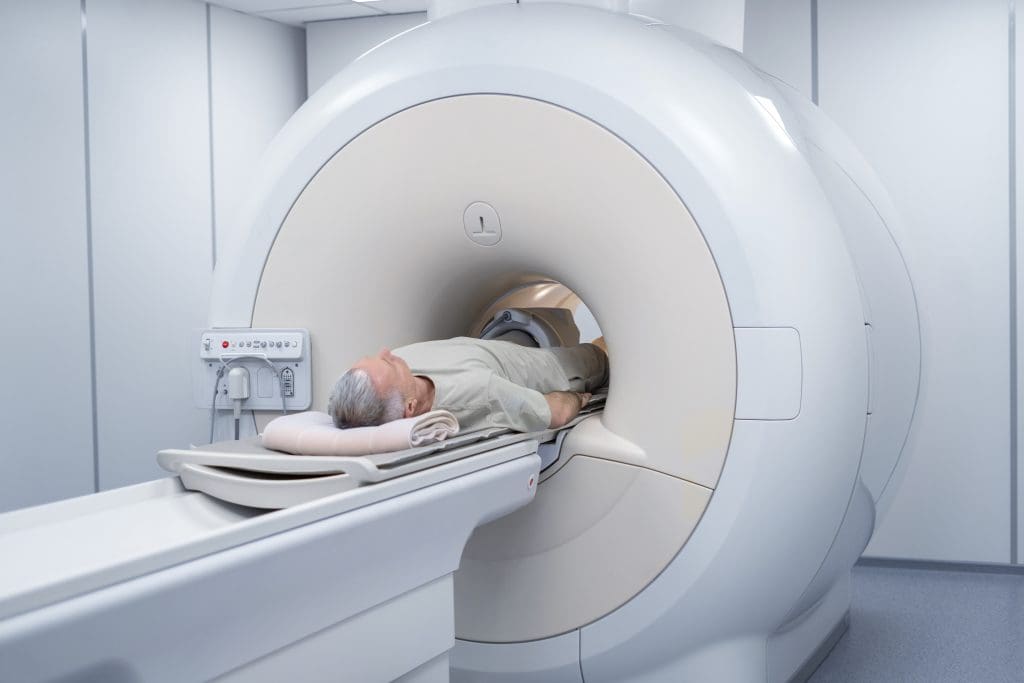
During a PET scan, you lie on a table that slides into the scanner. You must stay very quiet and not move. This is to get clear images.
The table is not as tight as an MRI machine. This might make you feel less claustrophobic.
“The design of modern PET scanners has evolved to minimize claustrophobia, with some models showing more open configurations and shorter scanning times.”
Sensory Experiences During the Procedure
The PET scan experience can differ for everyone. The scanner makes a soft humming or whirring sound. It’s not as loud as an MRI machine.
You might feel a slight push as the table moves into the scanner. But, most people find it okay. Medical staff are there to help with any worries or discomfort.
In summary, PET scans might make you feel a bit confined, but not as much as MRI scans. Knowing what to expect can help ease your worries.
Step-by-Step: The Complete PET Scan Procedure
Learning about the PET scan procedure can ease worries and get patients ready for their visit. It covers several important steps, from getting ready to the actual scan.
Pre-Scan Preparation and Tracer Injection
Before a PET scan, patients need to follow certain steps. This includes not eating for a while and avoiding some medicines. This step is key for getting accurate scan results.
After getting ready, a special dye is injected into the patient’s vein. The dye used depends on the scan’s purpose, like checking for cancer.
Positioning on the Scanner Table
After the dye is in the body for a bit, the patient lies down on the PET scanner table. The table moves slowly through the scanner, a big, ring-shaped machine.
Patients must stay very quiet and might need to hold their breath sometimes. The person running the scanner will guide them and make sure they’re comfortable and safe.
What Happens During the Actual Scanning Process
The scanning part usually lasts between 30 to 60 minutes. It depends on the scan type and the body part being checked. The scanner picks up signals from the dye to make detailed pictures of inside the body.
| Step | Description | Duration |
| Pre-scan preparation | Dietary restrictions and medication adjustments | Variable |
| Tracer injection | Injection of radioactive tracer | Minutes |
| Uptake period | Waiting for the tracer to accumulate | 30-60 minutes |
| Scanning | Actual PET scan procedure | 30-60 minutes |
Knowing about the PET scan process helps patients feel more at ease and prepared.
How Long Does a PET Scan Take? Time Expectations
The time needed for a PET scan can vary. Knowing this can help ease worries. Usually, the whole process, from start to finish, takes about 2 hours.
Standard Duration for Different Types of PET Scans
The actual scan time is shorter than the total visit time. Most PET scans take between 30 to 60 minutes to complete.
Breakdown of Time for Different PET Scans:
| Type of PET Scan | Preparation Time | Scanning Time | Total Time |
| Standard PET Scan | 30-45 minutes | 30-60 minutes | 1-2 hours |
| PET-CT Scan | 45-60 minutes | 30-60 minutes | 1.5-2.5 hours |
| PET-MRI Scan | 60-90 minutes | 60-90 minutes | 2-3 hours |
Uptake Period for the Radioactive Tracer
The time it takes for the radioactive tracer to accumulate is key. Patients usually wait 30-60 minutes after injection for this to happen.
Factors That May Extend Your Appointment Time
Several things can affect how long a PET scan takes. These include the need for extra images, the scan’s complexity, and the patient’s health.
Potential Factors Affecting Appointment Time:
- Need for additional imaging or delayed scans
- Complexity of the scan requiring more time for positioning
- Patient’s health condition affecting the uptake period or scanning process
- Technical issues with the scanner
Managing Claustrophobia During Your PET Scan
PET scans can make people with claustrophobia anxious. But, there are ways to handle this. Preparing for the scan can make it less uncomfortable.
Communication Strategies With Your Medical Team
Telling your medical team about your claustrophobia is key. They can help make the scan less stressful for you.
- Discuss your claustrophobia concerns with your doctor before the scan.
- Ask about the possibility of using an open PET scanner if available.
- Inquire about sedation or medication options to help you relax.
Relaxation Techniques and Mental Preparation
There are relaxation techniques to help with claustrophobia during a PET scan. Using them before the scan can make them more effective.
Breathing exercises and progressive muscle relaxation are good choices. Imagining a calm place can also help lower your anxiety.
Medication Options for Severe Claustrophobia
If your claustrophobia is severe, medication might be needed. It’s important to talk to your healthcare provider about this.
| Medication Type | Purpose | Administration Timing |
| Anti-anxiety medications | Reduce anxiety and promote relaxation | Typically taken 30 minutes to 1 hour before the scan |
| Sedatives | Induce a calm or sleepy state | Administered as needed, usually under close supervision |
Using these strategies can help those with claustrophobia manage their anxiety during a PET scan. This makes the experience less stressful and more successful.
Preparing for Your PET Scan: Practical Tips
Knowing how to prepare for a PET scan is key to getting good results. There are important steps to follow for a smooth and successful test.
Dietary Restrictions and Fasting Requirements
Following specific dietary restrictions is a big part of PET scan prep. You might need to fast for a while before the scan. The exact time depends on the type of scan and the facility’s rules.
Your healthcare provider or the PET scan center will tell you what to eat or drink before the scan. Some scans need you to avoid certain foods or drinks to get accurate results.
Medications to Avoid Before a PET Scan
Some medications can affect PET scan results. Tell your healthcare provider about all the medicines you’re taking. They might ask you to stop taking some before the scan.
It’s important to follow their advice on which medicines to avoid and for how long before the PET scan.
What to Wear and What to Bring
On PET scan day, wear comfortable clothes. Avoid anything with metal, like jewelry or clothes with metal parts, as it can mess with the scan.
Also, bring any important documents, like insurance cards and ID, to the appointment.
Discussing Claustrophobia Concerns in Advance
If you have claustrophobia, talk to your healthcare provider before the PET scan. There are ways to help manage claustrophobia during the test.
Talking about your concerns early on helps you find ways to make the PET scan as comfortable as possible.
What to Expect After Your PET Scan
Knowing what happens after a PET scan can ease worries and help with recovery or further care.
Immediate Post-Scan Effects
Right after your PET scan, you might feel some effects from the radioactive tracer. These effects are usually mild and short-lived. You might feel tired or have some discomfort where the tracer was injected. Drinking lots of water helps get rid of the tracer.
Common immediate effects include:
- Mild fatigue
- Discomfort or redness at the injection site
- Dry mouth
Radiation Safety: How Long Are You Radioactive?
The tracer in PET scans gives off radiation for a short time. But, this radiation goes down fast. Usually, the tracer is gone from your body in a few hours.
To keep others safe, like pregnant women and kids, do these things:
- Avoid close contact for a few hours after the scan
- Drink plenty of fluids to help eliminate the tracer
- Urinate frequently
Activity Restrictions Following the Procedure
Most people can go back to their usual activities right after a PET scan. But, your doctor might tell you to do certain things differently. This depends on your health or the tracer used.
General guidelines include:
- Resuming normal diet unless told not to
- Avoiding hard activities if you feel uncomfortable
- Following specific instructions from your healthcare provider
It’s important to follow your doctor’s post-scan advice. This keeps you safe and makes sure your test results are accurate.
PET Scan Results: Timeframe and Interpretation
PET scan results give important insights into a patient’s health. They help doctors make better decisions. The process includes scanning and interpreting the results.
Timeframe for Receiving Results
The time to get PET scan results varies. It depends on the scan type and the facility’s workload. Usually, patients wait a few days.
The radiologist looks at the images and writes a report. Then, the doctor gets it. This can take 24 hours to a few days. Some places offer faster results for a fee.
Understanding PET Scan Images
PET scan images are complex. They show the body’s metabolic activity, not like regular photos. They help doctors spot issues like tumors.
Doctors look at these images with other tests like CT or MRI. This helps them understand the patient’s condition better. It leads to accurate diagnoses and treatment plans.
Follow-up Procedures After Results
After getting PET scan results, the doctor talks to the patient. This is important. It explains what the results mean and what to do next.
Follow-up actions might include more tests, biopsies, or starting treatments. The healthcare team will guide the patient. They make sure the patient knows what to expect.
In some cases, more tests are needed to check the condition or treatment success. Regular check-ups are key to managing health.
Alternative Options for Highly Claustrophobic Patients
Claustrophobia shouldn’t stop you from getting the medical tests you need. There are many alternatives to make these tests less stressful. These options can make your experience more comfortable.
Open PET Scanners and Facility Accommodations
For those who fear tight spaces, open PET scanners are a good choice. They don’t have the closed tunnel design of traditional PET scanners. This makes them feel less confining.
Medical facilities also offer special help to ease your anxiety. They might let a friend stay with you, provide a mirror, or use devices to keep you in touch with staff.
Alternative Imaging Methods When PET Isn’t Possible
If a PET scan is too scary, don’t worry. There are alternative imaging methods that can help. These include:
| Imaging Method | Description | Typical Use Cases |
| MRI (Magnetic Resonance Imaging) | Uses magnetic fields to create detailed images of the body | Soft tissue injuries, neurological conditions |
| CT (Computed Tomography) Scan | Uses X-rays to create cross-sectional images of the body | Cancer, internal injuries, vascular conditions |
| Ultrasound | Uses high-frequency sound waves to create images of internal structures | Pregnancy monitoring, gallbladder disease, liver disease |
Discussing Your Concerns with Your Doctor
Talk to your doctor about your claustrophobia before any test. They can suggest the best options for you. They’ll help you get ready for the test.
Working with your doctor ensures a better experience. You’ll feel more comfortable and confident during your test.
Conclusion: Balancing Medical Necessity with Comfort Concerns
Getting a PET scan is a big decision. It’s about weighing the need for the scan against any discomfort, like claustrophobia.
PET scans are key for diagnosing and tracking many health issues. These include cancer, brain problems, and heart conditions.
For those with claustrophobia, the scan might be tough. But, there are ways to ease the discomfort. Open PET scanners, relaxation methods, and talking to medical staff can help.
Learning about the PET scan and talking to doctors can help patients. This way, they can manage their medical needs while also thinking about their comfort.
In the end, the benefits of PET scans often outweigh the short-term discomfort. They are a vital tool in healthcare.
FAQ
What is a PET scan?
A PET (Positron Emission Tomography) scan is a test that uses a radioactive tracer. It helps see inside the body and how it works. It’s used to find and track diseases like cancer and heart problems.
How long does a PET scan take?
A PET scan’s time varies. It can last from 30 minutes to hours. This includes the time for the tracer to work.
Is a PET scan claustrophobic?
PET scans have you in a scanner, but it’s not as bad as MRI scans for some. Claustrophobia levels differ. Some feel a bit uneasy, while others are more anxious.
How can I manage claustrophobia during a PET scan?
To deal with claustrophobia, talk to your team. Use relaxation methods and ask about medicine if needed. Discuss your fears with your doctor first.
What are the dietary restrictions before a PET scan?
Before a PET scan, you might need to fast or avoid certain foods. Always follow your doctor’s instructions for the best results.
How long do I have to wait for PET scan results?
Waiting for PET scan results varies. It can be a few hours to days. It depends on the scan’s complexity and the facility.
Are there alternative imaging methods if I’m claustrophobic?
Yes, if you’re really claustrophobic, there are other options. Open PET scanners or CT scans are available.
What should I wear and bring to a PET scan?
Wear comfy, loose clothes and no metal jewelry. Bring your insurance and ID too.
How long am I radioactive after a PET scan?
The tracer’s radiation is short-lived. You’ll be told to avoid close contact with kids and pregnant women for a bit.
Can I shower before a PET scan?
Always check with your doctor about showering before a PET scan.



 Departments
 Related Videos
 Our Doctors
 News
News