
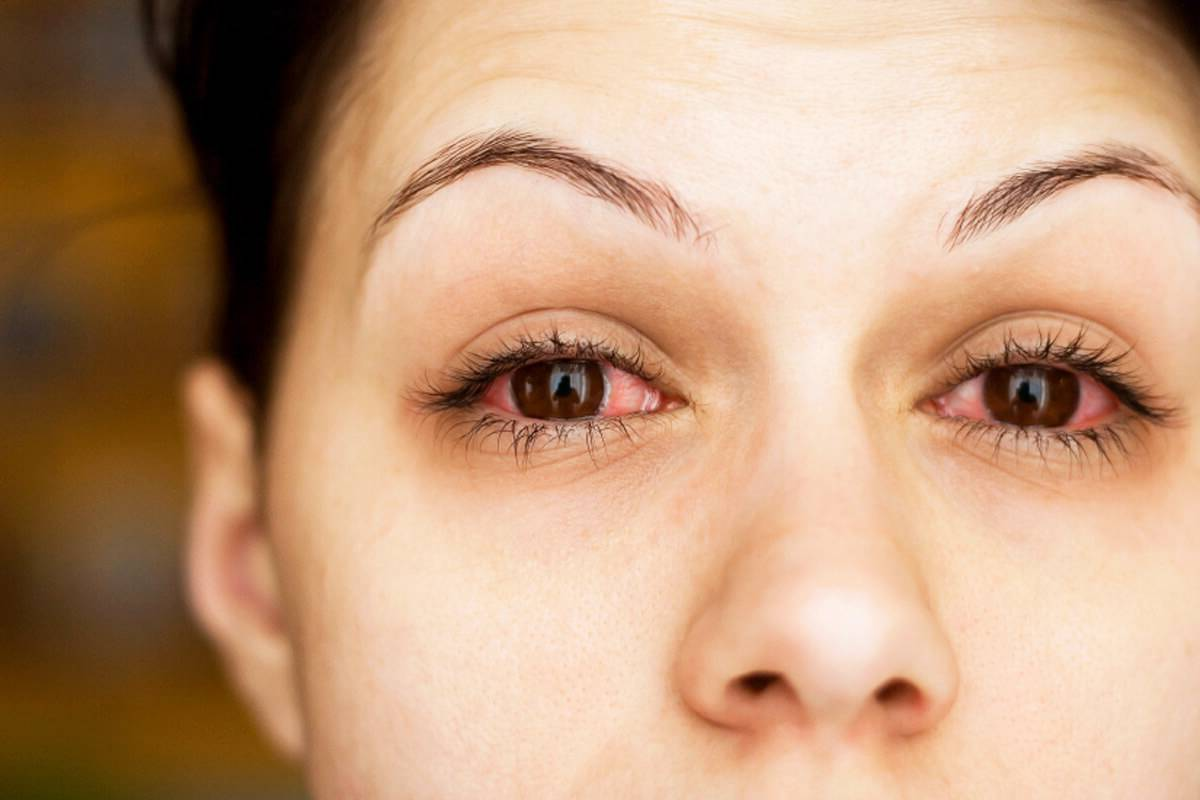
Red, itchy, and watery eyes can be really annoying. They might be from pink eye or allergies. Knowing the difference is important for the right treatment and to stop it from spreading. Compare pink eye vs allergic reaction. Learn the key signs, such as thick discharge, that signal a contagious issue versus allergies.
Both pink eye and allergic conjunctivitis can make your eyes look the same. But they have different causes and need different treatments. We’ll show you how to tell them apart so you can get the right help.
Key Takeaways
- Understanding the differences between pink eye and allergies is key to getting the right treatment.
- Pink eye can result from bacterial or viral infections, making it highly contagious.
- Allergic conjunctivitis is a noninfectious immune response triggered by allergens.
- Both conditions share common symptoms like red, itchy, and watery eyes.
- Proper diagnosis is essential to determine the correct course of treatment.
Understanding Eye Inflammation Conditions
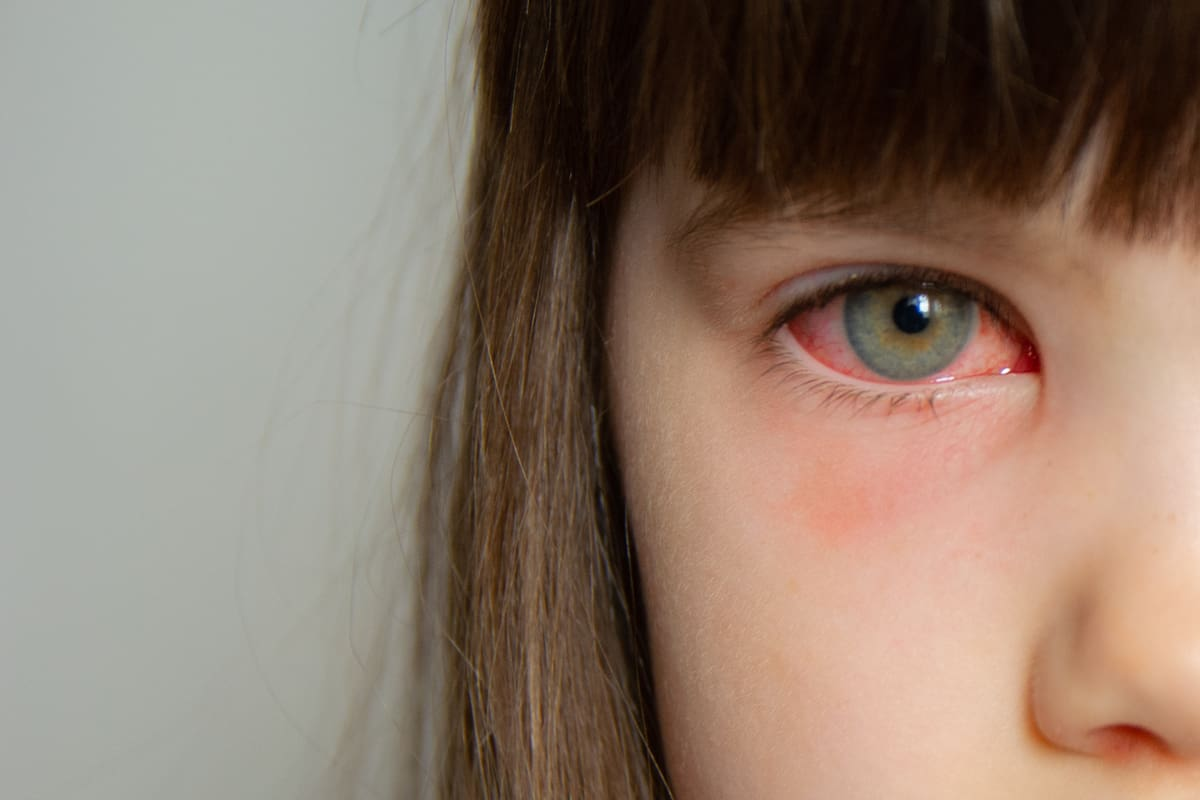
The conjunctiva is a thin membrane that covers the white part of the eyes and the inside of the eyelids. It can get inflamed for many reasons, like infections, allergies, or irritants. Knowing the cause is key to tell pink eye and allergic conjunctivitis apart.
What is Pink Eye (Conjunctivitis)?
Pink eye, or conjunctivitis, is when the conjunctiva gets inflamed. It can happen from viruses, bacteria, or irritants. Viral conjunctivitis spreads easily and is caused by viruses like adenovirus. Bacterial conjunctivitis is from bacteria like Staphylococcus aureus or Haemophilus influenzae. The symptoms and treatment depend on the cause.
“Conjunctivitis is an inflammation or infection of the transparent membrane (conjunctiva) that lines your eyelid and covers the white part of your eyeball.”
NIDDK
What is Allergic Conjunctivitis?
Allergic conjunctivitis happens when the eyes react to allergens like pollen, pet dander, or dust mites. This reaction causes inflammation of the conjunctiva. It’s not contagious like infectious conjunctivitis. Symptoms include itching, redness, and watery discharge. Seasonal allergic conjunctivitis is common when pollen counts are high.
|
Condition |
Causes |
Contagiousness |
|---|---|---|
|
Pink Eye (Conjunctivitis) |
Viral or bacterial infections, irritants |
Yes, depending on the cause |
|
Allergic Conjunctivitis |
Allergens like pollen, pet dander |
No |
Why These Conditions Are Often Confused
Pink eye and allergic conjunctivitis have similar symptoms like redness, itching, and discharge. This makes it hard to tell them apart without a proper diagnosis. Knowing the cause is key for the right treatment. Pink eye can spread, but allergic conjunctivitis can’t, showing why accurate diagnosis is important.
Pink Eye vs Allergic Reaction: Root Causes
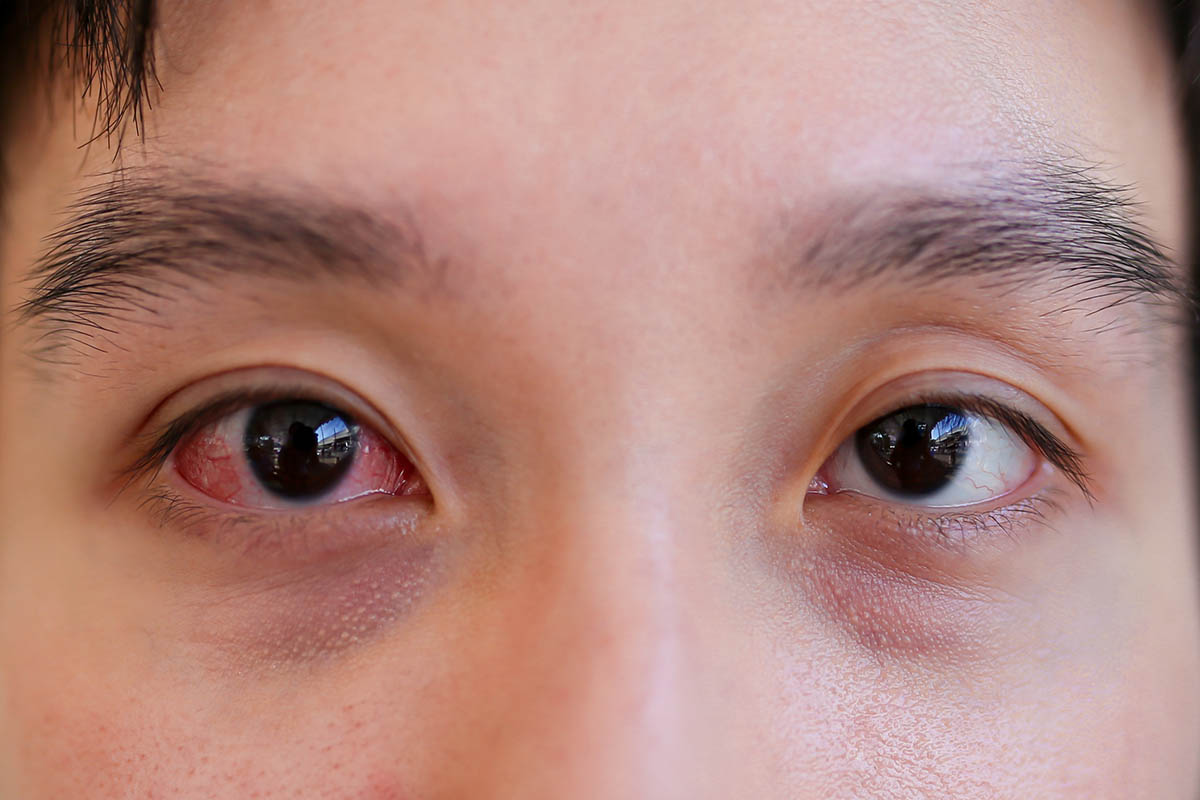
Pink eye and allergic conjunctivitis have different causes. Knowing these causes is key to finding the right treatment.
Bacterial Conjunctivitis Sources
Bacterial conjunctivitis happens when bacteria touch the eye. Common culprits include Staphylococcus aureus, Haemophilus influenzae, and Streptococcus pneumoniae. Not washing hands often can spread it.
Viral Conjunctivitis Transmission
Viral conjunctivitis is linked to viruses like the common cold or COVID-19. It spreads quickly because it’s very contagious. It spreads through touching an infected person’s eye or touching surfaces and then the eyes.
Common Allergens Triggering Eye Allergies
Allergic conjunctivitis is caused by allergens like pollen, dust mites, pet dander, or mold. When these allergens meet the eyes, they cause an allergic reaction. Symptoms include itching, redness, and watery discharge. Knowing the allergen helps treat it better.
Understanding pink eye and allergic reactions helps find the right treatment. Whether it’s a bacterial or viral infection, or an allergic reaction, knowing the cause is the first step to relief.
Key Symptoms That Differentiate Both Conditions
It’s important to know the difference between pink eye and allergic conjunctivitis. Both can make your eyes uncomfortable, but they have unique symptoms. These symptoms help figure out what’s causing the problem.
Characteristic Pink Eye Symptoms
Pink eye, or conjunctivitis, often has a thick, colored discharge. This discharge can crust on your eyelashes in the morning. It might be yellow or green, showing it’s a bacterial infection. You might also see redness, swelling, and a gritty feeling in your eye. Pink eye can also spread to others.
Key symptoms of pink eye include:
- Thick, colored discharge
- Crusting on eyelashes
- Redness and swelling
- Gritty sensation
Typical Allergic Conjunctivitis Symptoms
Allergic conjunctivitis has watery discharge, intense itching, and redness. The itching can be very bad and might make you sneeze and feel stuffy in your nose. Unlike pink eye, it’s not contagious and often comes from allergens like pollen or dust mites.
Common symptoms of allergic conjunctivitis include:
- Watery discharge
- Intense itching
- Redness and swelling
- Sneezing and nasal congestion
Overlapping Symptoms That Cause Confusion
Both pink eye and allergic conjunctivitis can make your eyes red and swollen. This makes it hard to tell them apart just by looking at these symptoms. But, the type of discharge and whether you itch can give you clues. Knowing these differences is key to getting the right treatment.
Eye Discharge: A Critical Diagnostic Clue
Understanding eye discharge is key to telling pink eye and allergies apart. The type of discharge can tell us a lot about what’s causing eye inflammation.
Eye discharge, or rheum, is common in both pink eye and allergies. But, the discharge can look very different between these conditions.
Clear, Watery Discharge in Viral Pink Eye
Viral pink eye, or viral conjunctivitis, has clear, watery discharge. This discharge is most noticeable in the morning. It often comes with redness and irritation.
The clear discharge is a sign of a viral infection. It’s different from the thick, colored discharge of bacterial infections.
Watery Discharge in Allergic Reactions
Allergic reactions, like allergic conjunctivitis, also have watery discharge. This discharge comes with itching, sneezing, and nasal congestion. Watery discharge in both eyes is a sign of allergies.
Contrasting Discharge in Bacterial Pink Eye
Bacterial pink eye has thick, yellowish or greenish discharge. This discharge can make eyelids stick together, mainly after waking up. Thick, colored discharge points to a bacterial infection.
Healthcare professionals use discharge characteristics to diagnose and treat conditions. Knowing the discharge type helps manage viral pink eye, allergic conjunctivitis, or bacterial pink eye effectively.
Contagiousness: Can You Spread It to Others?
Pink eye and eye allergies are different in how they spread. Knowing this helps us prevent the spread of pink eye and take care of eye allergies properly.
How Infectious Pink Eye Spreads
Pink eye, caused by bacteria or viruses, is very contagious. It spreads when you touch the discharge from an infected eye. It can also spread through touching surfaces or objects that have come into contact with the discharge.
Being careful in our daily life is key. Touching someone with pink eye or touching things they’ve touched can spread the infection.
Why Eye Allergies Are Never Contagious
Eye allergies, on the other hand, are not contagious. They happen when your body reacts to allergens like pollen or dust. Because they’re not caused by an infection, you can’t spread them to others.
Precautions for Preventing Transmission
To stop pink eye from spreading, we can take a few steps:
- Wash your hands often, after touching your eyes or face.
- Don’t share things like towels or makeup.
- Clean and disinfect surfaces and objects, in places we all use.
- Try not to touch your eyes, and tell others to do the same.
|
Condition |
Contagiousness |
Precautions |
|---|---|---|
|
Infectious Pink Eye |
Highly Contagious |
Frequent hand washing, avoid sharing personal items, regular disinfection |
|
Eye Allergies |
Not Contagious |
Avoiding allergens, using allergy medication, keeping environment clean |
By knowing the difference in how pink eye and eye allergies spread, we can protect ourselves and others.
Pattern of Eye Involvement and Progression
Eye conditions can progress differently, helping us tell if it’s pink eye or allergies. It’s key to understand how symptoms spread and change.
Single vs. Both Eyes Affected
Pink eye and allergic conjunctivitis differ in eye involvement. Pink eye, often contagious, starts in one eye before spreading to the other. Allergic conjunctivitis usually hits both eyes at once.
A study in the American Journal of Ophthalmology found that allergic conjunctivitis affects both eyes. It’s often linked with other allergy symptoms.
Typical Duration and Progression
Pink eye usually clears up in a few days to weeks. Allergic conjunctivitis, though, can last as long as the allergen is present.
Here’s a comparison of the two conditions:
|
Condition |
Typical Duration |
Progression |
|---|---|---|
|
Pink Eye (Conjunctivitis) |
A few days to 2 weeks |
Often starts in one eye, may spread to the other |
|
Allergic Conjunctivitis |
As long as exposed to allergen |
Typically affects both eyes simultaneously |
Seasonal Patterns in Allergic Conjunctivitis
Allergic conjunctivitis often peaks during certain seasons. This is due to allergens like pollen. Pink eye doesn’t follow these patterns.
“Seasonal allergic conjunctivitis is the most common form of allergic conjunctivitis. It’s usually caused by an immune reaction to pollen.”
Understanding these patterns helps doctors diagnose and treat better.
By looking at how symptoms spread and change, doctors can give better care.
Diagnostic Approaches for Accurate Identification
Healthcare professionals use several methods to find out why your eyes are red and itchy. These steps help tell if it’s pink eye or an allergy. This ensures you get the right treatment.
Medical Tests for Confirming Pink Eye
To diagnose pink eye, doctors might do specific tests. A conjunctival swab is one of these. It involves gently taking a sample from the conjunctiva. This sample is then checked to see if the pink eye is caused by bacteria, a virus, or an allergy.
If it’s hard to tell what’s causing the problem or if it’s very bad, more tests might be needed. For example, a fluorescein stain can show if there are any scratches or ulcers on the cornea.
Allergy Testing Methods
To figure out what’s causing allergic conjunctivitis, finding the allergen is key. Skin prick tests are often used for this. A tiny bit of the suspected allergen is put on the skin, and then a small needle is used to prick it. If a red, itchy bump shows up, it means you’re allergic.
Blood testing is another way to check for allergies. It looks at the levels of allergy-related antibodies in your blood. This test is good when skin testing isn’t possible.
Self-Assessment Guidelines for Home Evaluation
Even though seeing a doctor is best, you can do some things at home to check your symptoms. Start by keeping track of how long your symptoms last and how they change. Pink eye usually starts in one eye and then spreads to the other. Allergic conjunctivitis usually affects both eyes at the same time.
Look at the type of discharge you have. A thick, yellow or green discharge is often from bacterial pink eye. A clear, watery discharge is more likely from viral pink eye or an allergy.
- Check for itching and burning, which are more common in allergic conjunctivitis.
- Notice if your symptoms happen at the same time every year. Allergies often follow a yearly pattern.
Treatment Options for Both Eye Conditions
Understanding the cause of pink eye and allergic conjunctivitis is key. The treatment differs based on whether it’s an infection or an allergy.
Medications for Bacterial and Viral Pink Eye
Bacterial conjunctivitis needs antibiotics in eye drops or ointment. These help shorten and lessen the infection. Viral conjunctivitis, though, doesn’t need antibiotics and often gets better on its own in a few days to a week. Supportive care, like warm compresses, can ease symptoms.
Allergy Treatments and Antihistamine Eye Drops
Allergic conjunctivitis is treated with antihistamines and other allergy meds. Antihistamine eye drops quickly ease itching and redness. Sometimes, mast cell stabilizers are used to stop histamine release and lessen symptoms.
When Antibiotics Are Necessary vs. When They’re Not
Antibiotics are needed for bacterial conjunctivitis. But, they don’t work on viral or allergic conjunctivitis.
“The overuse of antibiotics has contributed to the rise of antibiotic-resistant bacteria, making it vital to use them wisely.”
Seeing a healthcare professional is important to figure out the cause and the right treatment.
Prescription vs. Over-the-Counter Solutions
There are both prescription and over-the-counter (OTC) treatments for pink eye and allergic conjunctivitis. OTC meds can help with mild symptoms, but prescription meds might be needed for more serious cases. Consulting a healthcare professional is best to find the right treatment.
Home Remedies and Self-Care Strategies
Pink eye and allergies can be quite uncomfortable. But, there are many self-care strategies that can help. These include good hygiene, making environmental changes, and knowing when to see a doctor.
Effective Compresses for Symptom Relief
Using compresses is a simple yet effective way to ease symptoms. For pink eye, a warm compress can help loosen crusting and reduce discomfort. To make a warm compress, soak a clean cloth in warm water, wring it out, and apply it to the closed eyelids for a few minutes.
For allergic conjunctivitis, a cool compress can help reduce itching and swelling. Soak a clean cloth in cold water, wring it out, and apply it to the closed eyes.
Eye Hygiene Practices
Good eye hygiene is key in managing pink eye and preventing its spread. Wash your hands frequently, and avoid touching your eyes or face. Don’t share makeup, makeup brushes, or contact lenses.
Clean your glasses or contact lenses as directed, and avoid touching the lens to your eye. For pink eye, gently clean the discharge from your eyes with a damp cloth. Avoid rubbing your eyes.
Environmental Modifications for Allergy Sufferers
For those with allergic conjunctivitis, making environmental changes can help. Keep your home clean and dust-free, and use allergen-proof bedding. Consider using an air purifier to reduce airborne allergens.
When outdoors, wear sunglasses to protect your eyes from pollen and other allergens. During peak pollen seasons, keep windows and doors closed to prevent pollen from entering your home.
When Self-Care Isn’t Enough
While these self-care strategies can help a lot, knowing when to seek medical attention is important. If symptoms don’t get better or get worse, or if you experience severe pain, vision changes, or increased sensitivity to light, see a doctor. For pink eye, if it doesn’t improve with treatment or if it’s accompanied by other concerning symptoms, medical evaluation is necessary.
For allergies, if over-the-counter treatments aren’t effective, consult an allergist or healthcare provider for further guidance.
Conclusion: Protecting Your Eye Health
Knowing the difference between pink eye and allergies is key to keeping your eyes healthy. By understanding their symptoms and causes, we can get the right treatment. Pictures show pink eye and allergies have different signs and treatments.
We’ve looked at pink eye and allergic conjunctivitis in detail. We’ve covered their causes and how to treat them. By knowing the difference, we can protect our eyes and avoid problems. If you’re dealing with pink eye or allergies, knowing what to do is the first step to feeling better.
FAQ
What is the main difference between pink eye and allergies?
Pink eye is an inflammation of the conjunctiva caused by infections. Allergic conjunctivitis is a noninfectious immune response to allergens.
How can I tell if I have pink eye or allergies?
To tell the difference, look at your eye discharge and symptoms. Pink eye has thick, yellow or green discharge. Allergic conjunctivitis has clear, watery discharge and intense itching.
Is pink eye contagious?
Yes, bacterial and viral pink eye are contagious. Allergic conjunctivitis is not.
Can I have pink eye in one eye or both?
Pink eye can start in one eye but often spreads. Allergic conjunctivitis usually affects both eyes.
How do I diagnose pink eye or allergies?
Diagnosis involves medical tests and a physical exam. Self-assessment guidelines can help at home.
What are the treatment options for pink eye and allergies?
Treatment for pink eye includes medications and eye drops. For allergic conjunctivitis, antihistamine eye drops and allergy medications are used.
Can I use home remedies to manage pink eye and allergies?
Yes, home remedies like compresses and eye hygiene can help. Environmental modifications also help alleviate symptoms.
When should I seek medical attention for pink eye or allergies?
Seek medical attention if symptoms worsen. Also, if you have severe eye pain, vision changes, or symptoms don’t improve with treatment.
How can I prevent the transmission of pink eye?
To prevent pink eye, practice good hygiene. Wash your hands often, avoid close contact, and don’t share personal items.
Can seasonal patterns help differentiate between pink eye and allergies?
Yes, seasonal patterns can help. Allergic conjunctivitis often follows seasonal allergen exposure. Pink eye can occur anytime.
References
National Center for Biotechnology Information. Pink Eye or Allergies: Differential Diagnosis of Conjunctivitis. Retrieved from https://pubmed.ncbi.nlm.nih.gov/24107343/