Unexplained bruising, red spots on the skin, or frequent nosebleeds could signal a low platelet count. This is a key warning sign that your body may be at risk for dangerous bleeding. At Liv Hospital, we are committed to providing advanced medical treatments and comprehensive support services to our international patients.
When will your count go up? Learn the timing of a platelet transfusion and how doctors monitor your blood to ensure the treatment is working.
Thrombocytopenia, a condition characterized by a low platelet count, can lead to bleeding complications if not properly managed. Understanding the signs and causes of this condition is vital for early detection and proper care. We are dedicated to delivering world-class healthcare, ensuring our patients receive the best possible treatment and support.
Key Takeaways
- Low platelet count can lead to bleeding complications.
- Signs of low platelets include unexplained bruising and frequent nosebleeds.
- Thrombocytopenia requires early detection and proper care.
- Liv Hospital provides comprehensive support services for international patients.
- Advanced medical treatments are available for managing low platelet count.
Understanding Platelets and Their Function
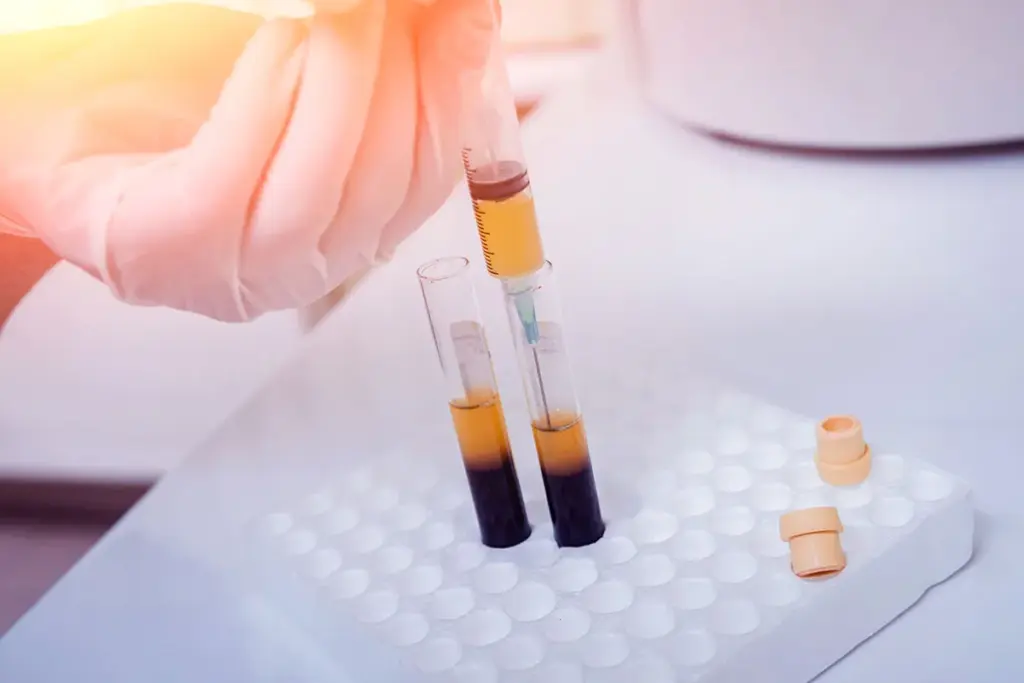
Platelets, or thrombocytes, are tiny blood cells that help our body form clots and stop bleeding. They are made in the bone marrow and move through our blood. Knowing about platelets is key to understanding bleeding disorders like thrombocytopenia.
What Are Platelets?
Platelets are small, colorless cell fragments made from megakaryocytes in the bone marrow. They live for about 8 to 12 days. They are always being made and removed from our blood.
Normal Platelet Count Range
A normal platelet count is between 150,000 to 450,000 platelets per microliter of blood. This number can vary slightly between labs but usually stays within this range. A platelet count in this range is important for proper blood clotting.
The Role of Platelets in Blood Clotting
When a blood vessel gets injured, platelets gather at the injury site. They form a platelet plug. Then, fibrin, a clotting protein, strengthens the plug, making a stable blood clot. This stops too much bleeding. Platelets are essential for keeping our blood vessels healthy, preventing big blood losses from small injuries.
What is Thrombocytopenia?
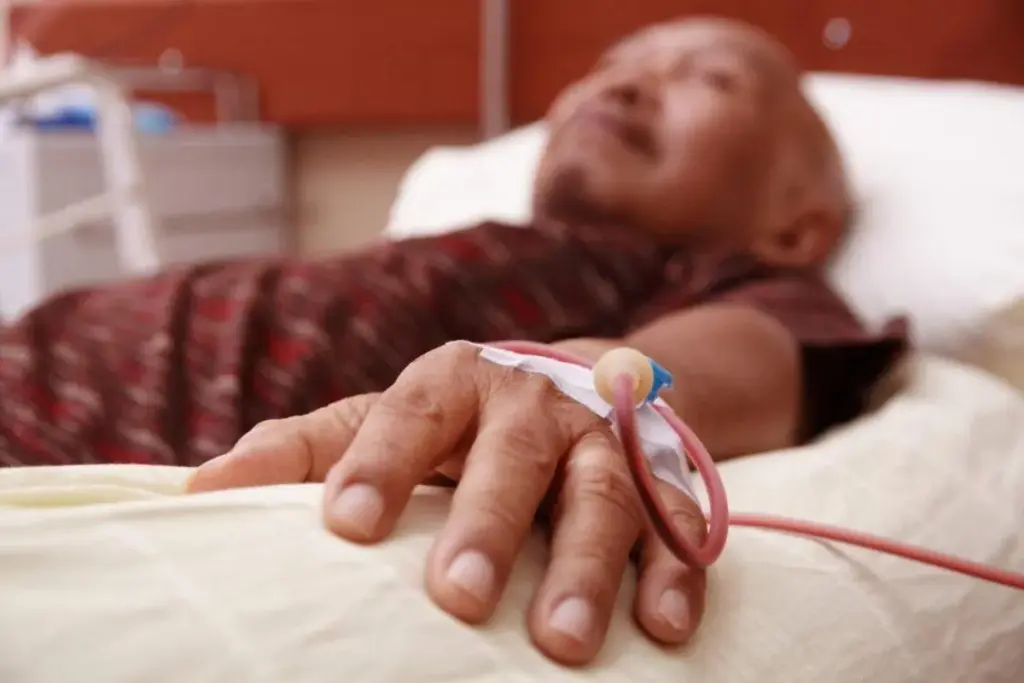
Thrombocytopenia is a condition where there are not enough platelets in the blood. Platelets are key for blood to clot. Without enough, bleeding can become a big problem.
Definition and Classification
Thrombocytopenia is defined by a platelet count below the normal range. This means having less than 150,000 platelets per microliter of blood. It can happen for several reasons, like not making enough platelets, losing them too fast, or having them stuck somewhere.
Knowing why it happens helps doctors figure out how to treat it.
Prevalence and Demographics
Thrombocytopenia can hit anyone, at any age. How common it is depends on the cause. Some medicines and health issues can raise the risk.
Severity Levels of Low Platelet Count
The severity of thrombocytopenia depends on the platelet count. It’s split into mild, moderate, and severe. Mild thrombocytopenia might not cause many symptoms. But severe thrombocytopenia can lead to serious bleeding issues.
Knowing how severe it is helps in managing it better.
Common Signs and Symptoms of Low Platelets
It’s important to know the signs of low platelets early. This helps in treating thrombocytopenia quickly. Low platelets make it hard for the body to form blood clots, leading to bleeding symptoms.
Easy or Excessive Bruising
Easy or excessive bruising is a common sign. Bruising happens when blood leaks into the skin. With fewer platelets, blood doesn’t clot well, causing bigger or more bruises. If you see bruises without a reason, it could mean you have thrombocytopenia.
Petechiae: Tiny Red or Purple Spots
Petechiae are tiny red or purple spots under the skin. They happen when small blood vessels break. These spots can show up anywhere and are more visible on lighter skin. While they can mean other things, they’re a sign of thrombocytopenia if you have other symptoms too.
Prolonged Bleeding from Minor Cuts
Prolonged bleeding from small cuts is another sign. Low platelets make even small wounds bleed a lot. This is because the body can’t clot blood as well. If you bleed a lot, see a doctor to find out why.
Advanced Symptoms of Thrombocytopenia
Advanced symptoms of thrombocytopenia can be very hard to deal with and need quick medical help. As the condition gets worse, people may face severe symptoms that really affect their daily life.
Bleeding Gums and Nosebleeds
Bleeding gums and nosebleeds are signs of advanced symptoms. This happens because the body can’t make blood clots well. So, even small injuries or no reason at all can cause bleeding.
Heavy Menstrual Bleeding
Women with thrombocytopenia might have heavy menstrual bleeding. This can cause a lot of pain and lead to anemia. The low platelet count makes it hard for the body to stop bleeding during periods.
Blood in Urine or Stool
Seeing blood in urine or stool is another serious symptom. It means there’s internal bleeding, a big problem with thrombocytopenia. Finding blood in these places means you need to see a doctor right away.
|
Symptom |
Description |
Potential Complication |
|---|---|---|
|
Bleeding Gums and Nosebleeds |
Prolonged bleeding due to low platelet count |
Anemia, significant blood loss |
|
Heavy Menstrual Bleeding |
Excessive bleeding during menstruation |
Anemia, discomfort |
|
Blood in Urine or Stool |
Sign of internal bleeding |
Serious internal bleeding, organ damage |
It’s very important to know these advanced symptoms and get medical help fast. If you or someone you know is showing these signs, they need to see a doctor quickly.
Life-Threatening Complications of Severe Thrombocytopenia
Severe thrombocytopenia can cause serious problems that need quick medical help. When platelet counts are very low, the body can’t make blood clots well. This makes bleeding more likely.
Internal Bleeding Risks
Internal bleeding is a big risk with severe thrombocytopenia. It can happen in different parts of the body, like the stomach. If not treated fast, it can cause a lot of blood loss. Internal bleeding is very dangerous and needs quick medical help.
Brain Hemorrhage Concerns
Brain hemorrhage is a serious problem with severe thrombocytopenia. It’s when blood bleeds into the brain. This can cause brain damage or even death. The risk of brain hemorrhage is higher when platelet counts are very low.
When to Seek Emergency Care
If symptoms of severe thrombocytopenia get worse, or if you see signs of severe bleeding, get emergency care. Quick medical help can stop serious problems. If you have heavy nosebleeds, bleeding gums, or blood in urine or stool, don’t wait. Go to the emergency room right away.
Risk Factors for Developing Low Platelet Count
Knowing the risk factors for thrombocytopenia is key for early detection and prevention. We will look at the factors that can raise the chance of having low platelet count.
Genetic Predispositions
Some people are born with genetic conditions that affect platelet production or function. For example, Wiskott-Aldrich syndrome or May-Hegglin anomaly can cause thrombocytopenia. Research on NCBI shows that knowing these genetic predispositions helps manage the condition well.
Age and Gender Considerations
Age and gender can also affect the risk of thrombocytopenia. Older adults might be more at risk because of less bone marrow function. Also, some studies find that women are more likely to get thrombocytopenia due to autoimmune disorders.
Pre-existing Medical Conditions
Certain medical conditions, like autoimmune diseases (e.g., lupus), viral infections (e.g., HIV, hepatitis C), and cancers (e.g., leukemia), can raise the risk of low platelet count. It’s important to manage these conditions well to prevent thrombocytopenia.
|
Risk Factor |
Description |
|---|---|
|
Genetic Predispositions |
Conditions like Wiskott-Aldrich syndrome or May-Hegglin anomaly |
|
Age and Gender |
Older adults and women with autoimmune disorders are more susceptible |
|
Pre-existing Medical Conditions |
Autoimmune diseases, viral infections, and certain cancers |
By knowing these risk factors, people can take steps to lower their chance of getting thrombocytopenia.
Causes of Low Platelet Count
Thrombocytopenia comes from several factors affecting platelet production, destruction, and distribution. Knowing these causes helps in diagnosing and treating the condition well.
Decreased Platelet Production
One main reason for thrombocytopenia is when the bone marrow doesn’t make enough platelets. This can happen due to bone marrow failure, leukemia, or other issues. Bone marrow disorders can really affect platelet production, causing thrombocytopenia.
Increased Platelet Destruction
Another big reason for low platelet count is when the immune system attacks and destroys platelets. This is seen in conditions like immune thrombocytopenia purpura (ITP), where autoantibodies target platelets for destruction.
Platelet Sequestration
Platelet sequestration happens when platelets get stuck in the spleen, leading to thrombocytopenia. An enlarged spleen, or splenomegaly, can hold a lot of platelets, lowering their count in the blood. This usually comes from liver diseases, infections, or other conditions that make the spleen big.
Understanding these causes—decreased platelet production, increased platelet destruction, and platelet sequestration—helps us tackle thrombocytopenia better. Each cause gives us clues about the underlying problem and guides how to treat it.
Medical Conditions Associated with Thrombocytopenia
It’s important to know the medical conditions linked to thrombocytopenia for proper diagnosis and treatment. Thrombocytopenia can stem from many health issues. So, finding the main cause is key.
Autoimmune Disorders
Autoimmune disorders happen when the body attacks its own cells. In the case of thrombocytopenia, conditions like Immune Thrombocytopenic Purpura (ITP) can cause low platelet counts. ITP makes the immune system attack platelets, marking them for destruction.
Viral and Bacterial Infections
Viral and bacterial infections can also lead to thrombocytopenia. Viral infections, such as HIV and Hepatitis C, can harm platelet production or cause the immune system to destroy them. Bacterial infections, like Sepsis, can cause thrombocytopenia by starting widespread inflammation and clotting.
Cancer and Related Conditions
Cancer and its treatments can greatly affect platelet counts. Some cancers, like leukemia, can fill the bone marrow, reducing platelet production. Chemotherapy and radiation therapy can also weaken the bone marrow, causing thrombocytopenia.
Identifying these medical conditions is crucial for managing thrombocytopenia well. By understanding the underlying causes, healthcare providers can create specific treatment plans. These plans aim to address both the low platelet count and the related medical condition.
Medication-Induced Thrombocytopenia
Some medicines can lower our platelet count, causing thrombocytopenia. This happens when drugs either slow down platelet making or speed up their destruction. Knowing the side effects of medicines is key to staying healthy.
Common Medications That Affect Platelet Count
Many drugs can lead to thrombocytopenia. These include antibiotics, anticonvulsants, and chemotherapy drugs like methotrexate. These drugs can harm the bone marrow’s platelet-making ability.
Chemotherapy and Platelet Reduction
Chemotherapy is a major cause of thrombocytopenia. It targets fast-growing cells, including those in the bone marrow that make platelets. So, patients on chemotherapy often see their platelet count drop.
Heparin-Induced Thrombocytopenia
Heparin-induced thrombocytopenia (HIT) is a serious issue for some heparin users. It’s caused by an immune reaction that makes platelets get destroyed. This can lead to severe blood clots.
Diagnosing Low Platelet Count
When symptoms of low platelet count show up, doctors do a detailed check to find out why and how bad it is. They use lab tests and physical checks to figure it out.
Complete Blood Count (CBC) Testing
The first thing doctors do is a Complete Blood Count (CBC) test. This test counts the platelets in your blood. It shows if you have thrombocytopenia. The CBC also checks other blood parts to rule out other problems.
Blood Smear Examination
If the CBC shows low platelets, a blood smear test might be done. This test looks at blood under a microscope. It checks if platelets are the right size and shape. It can also spot other blood issues.
Bone Marrow Assessment
Sometimes, a bone marrow test is needed to find out why platelets are low. This test takes a bone marrow sample for study. It can show if there’s a problem with making platelets, like bone marrow failure.
These tests are key to figuring out why platelets are low. They help doctors create a treatment plan just for you. Knowing the cause and how bad it is helps doctors help you better.
Understanding MPV and Other Blood Test Results
The Mean Platelet Volume (MPV) blood test is key for checking platelet health. It shows the average size of platelets in the blood. This size can tell us about platelet function and how they are made.
What is Mean Platelet Volume (MPV)?
MPV shows the average size of platelets. Big platelets might mean a higher risk of blood clots. Small platelets could point to issues with making platelets.
Interpreting High and Low MPV Values
A high MPV means your platelets are bigger than usual. This could lead to more clotting. On the other hand, a low MPV means your platelets are smaller. This might show problems with making platelets or bone marrow issues.
Other Relevant Blood Test Parameters
Other tests like platelet count and white blood cell count give a full picture of blood health. These tests help find issues like anemia, infections, or leukemia. These problems can affect platelet levels.
Looking at MPV and other blood tests helps doctors understand what’s going on. This leads to better diagnosis and treatment plans.
Treatment Options for Thrombocytopenia
Managing thrombocytopenia requires different strategies based on the cause and severity. We will look at how to effectively handle low platelet counts.
Treating Underlying Causes
It’s key to find and treat the root cause of thrombocytopenia. This might mean managing other health issues, changing meds that harm platelets, or fixing nutritional gaps that affect platelet making.
Medication Therapies
Medicines are a big part of treating thrombocytopenia. They help make more platelets or stop them from being destroyed. Corticosteroids are often the first choice because they boost platelet count by calming the immune system’s attack.
Immunosuppressive drugs are used when the immune system is attacking platelets. These drugs slow down the immune system’s attack, helping to raise platelet counts.
Platelet Transfusions
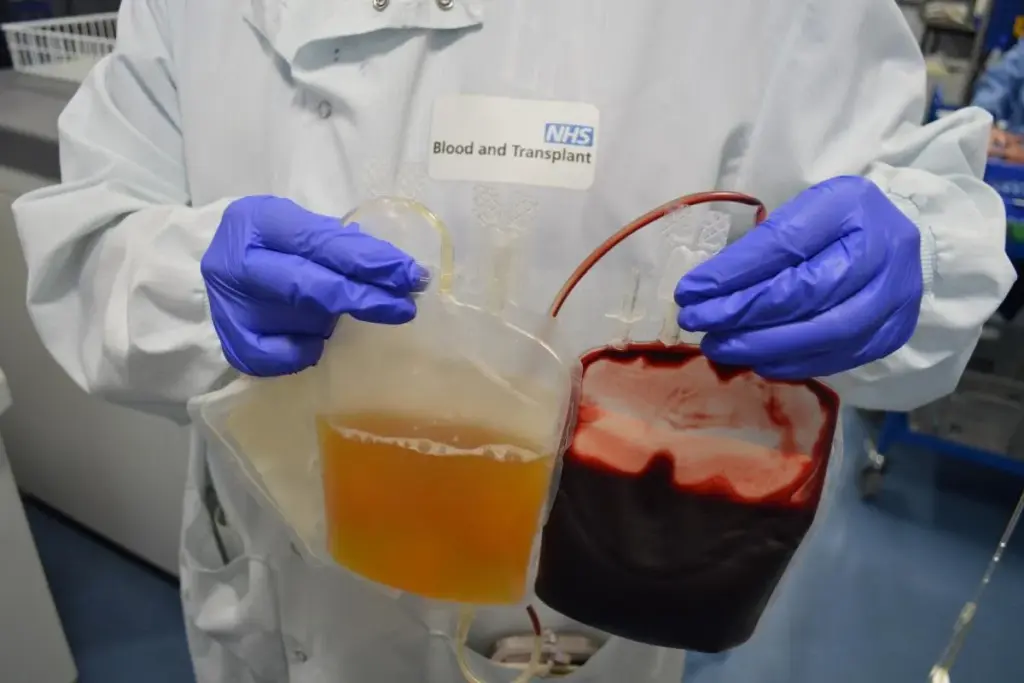
In severe cases, especially when there’s a lot of bleeding, platelet transfusions are needed. This involves giving the patient donor platelets to quickly up their platelet count.
We decide if platelet transfusions are needed based on how bad the thrombocytopenia is and if there’s bleeding.
Advanced Treatments for Severe Cases
When first treatments don’t work, more advanced options can help. These treatments aim to fix the root cause of severe thrombocytopenia. They also help manage its symptoms well.
Surgical Interventions
In some cases, surgery is needed to treat severe thrombocytopenia. A splenectomy is one such procedure. It involves removing the spleen.
The spleen often destroys platelets too early. Removing it can help raise platelet counts.
Immunosuppressive Therapies
For those with autoimmune thrombocytopenia, immunosuppressive therapies can be a good choice. These treatments calm down the immune system’s attack on platelets. This helps increase platelet counts.
Thrombopoietin Receptor Agonists
Thrombopoietin receptor agonists are drugs that boost platelet production in the bone marrow. They act like thrombopoietin, a natural protein that helps make platelets.
|
Treatment Option |
Description |
Benefits |
|---|---|---|
|
Splenectomy |
Surgical removal of the spleen |
Can increase platelet counts by reducing platelet destruction |
|
Immunosuppressive Therapies |
Suppresses the immune system’s attack on platelets |
Effective for autoimmune-related thrombocytopenia |
|
Thrombopoietin Receptor Agonists |
Stimulates platelet production in the bone marrow |
Increases platelet counts, reducing the risk of bleeding |
Special Considerations for Different Populations
Children, pregnant women, and the elderly have unique needs for managing thrombocytopenia. It’s important to understand these special considerations for effective care.
Thrombocytopenia in Children
Children with thrombocytopenia need close monitoring because of their active lifestyle. This lifestyle can raise the risk of injury and bleeding. Regular check-ups and adjustments to treatment plans are key to managing the condition well.
Pregnancy and Low Platelet Count
Pregnancy can make thrombocytopenia more complicated due to changes in blood volume and clotting factors. Close monitoring by healthcare providers is crucial for the health of both mother and fetus. In some cases, thrombocytopenia may go away after pregnancy.
Elderly Patients with Thrombocytopenia
Elderly patients often face challenges due to comorbid conditions that complicate thrombocytopenia management. Careful consideration of their overall health and potential medication interactions is vital.
|
Population |
Key Considerations |
|---|---|
|
Children |
Active lifestyle, risk of injury, regular monitoring |
|
Pregnant Women |
Changes in blood volume, close monitoring |
|
Elderly Patients |
Comorbid conditions, medication interactions |
Living with Thrombocytopenia
Living with thrombocytopenia can be tough, but with the right steps, you can stay active. This condition means you have fewer platelets, which can lead to bleeding. So, managing it well is key to avoid bleeding issues.
Daily Precautions to Prevent Bleeding
To handle thrombocytopenia, taking daily steps to avoid bleeding is crucial. Be gentle when doing everyday tasks. Avoid sports that could cause injuries. Use soft toothbrushes to stop gum bleeding.
Using a humidifier helps prevent nosebleeds, especially when it’s dry outside.
Activity Modifications
Changing how you do daily activities is important for those with thrombocytopenia. Avoid heavy lifting, bending, or hard exercises that might hurt you. Instead, try gentle exercises like yoga or short walks. They help your blood flow without risking bleeding.
When to Consult Your Healthcare Provider
Knowing when to see a doctor is key. If you have severe bleeding signs like heavy periods, blood in urine or stool, or lots of nosebleeds, see your healthcare provider right away. Regular visits help keep an eye on your health and adjust treatments as needed.
Support Resources and Groups
Dealing with thrombocytopenia can also affect your mood. Joining support groups or online forums can help. You’ll find people who get what you’re going through. They offer emotional support and tips on managing thrombocytopenia.
Conclusion: Managing and Understanding Low Platelet Count
Managing thrombocytopenia needs a full approach. This includes knowing the signs, finding the cause, and using good treatments. At Liv Hospital, we aim to give top-notch care to patients worldwide, especially those with low platelet counts.
Handling thrombocytopenia well means using medicine, changing lifestyle habits, and keeping an eye on health. Patients can prevent serious issues and live better by understanding their condition.
Our team is all about giving personal care and support to those with thrombocytopenia. We work hard to ensure our patients get the best care. Our goal is to improve the lives of those dealing with this condition.
FAQ
What is thrombocytopenia?
Thrombocytopenia is when you have too few platelets in your blood. Platelets help stop bleeding when you get hurt. Having too few can cause bleeding problems.
What are the normal platelet count ranges?
Normal platelet counts are between 150,000 and 450,000 per microliter of blood.
What are the symptoms of thrombocytopenia?
Symptoms include easy bruising and tiny red spots under the skin. You might also bleed a lot from small cuts. More serious signs are bleeding gums, nosebleeds, and blood in urine or stool.
What is Mean Platelet Volume (MPV)?
MPV shows the average size of your platelets. It helps doctors check if your platelets are healthy.
How is thrombocytopenia diagnosed?
Doctors use a CBC test and a blood smear to diagnose it. Sometimes, they also do a bone marrow test. These tests help find the cause and confirm the diagnosis.
What are the treatment options for thrombocytopenia?
Treatment depends on the cause. It might include medicines to help your body make more platelets. In severe cases, you might need a platelet transfusion.
Can certain medications cause thrombocytopenia?
Yes, some medicines can lower your platelet count. This includes drugs that affect platelets and chemotherapy that reduces them. Heparin-induced thrombocytopenia is another example.
Are there any risk factors for developing thrombocytopenia?
Yes, there are. Genetic factors, age, and gender play a role. So do certain health conditions like infections and cancer.
How can I manage daily life with thrombocytopenia?
To manage it, avoid activities that might cause bleeding. Take precautions and know when to see a doctor. Support groups can also help.
What are the life-threatening complications of severe thrombocytopenia?
Severe cases can cause serious bleeding inside your body. This includes brain hemorrhages. You need immediate medical help if this happens.
Is thrombocytopenia a condition that can be treated in different populations, such as children and pregnant women?
Yes, it can be treated in various groups. But, children, pregnant women, and the elderly need special care. Their treatment plans might differ.
References
National Center for Biotechnology Information. Evidence-Based Medical Insight. Retrieved from https://www.ncbi.nlm.nih.gov/books/NBK542208/