

At Liv Hospital, we offer top-notch healthcare for international patients. Polycythemia vera affects about 2 in every 100,000 people, usually diagnosed in the 60s. Knowing the causes, signs, and treatments is key to managing it well.
Key Takeaways
- Polycythemia vera is a rare condition causing an overproduction of red blood cells.
- It is typically diagnosed around age 60 and affects 2 in every 100,000 people.
- Understanding the causes and symptoms is critical for effective management.
- Liv Hospital provides full support for international patients with this condition.
- Early diagnosis and treatment can greatly improve patient outcomes.
Understanding Red Blood Cell Production
Normal Bone Marrow Function
Bone marrow is the spongy tissue inside bones like hips and thighbones. It makes blood cells, including red blood cells, white blood cells, and platelets. Normal bone marrow function is key to keeping healthy blood cell counts.
The Role of Red Blood Cells in the Body
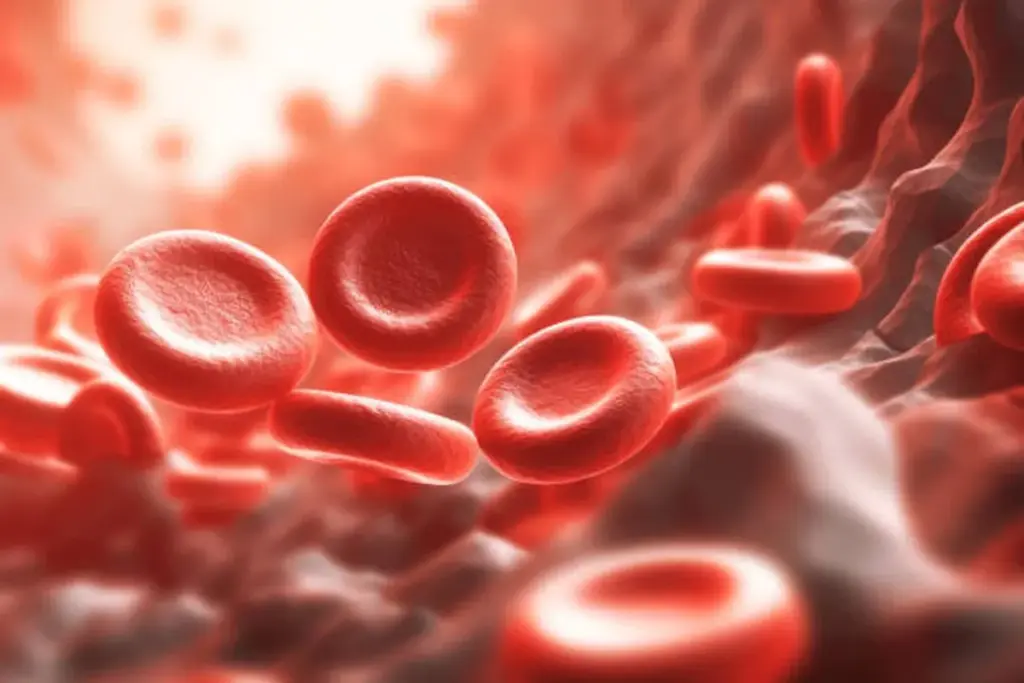
Red blood cells carry oxygen from the lungs to the body’s tissues and carbon dioxide back to the lungs. They have a protein called hemoglobin that binds to oxygen. Red blood cells are flexible and durable, allowing them to move through tiny blood vessels.
“The primary function of red blood cells is to deliver oxygen to the body’s tissues, making them indispensable for maintaining life.”
Medical Literature
Regulation of Red Blood Cell Production
Red blood cell production is controlled by several factors, including erythropoietin (EPO), a hormone made by the kidneys. EPO tells the bone marrow to make more red blood cells. Iron, vitamin B12, and folate are also important for making healthy red blood cells. An imbalance in these factors can cause anemia or polycythemia.
|
Factor |
Role in Red Blood Cell Production |
|---|---|
|
Erythropoietin (EPO) |
Stimulates the bone marrow to produce red blood cells |
|
Iron |
Essential for the production of hemoglobin |
|
Vitamin B12 |
Necessary for the production of DNA in red blood cells |
|
Folate |
Critical for DNA synthesis and repair in red blood cells |
What is Polycythemia?
Polycythemia happens when the body makes too many red blood cells. This can change the blood’s makeup and affect health. Knowing about polycythemia helps manage its effects and complications.
Definition and Overview
Polycythemia means there are more red blood cells in the blood than usual. It can be caused by genetic problems, long-term lack of oxygen, or other health issues. Polycythemia can be either primary, known as polycythemia vera, or secondary, caused by other medical problems.
Types of Polycythemia
There are two main types of polycythemia: primary and secondary. Primary polycythemia, or polycythemia vera, is a disorder where the bone marrow makes too many red blood cells because of genetic changes. Secondary polycythemiahappens because of things like long-term lack of oxygen or tumors.
How Polycythemia Differs from Other Blood Disorders
Polycythemia is different from other blood disorders because it involves too many red blood cells. Unlike anemia, which has too few red blood cells, polycythemia can make blood thicker and increase the risk of blood clots.
|
Condition |
Red Blood Cell Count |
Causes |
Complications |
|---|---|---|---|
|
Polycythemia |
Increased |
Genetic, hypoxia, tumors |
Thrombosis, hyperviscosity |
|
Anemia |
Decreased |
Iron deficiency, blood loss |
Fatigue, weakness |
|
Leukemia |
Variable |
Genetic mutations |
Bleeding, infections |
Primary Polycythemia: Polycythemia Vera
Polycythemia vera is a condition where the bone marrow makes too many red blood cells. It leads to an overproduction of red, white blood cells, and platelets. Knowing about polycythemia vera helps manage symptoms and avoid complications.
Characteristics of Polycythemia Vera
Polycythemia vera affects the bone marrow, causing it to make too many blood cells. This can make blood thicker, raising the risk of blood clots. It also causes the spleen to grow and may lead to JAK2 gene mutations.
Prevalence and Demographics
Polycythemia vera is rare, with about 1-3 cases per 100,000 people each year. It usually hits people over 60, with men getting it more than women. The numbers can change based on where you live and your genes.
|
Demographic |
Characteristics |
|---|---|
|
Age |
Typically diagnosed in individuals over 60 years old |
|
Gender |
More common in men than women |
|
Incidence |
1-3 cases per 100,000 people per year |
Risk Factors for Developing Polycythemia Vera
The exact cause of polycythemia vera is not known. But genetic mutations, like the JAK2 mutation, are key. Other risks include chemicals and radiation exposure. Knowing these can help catch and manage the disease early.
Genetic testing for JAK2 can show if you’re at risk for polycythemia vera. More research on genes and environment will help us understand this condition better.
The JAK2 Mutation: The Genetic Culprit
The JAK2 mutation is a genetic change linked to polycythemia vera. This condition makes the bone marrow produce too many red blood cells. Knowing about this mutation is key for diagnosing and treating the condition.
How JAK2 Mutations Affect Blood Cell Production
The JAK2 mutation makes the bone marrow produce too many red blood cells. Normally, the JAK2 gene helps control blood cell production. But the mutation keeps the JAK2 protein active all the time, leading to too many red blood cells.
This can make the blood thick and increase the risk of blood clots. Most patients with polycythemia vera have this mutation. It’s a major sign of the condition.
Genetic Testing for Polycythemia Vera
Testing for the JAK2 mutation is vital for diagnosing polycythemia vera. This test looks for the JAK2 V617F mutation in a blood sample. It’s the most common mutation found in the condition.
A positive test can confirm polycythemia vera in patients with high red blood cell counts. But, not all patients with the condition will have this mutation. Other signs must also be considered.
|
Genetic Test |
Purpose |
Significance in Polycythemia Vera |
|---|---|---|
|
JAK2 V617F Mutation Test |
Detects the presence of the JAK2 mutation |
Confirms diagnosis in patients with indicative signs |
|
Other Genetic Tests |
Identifies other genetic mutations that may contribute to myeloproliferative neoplasms |
Helps in understanding the underlying cause and possible complications |
Other Genetic Factors in Polycythemia
While the JAK2 mutation is well-known, other genetic changes also play a role. Mutations in MPL and CALR genes are involved in blood cell production. These genes are part of the signaling pathways.
Understanding these genetic factors is important for a full diagnosis and treatment. Research into these factors is ongoing. It offers new insights into polycythemia vera’s causes and management.
Secondary Polycythemia: When Other Conditions Cause High Red Blood Cell Counts
Polycythemia vera is well-known for causing high red blood cell counts. But secondary polycythemia is also a big issue. It happens when other health problems make the body produce more red blood cells.
Many factors can cause secondary polycythemia. We’ll look at these causes to understand how they lead to this condition.
Chronic Lung Diseases and Hypoxia
Chronic lung diseases like COPD can cause hypoxia. This is when the body or part of it doesn’t get enough oxygen. The body then makes more erythropoietin (EPO) to make more red blood cells. So, people with these lung diseases might get secondary polycythemia.
Key lung conditions that can lead to secondary polycythemia include:
- COPD
- Pulmonary fibrosis
- Cystic fibrosis
Heart Conditions Leading to Secondary Polycythemia
Some heart conditions can also cause secondary polycythemia. For example, congenital heart disease, like cyanotic congenital heart disease, can cause chronic hypoxia. This makes the body make more red blood cells. Heart failure can also make it hard for the body to get oxygen to tissues, leading to more red blood cells.
The link between heart conditions and secondary polycythemia shows how important it is to take care of heart health.
Hormone-Related Causes Including Testosterone Therapy
Hormones, like testosterone, can also make the body produce more red blood cells. Testosterone can increase EPO production, leading to more red blood cells. Other hormone-related conditions, like tumors that make EPO, can also cause secondary polycythemia.
Tumor-Induced Secondary Polycythemia
Certain tumors, like renal cell carcinoma and hepatocellular carcinoma, can cause secondary polycythemia. These tumors can make too much EPO, leading to more red blood cells.
Knowing the causes of secondary polycythemia is key to managing it. By treating the underlying condition, doctors can help reduce the risks of having too many red blood cells.
Recognizing the Symptoms of Polycythemia
Polycythemia is a condition where too many red blood cells are made. This can really affect how well someone lives their life. The symptoms can change based on the type of polycythemia.
Common Symptoms of Polycythemia Vera
Polycythemia vera is a type of blood disorder. It makes blood thicker because of more red blood cells. This can cause:
- Headaches and dizziness
- Itching, often after a warm bath or shower
- Red skin, often on the face
- Fatigue and weakness
- Bleeding or bruising easily
The thick blood can make it harder for blood to flow and oxygen to reach tissues.
Symptoms of Secondary Polycythemia
Secondary polycythemia happens due to things like low oxygen or tumors. It can cause similar symptoms as polycythemia vera, like:
- Shortness of breath
- Fatigue
- Dizziness or lightheadedness
- Headaches
The symptoms can depend on what’s causing the secondary polycythemia.
When to Seek Medical Attention
If symptoms don’t go away or are very bad, see a doctor. Early treatment can make a big difference in how well you feel.
|
Symptom |
Action |
|---|---|
|
Persistent headaches or dizziness |
Consult a healthcare provider |
|
Unexplained fatigue or weakness |
Schedule a medical evaluation |
|
Shortness of breath or chest pain |
Seek immediate medical care |
Quality of Life Impact
Polycythemia symptoms can really affect your life. They can make everyday tasks harder and affect your sleep and mood. It’s important to manage these symptoms well.
Knowing the symptoms of polycythemia helps patients and doctors work together. This way, they can manage the condition better and improve daily life.
Diagnosing Elevated Red Blood Cell Counts
To find out if you have too many red blood cells, doctors use blood tests, bone marrow biopsies, and imaging studies. These steps help figure out if it’s a primary issue like polycythemia vera or if something else is causing it.
Blood Tests and Laboratory Findings
First, doctors do blood tests to check for too many red blood cells. A complete blood count (CBC) looks at red, white blood cells, and platelets. In polycythemia vera, the CBC shows more red blood cells and sometimes more white blood cells and platelets too.
More tests might include:
- Erythropoietin (EPO) level: Low EPO levels can indicate polycythemia vera.
- JAK2 mutation testing: Finding the JAK2 V617F mutation helps confirm polycythemia vera.
- Arterial blood gas analysis: This checks oxygen levels in the blood.
|
Blood Test |
Typical Findings in Polycythemia Vera |
|---|---|
|
CBC |
Increased red blood cell count, often with increased white blood cell and platelet counts |
|
EPO level |
Low |
|
JAK2 mutation testing |
Presence of JAK2 V617F mutation |
Bone Marrow Biopsy Procedures
A bone marrow biopsy takes a small bone marrow sample for testing. In polycythemia vera, the bone marrow looks too busy with more red blood cell precursors.
The National Institutes of Health says bone marrow biopsies are key for diagnosing myeloproliferative neoplasms like polycythemia vera. They help check the bone marrow’s cell count and shape.
Imaging Studies for Secondary Causes
Imaging tests help find why you might have too many red blood cells. They look for problems like kidney or liver issues.
- Ultrasound or CT scans to detect kidney or liver abnormalities.
- Chest X-rays or CT scans to evaluate lung conditions.
- Sleep studies to diagnose sleep apnea.
Knowing the cause helps manage secondary polycythemia better.
Differentiating Between Types of Polycythemia
It’s important to tell primary from secondary polycythemia. The tests mentioned help make this distinction.
“Diagnosing polycythemia vera needs clinical findings, blood tests, and sometimes bone marrow biopsies. It’s a detailed process to rule out other causes of high red blood cell counts.”
Understanding these tests helps doctors create the right treatment plan for each type of polycythemia.
Complications of Untreated Polycythemia
If polycythemia is not treated, it can cause serious health problems. This condition makes the body produce too many red blood cells. If not managed, it can harm the body in many ways.
Blood Clots and Thrombosis Risks
Untreated polycythemia can lead to blood clots. Thrombosis happens when a blood clot blocks a blood vessel. This can cause strokes, heart attacks, and deep vein thrombosis.
The blood’s thickening due to too many red blood cells increases clot risk. Other factors like age, smoking, and heart disease history also play a role.
Hyperviscosity Syndrome
Hyperviscosity syndrome makes blood thick. This makes it hard for blood to flow, causing headaches, dizziness, and fatigue. In severe cases, it can lead to vision problems and neurological issues.
Splenomegaly (Enlarged Spleen)
Splenomegaly, or an enlarged spleen, is common in polycythemia vera. The spleen works too hard and gets big because of too many red blood cells. This can cause pain in the upper left abdomen.
An enlarged spleen can also cause anemia and low platelet count.
Progression to Other Blood Disorders
Untreated polycythemia vera can turn into other blood disorders. Regular checks are key to catch any signs early.
|
Complication |
Description |
Risks |
|---|---|---|
|
Blood Clots and Thrombosis |
Formation of clots within blood vessels |
Stroke, heart attack, deep vein thrombosis |
|
Hyperviscosity Syndrome |
Increased blood viscosity impairing blood flow |
Headaches, dizziness, fatigue, vision disturbances |
|
Splenomegaly |
Enlargement of the spleen due to excessive red blood cells |
Discomfort, pain, anemia, low platelet count |
|
Progression to Other Blood Disorders |
Evolution into other myeloproliferative neoplasms or leukemia |
Increased risk of mortality, complex treatment regimens |
Treatment Options for Polycythemia Vera
The main goal of treating polycythemia vera is to lower the risk of blood clots. To do this, doctors use different treatment methods.
Phlebotomy (Therapeutic Bloodletting)
Phlebotomy is a common treatment for polycythemia vera. It involves taking blood out of the body to lower red blood cell counts. This helps prevent blood clots and relieves symptoms.
The number of phlebotomy sessions varies based on the patient’s condition and symptoms.
Medications to Reduce Blood Cell Production
In some cases, doctors prescribe medications to lower blood cell production. These drugs can manage the condition by reducing red and white blood cells, and platelets. Hydroxyurea is a common drug used for this.
It slows down blood cell production in the bone marrow.
Targeted Therapies for JAK2 Mutations
Targeted therapies are a new and promising treatment for polycythemia vera, mainly for those with JAK2 mutations. Ruxolitinib is a JAK inhibitor that helps manage symptoms. It blocks the JAK2 enzyme, which is key in blood cell production.
Aspirin Therapy for Preventing Clots
Aspirin therapy is often suggested for polycythemia vera patients to prevent blood clots. Low-dose aspirin reduces the risk of blood clots by stopping platelet clumping. But, aspirin use must be watched closely because it can increase bleeding risks.
Understanding the different treatments helps doctors create a plan that meets each patient’s needs with polycythemia vera.
Managing Secondary Polycythemia
Managing secondary polycythemia means finding and fixing the cause. This helps lower the risk of too many red blood cells. It also makes life better for patients.
Treating the Underlying Cause
The main way to manage secondary polycythemia is to treat the cause. This could be a lung disease, heart issue, or hormone problem. Fixing the cause can bring the red blood cell count back to normal.
For example, if it’s caused by lung disease, treatments might include medicines, lung therapy, and quitting smoking.
Oxygen Therapy for Hypoxia-Related Cases
Oxygen therapy is key for cases caused by low blood oxygen. It raises blood oxygen levels. This can lower red blood cell production.
It’s very helpful for people with COPD or other hypoxia conditions. The goal is to keep oxygen levels right, stopping the need for more red blood cells.
Adjusting Hormone Treatments
Secondary polycythemia can also be caused by hormone treatments, like testosterone. Changing or stopping these treatments can help manage the condition.
Doctors and patients work together to balance hormone therapy benefits and risks. They might look at other treatments or adjust dosages to lower risks.
Monitoring and Follow-up Care
Regular checks and follow-ups are key in managing secondary polycythemia. This includes blood tests to check red blood cell count and other important levels.
|
Monitoring Parameter |
Frequency |
Purpose |
|---|---|---|
|
Red Blood Cell Count |
Every 3-6 months |
To assess the effectiveness of treatment and adjust as necessary |
|
Hematocrit Levels |
Every 3-6 months |
To evaluate the proportion of red blood cells in the blood |
|
Oxygen Saturation |
As needed based on condition |
To assess the need for oxygen therapy |
By watching these levels and adjusting treatments, doctors can manage secondary polycythemia well. This improves patient outcomes.
Polycythemia as a Myeloproliferative Neoplasm
It’s important to know that polycythemia vera is a type of myeloproliferative neoplasm. These diseases cause the bone marrow to make too many blood cells. Polycythemia vera is special because it affects the production of red blood cells.
World Health Organization Classification
The World Health Organization (WHO) says polycythemia vera is a myeloproliferative neoplasm. They use certain criteria to make this diagnosis. These include the JAK2 mutation, high hemoglobin or hematocrit levels, and specific bone marrow findings.
Key diagnostic criteria for polycythemia vera include:
- Presence of JAK2V617F or other JAK2 mutations
- Elevated hemoglobin or hematocrit levels
- Characteristic bone marrow morphology
- Low erythropoietin levels
Related Myeloproliferative Disorders
Polycythemia vera is closely related to other myeloproliferative neoplasms. These include essential thrombocythemia and primary myelofibrosis. They share genetic mutations like JAK2, MPL, or CALR.
Other myeloproliferative neoplasms include:
- Essential thrombocythemia
- Primary myelofibrosis
- Chronic myeloid leukemia
Differences Between Blood Cancers and Polycythemia
Polycythemia vera is different from other blood cancers. It’s a chronic condition that progresses slowly over years. Unlike acute leukemias, it doesn’t have the same fast progression.
The main differences between polycythemia vera and other blood cancers are:
- Chronic vs. acute presentation
- Specific cell lines involved
- Genetic mutations
Progression and Transformation Risks
People with polycythemia vera can face risks of disease progression. This can lead to more severe conditions like myelofibrosis or acute myeloid leukemia. Regular monitoring and treatment can help manage these risks.
Knowing the risks and watching for signs of progression is key to managing polycythemia vera. We’ll talk about treatment options in the next sections.
Living with Polycythemia: Lifestyle Adjustments
Managing polycythemia involves more than just medicine. Making lifestyle changes is key to reducing risks. These changes help control the condition.
Diet and Hydration Recommendations
Eating a balanced diet is vital for those with polycythemia. Staying hydrated is also important. It helps thin the blood and lowers clot risk. Drinking lots of water is recommended.
Foods high in omega-3s, like salmon and flaxseeds, can also help. They reduce inflammation. But, it’s wise to avoid too much iron. A healthcare provider or nutritionist can help create a diet plan.
Physical Activity Guidelines
Regular exercise is good for health, but with caution for polycythemia. Low-impact exercises like walking, swimming, or yoga are best. They improve circulation without straining the body too much.
It’s important to avoid activities that could lead to injury or bleeding. Always talk to a healthcare provider before starting new exercises.
Managing Cardiovascular Risk Factors
Polycythemia raises the risk of heart problems. It’s critical to manage risk factors like high blood pressure and cholesterol. Monitoring blood pressure regularly is key.
Quitting smoking and drinking less alcohol also helps. Working with a healthcare provider to manage these factors is essential.
Support Groups and Resources
Living with polycythemia can be tough, both physically and emotionally. Joining support groups can help. These groups offer a sense of community and understanding.
Reputable organizations for blood disorders also provide valuable resources. They offer information and guidance. We suggest exploring these resources to improve your management plan.
By making these lifestyle changes, people with polycythemia can manage their condition better. This improves their quality of life.
International Treatment Standards and Protocols
Treatment for polycythemia follows international standards and protocols. These are updated with new research. They help ensure patients get the same quality care everywhere.
Current Medical Guidelines
Today’s guidelines for polycythemia focus on a complete treatment plan. This plan tackles the root cause of the condition. It includes phlebotomy, medicines to slow blood cell production, and therapies for certain genetic changes.
For example, those with polycythemia vera might get JAK2-targeted therapies. These have been proven to manage the condition well and lower complication risks.
Treatment Variations Across Countries
Though global guidelines exist, treatment methods differ by country. These differences stem from various healthcare systems, access to drugs, and local practices. For instance, some places might start treatments more cautiously, while others might be more aggressive.
It’s key to understand these differences to give the best care to patients from all over.
Specialized Treatment Centers
Specialized centers are critical for polycythemia care. They offer teams with deep knowledge in hematology. These centers lead in using new treatments and technologies.
Patients with hard-to-treat polycythemia gain a lot from these centers. They get care plans made just for them.
In summary, global standards for polycythemia aim to ensure top-notch care. By following these guidelines, doctors can give patients the best results, no matter where they are.
Prognosis and Long-term Outlook
Understanding polycythemia vera’s prognosis is key to managing it well. The long-term outlook varies based on treatment success and complications.
Life Expectancy with Polycythemia Vera
Many people with polycythemia vera can live active lives for years. Life expectancy has improved with new treatments. Studies show a median survival rate of 10-20 years after diagnosis.
New treatments like JAK2 inhibitors have helped some patients. Regular check-ups and treatment adjustments are important for a better life expectancy and quality of life.
Disease Progression and Monitoring
Disease progression in polycythemia vera can differ. Some stay stable for years, while others face complications or more severe conditions.
Regular monitoring is key to catch any disease changes early. This includes:
- Regular blood tests to check red blood cell count and other parameters.
- Bone marrow biopsies to assess disease progression.
- Imaging studies to look for complications.
Factors Affecting Prognosis
Several factors can affect polycythemia vera’s prognosis, including:
|
Factor |
Description |
Impact on Prognosis |
|---|---|---|
|
Age at Diagnosis |
Older age at diagnosis |
Generally poorer prognosis |
|
JAK2 Mutation Burden |
Higher mutation burden |
May indicate a more aggressive disease course |
|
History of Thrombosis |
Previous thrombotic events |
Increased risk of future thrombotic events |
Regular Screening Recommendations
Regular screening is vital for managing polycythemia vera. We recommend:
- Regular blood counts and other laboratory tests.
- Periodic bone marrow biopsies.
- Monitoring for signs of disease progression or complications.
By being vigilant and working with healthcare providers, individuals with polycythemia vera can improve their prognosis and quality of life.
Conclusion
Understanding polycythemia is key to managing it well. We’ve looked at its causes, symptoms, diagnosis, and treatments. At Liv Hospital, we aim to offer top-notch healthcare with the latest medical methods and strong ethics.
Polycythemia vera needs a detailed treatment plan, including phlebotomy and specific therapies. For secondary polycythemia, we focus on treating the root cause, like chronic lung diseases or heart issues. Our team is here to give personalized care and support to those with polycythemia.
Knowing about polycythemia and its treatments helps patients manage it better. This can greatly improve their life quality. We hope this info helps you understand and manage polycythemia.
FAQ
What is polycythemia vera?
Polycythemia vera is a rare disease where the body makes too many red blood cells. It often comes from a JAK2 gene mutation.
What are the symptoms of polycythemia vera?
Symptoms include headaches, dizziness, and itching. Fatigue is also common. Some people might see blurry vision or feel numb in their hands and feet.
Others might feel full in their left upper abdomen because of a big spleen.
How is polycythemia vera diagnosed?
Doctors use blood tests to see if there are too many red blood cells. They also do a bone marrow biopsy. And they test for JAK2 mutations.
What is the difference between primary and secondary polycythemia?
Primary polycythemia, or polycythemia vera, is when the bone marrow makes too many red blood cells because of a genetic mutation. Secondary polycythemia happens when other diseases cause the body to make more red blood cells.
What are the treatment options for polycythemia vera?
Treatments include phlebotomy to lower red blood cell count. Doctors also use medicines to slow down blood cell production. There are targeted therapies for JAK2 mutations and aspirin to prevent blood clots.
Can polycythemia vera be cured?
There’s no cure for polycythemia vera. But treatment can manage the condition, reduce symptoms, and prevent complications.
What are the complications of untreated polycythemia?
Untreated polycythemia can cause serious problems. These include blood clots, hyperviscosity syndrome, and a big spleen. It also raises the risk of other blood disorders.
How often should I have my red blood cell count monitored?
How often depends on how severe the condition is and the treatment plan. Regular check-ups with a doctor are key to managing polycythemia well.
Are there any lifestyle changes that can help manage polycythemia?
Yes, making healthy lifestyle choices can help. Eating well, staying hydrated, exercising regularly, and managing heart health can all help manage polycythemia.
What is the prognosis for individuals with polycythemia vera?
The outlook varies based on age, health, and how well treatment works. With good management, many people with polycythemia vera can live active lives.
What is the role of genetic testing in diagnosing polycythemia vera?
Genetic testing is very important. It finds JAK2 mutations in over 95% of polycythemia vera cases. This helps confirm the diagnosis and guides treatment.
Can secondary polycythemia be treated?
Yes, treating the cause of secondary polycythemia can help manage it. This might include oxygen therapy, adjusting hormone treatments, or other interventions.
References:
- Merck Manuals. (n.d.). Polycythemia vera. Retrieved from https://www.merckmanuals.com/home/blood-disorders/myeloproliferative-disorders/polycythemia-vera
- National Organization for Rare Disorders (NORD). (n.d.). Polycythemia Vera. Retrieved from https://rarediseases.org/rare-diseases/polycythemia-vera/
- MedlinePlus. (n.d.). Polycythemia vera. Retrieved from https://medlineplus.gov/genetics/condition/polycythemia-vera/
- Wikipedia contributors. (n.d.). Polycythemia. In Wikipedia. Retrieved from https://en.wikipedia.org/wiki/Polycythemia
- National Cancer Institute. (n.d.). Polycythemia vera Treatment (PDQ®) – Patient Version. Retrieved from https://www.cancer.gov/types/myeloproliferative/patient/polycythemia-vera-treatment-pdq



 Departments
 Related Videos
 Our Doctors
 News
News