Research shows a strong link between diet and colon polyps. These are early signs of colorectal cancer.
Some foods raise the risk of getting these growths. They can turn into cancer over time.
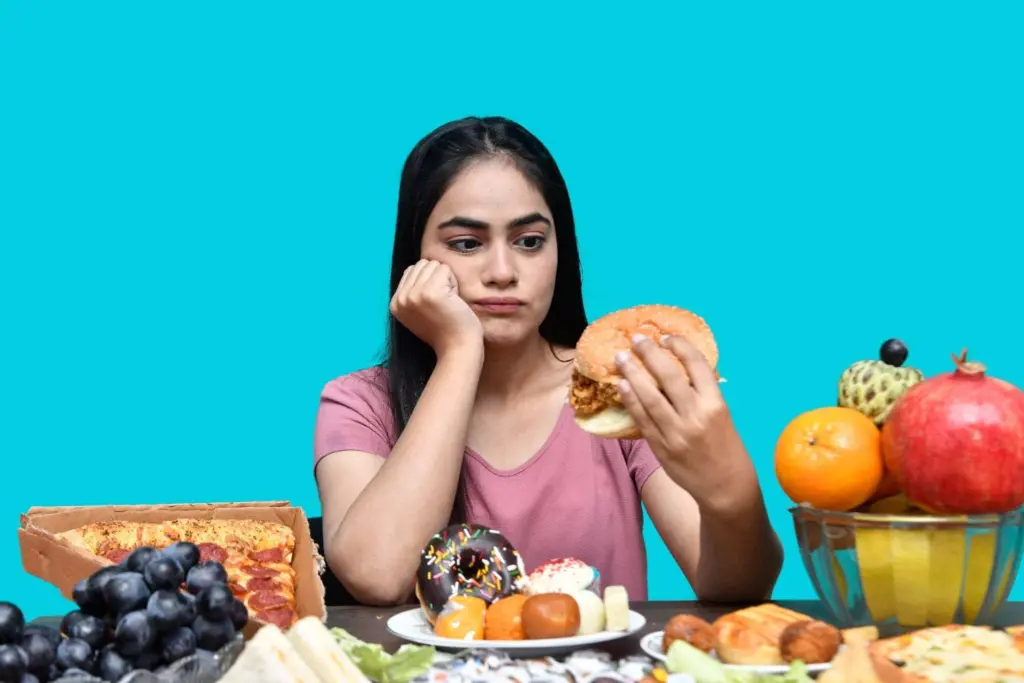
Stop the growth. Identify the specific foods that cause polyps and learn how to keep your colon healthy and clear of dangerous growths.
Red and processed meats, low-fiber foods, and refined carbs may cause polyps in the colon.
But, eating lots of fruits, veggies, and fiber can lower the risk of colon polyps disease.
Key Takeaways
- A diet high in red and processed meats may increase the risk of colon polyps.
- Consuming low-fiber foods and refined carbohydrates may contribute to polyp formation.
- Eating a diet rich in fruits, vegetables, and fiber-rich foods may help lower the risk.
- Making dietary changes can potentially reduce the risk of developing colon polyps.
- A healthy diet is key in preventing colon polyps disease.
What Are Colon Polyps and Why Do They Form?
Colon polyps are abnormal growths in the colon’s lining. They can turn into colorectal cancer. Doctors find them during a colonoscopy, a way to see inside the colon.
Definition and Types of Colon Polyps
There are three main types of colon polyps: adenomatous, hyperplastic, and sessile serrated. Adenomatous polyps, or adenomas, can become cancerous if not removed.
Hyperplastic polyps are usually not cancerous. But, big ones might raise the risk of cancer. Sessile serrated polyps can also turn cancerous.
Common Causes and Risk Factors
Several factors can increase the risk of colon polyps. These include:
- Age: The risk grows after 50.
- Family history: Having a first-degree relative with polyps or cancer.
- Personal history: Having had polyps or cancer before.
- Genetic syndromes: Conditions like Familial Adenomatous Polyposis (FAP).
Knowing these risk factors and types of polyps helps in prevention and early detection.
The Science Behind Diet and Colon Polyps
Studies have shown a strong link between diet and colon polyps. This research comes from top medical centers. It helps us understand how diet affects colon polyps.
<
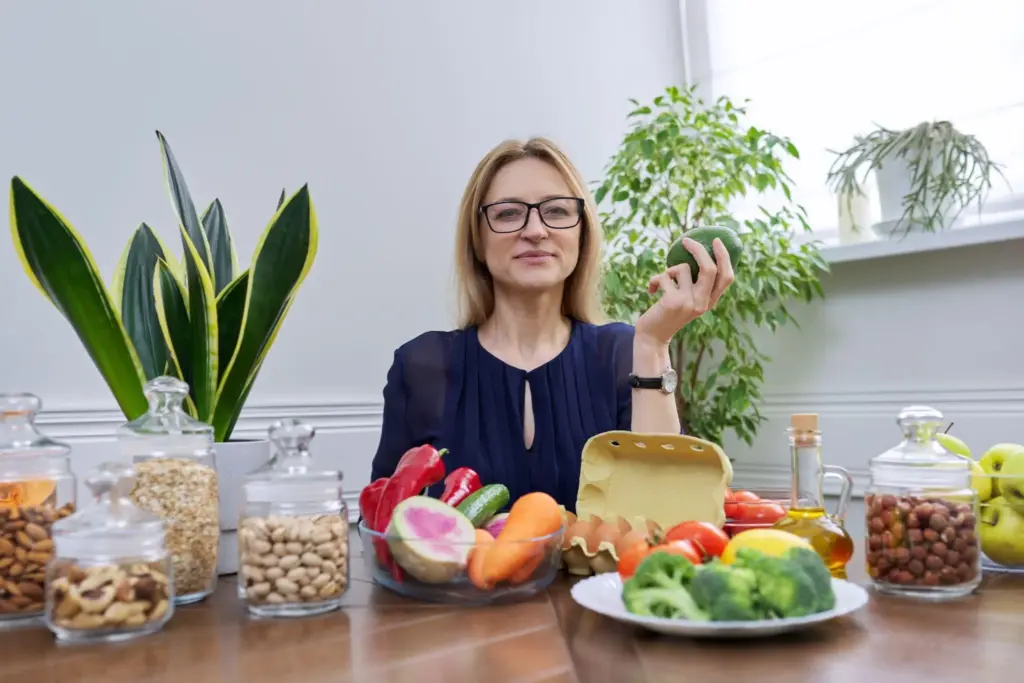
Research from famous places has really helped us get this connection. Harvard Medical School has been key in this area.
Research from Harvard Medical School
Harvard Medical School found that some diets increase colon polyp risk. They found that certain foods can harm colon health.
A study by Harvard found red meat increases polyp risk. This shows how important diet is for colon health.
University of Toronto Studies on Diet and Polyp Formation
The University of Toronto also studied diet and colon polyps. They found diet is very important in polyp formation.
University of Toronto looked at foods that protect against polyps. This gives us a better idea of how diet affects colon health.
Looking at research from these places helps us understand diet and colon polyps. It guides us in making healthy diet choices for our colon.
Red Meat: A Primary Dietary Culprit for Polyps
Studies show that red meat, like beef and pork, might contribute to colon polyps. It’s a key topic in research on colon health.
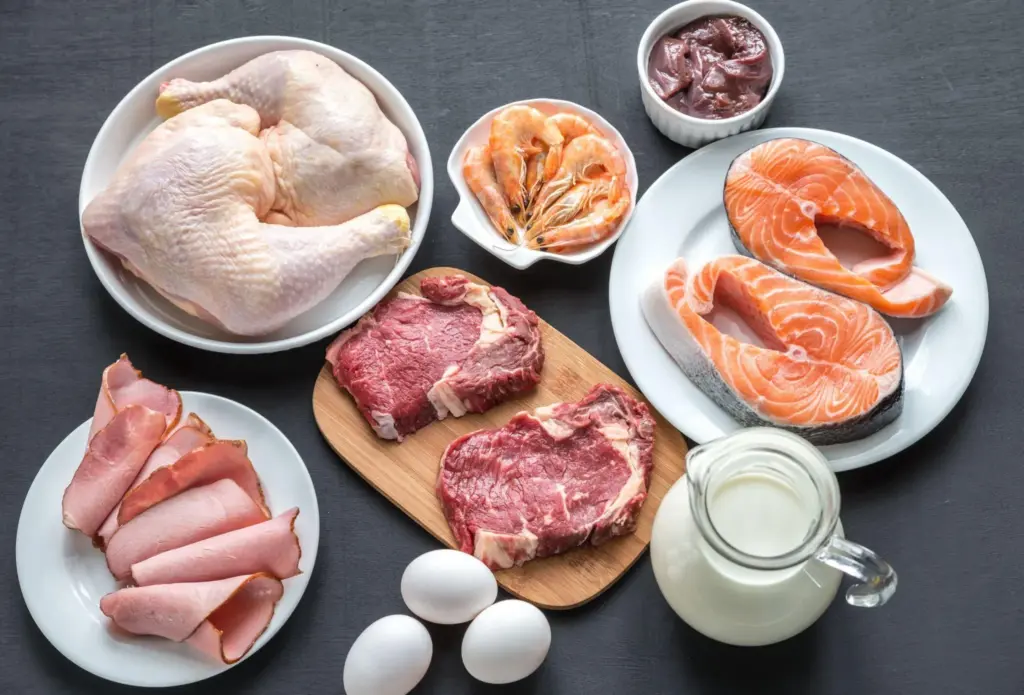
How Red Meat Consumption Affects Colon Health
Eating red meat often can increase the chance of colon polyps. The exact reasons are not clear. But several factors are thought to play a part:
- High Iron Content: Red meat has a lot of iron. While it’s needed, it can also cause damage to colon cells.
- Cooking Methods: Cooking red meat at high heat can create harmful substances like HCAs and PAHs.
- Advanced Glycation End-products (AGEs): Red meat, cooked, has AGEs. These can cause stress and inflammation in the body.
Recommended Limits for Red Meat Intake
To lower the risk of colon polyps, it’s wise to eat less red meat. Here are some tips:
- Stick to 1-2 servings of red meat a week. A serving is about 3 ounces or the size of a deck of cards.
- Choose lean cuts and remove visible fat to cut down on fat.
- Try poultry or fish for your main dishes instead.
Being careful with red meat and eating a balanced diet can help keep your colon healthy. It also lowers the risk of polyps.
Processed Meats and Their Link to Colon Polyps
Processed meats like sausages and bacon may lead to colon polyps. Eating these can raise the risk of colon problems.
Nitrates, Preservatives, and Colorectal Health
Nitrates and preservatives in processed meats help them last longer and taste better. But, they might harm your health. Nitrates can turn into harmful compounds in the body, which might hurt the colon and cause polyps.
These additives can also mess with your gut’s balance. This imbalance can increase the chance of getting colon polyps.
Common Processed Meats to Avoid
To lower the risk of colon polyps, cut down on certain processed meats. Here are some to watch out for:
- Bacon
- Sausages
- Hot dogs
- Canned meats
Lessening these foods can help keep your colon healthy.
|
Processed Meat |
Nitrate/Preservative Content |
Colon Polyp Risk |
|---|---|---|
|
Bacon |
High |
Increased |
|
Sausages |
High |
Increased |
|
Hot Dogs |
Moderate to High |
Moderately Increased |
|
Canned Meats |
Varies |
Potential Risk |
Choosing nitrate-free or naturally preserved meats can help lower your colon polyp risk. It’s a big step towards better colon health.
Low-Fiber Diets: How They Contribute to Polyps Development
A diet low in fiber can raise the risk of colon polyps. Fiber is key to a healthy digestive system. Without enough, you might face issues like colon polyps.
The Protective Mechanism of Dietary Fiber
Dietary fiber keeps bowel movements regular, aiding digestion and preventing constipation. It also boosts the good bacteria in your gut. This can lower the chance of getting colon polyps.
Fiber’s benefits include:
- Fiber’s role in bowel regulation: It helps food move through your system, cutting down on harmful exposure.
- Prebiotic effects: Fiber feeds the good bacteria, keeping your gut healthy.
- Reduced inflammation: Eating more fiber can lower body inflammation, which helps prevent polyps.
Signs Your Diet Is Deficient in Fiber
Knowing if your diet lacks fiber is important. It helps prevent colon polyps. Look out for these signs:
- Constipation or irregular bowel movements
- Bloating and gas
- Abdominal pain or cramps
Eating more fiber can fix these issues and lower polyp risk. Include fruits, veggies, whole grains, and legumes in your diet.
Refined Carbohydrates: Impact on Colon Health
Refined carbohydrates are a concern for colon health because they might help polyps grow. They lack fiber and nutrients, causing blood sugar to swing wildly.
Eating too much of these carbs can lead to colon polyps. Studies show that diets full of refined carbs increase insulin resistance and inflammation. Both are linked to a higher risk of colon polyps.
Blood Sugar Spikes and Polyp Growth
When we eat refined carbs, our blood sugar spikes. This happens because these carbs are quickly broken down, flooding our blood with glucose. This rapid rise can make colon polyps grow by causing insulin resistance and boosting insulin-like growth factor-1 (IGF-1). IGF-1 helps tumors grow<SEP-1262_image_6>.
|
Food Type |
Refined Carb Content |
Impact on Colon Health |
|---|---|---|
|
White Bread |
High |
Increases risk of polyps |
|
Pastries |
High |
Contributes to insulin resistance |
|
Sugary Snacks |
Very High |
Promotes inflammation |
Common Sources of Refined Carbs to Limit
White bread, pastries, sugary snacks, and sweet drinks are all high in refined carbs. Cutting down on these can lower the chance of getting colon polyps.
To avoid the dangers of refined carbs, choose whole foods like whole grains, fruits, and veggies. These are full of fiber, vitamins, and minerals that are good for your colon.
Alcohol Consumption and Its Effect on Polyps Risk
Drinking too much alcohol can harm the colon and increase the risk of polyps. This section looks into how alcohol affects the colon and offers tips for drinking safely.
Mechanisms Behind Alcohol’s Impact on Colon Tissue
Drinking too much can cause inflammation and irritation in the colon. This can lead to polyp formation. Research shows that too much alcohol raises the risk of colon cancer.
The ways alcohol harms the colon are complex. It can damage the cells lining the colon, causing genetic changes and polyp growth.
Safe Consumption Guidelines for Colon Health
To lower the risk of colon polyps, it’s best to drink less alcohol. For men, not more than two drinks a day is recommended. Women should stick to one drink a day.
|
Gender |
Recommended Daily Alcohol Intake |
|---|---|
|
Men |
Not more than 2 drinks |
|
Women |
Not more than 1 drink |
Following these guidelines can help reduce the risk of colon polyps linked to alcohol. It’s also key to consider other lifestyle and diet factors that affect colon health.
Understanding Polyps and the Role of Gut Bacteria
It’s important to know how gut bacteria and colon polyps are connected. The gut microbiome, filled with trillions of microorganisms, is key to our health. It helps keep the colon healthy.
The right balance of gut bacteria is vital for digestion and immune health. An imbalance, or dysbiosis, can lead to health problems. This includes the growth of colon polyps.
E. coli: Present in 60% of Colorectal Cancer Cases
E. coli is linked to a higher risk of colorectal cancer. Studies show E. coli is found in about 60% of cases. This shows a strong connection between the bacterium and the disease.
The presence of E. coli can cause long-term inflammation in the colon. This is a risk factor for polyps and colorectal cancer. Knowing this helps us find better ways to prevent and treat these issues.
How Diet Shapes Your Gut Microbiome
What we eat greatly affects our gut microbiome. Eating lots of fiber, fruits, and veggies helps good bacteria grow. But, a diet full of processed meats and refined carbs can upset this balance.
Eating well can keep your gut microbiome in check, lowering polyp risk. Foods rich in antioxidants and fiber, like legumes and whole grains, are great choices.
By choosing the right foods, we can improve our gut health and lower polyp risk. Knowing which foods help or harm is key.
Protective Foods: Green Vegetables That Fight Polyps
Green vegetables help protect against colon polyps. They are full of nutrients that support colon health.
Green veggies are packed with anti-inflammatory compounds. These compounds reduce inflammation in the colon. This makes it harder for polyps to form.
Anti-inflammatory Compounds in Greens
Broccoli, spinach, and kale are full of vitamins and minerals. They also have antioxidants that fight inflammation. Broccoli, for example, has sulforaphane, which is very effective against inflammation.
These compounds reduce oxidative stress and inflammation in the colon. This is key in preventing colon polyps. Eating a variety of green veggies can help protect against polyps.
Best Cooking Methods to Preserve Nutrients
To get the most from green veggies, cook them right. Steaming is great because it keeps vitamins and antioxidants intact.
Sautéing with a bit of olive oil is also good. It keeps nutrients in and adds to the anti-inflammatory benefits of olive oil.
Using these cooking methods and eating green veggies regularly can help keep your colon healthy. It also lowers the risk of colon polyps.
Legumes: Powerful Allies Against Colon Polyps
Legumes are packed with fiber and resistant starch, making them great for a healthy colon. They help prevent polyps from forming.
Fiber Content: Legumes are full of dietary fiber. This is key for regular bowel movements and avoiding constipation. A diet rich in fiber keeps the colon clean, reducing polyp risk.
Fiber and Resistant Starch Content
Legumes are rich in fiber and resistant starch, which is good for the colon. Resistant starch feeds the good bacteria in the gut. This produces fatty acids that protect the colon lining.
Resistant Starch Benefits: Resistant starch isn’t fully digested in the small intestine. It reaches the colon, where it’s fermented by gut bacteria. This process creates compounds that keep the colon healthy.
Creative Ways to Add More Legumes to Your Diet
It’s easy and tasty to add legumes to your meals. Here are some ideas:
- Add beans to your salads for extra fiber and protein.
- Use lentils in soups and stews.
- Include chickpeas in dips and spreads.
- Try a legume-based stew as a main dish.
Adding legumes to your diet helps keep your colon healthy. It also lowers the risk of colon polyps.
Brown Rice and Whole Grains: The 0.60 Odds Ratio Benefit
Whole grains, like brown rice, help protect against colon polyps. Eating whole grains can lower the risk of colon polyps. Research shows that eating brown rice at least once a week can reduce the odds ratio to 0.60.
Scientific Evidence for Whole Grain Protection
Many studies have looked into whole grains and colon health. They found that whole grains are full of fiber, vitamins, and minerals. These nutrients help keep the gut healthy and prevent colon polyps.
Key components of whole grains that help protect us include:
- Fiber: Helps keep bowel movements regular and supports a healthy gut.
- Antioxidants: Fight oxidative stress and inflammation in the colon.
- Phytochemicals: May stop colon polyps from forming.
Transitioning from Refined to Whole Grains
Switching from refined to whole grains is doable. Start by replacing refined grains with whole grains in some meals. Then, gradually increase the whole grain portion over time.
Practical tips for the transition include:
- Start by using brown rice instead of white rice in one meal a day.
- Choose whole grain bread for sandwiches instead of white bread.
- Add different whole grains, like quinoa and farro, to your meals.
Dried Fruits and Their Protective Effects
Dried fruits are full of antioxidants and fiber. They make a great snack that may help fight colon polyps. These fruits are made by drying fresh fruits, which concentrates their nutrients.
Antioxidants and Fiber in Dried Fruits
Apricots, dates, and prunes are loaded with antioxidants. These help protect cells from damage by free radicals. This is key in possibly lowering colon polyp risk.
The fiber in these fruits keeps your digestive system healthy. It helps with regular bowel movements and prevents constipation. This supports your colon health.
Dried fruits have two types of fiber: soluble and insoluble. Soluble fiber forms a gel in your stomach, which can lower cholesterol. Insoluble fiber makes your stool bulkier, helping it move smoothly through your digestive system.
Portion Control and Sugar Content Awareness
Even though dried fruits are good for you, eat them in moderation. They have a lot of sugar. Eating too much can be bad for your health.
Stick to a serving size of about 1/4 cup or a small handful. Choose fruits with less added sugar and no sulfites. Reading labels helps you make better choices.
Adding dried fruits to meals or snacks can boost their nutritional value. Try them in oatmeal or yogurt. By watching your portion sizes and picking the right fruits, you can enjoy their benefits while keeping your diet balanced.
Creating a Comprehensive Anti-Polyp Diet Plan
Creating a good anti-polyp diet plan means knowing what foods to eat and how to plan meals. A well-thought-out diet can help stop colon polyps by adding foods that are good for the colon.
Start by focusing on colon-healthy foods like fruits, veggies, and whole grains. These foods are full of fiber, antioxidants, and nutrients. They help lower the risk of colon polyps.
Weekly Meal Planning Strategies
Good meal planning is key to sticking to an anti-polyp diet. Here are some tips for planning your meals:
- Make a weekly meal calendar to keep your meals organized and balanced.
- Buy fresh, seasonal produce to add variety to your meals.
- Make meals ahead of time to save time and avoid unhealthy foods.
A study in the Journal of Nutrition found that eating lots of fruits, veggies, and whole grains can lower colon cancer risk.
Sample Meal Ideas and Recipes
Here are some meal ideas for your anti-polyp diet:
|
Meal |
Foods Included |
Nutritional Benefits |
|---|---|---|
|
Breakfast |
Oatmeal with berries and nuts |
High in fiber and antioxidants |
|
Lunch |
Grilled chicken with roasted vegetables |
Rich in protein and fiber |
|
Dinner |
Quinoa and black bean bowl with avocado |
High in fiber, protein, and healthy fats |
Adding these meals to your plan can help you stay on a colon-healthy diet and lower colon polyp risk.
Additional Lifestyle Factors That Affect Colon Polyp Risk
More than just what we eat, our lifestyle affects our colon health. Eating right is key, but moving more, managing stress, and sleeping well also help. These habits can lower the chance of getting colon polyps.
Exercise and Physical Activity Guidelines
Exercise is a big part of staying healthy and can help prevent colon polyps. It fights inflammation and boosts our immune system. Both are good for our colon.
Recommended Exercise Guidelines:
|
Activity Type |
Frequency |
Duration |
|---|---|---|
|
Moderate-intensity exercise |
At least 5 days a week |
30 minutes per session |
|
Vigorous-intensity exercise |
At least 3 days a week |
20 minutes per session |
Doing a mix of exercises is best. Try brisk walking, cycling, or swimming for great results.
Stress Management and Sleep Quality
Stress and bad sleep can harm our health, including raising the risk of colon polyps. It’s important to manage stress and get enough sleep.
- Stress Management Techniques:Meditation and mindfulness practices
- Yoga and tai chi
- Deep breathing exercises
- Sleep Quality Improvement:Establishing a consistent sleep schedule
- Creating a relaxing bedtime routine
- Avoiding caffeine and electronics before bedtime
By adding these habits to our daily lives, we can lower our risk of colon polyps. This helps us stay healthy overall.
When to Consult a Doctor About Colon Health
Knowing when to see a doctor about colon health is key. Colon polyps are growths inside the colon or rectum. They can turn into colorectal cancer if not treated.
Warning Signs That Shouldn’t Be Ignored
Some symptoms mean you might have a colon problem. These include:
- Rectal Bleeding: Seeing blood in your stool or bleeding from the rectum is a big warning.
- Changes in Bowel Movements: If you keep having diarrhea or constipation, it could be a sign of a colon issue.
- Abdominal Pain: If you have ongoing pain in your belly, don’t ignore it.
If you notice any of these signs, see a doctor right away. Catching problems early can make a big difference.
Screening Recommendations Based on Diet and Risk Factors
Getting regular screenings is important to find colon polyps early. How often you should get screened depends on your diet, family history, and other risk factors.
|
Risk Category |
Recommended Screening Age |
Screening Frequency |
|---|---|---|
|
Average Risk |
45 years |
Every 10 years |
|
High Risk |
Earlier than 45 years |
More frequently, as advised by a doctor |
Talking to your doctor about your diet and risks can help figure out the best screening plan for you.
Conclusion: Building Lasting Dietary Habits for Polyp Prevention
Creating lasting dietary habits is key to preventing colon polyps. A long-term commitment to a healthy diet and lifestyle can lower the risk of colon polyps. This approach also boosts overall well-being.
Adding foods like green vegetables, legumes, whole grains, and dried fruits to your diet is beneficial. These foods support colon health.
It’s also important to limit or avoid foods like red meat, processed meats, refined carbs, and too much alcohol. A diet rich in fiber, antioxidants, and nutrients helps keep the gut healthy. This reduces the chance of polyps forming.
Combining a healthy diet with regular exercise, managing stress, and getting enough sleep improves colon health. Regular health check-ups and screenings are also essential for early detection and prevention.
By choosing healthy foods and living a healthy lifestyle, you can lower your risk of colon polyps. This approach promotes long-term colon health and overall wellness.
FAQ
What are colon polyps?
Colon polyps are growths on the inner lining of the colon or rectum. They can be benign, but some types, such as adenomatous polyps, can develop into colorectal cancer over time.
What causes colon polyps to form?
The exact cause of colon polyps is not fully understood. But genetics, diet, and lifestyle are believed to contribute to their development. A diet high in red meat, processed meats, and refined carbohydrates may increase the risk.
How does diet affect the risk of developing colon polyps?
Diet plays a significant role in the development of colon polyps. Eating a diet rich in fiber, fruits, vegetables, and whole grains can help reduce the risk. On the other hand, a diet high in red and processed meats, and refined carbohydrates may increase it.
Are there specific foods that can help prevent colon polyps?
Yes, foods high in fiber, such as legumes, green vegetables, and whole grains, have been shown to have a protective effect against colon polyps. Dried fruits, rich in antioxidants and fiber, may also be beneficial.
How does red meat consumption affect colon health?
High consumption of red meat has been linked to an increased risk of colon polyps and colorectal cancer. Limiting red meat intake is recommended.
What is the impact of processed meats on colon health?
Processed meats, which often contain nitrates and preservatives, have been associated with an increased risk of colon polyps and colorectal cancer. Reducing or avoiding these foods is advisable.
Can alcohol consumption affect the risk of colon polyps?
Yes, excessive alcohol consumption has been linked to an increased risk of colon polyps and colorectal cancer. Following safe consumption guidelines is recommended.
How does gut bacteria influence colon health?
The balance of gut bacteria plays a critical role in colon health. An imbalance, or dysbiosis, can contribute to the development of colon polyps. A diet rich in fiber can help maintain a healthy gut microbiome.
What lifestyle factors, aside from diet, can affect colon health?
Regular exercise, effective stress management, and good sleep quality are important lifestyle factors. They contribute to maintaining colon health and reducing the risk of colon polyps.
When should I consult a doctor about colon health?
If you experience symptoms such as rectal bleeding, changes in bowel habits, or abdominal pain, you should consult a doctor. Individuals with a family history of colon polyps or colorectal cancer should discuss screening recommendations with their healthcare provider.
What are the signs that my diet is deficient in fiber?
Signs of a diet deficient in fiber can include constipation, increased risk of colon polyps, and potentially, an increased risk of colorectal cancer. Increasing fiber intake through foods like legumes, whole grains, and green vegetables can help alleviate these issues.
References:
National Center for Biotechnology Information. Evidence-Based Medical Insight. Retrieved from https://pmc.ncbi.nlm.nih.gov/articles/PMC3571253/[2