Throat cancer rates can drop a lot by making smart lifestyle changes. Avoiding tobacco is key, as it causes up to 40% of head and neck cancers globally, the World Health Organization says.
We’ll look at the latest studies to understand how to prevent cancer through lifestyle changes. By changing certain habits, people can lower their risk of throat cancer.
Good cancer prevention strategies include staying away from harmful substances and living a healthy lifestyle. We’ll talk about why these changes matter and how they can greatly lower throat cancer risk.
Key Takeaways
- Avoiding tobacco is critical in reducing throat cancer risk.
- Lifestyle changes can significantly lower the risk of developing throat cancer.
- Evidence-based strategies are available to help prevent cancer.
- Understanding the risks associated with tobacco use is vital.
- Making informed lifestyle choices can lead to better health outcomes.
Understanding Throat Cancer: Types, Causes, and Risk Factors
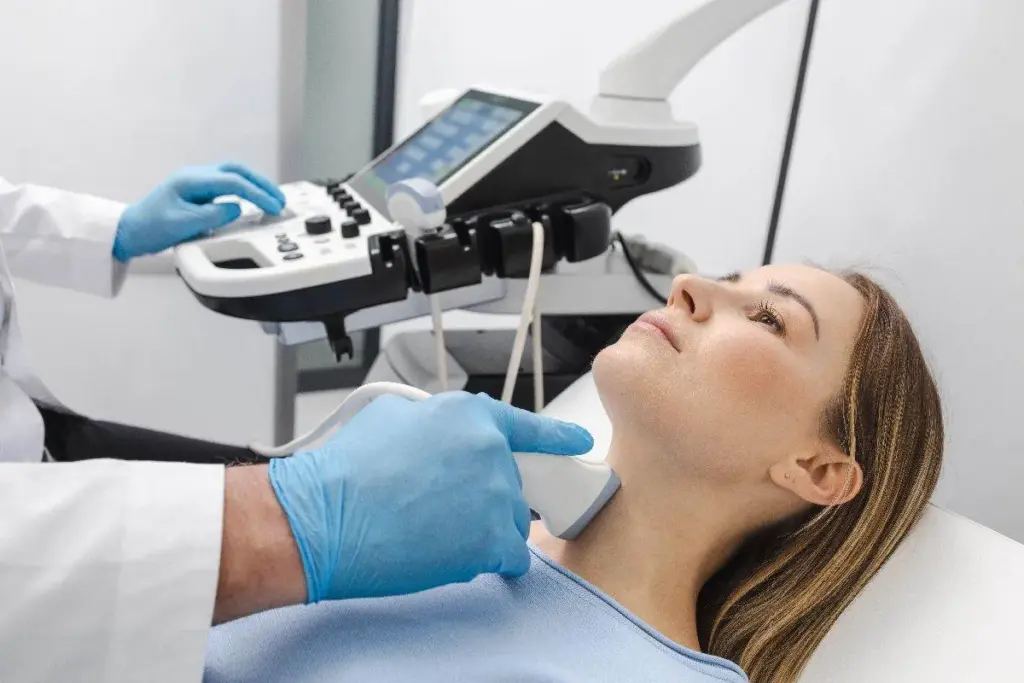
Throat cancer is a complex disease that needs a deep understanding. Knowing its types, causes, and risk factors helps in preventing and detecting it early. It affects the throat and is a major health issue worldwide.
Different Types of Throat Cancer
Throat cancer is not just one disease but a group of cancers in the throat. The main types are:
- Laryngeal cancer: This type affects the larynx (voice box).
- Pharyngeal cancer: This type occurs in the pharynx, divided into three parts: nasopharynx, oropharynx, and hypopharynx.
Each type has its own characteristics and risk factors. For example, research shows HPV increases the risk of oropharyngeal cancers.
Common Causes and Risk Factors
Several factors increase the risk of throat cancer. These include:
|
Risk Factor |
Description |
|---|---|
|
Tobacco Use |
Tobacco smoking and chewing are significant risk factors for throat cancer. |
|
Alcohol Consumption |
Excessive alcohol consumption increases the risk of throat cancer, more so when combined with tobacco. |
|
HPV Infection |
Certain strains of HPV are associated with oropharyngeal cancers. |
|
Diet |
A diet lacking fruits, vegetables, and whole grains may increase the risk. |
The Importance of Early Detection
Early detection of throat cancer greatly improves treatment outcomes. Recognizing signs like persistent hoarseness, difficulty swallowing, or a neck lump is key. A healthy lifestyle, including a cancer-fighting diet rich in antioxidants and anti-cancer foods, can help reduce risk.
Understanding throat cancer’s types, causes, and risk factors helps individuals take proactive steps. This can reduce risk and improve chances of early detection and successful treatment.
The Global Impact of Throat Cancer

It’s important to understand throat cancer’s global impact to fight it better. This disease is a big problem worldwide, affecting different people in different ways. It depends on many factors like risk and who they are.
Prevalence and Mortality Rates
Throat cancer is a big health issue globally. Its numbers of cases and deaths vary by place and people. Every year, it causes a lot of cancer cases and deaths.
Let’s look at some important numbers:
|
Region |
Prevalence Rate (per 100,000) |
Mortality Rate (per 100,000) |
|---|---|---|
|
North America |
4.5 |
1.8 |
|
Europe |
5.2 |
2.3 |
|
Asia |
3.8 |
2.1 |
|
South America |
4.1 |
1.9 |
Demographic Patterns and High-Risk Populations
Who gets throat cancer and why is important. Some groups are more at risk because of things like smoking, drinking, and HPV.
Here are some key points:
- Age: Most cases are in people over 55.
- Gender: Men get it more often, but the gap is getting smaller.
- Geographic Location: Some areas, like parts of Asia and Europe, have more cases.
Knowing these patterns helps us make better plans to stop throat cancer worldwide.
Tobacco Use: The Leading Preventable Cause
Tobacco use is a big problem worldwide, being the main cause of throat cancer that people can prevent. It’s known that tobacco is linked to many cancers, including throat cancer. We’ll look at how tobacco harms throat tissue, the numbers of throat cancers linked to tobacco, and the good things that happen when you quit.
Damage to Throat Tissue
Tobacco, whether smoked or chewed, puts harmful chemicals in the throat. These chemicals can cause genetic changes in throat cells, leading to cancer. The harmful substances in tobacco smoke damage DNA in cells, making them unable to fix themselves, which raises the risk of cancer.
This damage causes inflammation and oxidative stress, making it easier for cancer to start. Stopping tobacco use is key to lowering throat cancer risk, as it removes the main source of these harmful chemicals.
Statistics on Tobacco-Related Throat Cancers
The numbers on throat cancers linked to tobacco are scary. Health groups say most throat cancer cases come from tobacco use. Here are some important facts:
- Tobacco causes about 70-80% of throat cancer cases.
- Smokers are 5-10 times more likely to get throat cancer than non-smokers.
- The risk of throat cancer goes up with how long and how much you use tobacco.
These numbers show why stopping tobacco is so important and why we need programs and laws to help people quit.
Benefits of Quitting at Any Age
Quitting tobacco at any time can greatly lower the risk of throat cancer. The body can heal quickly, and stopping tobacco starts many good changes. Within 5 years of quitting, the risk of throat cancer drops a lot, showing the quick and lasting benefits of quitting.
“Quitting smoking is the best thing you can do for your health, and it’s never too late to quit.” –
American Cancer Society
Quitting tobacco also lowers the risk of heart disease, stroke, and other illnesses linked to smoking. We urge people to get help through counseling, nicotine replacement therapy, or other proven ways to beat tobacco addiction.
Alcohol Consumption and Throat Cancer Risk
Drinking alcohol is a big risk for throat cancer. Knowing how alcohol affects throat cancer risk is key to staying safe. We’ll look at how drinking alcohol can lead to throat cancer and how to cut down on this risk.
Understanding the Alcohol-Cancer Connection
There’s a strong link between drinking alcohol and throat cancer. Alcohol can damage DNA in cells, causing cancer. When we drink, our body turns alcohol into acetaldehyde, a harmful compound that can harm cells and raise cancer risk.
Even drinking a little can up the risk of throat cancer. Those who drink a lot regularly face an even higher risk. Knowing this can help people make better choices about drinking.
Synergistic Effects of Alcohol and Tobacco
Drinking and smoking together greatly increases throat cancer risk. Smoking is a big risk factor for throat cancer, and adding alcohol to the mix makes it worse. This is why it’s so important for smokers to drink less.
Research shows the biggest risk is for those who both smoke and drink a lot. Quitting smoking and drinking less can greatly reduce this risk. We’ll talk about ways to drink less later.
Guidelines for Reducing Alcohol Intake
Drinking less is a big step in lowering throat cancer risk. Here are some tips to help cut down on drinking:
- Set a limit on how much alcohol you drink each week.
- Avoid binge drinking, as it greatly increases cancer risk.
- Choose drinks with less alcohol.
- Try non-alcoholic drinks instead.
If cutting down on drinking is hard, getting help from doctors or support groups can be helpful.
|
Alcohol Consumption Level |
Relative Risk of Throat Cancer |
|---|---|
|
Low |
1.2 times the average risk |
|
Moderate |
2.5 times the average risk |
|
High |
5 times the average risk |
By knowing the risks of drinking and drinking less, people can lower their throat cancer risk. Adding healthy habits like eating well and not smoking can also help a lot.
Nutrition as Prevention: The Cancer-Fighting Diet
Eating certain foods can help prevent throat cancer. A diet full of fruits, vegetables, and whole grains is key. These foods can lower the risk of throat cancer.
Fruits and Vegetables That Reduce Cancer Risk
Fruits and vegetables are full of vitamins and antioxidants. Leafy greens like spinach and kale are packed with antioxidants. They help lower cancer risk.
Cruciferous vegetables like broccoli and cauliflower also have anti-cancer compounds. Berries, such as blueberries and raspberries, are rich in antioxidants. They help fight cancer.
Citrus fruits like oranges and grapefruits are high in vitamin C. Vitamin C helps protect against cancer.
The Role of Fiber in Cancer Prevention
A diet high in fiber can lower cancer risk, including throat cancer. Fiber keeps the digestive system healthy. It helps remove toxins.
Whole grains like brown rice and quinoa are full of fiber. They should be part of a cancer-fighting diet. Legumes, such as beans and lentils, are also high in fiber and protein. They are great for meals.
Antioxidants and Their Protective Effects
Antioxidants protect cells from damage caused by free radicals. Free radicals can lead to cancer. Foods rich in antioxidants, like vitamin C and vitamin E, help prevent cell damage.
Nuts and seeds, such as almonds and sunflower seeds, are full of antioxidants. They also have healthy fats. Eating foods rich in antioxidants can boost health and lower throat cancer risk.
Maintaining a Healthy Weight to Reduce Cancer Risk
Keeping a healthy weight is key for your health and helps lower cancer risk, including throat cancer. Being overweight increases the risk of many cancers. So, managing your weight is a big part of preventing cancer.
The Connection Between Obesity and Cancer
Studies show that obesity is a big risk factor for many cancers. Obesity affects cancer risk through inflammation, insulin resistance, and hormonal changes. These factors can help cancer grow and spread.
Being overweight can cause chronic inflammation. This inflammation damages DNA and harms cell function, leading to cancer. Knowing this helps us find ways to prevent cancer.
Effective Strategies for Healthy Weight Management
Effective weight management needs diet changes, more exercise, and lifestyle tweaks. Here are some tips:
- Dietary Changes: Eat a balanced diet with lots of fruits, veggies, whole grains, and lean proteins. Stay away from sugary drinks and fatty, high-calorie foods.
- Regular Physical Activity: Exercise regularly to burn calories and build muscle. This helps with weight control.
- Monitoring Progress: Track your weight and measurements to stay on track with your goals.
Understanding Body Mass Index and Cancer Risk
Body Mass Index (BMI) is used to check if your weight is healthy. It’s your weight in kilograms divided by your height in meters squared. BMI isn’t perfect but shows if your weight might be risky for health, including cancer.
It’s best to keep a BMI between 18.5 and 24.9. But, remember, body composition and waist size also matter for cancer risk.
By understanding obesity’s link to cancer and using healthy weight strategies, you can lower your cancer risk a lot.
Physical Activity: A Key Component in Cancer Prevention
Regular physical activity is key to lowering cancer risk, including throat cancer. Research shows that exercise boosts the immune system and cuts down inflammation.
Exercise and Cancer Risk Reduction
Physical activity impacts cancer risk in several ways. It keeps weight in check, lowers insulin resistance, and strengthens the immune system. It also cuts down on harmful hormones like estrogen and insulin.
Key mechanisms through which exercise influences cancer risk include:
- Improving immune function to better detect and destroy cancer cells
- Reducing chronic inflammation, which is a known risk factor for cancer
- Regulating body weight, reducing the risk of obesity-related cancers
Recommended Activity Levels for Cancer Prevention
The American Cancer Society suggests at least 150 minutes of moderate or 75 minutes of vigorous activity weekly. Moderate-intensity activities are brisk walking, cycling, or swimming. Vigorous-intensity activities include running, strenuous swimming, or high-intensity interval training.
Incorporating Movement into Daily Life
Adding physical activity to daily life is easy. Start by taking the stairs, walking to work, or doing chores that are physical. Also, join recreational activities or sports to boost physical and mental health.
Practical tips for increasing daily physical activity include:
- Taking a short walk during breaks at work
- Engaging in gardening or yard work
- Participating in dance classes or aerobics
- Cycling to work or for leisure
HPV Vaccination: Protecting Against Virus-Related Throat Cancers
Understanding throat cancer’s causes shows how vital HPV vaccination is. Human Papillomavirus (HPV) is a big risk for some throat cancers. Vaccination against HPV is key to preventing cancer.
Understanding HPV’s Role in Throat Cancer
HPV is a common virus that can cause cancer in the throat. It’s been found that HPV-related throat cancers are growing, mainly in younger people. The link between HPV and throat cancer shows we need to be aware and take steps to prevent it.
“The rise in HPV-related oropharyngeal cancers makes it vital to grasp HPV’s role in throat cancer,” studies say. Knowing this helps us create better prevention plans.
Vaccination Guidelines and Recommendations
The Centers for Disease Control and Prevention (CDC) suggests HPV vaccination for both boys and girls. It’s best to start at age 11 or 12, but it can begin as early as 9. The vaccine works best before you’re exposed to HPV, so early shots are key.
- The CDC advises a two-dose series for those vaccinated before age 15.
- For those vaccinated at 15 or older, a three-dose series is recommended.
Effectiveness and Safety of HPV Vaccines
HPV vaccines are very effective in stopping HPV-related diseases, including some throat cancers. Studies have shown these vaccines are safe and work well.
“HPV vaccination is a strong tool against virus-related throat cancers. By knowing its benefits and encouraging its use, we can lower these cancer rates.”
We stress the need for HPV vaccination in fighting cancer. By stopping HPV, we can lower throat cancer risk and boost public health.
Environmental Factors and Occupational Hazards
It’s important to know how environmental factors and workplace hazards affect throat cancer. We see that some exposures and hazards at work play a big role in getting throat cancer.
Workplace Exposures That Increase Risk
Some jobs expose people to harmful substances that raise the risk of throat cancer. For example, workers in construction and manufacturing might breathe in asbestos fibers. Also, chemicals like formaldehyde and pesticides can increase cancer risk, including throat cancer.
Key occupational hazards include:
- Asbestos exposure, mainly in construction and manufacturing
- Chemical exposure, like formaldehyde and pesticides
- Working in places with bad air, leading to breathing in dust and fumes
Air Pollution and Throat Cancer
Air pollution is also linked to a higher risk of throat cancer. Cities with lots of air pollution, from cars and factories, can harm people. These pollutants can cause long-term inflammation and stress, leading to cancer in the throat.
To lower air pollution exposure, you can:
- Stay away from busy streets
- Use air purifiers at home
- Support efforts to cut down emissions
Protective Measures in High-Risk Environments
For those in risky jobs, it’s key to take safety steps. Wear masks and respirators, follow safety rules, and check for harmful substances at work.
Eating a cancer prevention diet full of fruits, veggies, and whole grains helps health. Foods rich in antioxidants and fiber are good for fighting cancer. While diet’s direct link to throat cancer is being studied, a healthy diet boosts the immune system and overall health.
By tackling environmental and work hazards, we can lower throat cancer risk. A healthy lifestyle and regular health checks also help prevent cancer.
The Science of Prevention: Evidence-Based Approaches
Learning about cancer prevention can help people make better health choices. Lifestyle changes play a big role in preventing throat cancer. This is backed by a lot of research, showing the value of proven methods.
Research Supporting Lifestyle Modifications
Studies show that some lifestyle changes can lower cancer risk, including throat cancer. Eating a cancer fighting diet full of fruits, veggies, and whole grains can help. An anti cancer diet is rich in antioxidants and fiber, protecting cells.
Research has led to guidelines for eating more plant-based foods and less processed foods. These diet changes are good for health and help prevent cancer.
Quantifying Risk Reduction Through Prevention
It’s important to know how much cancer risk is lowered by prevention. People who don’t smoke, stay at a healthy weight, and eat well can greatly reduce their odds of getting cancer.
|
Lifestyle Modification |
Risk Reduction |
|---|---|
|
Not Smoking |
70-80% |
|
Healthy Weight |
10-20% |
|
Balanced Diet |
20-30% |
Emerging Prevention Strategies
New prevention strategies are being studied and developed. This includes looking into the effects of certain nutrients and supplements on cancer prevention. Also, some medicines might help lower cancer risk.
As research grows, new guidelines will likely be made. These will include these new strategies in cancer prevention plans. It’s important for both doctors and individuals to stay up-to-date on the latest research.
Comprehensive Approach to Throat Health
Combining healthy lifestyle choices with regular medical screenings can greatly lower throat cancer risk. This approach is key for early detection and prevention.
Regular Medical Check-ups and Screenings
Regular medical check-ups and screenings are vital for catching throat cancer early. Studies show early detection leads to better treatment results. It’s wise to schedule regular visits with your healthcare provider, more so if you’ve used tobacco or have other risk factors.
Your healthcare provider will examine your throat and neck during these visits. They might suggest more tests if they find anything unusual. Early detection is key to effective treatment, and regular screenings can spot issues before symptoms show up.
Recognizing Early Warning Signs
Knowing the early signs of throat cancer is important. Common signs include persistent hoarseness, a neck lump, or trouble swallowing. If you notice these symptoms, see your healthcare provider right away.
- Hoarseness or change in voice
- Persistent sore throat
- Difficulty swallowing
- A lump or swelling in the neck
Prompt medical evaluation can figure out the cause of these symptoms and offer the right treatment.
When to Consult a Specialist
If you’re worried about your throat health or have symptoms, knowing when to see a specialist is important. Your primary care doctor can send you to an ear, nose, and throat (ENT) specialist if needed. These experts can diagnose and treat throat-related issues.
Seeing a specialist is even more important if you’ve used tobacco or have HPV. They can give you advice and treatment plans that fit your needs.
Liv Hospital’s Multidisciplinary Approach to Cancer Prevention
At Liv Hospital, we focus on a team effort to prevent cancer. We use the latest research and tailor care to each patient. Our experts work together to meet each patient’s needs.
Innovative Preventive Healthcare Protocols
We’ve created new ways to prevent cancer. Our methods include advanced tests and personalized screenings. For example, we suggest a cancer prevention diet to help lower risk.
Some foods can really help prevent cancer. Eating foods high in antioxidants like fruits and veggies can protect cells. We also recommend eating anti-cancer foods like cruciferous veggies and berries for their protective effects.
|
Food Group |
Examples |
Benefits |
|---|---|---|
|
Fruits |
Berries, Citrus Fruits |
Rich in Antioxidants, Vitamin C |
|
Vegetables |
Cruciferous Vegetables, Leafy Greens |
Contains Phytochemicals, Fiber |
|
Grains |
Whole Grains |
High in Fiber, Vitamins, and Minerals |
Patient-Centered Cancer Risk Assessment
We start with a detailed cancer risk assessment for each patient. We look at family history, lifestyle, and environment. This helps us create a plan just for them.
“Understanding your personal risk factors is the first step towards effective cancer prevention. Our experts work closely with you to develop a personalized plan.”
Liv Hospital Oncology Team
It has the latest research and strategies for prevention.
Holistic Health Promotion Strategies
We focus on overall health and well-being at Liv Hospital. Our strategies include stress management, exercise, and nutrition counseling. We encourage a healthy lifestyle with foods that fight cancer and regular exercise.
- Nutritional counseling tailored to individual needs
- Stress management techniques such as meditation and yoga
- Personalized fitness programs to promote physical activity
By focusing on health, we help our patients take control of their well-being. This reduces their risk of cancer.
Creating a Personal Throat Cancer Prevention Plan
Creating a plan to prevent throat cancer starts with knowing your risk factors. By understanding what puts you at risk, you can take steps to lower your chances of getting throat cancer.
Assessing Your Individual Risk Factors
It’s important to look at your own risk factors. This means checking your history with tobacco, alcohol, diet, and exposure to harmful substances. Talking to a doctor can help figure out your risk and where you can improve.
Key risk factors to consider:
- Tobacco use and exposure to secondhand smoke
- Excessive alcohol consumption
- A diet lacking essential fruits, vegetables, and whole grains
- Exposure to HPV and other viral infections
- Family history of throat cancer
Prioritizing Lifestyle Changes
After knowing your risk factors, it’s time to make lifestyle changes. This might mean quitting tobacco, drinking less alcohol, eating a cancer-fighting diet, and staying active.
Effective lifestyle modifications include:
- Adopting a balanced diet that emphasizes anti-cancer foods
- Engaging in regular physical activity to maintain a healthy weight
- Limiting exposure to environmental carcinogens
- Getting vaccinated against HPV
Tracking Progress and Maintaining Motivation
Keeping track of your progress and staying motivated is key. Set achievable goals, monitor your changes, and celebrate your successes.
Tips for staying on track:
- Keep a journal to track your progress
- Share your goals with a friend or family member for support
- Reward yourself for reaching milestones
- Regularly review and adjust your prevention plan as needed
Conclusion: Taking Control of Your Throat Cancer Risk
By making lifestyle changes, you can lower your risk of throat cancer. Studies show that smart choices can greatly reduce this risk.
To prevent cancer, avoid tobacco and limit alcohol. Eat well, keeping your weight healthy and your diet full of fruits, veggies, and fiber. Knowing how to prevent cancer helps you make better health choices.
At Liv Hospital, we focus on keeping your throat healthy. This includes regular check-ups and screenings. By choosing healthy habits, you can cut down your risk of throat cancer. We urge everyone to act now and protect their health.
FAQ
What are the most significant lifestyle changes that can reduce throat cancer risk?
Avoiding tobacco and limiting alcohol are key. Eating well and staying active also help. A diet full of fruits, veggies, and whole grains is best.
How does tobacco use contribute to throat cancer?
Tobacco harms throat tissues and raises cancer risk. Quitting at any age greatly lowers this risk.
What is the relationship between alcohol consumption and throat cancer risk?
Drinking alcohol increases throat cancer risk, more so with tobacco use. Cutting down on alcohol can reduce this risk.
How can a healthy diet help prevent throat cancer?
A diet rich in fruits, veggies, and whole grains helps. These foods provide nutrients and antioxidants that fight cancer.
What is the role of HPV vaccination in preventing throat cancer?
HPV vaccination protects against certain HPV strains linked to throat cancer, like oropharyngeal cancers.
How can I assess my individual risk factors for throat cancer?
Look at your medical history and lifestyle. Consider tobacco and alcohol use. A healthcare professional can help assess your risk.
What are some effective strategies for maintaining a healthy weight to reduce cancer risk?
For a healthy weight, eat well and stay active. Choose nutrient-rich foods and limit processed ones. Aim for 150 minutes of moderate exercise weekly.
How does physical activity contribute to cancer prevention?
Exercise boosts immune function, reduces inflammation, and keeps weight healthy. These benefits lower cancer risk.
What are some protective measures for individuals working in high-risk environments?
Wear protective gear, follow safety rules, and limit exposure to harmful substances. These steps help protect against cancer risks.
How can I track my progress in reducing my throat cancer risk?
Monitor your lifestyle changes, like quitting tobacco and drinking less. Regular health check-ups also help assess your risk.
What is the importance of regular medical check-ups in cancer prevention?
Regular check-ups are vital for early detection and prevention. They help catch issues before symptoms appear.
How can Liv Hospital’s multidisciplinary approach help in cancer prevention?
Liv Hospital offers a personalized strategy. It includes preventive healthcare, risk assessment, and holistic health promotion. This approach helps prevent cancer.
References
• World Cancer Research Fund. New major cancer prevention report on dietary and lifestyle patterns. https://www.wcrf.org/about-us/news-and-blogs/new-major-cancer-prevention-report-on-dietary-and-lifestyle-patterns/
• National Center for Biotechnology Information (NCBI). PMC‑article: [PMC12010775] (not hospital/clinic) https://www.ncbi.nlm.nih.gov/pmc/articles/PMC12010775/
• American Cancer Society. Cancer Prevention & Early Detection Facts & Figures 2025‑2026. https://www.cancer.org/content/dam/cancer-org/research/cancer-facts-and-statistics/cancer-prevention-and-early-detection-facts-and-figures/2025-cped-files/cped-cff-2025-2026.pdf
• Centers for Disease Control and Prevention (CDC). Head & Neck Cancer: Risk Factors. https://www.cdc.gov/cancer/headneck/basic_info/risk_factors.htm
The Lancet. Evidence-Based Medical Insight. Retrieved from https://www.thelancet.com/journals/lanonc/article/PIIS1470-2045(10)70001-6/fulltext