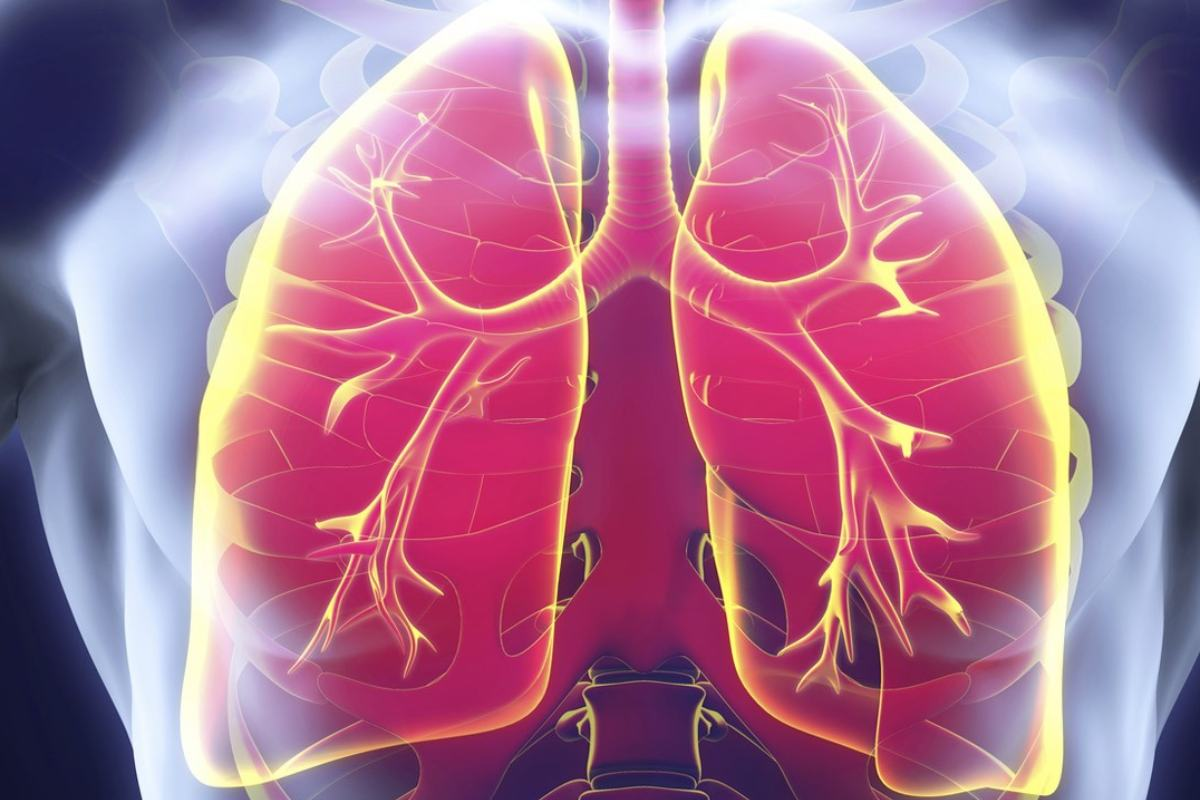
Chest congestion is a common problem that affects millions in the U.S. each year. It often comes from acute bronchitis or a chest cold. Inflamed air passages in the lungs cause symptoms like hacking cough, chest tightness, body aches, and headaches. These symptoms can really disrupt your daily life.Effective strategies detailing how to ease chest congestion and find immediate relief from cold symptoms at home.
At Liv Hospital, we know how hard respiratory infections can be. Our approach focuses on evidence-based treatments and caring for you. We aim to help you breathe better and recover faster. We’ll share effective ways to manage chest congestion and cold symptoms.
Key Takeaways
- Understanding the causes of chest congestion is key to finding relief.
- Cold symptoms can be tough, but there are ways to ease them.
- Proven treatments can help with chest tightness and cough.
- Compassionate care is vital for a quick recovery.
- With the right approach, you can find relief from cold symptoms.
Understanding Chest Congestion and Cold Symptoms
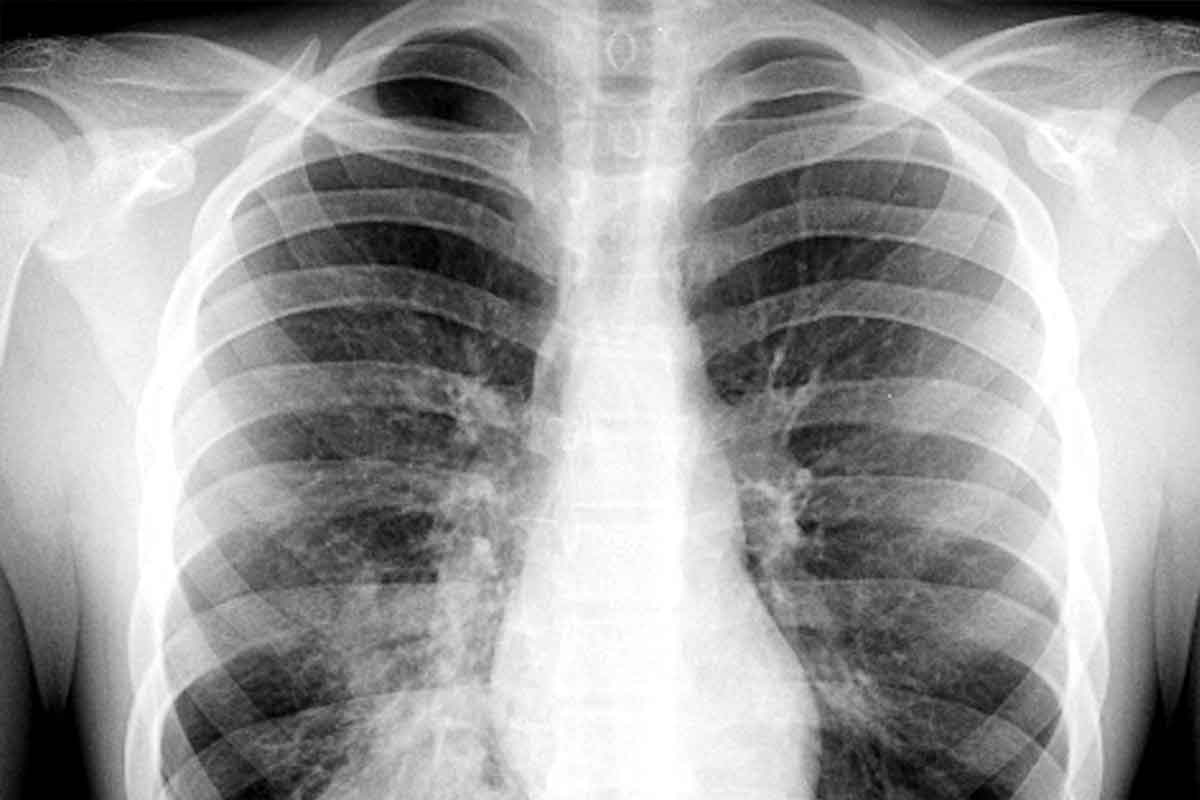
It’s important to know what causes chest congestion to manage cold symptoms well. Chest congestion happens when too much mucus builds up in the lungs and airways. This makes it hard to breathe and often leads to coughing.
What Causes Chest Congestion
Viral infections like the common cold or flu usually cause chest congestion. When a virus attacks the respiratory tract, it can cause inflammation and more mucus. This extra mucus gets stuck in the chest, causing congestion.
Other things can also cause chest congestion. Allergies, environmental irritants like smoke or pollution, and conditions like asthma or COPD can play a role.
The Difference Between Chest Colds and Other Respiratory Infections
A chest cold, or acute bronchitis, is a viral infection that inflames the bronchial tubes. It leads to coughing and mucus production. It’s key to tell the difference between a chest cold and other infections like pneumonia or COPD exacerbations. The treatments for these can be different.
|
Condition |
Primary Symptoms |
Duration |
|---|---|---|
|
Chest Cold |
Cough, mucus production, chest discomfort |
7-14 days |
|
Pneumonia |
High fever, chills, cough, difficulty breathing |
Varies, often requires medical attention |
|
COPD Exacerbation |
Increased wheezing, shortness of breath, cough |
Varies, often requires medical management |
How Long Chest Congestion Typically Lasts
Chest congestion from a cold usually lasts 7 to 14 days. Sometimes, it can take a few weeks to go away. The exact time depends on your health, any underlying conditions, and how well you manage your symptoms.
To help with chest congestion, staying hydrated and using humidifiers is key. Over-the-counter meds that loosen mucus can also help. Knowing the causes and how long chest congestion lasts can help you manage your symptoms better. It also tells you when to see a doctor if needed.
Common Symptoms of Chest Congestion

Knowing the signs of chest congestion is key to feeling better. Chest congestion shows up in many ways. It’s important to know these signs.
Productive vs. Nonproductive Coughs
A cough is a common sign of chest congestion. There are two kinds: productive and nonproductive. A productive cough brings up mucus, helping clear your airways. A nonproductive cough is dry and doesn’t bring up anything.
Chest Pressure and Tightness
Many feel chest pressure or tightness with chest congestion. This feeling can be uncomfortable and scary. It’s usually because of mucus buildup in your chest, making breathing hard.
Associated Symptoms: Body Aches and Headaches
Chest congestion often comes with body aches and headaches. These happen because your body is fighting off an infection. The pain can be mild or severe and can really affect your day.
Burning Painful Cough in Chest
A burning painful cough in the chest is very uncomfortable. This cough is often due to inflammation in the chest. It’s important to manage this symptom well to avoid more pain or problems.
|
Symptom |
Description |
Possible Cause |
|---|---|---|
|
Productive Cough |
Cough that brings up mucus or phlegm |
Infection or inflammation in the airways |
|
Chest Pressure/Tightness |
Feeling of pressure or tightness in the chest |
Accumulation of mucus |
|
Body Aches/Headaches |
Pain or discomfort in the body or head |
Immune response to infection |
|
Burning Painful Cough |
Cough accompanied by a burning sensation |
Inflammation in the chest area |
By knowing these symptoms, you can better understand your condition. Recognizing them is the first step to managing chest congestion.
Chest Cold vs. Acute Bronchitis
It’s important to know the difference between a chest cold and acute bronchitis. Both affect the lungs but need different treatments. Knowing the difference helps manage symptoms better.
Identifying Acute Bronchitis
Acute bronchitis is when the bronchi, the airways to the lungs, get inflamed. It often starts after a chest cold. You’ll know it by a cough that brings up mucus. You might also feel chest pain, be tired, and have a slight fever.
Key Indicators of Acute Bronchitis:
- Persistent cough with mucus production
- Chest discomfort or pain
- Fatigue and general malaise
- Mild fever
When Chest Colds Progress to Bronchitis
A chest cold can turn into acute bronchitis if a virus leads to a bacterial infection. Or if the bronchial tubes get irritated. Smoking, being around pollutants, and a weak immune system can make it more likely.
|
Risk Factors |
Description |
|---|---|
|
Smoking |
Damages the bronchial tubes and impairs lung function |
|
Exposure to Pollutants |
Irritates the bronchial tubes, making them more susceptible to infection |
|
Weakened Immune System |
Reduces the body’s ability to fight off infections |
Recovery Timeline Expectations
Acute bronchitis usually takes several weeks to get better. The cough can last even after other symptoms go away. Knowing this helps manage your recovery.
Understanding the difference between chest colds and acute bronchitis helps you handle your symptoms better. It also helps you know when to seek medical help.
How to Ease Chest Congestion with Hydration
Drinking enough water is key to thinning mucus and easing chest congestion. When we have a cold or infection, our body makes more mucus. This mucus can get thick and block our airways, making it hard to breathe.
Why Hydration Helps Thin Mucus
Staying hydrated helps make mucus thinner and easier to cough up. When we drink enough water, our mucus stays loose. This makes it simpler to get rid of it. It also helps prevent serious problems like bronchitis or pneumonia.
Proper hydration is vital because it:
- Keeps mucous membranes working right
- Boosts our body’s defense
- Helps clear out bad stuff from our airways
Best Fluids for Chest Congestion Relief
Not all drinks are good for easing chest congestion. Clear fluids are best because they thin mucus without upsetting our stomachs.
Here are some top drinks for chest congestion relief:
- Water: The best drink for staying hydrated
- Clear broths: Chicken or veggie broth can be soothing
- Herbal teas: Warm, caffeine-free teas like peppermint or ginger are comforting
- Electrolyte-rich drinks: Coconut water or sports drinks help replace lost salts
Hydration Schedule for Optimal Results
To get the most from hydration for chest congestion, drink fluids all day. Aim for 8-10 glasses a day. Here’s a good schedule:
|
Time of Day |
Fluid Intake |
|---|---|
|
Upon waking |
1 glass of water |
|
With meals |
1 glass of water or clear broth |
|
Between meals |
1-2 glasses of water or herbal tea |
|
Before bed |
1 glass of warm, non-caffeinated tea |
By following this hydration plan and choosing the right drinks, you can ease chest congestion. It also helps your body recover from a cold or infection.
Humidity and Steam Treatments
Chest congestion can be eased with humidity and steam treatments. These methods loosen mucus. We’ll look at how they help with chest cold symptoms. Knowing how to use humidity and steam can help manage your condition better.
Using Humidifiers and Cool Mist Vaporizers
Humidifiers and cool mist vaporizers add moisture to the air. This helps loosen and clear mucus from the lungs. Using these devices, mainly in dry environments, can ease congestion. It’s important to clean your humidifier often to avoid bacterial growth.
There are various humidifiers, like ultrasonic and evaporative models. Ultrasonic ones create a fine mist with sound waves. Evaporative models use a fan and wet wick. Both can be effective, but always follow the manufacturer’s instructions.
Steam Inhalation Techniques
Steam inhalation is a great way to relieve chest congestion. Warm, moist air helps loosen mucus and reduces congestion. To do this, boil water and lean over it with a towel on your head to trap the steam.
You can also use a steam inhaler. These devices have masks or mouthpieces that direct steam into your respiratory system. This provides targeted relief.
Hot Showers and Bath Remedies
Taking a hot shower or bath is a simple way to use steam for congestion relief. The warm, moist air loosens mucus, making it easier to cough up. Adding eucalyptus oil or menthol to your bath water can enhance the benefits, as these ingredients have natural decongestant properties.
How to Remove Cold from Your Chest with Steam
To effectively remove cold from your chest with steam, be consistent and patient. Regular steam inhalation, whether through a humidifier, steam inhaler, or hot shower, loosens and clears mucus. Combining steam treatments with hydration and rest can make them more effective.
|
Method |
Description |
Benefits |
|---|---|---|
|
Humidifiers |
Add moisture to the air |
Loosen mucus, ease congestion |
|
Steam Inhalation |
Inhale warm, moist air |
Reduce congestion, loosen mucus |
|
Hot Showers/Baths |
Utilize warm, moist air in a shower or bath |
Loosen mucus, ease congestion, relax |
Rest and Recovery Strategies
To ease chest congestion, focus on rest and create a recovery-friendly environment. Adequate rest helps our body fight off the infection causing congestion. Effective rest and recovery strategies can greatly reduce chest congestion discomfort.
Optimal Sleep Positions for Chest Congestion
Sleeping in the right position can help with chest congestion. Try elevating your head with extra pillows to prevent mucus buildup. This can also reduce coughing at night.
Creating a Recovery-Friendly Environment
For a good recovery, keep your room comfortable in temperature and humidity. A humidifier adds moisture to the air, loosening mucus. Also, keep your room clean and dust-free to avoid irritants that worsen congestion.
Balancing Rest and Light Activity
While rest is key, too much can be bad. Light activities like short walks can improve circulation and clear mucus. But, don’t push yourself too hard.
By using these rest and recovery tips, you can better handle chest congestion and support your body’s healing.
Effective Home Remedies for Chest Congestion
Chest congestion can be quite uncomfortable, but there are many home remedies to help. These remedies can be added to your daily routine. They can ease symptoms like colds, coughs, chest pain, and body aches.
Warm Compress Applications
Using a warm compress on the chest can help loosen mucus. Soak a towel in warm water, wring it out, and apply it to your chest for a few minutes. Repeat as needed.
Salt Water Gargles for Throat and Chest Relief
Gargling with salt water several times a day can help reduce throat irritation and loosen mucus. Mix 1/4 teaspoon of salt in 8 ounces of warm water. The salt helps reduce swelling in the throat, making it easier to breathe and swallow.
Herbal Teas and Natural Expectorants
Herbal teas, such as peppermint, eucalyptus, and ginger, have natural expectorant properties. They can help ease congestion. Drinking these teas can warm the throat and chest, providing relief. Adding honey can also help soothe.
Honey and Lemon Remedies
A mixture of honey and lemon in warm water or tea can be very soothing. Honey acts as a natural cough suppressant, while lemon helps loosen mucus. This combination can be taken several times a day to help manage cough and chest congestion.
By adding these home remedies to your routine, you can find significant relief from chest congestion and associated symptoms. It’s important to stay hydrated, rest, and use these remedies consistently for the best results.
Over-the-Counter Medications for Chest Cold Relief
Over-the-counter medications can help manage chest cold symptoms. It’s important to know the different types and how they work. This knowledge helps in finding the right medication for relief.
Decongestants: Types and Usage
Decongestants help by shrinking blood vessels in the nose. This makes breathing easier. They come as tablets, liquids, and sprays. It’s vital to follow the directions to avoid getting worse congestion, like with nasal sprays.
Expectorants like Guaifenesin for Mucus Relief
Expectorants, like guaifenesin, thin and loosen mucus. This makes it easier to cough up. Guaifenesin is often in OTC meds and helps with productive coughs from chest colds.
Cough Suppressants: When and How to Use
Cough suppressants reduce coughing. They’re good when coughing keeps you awake. But, use them wisely, as coughing helps clear mucus.
Pain Relievers for Chest Pain and Body Aches
Pain relievers like acetaminophen or ibuprofen ease chest pain and aches. They reduce inflammation and block pain signals. Always take the right dose to avoid side effects.
Knowing how to use over-the-counter medications can help manage chest cold symptoms. This knowledge supports recovery.
Managing Severe Cough and Chest Congestion
Severe cough and chest congestion can really get in the way. But, there are many ways to manage these symptoms. It’s important to have a plan that includes different techniques and strategies.
Techniques for Controlling Coughing Fits
Stopping coughing fits is key to getting rest and feeling better. Drinking lots of fluids helps thin out mucus, making it easier to cough up. Using a humidifier adds moisture to the air, which helps soothe the throat and lungs.
Another good strategy is controlled coughing. Take slow, deep breaths, then cough twice. Once to loosen mucus and again to cough it out. This can make coughing fits less frequent and less intense.
Relieving Chest Pain from Coughing
Coughing can cause chest pain and discomfort. A warm compress on the chest can help soothe it. Also, over-the-counter pain relievers can help with chest pain and body aches.
It’s smart to avoid things that can make coughing worse, like smoke and strong smells.
Nighttime Management of Severe Symptoms
Getting a good night’s sleep is important when you have severe symptoms. Sleeping with your head raised can help clear out mucus. Using a cool-mist humidifier in your room can also keep your airways moist, reducing coughing.
Practicing relaxation techniques like deep breathing exercises or meditation before bed can help you relax. This makes it easier to fall asleep, even with discomfort.
When to Seek Medical Attention
Many chest congestion cases can be handled at home. But, some situations need immediate medical help. Knowing the difference between a common cold and a serious condition is key.
Warning Signs of Complications
Certain symptoms mean chest congestion might lead to complications. These include:
- Difficulty breathing: Feeling short of breath or not getting enough air.
- Chest pain: Sharp or ongoing pain in the chest, which could be serious.
- Persistent symptoms: Symptoms that last longer than expected or get worse.
- High fever: Fever over 102°F (39°C) that lasts more than 2-3 days.
- Coughing up blood: Coughing up blood or rust-colored mucus.
If you or someone you care for has these symptoms, get medical help right away.
Persistent Symptoms Requiring Evaluation
Some symptoms might not seem bad but need a doctor’s check-up. These include a cough that lasts over a week, recurring chest congestion, or feeling unwell that doesn’t get better with rest and home care.
High-Risk Groups Who Should See a Doctor Sooner
Some people are at higher risk for complications from chest congestion. They should see a doctor sooner. These groups include:
|
High-Risk Group |
Reason |
|---|---|
|
Older adults |
Weaker immune systems and possible underlying health issues. |
|
Young children |
Younger immune systems and smaller airways. |
|
People with chronic health conditions |
Conditions like heart disease, diabetes, or lung disease can complicate recovery. |
|
Individuals with weakened immune systems |
Due to illness or medication, making them more susceptible to infections. |
Differentiating Between Cold Symptoms and More Serious Conditions
Telling apart common cold symptoms from something more serious can be hard. If you’re unsure about your symptoms or they’re not getting better, see a healthcare professional.
Knowing the warning signs and when to seek medical help is important. It helps ensure you’re recovering right and avoiding complications.
Conclusion
Understanding and managing chest congestion is key to feeling better when you have a cold. We’ve talked about ways to ease chest congestion. These include staying hydrated, using humidifiers, and resting to help your body heal.
By adding these steps to your daily life, you can handle chest congestion well. Drinking lots of water helps break up mucus, making it easier to cough out. Humidifiers also add moisture to the air, easing a stuffy chest.
Resting and keeping a cozy environment are also important. Over-the-counter meds can offer extra relief when needed. Following these tips can help you manage your symptoms and feel less uncomfortable.
To tackle chest congestion, you need a mix of hydration, humidity, rest, and sometimes medication. By using these methods, you can ease your symptoms and recover faster. This makes it easier to get back to your usual activities.
FAQ
What causes chest congestion?
Chest congestion often comes from a cold or respiratory infection. This causes inflammation and mucus buildup in the lungs and airways.
How long does chest congestion typically last?
Chest congestion usually lasts 7 to 14 days. This depends on the infection’s severity and treatment effectiveness.
What is the difference between a productive and nonproductive cough?
A productive cough brings up mucus or phlegm. A nonproductive cough is dry and doesn’t produce any mucus.
How can I relieve chest pain from a cold?
To relieve chest pain from a cold, use pain relievers. Apply warm compresses and try steam inhalation techniques.
What are the best fluids to consume for chest congestion relief?
Drinking water, herbal teas, and warm broths helps thin mucus. This provides relief from chest congestion.
How does hydration help with chest congestion?
Hydration thins mucus, making it easier to expel. It also keeps the respiratory tract moist, reducing discomfort.
Can a chest cold turn into bronchitis?
Yes, a chest cold can turn into bronchitis if untreated or severe. Bronchitis is an inflammation of the bronchial tubes.
What is the role of humidifiers in relieving chest congestion?
Humidifiers add moisture to the air. This loosens mucus and reduces congestion, making breathing easier.
How can I manage severe cough and chest congestion at night?
Use extra pillows to elevate your head. A humidifier and relaxation techniques can also help manage severe cough and chest congestion at night.
When should I seek medical attention for chest congestion?
Seek medical attention if you have trouble breathing, chest pain, or a fever over 102°F (39°C). Also, if symptoms worsen or last longer than expected.
What are the warning signs of complications from chest congestion?
Warning signs include severe breathing trouble, chest pain, fever, and coughing up blood or rust-colored mucus.
Are there any over-the-counter medications that can help relieve chest congestion?
Yes, decongestants, expectorants like guaifenesin, cough suppressants, and pain relievers can help with chest congestion symptoms.
How can I differentiate between cold symptoms and more serious conditions?
If symptoms are severe, last too long, or include breathing trouble, chest pain, or fever, seek medical evaluation. This helps rule out more serious conditions.
What are some effective home remedies for chest congestion?
Effective home remedies include steam inhalation, warm compresses, salt water gargles, and herbal teas and honey and lemon mixtures.
How can rest and recovery strategies help with chest congestion?
Resting well, maintaining good sleep positions, and creating a recovery-friendly environment helps your body recover from chest congestion.
References
World Health Organization. Evidence-Based Medical Guidance. Retrieved from https://www.who.int/news-room/fact-sheets/detail/acute-respiratory-infections



 Departments
 Related Videos
 Our Doctors
 News
News