
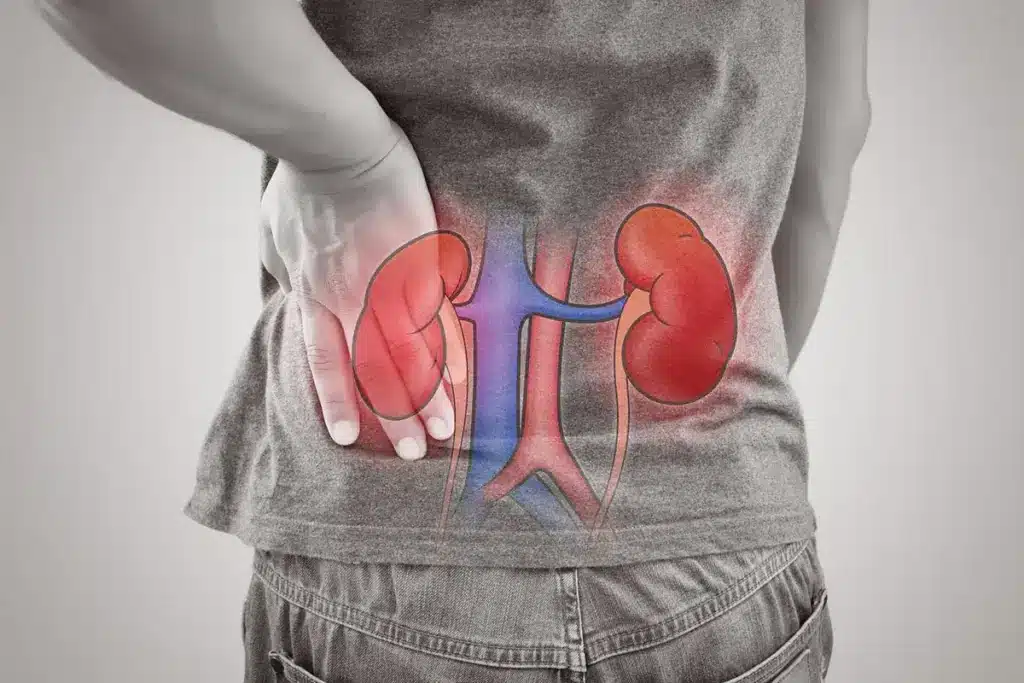
When kidneys fail, they can’t make enough of a hormone. This hormone tells your body to make red blood cells. Leading to anemia, a serious blood condition, affecting millions worldwide. Chronic kidney disease affects about one in seven American adults, and most don’t know they have it. Kidney failure is a big problem for those with chronic kidney disease, and anemia is a common result.
Renal failure can lead to anemia, a common blood condition affecting over 1 in 7 with kidney disease. Learn about the causes, risks, and management of this serious complication.
At Liv Hospital, we offer trusted care for these conditions. Our team is committed to delivering top-notch healthcare. We provide full support for international patients.
Key Takeaways
- Chronic kidney disease affects about one in seven American adults.
- Anemia is a common complication of chronic kidney disease and kidney failure.
- Kidney failure can lead to a decrease in the production of a critical hormone that stimulates red blood cell production.
- Liv Hospital provides patient-centered care for managing kidney disease and related conditions.
- Early detection and treatment are key to managing kidney disease and its complications.
Understanding Renal Failure and Its Prevalence

Renal failure, or kidney failure, happens when kidneys can’t filter waste well. This leads to toxins building up in the body, causing health problems. We’ll look into chronic kidney disease, a big reason for renal failure, and see how common kidney disease is in America.
What is Chronic Kidney Disease?
Chronic kidney disease (CKD) is a long-term issue where kidneys slowly lose function. It’s often caused by diabetes and high blood pressure, which harm the kidneys over time. Early detection and management of CKD are key to stopping it from getting worse. CKD can be managed with lifestyle changes, medicine, and regular check-ups with doctors.
With the right treatment, CKD can progress slower. This shows how important it is to understand the disease and how to manage it. We’ll talk about what causes CKD and how it affects patients.
Statistics on Kidney Disease in America
Kidney disease is a big health problem in the U.S. Over 37 million adults in the U.S. have CKD, and many more are at risk because of diabetes, high blood pressure, and obesity. The high number of people with kidney disease shows we need to spread awareness and take steps to prevent it. Knowing these numbers helps us see how big the problem is and why we must tackle kidney disease.
The data on kidney disease in America shows we need to find and treat it early. By understanding the numbers and causes, we can tackle this issue and try to lower the number of people with renal failure.
Renal Failure Leads to This Abnormal Blood Condition: Anemia

Renal failure often leads to a significant complication: anemia. This is a condition where there’s not enough red blood cells or hemoglobin in the blood. We will explore how kidney disease is linked with anemia and the mechanisms behind this relationship.
The Connection Between Kidney Disease and Anemia
Chronic kidney disease (CKD) and kidney failure are closely linked with anemia. Studies show that anemia’s prevalence increases as kidney function declines. The kidneys play a key role in producing erythropoietin, a hormone that helps make red blood cells. When the kidneys are damaged, they may not produce enough erythropoietin, leading to fewer red blood cells.
Medical Expert, a nephrologist, notes in a recent study, “The relationship between kidney disease and anemia is complex and multifactorial. Understanding this connection is key for managing patients with CKD.”
“Anemia is a significant complication of chronic kidney disease, affecting the quality of life and increasing the risk of cardiovascular events in these patients.”Medical Expert, Kidney Disease Outcomes Quality Initiative
Mechanisms of Anemia Development in Renal Failure
Several mechanisms contribute to anemia in patients with renal failure. These include:
- Decreased erythropoietin production due to damaged kidneys
- Reduced iron absorption, which is essential for hemoglobin production
- Shortened red blood cell lifespan, leading to a faster turnover of red blood cells
- Chronic inflammation, which can affect the body’s ability to utilize iron
| Mechanism | Description | Impact on Anemia |
| Decreased Erythropoietin Production | Kidneys fail to produce sufficient erythropoietin | Reduced red blood cell production |
| Reduced Iron Absorption | Less iron is absorbed, which is key for hemoglobin | Insufficient hemoglobin production |
| Shortened Red Blood Cell Lifespan | Red blood cells have a shorter lifespan | Increased turnover of red blood cells |
Understanding these mechanisms is key for developing effective treatments for anemia in patients with renal failure. We recognize that managing anemia requires a holistic approach. This approach addresses the underlying causes and supports overall kidney health.
Conclusion: Health Implications and Modern Treatment Approaches
Anemia is a big problem for people with chronic kidney disease (CKD). It makes their life quality worse and raises the chance of heart problems. The reasons for anemia in CKD are complex, including less erythropoietin, iron lack, and inflammation. Finding and treating anemia early is key to lessening these risks.
Today’s treatments for anemia in kidney disease have changed a lot. They focus on caring for patients from all over the world. A study in Frontiers in Pharmacology shows the need to tackle anemia’s root causes. This includes using agents that help make red blood cells and iron supplements. By understanding anemia’s effects and using new treatments, doctors can help patients live better and avoid serious issues.
FAQ
What is the relationship between renal failure and anemia?
Renal failure causes anemia because the kidneys don’t make enough erythropoietin. This hormone is key for making red blood cells.
How common is anemia in patients with chronic kidney disease?
Anemia is very common in those with chronic kidney disease. It affects over 1 in 7 people with kidney issues.
What are the mechanisms of anemia development in renal failure?
Anemia in kidney disease comes from several causes. These include less erythropoietin, less iron, and red blood cells that don’t last long.
What are the health implications of anemia in patients with chronic kidney disease?
Anemia makes patients feel tired, weak, and short of breath. It lowers their quality of life.
How is anemia treated in patients with chronic kidney disease?
Doctors treat anemia with several methods. These include erythropoiesis-stimulating agents, iron supplements, and blood transfusions. The goal is to increase red blood cells and ease symptoms.
Why is early detection and management of chronic kidney disease important?
Catching chronic kidney disease early is key. It helps prevent anemia and other problems. This improves patient outcomes.
What is the prevalence of chronic kidney disease in America?
Chronic kidney disease is a big health problem in America. Many people are affected. It shows the need for more awareness and care.
References
National Center for Biotechnology Information. Evidence-Based Medical Guidance. Retrieved from https://pubmed.ncbi.nlm.nih.gov/22343847/



 Departments
 Related Videos
 Our Doctors
 News
News