
Suffering from restlessness at night? Discover 5 best sleep fixes and learn the underlying causes of RLS and insomnia.
Do you find yourself lying awake all night, unable to relax? You’re not alone. Millions of people face restless sleep that ruins their rest and affects their day-to-day life.
Recent studies show that about 70% of people have restless nights at least once a month. Knowing what causes restlessness is key to getting the sleep you need. At Liv Hospital, our team of experts works together to help you sleep better.
Key Takeaways
- Restless sleep affects millions globally, disrupting sleep quality and daily life.
- Approximately 70% of individuals experience restless nights at least once a month.
- Understanding the causes of restlessness is critical to finding solutions.
- Liv Hospital offers complete support for those with restless sleep.
- Our expert teams are ready to help with your sleep issues.
Understanding Sleep Quality and Disruption
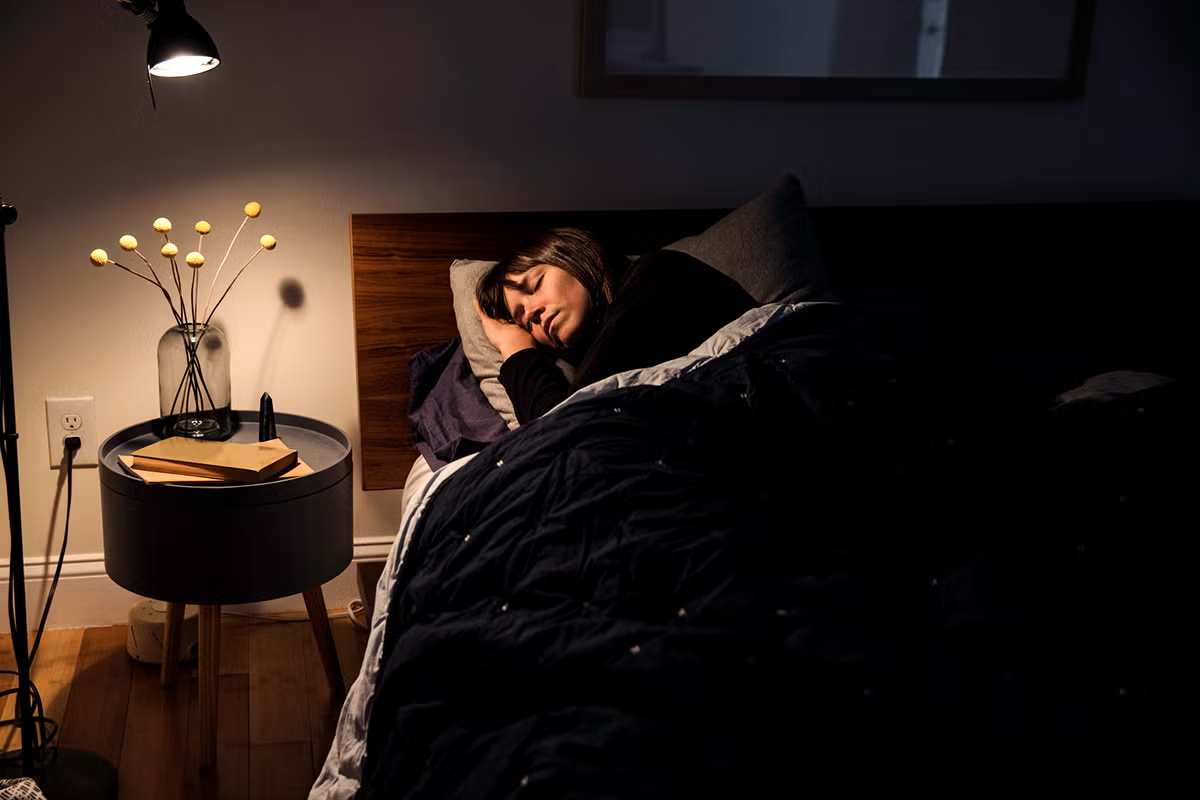
It’s important to understand sleep quality to tackle nighttime restlessness. Good sleep is key to our health and happiness. It affects how we feel and how well we function during the day.
Defining Normal vs. Disrupted Sleep
Normal sleep means you sleep well and wake up feeling refreshed. Disrupted sleep, though, makes it hard to stay asleep and wake up often. You might not get into the deep sleep you need.
Normal Sleep Patterns: You go through different sleep stages smoothly. This includes light, deep, and REM sleep.
Disrupted Sleep Patterns: This leads to broken sleep, less sleep time, and poor quality. It makes you tired and less able to function during the day.
How Restlessness Manifests During Sleep
Restlessness can show up as tossing and turning, waking up a lot, and not getting into deep sleep. This can make you feel tired and affect your day.
Many things can cause restless sleep. This includes mental, lifestyle, and environmental factors. Knowing what causes it helps find ways to sleep better.
|
Characteristics |
Normal Sleep |
Disrupted Sleep |
|---|---|---|
|
Duration |
7-9 hours |
Less than 7 hours or fragmented |
|
Sleep Stages |
Cyclic progression through stages |
Frequent awakenings, difficulty maintaining stages |
|
Restfulness |
Feeling rested and refreshed |
Feeling tired, groggy, or unrested |
The Prevalence of Restlessness at Night

Restlessness at night is a big concern that needs our attention. It affects sleep quality and overall health. We will look at who is most affected and when it’s a serious issue.
Statistical Overview of Sleep Disturbances
About 70% of people say they have restless sleep at least once a month. Also, 35% of adults have insomnia symptoms. This shows sleep problems are common.
|
Category |
Percentage Affected |
|---|---|
|
Individuals experiencing restless sleep at least once a month |
70% |
|
Adults reporting insomnia symptoms |
35% |
|
Population with chronic sleep disturbances |
15% |
Who Experiences Nighttime Restlessness Most
Some groups face more nighttime restlessness. These include those with anxiety and stress, people with irregular sleep schedules, and those who take stimulants close to bedtime. Knowing these factors helps us see who’s at risk.
When to Consider It a Serious Problem
Restlessness at night is serious if it lasts long and affects daily life. It’s important to notice the signs and get help if needed. Ignoring sleep problems can lead to bigger health issues.
Psychological Factors Causing Nighttime Restlessness
Understanding what makes us restless at night is key to better sleep. These factors can really affect how well we sleep.
Stress and Anxiety Effects on Sleep
Stress and anxiety are big hurdles for good sleep. In the U.S., about 43% of adults say stress affects their sleep every month. Stress makes our body’s “fight or flight” response kick in, releasing hormones like cortisol and adrenaline. These hormones make it hard to relax and sleep.
Stress and anxiety can lead to:
- Increased heart rate and blood pressure
- Hyperarousal, making it hard to relax
- Racing thoughts and worries
Depression and Mood Disorders
Depression and mood disorders can really mess with sleep. People with depression often have trouble sleeping or sleep too much. The link between depression and sleep is complex, with each making the other worse.
Mood disorders can disrupt sleep in many ways, including:
- Disrupting the body’s natural sleep-wake cycle
- Increasing sensitivity to stress
- Leading to negative thought patterns
Racing Thoughts and Rumination Patterns
Racing thoughts and rumination are common in stress, anxiety, and depression. These thoughts can make it hard to fall asleep or stay asleep.
Strategies to manage racing thoughts include:
- Engaging in relaxation techniques, such as deep breathing or meditation
- Writing down thoughts before bed to clear the mind
- Establishing a consistent sleep schedule
Lifestyle Habits That Contribute to Restless Sleep
Our daily habits greatly affect our sleep quality. Some habits help us sleep well, while others make it hard. Knowing how our routines impact sleep is key to better rest.
Inconsistent Sleep-Wake Schedules
Keeping a regular sleep schedule is essential. Irregular sleep can mess with our natural rhythm, causing restless nights. Going to bed and waking up at the same time every day, including weekends, helps to stabilize sleep quality.
Evening Screen Exposure
Using electronic devices before bed can harm sleep. The blue light they give off can lower melatonin levels, making it tough to sleep. Limiting screen time before bed or using blue light filtering glasses/apps can help mitigate this effect.
- Set a “no screen” rule for at least an hour before bedtime.
- Use apps that filter out blue light.
- Dim the brightness of your devices.
Exercise Timing and Its Impact
Exercise is good for sleep, but timing matters. Working out too close to bedtime can raise adrenaline, making it hard to sleep. It’s generally recommended to finish exercising a few hours before bedtime to allow the body time to wind down.
Work Schedules and Shift Work
Non-traditional work schedules can mess with our sleep. Night shifts and rotating shifts can lead to chronic sleep issues. For those working non-traditional hours, establishing a consistent sleep schedule, even on days off, can help. Creating a sleep-friendly environment, like using blackout curtains, can also help.
“Shift work sleep disorder is a common issue among those who work non-traditional hours. Managing this condition requires a combination of lifestyle adjustments and, in some cases, professional help.”
By changing these habits, we can improve our sleep and reduce restlessness at night.
How Diet Affects Restlessness at Night
Our diet greatly affects our sleep, causing restlessness at night. What we eat can either help or hurt our sleep quality. We’ll look at how diet impacts restlessness at night.
Caffeine and Other Stimulants
Caffeine is a stimulant that can mess with sleep. Drinking it in the afternoon or evening makes it hard to fall asleep. Other stimulants, like those in energy drinks or some meds, can also mess with sleep.
Key stimulants to limit or avoid:
- Caffeine (coffee, tea, chocolate)
- Nicotine
- Certain medications (e.g., pseudoephedrine)
- Energy drinks
Alcohol’s Effect on Sleep Architecture
Alcohol might help you fall asleep faster, but it messes with sleep architecture. Drinking before bed can cause broken sleep, more sleep stage changes, and less REM sleep.
Tips for alcohol consumption:
- Keep alcohol intake moderate.
- Avoid drinking alcohol near bedtime.
- Try other ways to relax instead of alcohol.
Evening Eating Patterns
Eating a big meal before bed can cause discomfort and indigestion. It makes it harder to fall asleep. Some foods can also trigger acid reflux or other digestive problems.
Recommendations for evening meals:
- Finish eating 2-3 hours before bedtime.
- Choose light, balanced meals.
- Avoid spicy or fatty foods.
Hydration and Nighttime Bathroom Trips
Drinking enough water is important, but too much before bed can lead to midnight bathroom trips. It’s all about finding the right balance.
Strategies for managing hydration:
- Drink water all day.
- Slow down on fluids in the evening.
- Limit drinks that make you pee more (e.g., coffee, tea, alcohol).
Environmental Factors Disrupting Sleep
Things around us can really mess with our sleep. The place we sleep in is key to how well we rest.
Optimal Bedroom Temperature
Having the right bedroom temperature is vital for sleep. Studies show cooler rooms help us sleep better. Aim for a temperature between 60°F and 67°F (15.5°C and 19.4°C).
A cool room helps our body cool down while we sleep. But, a room that’s too hot or cold can keep us awake.
Light Exposure and Melatonin Production
Light around us affects our sleep too. Natural light in the day helps our body clock. But, too much light at night can stop melatonin production, making it hard to sleep.
Using blackout curtains or dim red lights can help. They reduce light and help our body make melatonin. This can make us sleep better and feel more rested.
Noise Pollution Solutions
Noise can really disrupt our sleep. Loud sounds make it hard to fall and stay asleep. There are ways to reduce noise.
Earplugs, white noise machines, or soundproofing can help. A quiet place to sleep can greatly improve how well we rest.
Mattress and Pillow Considerations
The comfort of our mattress and pillows is important for sleep. A worn-out mattress can cause discomfort and restlessness.
|
Mattress Feature |
Importance for Sleep |
Recommendation |
|---|---|---|
|
Support |
High |
Choose a mattress that provides adequate support for your body. |
|
Comfort |
High |
Select a mattress with the right firmness for your comfort. |
|
Material |
Medium |
Consider materials that breathe and regulate temperature. |
Getting a good mattress and pillows can really help our sleep. It’s important to pick ones that support and comfort our bodies.
Medical Conditions That Cause Body Restlessness During Sleep
Restlessness during sleep can be a sign of many health issues. These problems can mess up your sleep, making you tired and restless.
Restless Legs Syndrome and Periodic Limb Movement Disorder
Restless Legs Syndrome (RLS) makes your legs feel uncomfortable and urges you to move them. This can really mess up your sleep. Periodic Limb Movement Disorder (PLMD) is similar but involves moving your legs without control while you sleep.
Symptoms of RLS and PLMD:
- Uncomfortable sensations in the legs
- Urge to move the legs
- Involuntary leg movements during sleep
Sleep Apnea and Breathing Disorders
Sleep apnea stops you from breathing while you sleep, waking you up often. Other breathing problems can also mess up your sleep.
Types of Sleep Apnea:
|
Type |
Description |
|---|---|
|
Obstructive Sleep Apnea |
Caused by obstruction of the airway |
|
Central Sleep Apnea |
Caused by issues with the brain’s breathing control |
|
Mixed Sleep Apnea |
Combination of obstructive and central sleep apnea |
Chronic Pain Conditions
Chronic pain can really mess up your sleep, making you restless. Conditions like arthritis, fibromyalgia, and neuropathic pain can make it hard to sleep well.
Examples of chronic pain conditions:
- Arthritis
- Fibromyalgia
- Neuropathic pain
Hormonal Imbalances
Hormonal changes can also affect your sleep. For example, thyroid problems can make you restless and disrupt your sleep.
Hormonal Imbalances Affecting Sleep:
|
Hormonal Condition |
Impact on Sleep |
|---|---|
|
Hyperthyroidism |
Increased restlessness and difficulty sleeping |
|
Hypothyroidism |
Fatigue and potentially disrupted sleep patterns |
Medications and Substances Contributing to Restlessness at Night
Some medications and substances can disrupt sleep, causing restlessness at night. It’s important to look at how these factors affect sleep.
Prescription Medications That Disrupt Sleep
Some prescription drugs can mess with sleep cycles. For example, antidepressants and anxiety meds can make you restless. Knowing these side effects is key to managing health.
- Antidepressants: SSRIs and other antidepressants can sometimes cause or worsen restlessness.
- Beta-blockers: These heart and blood pressure meds can mess with sleep.
- Corticosteroids: These can cause insomnia and restlessness because of their stimulating effects.
Over-the-Counter Products to Avoid
OTC products, like some cold meds and stimulants, can also mess with sleep. Always check labels and avoid products that can disrupt sleep.
- Decongestants: In many cold and allergy meds, decongestants can cause insomnia.
- Caffeine: Drinking caffeine in the afternoon or evening can really hurt sleep quality.
Withdrawal Effects on Sleep Quality
Stopping certain substances can lead to restlessness and bad sleep. This happens with both prescription drugs and recreational substances.
- Alcohol Withdrawal: Stopping heavy drinking can cause severe sleep problems.
- Benzodiazepine Withdrawal: Stopping these anxiety and insomnia meds can cause a lot of restlessness.
Knowing how medications and substances affect sleep is key to better sleep. By understanding side effects and making smart choices about OTC products, we can improve our sleep.
Effective Sleep Hygiene Practices to Combat Restlessness
Restlessness at night can be lessened by good sleep hygiene. This includes lifestyle changes and adjusting our environment. These practices can improve our sleep quality and lower restlessness.
Establishing a Consistent Sleep Schedule
Keeping a regular sleep schedule is key to good sleep hygiene. Go to bed and wake up at the same time every day, even on weekends. A consistent schedule helps our body’s internal clock, making sleep easier. Create a bedtime routine to tell our body it’s time to sleep.
Creating an Optimal Sleep Environment
The sleep environment greatly affects our sleep quality. Ensure your bedroom is dark, quiet, and cool. Use blackout curtains, earplugs, or a white noise machine. A comfy mattress and pillows also help.
Developing a Relaxing Bedtime Routine
A calming bedtime routine signals sleep time. Try reading, taking a warm bath, or practicing deep breathing. Stay away from screens an hour before bed to avoid blue light.
Managing Daytime Habits That Affect Night Sleep
Our daytime habits impact our sleep. Watch caffeine intake, eat light meals before bed, and exercise regularly. But, avoid intense exercise close to bedtime.
By following these sleep hygiene tips, we can improve our sleep and reduce restlessness. It’s about living a sleep-friendly lifestyle that relaxes us and prepares us for a good night’s sleep.
Natural Remedies and Therapies for Restless Nights
Natural remedies and therapies can help manage restless nights and improve sleep quality. It’s important to look at the evidence of their effectiveness.
Evidence-Based Herbal Supplements
Some herbal supplements may help improve sleep. Melatonin, a hormone that controls sleep-wake cycles, is well-studied. It can help those with sleep disorders like insomnia and delayed sleep phase syndrome.
Other herbs like valerian root and chamomile are also used for relaxation and better sleep. While the evidence is not as strong as for melatonin, they are popular natural sleep aids.
|
Herbal Supplement |
Potential Benefits |
Level of Evidence |
|---|---|---|
|
Melatonin |
Regulates sleep-wake cycle |
Strong |
|
Valerian Root |
Promotes relaxation |
Moderate |
|
Chamomile |
Improves sleep quality |
Moderate |
Mindfulness and Relaxation Techniques
Mindfulness and relaxation techniques can help manage stress and anxiety. These are common causes of restless nights. Practices like meditation and deep breathing can calm the mind and body before sleep.
“Mindfulness meditation can help reduce stress and anxiety by promoting relaxation and improving sleep quality.”Medical Expert
These techniques can be practiced with guided recordings or mobile apps. They are accessible to anyone looking to improve their sleep.
Cognitive Behavioral Therapy for Insomnia
Cognitive Behavioral Therapy for Insomnia (CBT-I) is a non-pharmacological approach. It has been shown to be highly effective in treating insomnia and other sleep disorders. CBT-I focuses on changing negative sleep patterns and behaviors.
This therapy is conducted with a healthcare professional. It involves techniques like sleep diary keeping, stimulus control, and sleep restriction.
When to Consider Sleep Medication
While natural remedies and therapies are effective, sleep medication may be necessary in some cases. It’s important to consult with a healthcare professional to determine the best treatment. This depends on individual needs and health status.
Sleep medication should be considered when sleep disturbances significantly impact daily functioning and quality of life. It should also be considered when other treatments have not been effective.
Conclusion: Taking Control of Your Sleep Quality
Understanding what causes restlessness at night is key to better sleep. Many people worldwide struggle with this issue. But, it’s treatable.
Several factors can lead to restlessness, like our mental state, lifestyle, diet, environment, and health. By tackling these and practicing good sleep habits, we can feel better.
Keeping a regular sleep schedule and making our sleep space calm are important. Mindfulness and relaxation also help. Taking charge of our sleep means waking up feeling great and ready for the day.
Improving sleep quality is a journey. It needs patience, dedication, and taking care of ourselves. By choosing healthy sleep habits, we can beat restlessness and sleep better.
FAQ
Why do I feel restless at night?
Feeling restless at night can happen for many reasons. Stress and anxiety are big factors. So are lifestyle habits like not sticking to a sleep schedule. Medical issues like restless legs syndrome can also play a part.
What are the common causes of restlessness during sleep?
Restlessness during sleep often comes from stress and anxiety. Depression and mood disorders can also cause it. Lifestyle choices like screen time before bed and medical issues like sleep apnea are other reasons.
How can I reduce restlessness at night?
To cut down on restlessness at night, try to sleep at the same time every day. Make your bedroom a sleep haven. Also, relax before bed with a calming routine.
Watch what you do during the day. Avoid caffeine and too much exercise close to bedtime.
What is the impact of diet on restlessness at night?
What you eat can really affect how well you sleep. Caffeine and other stimulants can mess with your sleep. Alcohol can also mess with your sleep patterns.
What you eat in the evening and how much water you drink can also affect your sleep.
Can certain medications cause restlessness at night?
Yes, some medicines can mess with your sleep. Medicines for depression and anxiety can disrupt your sleep. Over-the-counter products like cold medicines can also affect your sleep.
What are some natural remedies for restless nights?
Natural supplements like melatonin can help with sleep. Mindfulness and relaxation techniques like meditation can help too. Cognitive behavioral therapy for insomnia (CBT-I) is also very effective.
How can I create an optimal sleep environment?
For a great sleep environment, keep your bedroom cool and dark. Try to reduce noise. A comfy mattress and pillows can also help.
When should I consider seeking medical attention for restlessness at night?
If you’re always restless at night and it’s affecting your life, see a doctor. Some medical issues like restless legs syndrome or sleep apnea need professional help.