
Did you know that about 3 million people in the United States get scoliosis every year? This condition makes the spine curve abnormally. It can really change how someone lives their life. But, many wonder: is it something you’re born with, or does it come later?
Getting a spinal condition diagnosis can be scary. We want to help you understand and feel supported. Scoliosis can happen at any age. It can be present at birth, or it might start during the teenage years or even later in life.
Key Takeaways
- Understanding the difference between congenital and developed scoliosis is key.
- Scoliosis can happen at any age, not just in kids.
- How much it affects daily life varies a lot from person to person.
- Getting diagnosed early is important for managing it well.
- Treatment can range from just watching it to surgery, based on how bad it is.
What Is Scoliosis? Defining the Spinal Condition
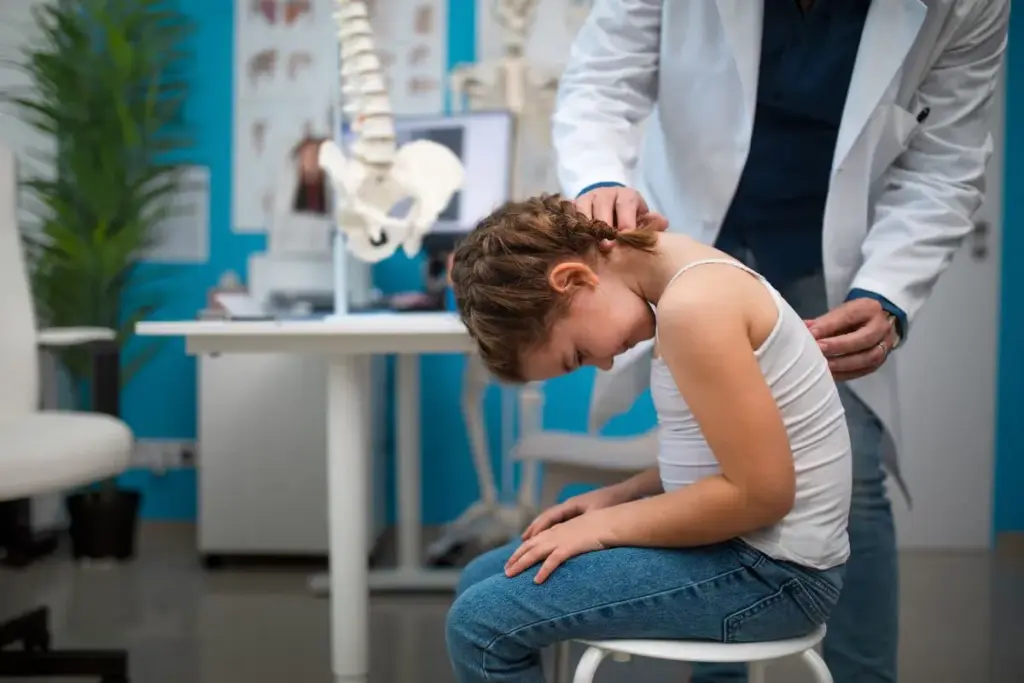
Scoliosis is more than just a simple curve. It’s a complex condition that affects the spine’s structure. It involves an abnormal lateral curvature of the spine. This can take the shape of a “C” or an “S” shape, depending on the number of curves.
To grasp scoliosis, we must first look at the spine’s normal anatomy. A healthy spine looks straight from the front but has natural curves from the side. In scoliosis, this normal alignment is disrupted, causing an abnormal curvature.
The Anatomy of a Curved Spine
In a spine with scoliosis, the vertebrae may rotate, causing an abnormal curve. This curve can be either convex (outward bulging) or concave (inward curving). The direction and degree of this curve are key in diagnosing and treating scoliosis.
The curvature of scoliosis can lead to various scoliosis symptoms. These include uneven shoulders, a prominent rib cage, or an uneven waist. In severe cases, it can cause discomfort, pain, or breathing problems.
Prevalence and Demographics
|
Age Group |
Prevalence of Scoliosis |
|---|---|
|
Adolescents (10-18 years) |
2-3% |
|
Adults |
Up to 68% in some studies, though often mild |
In many cases, the cause of scoliosis is unknown, and it’s called idiopathic scoliosis. But it can also be linked to other conditions or be present at birth. Mild scoliosis cases might not need aggressive treatment<image3>
, but they must be closely monitored to prevent worsening.
Types of Scoliosis: Congenital vs. Acquired
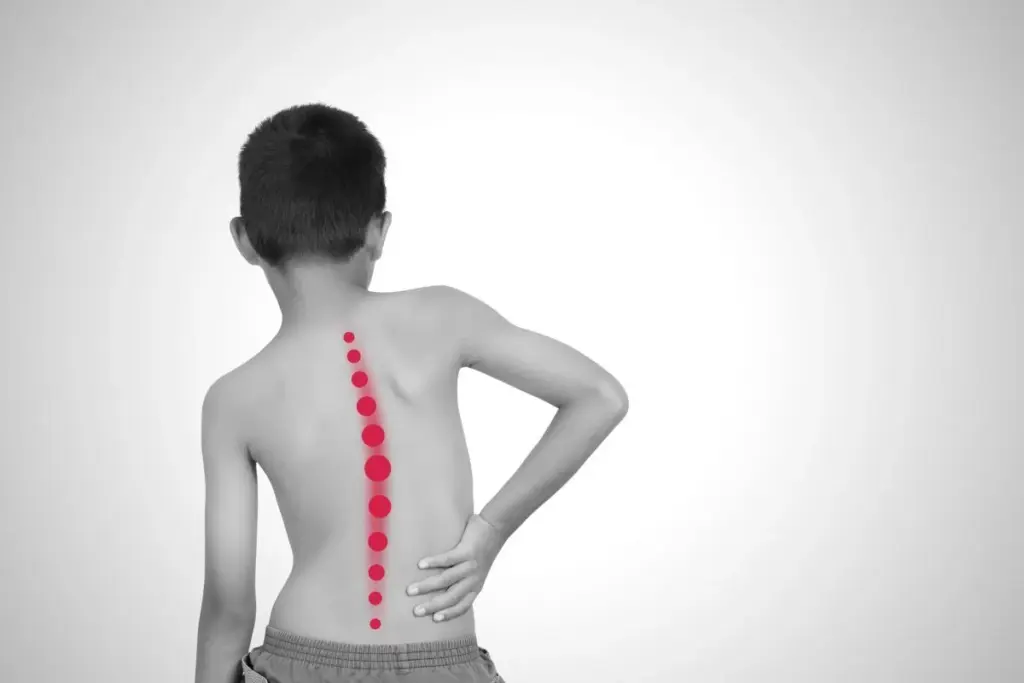
It’s important to know the difference between congenital and acquired scoliosis for proper treatment. Scoliosis is a condition where the spine curves abnormally. It can be present at birth or develop later in life.
Born With It: Congenital Scoliosis
Congenital scoliosis happens when the spine doesn’t form right during pregnancy. Congenital scoliosis is present at birth and can vary in severity from mild to severe. Severe cases can cause big spinal deformities if not treated early.
“Congenital scoliosis is often linked to genetic conditions or syndromes,” which means a full check-up is key. We’ll look into what causes congenital scoliosis in kids.
Developing Over Time: Acquired Scoliosis
Acquired scoliosis starts after birth, often in kids or teens. It includes types like idiopathic scoliosis (cause unknown) and neuromuscular scoliosis (from muscle or nerve diseases). Its growth can be affected by genetics, growth spurts, and health issues.
Acquired scoliosis can be tricky because it can change a lot. We’ll talk about its types and what makes it grow.
In summary, both congenital and acquired scoliosis need careful treatment to avoid serious problems. Knowing the difference helps doctors create the right treatment for each patient.
Congenital Scoliosis: Understanding Spinal Formation Issues
Congenital scoliosis is a complex condition that starts in the womb. It causes an abnormal spine curve. This condition is present at birth due to spine formation problems during fetal development. Knowing the causes and factors of congenital scoliosis is key to managing and treating it.
Embryonic Development Problems
The spine forms from cells during embryonic development. Any problem in this process can cause congenital scoliosis. Genetic mutations and environmental factors during pregnancy are key factors.
The spine’s development is a complex process. It involves many genes and pathways. Problems in these can cause vertebral malformations, leading to congenital scoliosis. We will look into the genetic aspects more later.
Genetic Factors in Congenital Cases
Genetics play a big role in congenital scoliosis. Research has found genes that, when mutated, cause spinal problems. Families with a history of congenital scoliosis or spinal anomalies are at higher risk.
Some genetic conditions linked to congenital scoliosis include:
- Vertebral anomalies
- Spinal dysraphism
- Other syndromic conditions that affect spinal development
Understanding the genetic basis of congenital scoliosis helps in early diagnosis and management. We suggest genetic counseling for families with a history of the condition.
In conclusion, congenital scoliosis is caused by problems in embryonic development and genetics. Knowing these causes is vital for effective treatment plans.
Idiopathic Scoliosis: The Mystery of Developing Curves
It’s important to understand idiopathic scoliosis early. This spinal deformity is common in kids and teens. It causes the spine to curve abnormally.
Doctors sort idiopathic scoliosis by when it starts. This helps decide how to treat it.
Infantile Idiopathic Scoliosis (0-3 years)
Infants under three can get infantile idiopathic scoliosis. It’s rare and might go away by itself. But, it’s important to watch it closely.
Juvenile Idiopathic Scoliosis (4-10 years)
Kids aged four to ten can get juvenile idiopathic scoliosis. It can grow fast. So, regular doctor visits are key.
Adolescent Idiopathic Scoliosis (11+ years)
Adolescent idiopathic scoliosis happens during puberty. It’s the most common type. Watching it closely is important to avoid big problems.
Common Symptoms Across Age Groups include uneven shoulders, a visible curvature of the spine, and in some cases, back pain. Finding it early is vital for managing it well.
- Visible curvature of the spine
- Uneven shoulders or hips
- Back pain or discomfort
Knowing these symptoms and the different types of idiopathic scoliosis helps in giving the right care and support.
Directional Curves: Dextroscoliosis vs. Levoscoliosis
In scoliosis, the spine can curve to the right, known as dextroscoliosis, or to the left, known as levoscoliosis. Knowing these curves is key for diagnosis and treatment.
Right-Curving Spine: Dextroscoliosis Explained
Dextroscoliosis is when the spine curves to the right. It can be mild or severe and has different causes. Thoracic curves often curve to the right.
Dextroscoliosis can show:
- Visible curvature of the spine to the right
- Potential for uneven shoulder heights
- In some cases, associated rib cage deformities
Left-Curving Spine: Levoscoliosis Characteristics
Levoscoliosis means the spine curves to the left. It’s less common in the thoracic spine but can happen in the lumbar. The curve’s shape is key in levoscoliosis.
Levoscoliosis features include:
|
Characteristics |
Description |
|---|---|
|
Direction of Curve |
Curves to the left |
|
Common Location |
Lumbar region |
|
Potential Symptoms |
Lower back pain, uneven hips |
A medical expert says, “Knowing the curve’s direction and how severe it is is vital for treatment. This could be a back brace for lower back pain or other treatments.”
“The direction of the curvature can significantly impact the treatment plan and the patient’s quality of life.”
In summary, both dextroscoliosis and levoscoliosis need careful evaluation and specific treatments. Understanding each condition helps healthcare providers give better care.
Neuromuscular Scoliosis: When Nerves and Muscles Affect Spine Development
When nerves and muscles don’t work right, it can cause neuromuscular scoliosis. This is a scoliosis type with an abnormal spine curve. It’s due to neuromuscular disorders.
Conditions That Trigger Neuromuscular Curves
Neuromuscular scoliosis is linked to nerve and muscle issues. These problems support the spine. Some common causes include:
- Cerebral palsy: A neurological disorder that affects muscle tone and coordination.
- Muscular dystrophy: A group of genetic disorders that progressively weaken muscles.
- Spinal muscular atrophy: A condition that affects the nerve cells responsible for controlling voluntary muscle movement.
- Spina bifida: A congenital condition where the spine and spinal cord don’t form properly.
These conditions can cause muscle imbalances and weakness. This leads to an abnormal spine curve.
Progression Patterns and Severity
The progression and severity of neuromuscular scoliosis vary. It depends on the underlying condition and the person’s health. The curvature usually gets worse over time, more so during growth spurts.
Several factors affect how neuromuscular scoliosis progresses. These include:
- The severity of the underlying neuromuscular condition.
- The age of onset and the rate of progression.
- The effectiveness of any ongoing treatments or interventions.
Knowing these factors is key to creating a good treatment plan. It should address both the scoliosis and the neuromuscular condition.
Adult-Onset Scoliosis: Degenerative Changes Later in Life
Scoliosis in adults is a complex issue. It’s influenced by age-related wear and tear. As we age, our spines naturally deteriorate, which can cause scoliosis.
Age-Related Spinal Degeneration
Spinal degeneration with age is a big factor in adult scoliosis. Older adults lose spinal disc height and elasticity. Facet joints also get inflamed and arthritic.
This can cause an imbalance in the spine. This imbalance might lead to a curvature.
“Degenerative scoliosis often starts in adults over 50,” say spinal health experts. It’s often due to degenerative disc disease, facet arthritis, or other age-related changes.
Risk Factors for Developing Scoliosis as an Adult
Several factors increase the risk of scoliosis in adults. These include:
- Age: The risk grows after 50.
- Previous spinal conditions or surgeries.
- Degenerative disc disease.
- Osteoporosis, which can cause vertebral fractures and spinal deformity.
Knowing these risk factors helps in early detection and management of adult-onset scoliosis. Healthcare providers can then offer targeted monitoring and interventions.
Conservative management is often the first treatment for adult-onset scoliosis. It aims to relieve symptoms and improve quality of life. This includes physical therapy, bracing, and pain management.
Recognizing Scoliosis Symptoms at Different Life Stages
It’s important to know the signs of scoliosis at all ages. Scoliosis is a spine condition that can affect people in different ways. It’s key to spot it early in kids, teens, and adults.
Childhood and Adolescent Warning Signs
In kids and teens, scoliosis might not show symptoms at first. But, there are signs to watch for:
- Uneven shoulders or shoulder blades
- Prominent ribs or a rib hump on one side
- Uneven waist or hips
- Leaning to one side
- Differences in the way clothing fits
It’s vital to get regular check-ups, mainly during puberty. If you think someone might have scoliosis, get a doctor’s opinion. They can figure out how serious it is and what to do next.
Adult Scoliosis Symptoms
Adults with scoliosis might notice:
- Back pain or stiffness
- Muscle fatigue or spasms
- Leg pain or numbness due to nerve compression
- Changes in posture or gait
- Difficulty standing upright or maintaining balance
If you have a history of scoliosis or it’s getting worse, see a doctor. They can help manage your symptoms.
When Symptoms Require Medical Attention
Some scoliosis cases need only watching, but others need quick medical help. Look for:
- Severe back pain
- Rapid progression of curvature
- Neurological symptoms such as numbness, tingling, or weakness in the legs
- Significant changes in posture or gait
- Breathing difficulties due to severe spinal curvature
A scoliosis brace might be suggested for kids and teens. For severe cases, surgery could be an option.
Spotting scoliosis early and treating it right can make a big difference. Knowing the signs and getting help when needed can help people with scoliosis live better lives.
The Genetic Connection: Is Scoliosis Hereditary?
For years, people have wondered if scoliosis is passed down through genes. Recent studies have shed light on this question. It seems that genes do play a big role in scoliosis.
Family Patterns and Inheritance
Studies have shown that scoliosis often runs in families. If your family has a history of scoliosis, you might be more likely to get it. This is true, even if there’s no clear reason why.
Scientists have found genes linked to scoliosis. They think many genes work together to increase the risk of getting scoliosis.
|
Genetic Factor |
Description |
Impact on Scoliosis |
|---|---|---|
|
Multiple Genetic Variants |
Several genes contribute to scoliosis susceptibility |
Increases the risk of developing scoliosis |
|
Family History |
Presence of scoliosis in immediate family members |
Significantly increases the likelihood of scoliosis |
|
Genetic Testing |
Identification of genetic markers associated with scoliosis |
Helps in early detection and management |
Genetic Testing and Predisposition
Genetic tests can tell us if we might get scoliosis. They look for specific genes linked to the condition. This helps doctors give better advice and care.
But, it’s important to remember that genes aren’t the only thing that matters. Environment and lifestyle also play a part. So, treating scoliosis means looking at all these factors.
As we learn more about scoliosis genes, we can better fight this condition. This knowledge brings hope to those dealing with scoliosis. It helps them get the best care possible.
Environmental Factors That May Influence Scoliosis Development
Environmental factors are now seen as playing a role in scoliosis. Lifestyle, posture, and certain activities or injuries can affect spinal curvature. The exact ways they do this are being studied.
Lifestyle, Posture, and Activities
Our daily habits and activities greatly affect our spine. Poor posture can strain the spine, possibly leading to scoliosis. Activities that involve uneven weight distribution can also impact scoliosis.
A study found that sports like gymnastics or tennis increase scoliosis risk. This shows that some activities might make scoliosis worse.
“The relationship between sports activities and scoliosis is complex, and while there’s no direct causation, certain activities may contribute to the progression of scoliotic curves in predisposed individuals.”
Lifestyle, including diet and exercise, is also key. Eating foods rich in calcium and vitamin D helps keep bones strong. This can help with scoliosis. Exercise, tailored to the individual, can strengthen the spine muscles, slowing curvature.
|
Lifestyle Factor |
Impact on Scoliosis |
|---|---|
|
Poor Posture |
Increases strain on the spine, potentially worsening curvature. |
|
Asymmetric Sports Activities |
May contribute to the development or progression of scoliotic curves. |
|
Nutrition and Diet |
A balanced diet supports bone health, potentially mitigating scoliosis effects. |
Injuries and Their Impact on Spinal Curves
Spinal injuries can also affect scoliosis. Accidents or sports injuries can change spinal alignment. People with spinal trauma should watch for scoliosis signs.
It’s important to understand how environment and scoliosis interact. By changing lifestyle and managing injuries, people with scoliosis can improve their life quality.
Diagnosing Scoliosis: From Screening to Confirmation
Diagnosing scoliosis starts with screenings and ends with advanced imaging. We’ll explain each step to help you understand the process.
Physical Examination and Screening Tests
A healthcare professional starts by examining you physically. They look for signs like uneven shoulders or a crooked waist. The Adam’s Forward Bend Test is used to check for spine curvatures.
Key components of the physical examination include:
- Visual inspection of the spine
- Assessment of posture and alignment
- Adam’s Forward Bend Test
Imaging Technologies for Diagnosis
Imaging technologies are next to confirm the diagnosis. X-rays, MRI, and CT scans are used. They help see the spine’s bones clearly.
X-rays are first because they show bone details well. They measure the curve’s degree using the Cobb Angle.
Measuring Severity: Understanding the Cobb Angle
The Cobb Angle is key in scoliosis diagnosis. It measures the spine’s curve by drawing lines on X-rays. The angle between these lines is the Cobb Angle.
The Cobb Angle helps in:
- Determining the degree of curvature
- Assessing the need for treatment
- Monitoring the progression of scoliosis
Healthcare professionals use the Cobb Angle and imaging to diagnose scoliosis. They then plan the best treatment.
Scoliosis Treatment Options: From Conservative to Surgical
Treating scoliosis involves watching, bracing, and surgery, based on the person’s condition. The right treatment depends on the curve’s severity, the patient’s age, and health.
Observation and Monitoring Approaches
For mild scoliosis, with curves under 25 degrees, watching and regular check-ups are often suggested. This means getting X-rays and physical exams to see if the curve is getting worse. If it does, the treatment plan can change.
Key aspects of observation include:
- Regular X-rays to monitor curve progression
- Physical examinations to assess spinal flexibility and overall health
- Adjusting treatment plans as necessary based on curve progression
Bracing Techniques and Effectiveness
Bracing is a common treatment for scoliosis, mainly for curves between 25 and 40 degrees in kids and teens. The goal is to stop the curve from getting worse by supporting the spine from outside.
Types of braces include:
|
Brace Type |
Description |
Effectiveness |
|---|---|---|
|
TLSO (Thoraco-Lumbo-Sacral Orthosis) |
A brace that covers the thoracic, lumbar, and sacral regions of the spine |
Highly effective in halting curve progression in growing patients |
|
CTLSO (Cervico-Thoraco-Lumbo-Sacral Orthosis) |
A brace that extends from the cervical to the sacral region, providing additional support |
Effective for higher thoracic curves or more severe curvatures |
Bracing works best when worn as directed, usually 16 to 23 hours a day.
Surgical Interventions and When They’re Necessary
Surgery is for severe scoliosis, usually curves over 45-50 degrees, or when other treatments don’t work. The main goal is to fix the curve and make the spine stable.
Surgical techniques include:
- Spinal fusion: The most common surgery, involving the fusion of vertebrae to stabilize the spine
- Vertebral column resection: A more complex procedure involving the removal and replacement of vertebrae
Surgical intervention is often required for larger curves that significantly impact daily activities or result in considerable pain.
Scoliosis Exercises and Physical Therapy Approaches
Managing scoliosis goes beyond just treatment. It’s about finding the right exercises and physical therapy. These help keep the spine healthy, improve posture, and lessen pain.
Specific Exercises for Different Curve Types
Each scoliosis curve needs its own exercise plan. For thoracic scoliosis, exercises that strengthen the upper back muscles are key. Lumbar scoliosis calls for exercises that stabilize the lower back.
Exercises for Thoracic Scoliosis: Activities like shoulder blade squeezes and chest stretches are beneficial. They improve flexibility and strength in the upper back.
Exercises for Lumbar Scoliosis: Core strengthening exercises, like planks and bridges, are great. They help stabilize the lumbar region.
The Role of Physical Therapy in Management
Physical therapy is vital in scoliosis management. It offers customized exercise programs based on the curve type and severity. Physical therapists also teach posture correction, pain management, and how to improve spinal health.
Regular physical therapy sessions help patients learn the right exercises. They can track their progress and adjust their routine as needed.
The aim of physical therapy in scoliosis management is to ease symptoms and give patients the tools to manage their condition well.
Conclusion: Understanding Your Scoliosis Journey
Scoliosis is a complex spinal condition. It can come from genetics, birth defects, or wear and tear over time. Knowing what scoliosis is and its types helps people deal with their diagnosis and treatment.
Getting help from a scoliosis specialist is key. These doctors offer personalized advice, suggest treatments, and provide support during treatment.
By knowing the causes and symptoms of scoliosis, people can take steps to keep their spine healthy. We aim to provide top-notch healthcare and support to international patients. We want to make sure everyone gets the care they need.
FAQ
What is scoliosis?
Scoliosis is a condition where the spine curves abnormally. This can happen in any part of the spine, but it’s most common in the thoracic and lumbar areas.
What are the symptoms of scoliosis?
Symptoms vary based on the severity and location of the curve. You might notice uneven shoulders or a visible spine curve. Back pain and breathing issues can also occur in severe cases.
Is scoliosis hereditary?
Yes, there’s a genetic link to scoliosis, as it often runs in families. But, the exact cause is often unknown, and it’s not just genetics.
Can scoliosis be treated without surgery?
Yes, many cases can be treated without surgery. Options include observation, bracing, physical therapy, and exercises tailored to the individual’s needs.
What is the Cobb angle, and how is it used in diagnosing scoliosis?
The Cobb angle measures the spine’s curvature. It’s found by drawing lines on an X-ray. This angle helps diagnose and monitor scoliosis.
What is the difference between dextroscoliosis and levoscoliosis?
Dextroscoliosis curves to the right, while levoscoliosis curves to the left. The direction affects symptoms and treatment.
Can adults develop scoliosis?
Yes, adults can get scoliosis due to spinal degeneration. It can be caused by aging, osteoporosis, or previous injuries.
How is scoliosis diagnosed?
Diagnosis starts with a physical exam. Imaging tests like X-rays, CT scans, or MRI scans confirm the diagnosis and assess severity.
What are the treatment options for scoliosis?
Treatment varies based on the curvature’s severity, age, and health. Mild cases might just need monitoring. Bracing can prevent progression, and surgery is for severe cases.
Can exercises and physical therapy help manage scoliosis?
Yes, exercises and physical therapy are key in managing scoliosis. They improve posture, reduce pain, and enhance spinal health.
What is the role of bracing in scoliosis treatment?
Bracing prevents curvature progression, mainly in adolescents. The brace type and wear time depend on the scoliosis severity and growth stage.
When is surgery necessary for scoliosis?
Surgery is needed for severe scoliosis, usually with a Cobb angle of 45 degrees or more. It aims to correct the curve and stabilize the spine.
National Center for Biotechnology Information. Evidence-Based Medical Insight. Retrieved from https://pmc.ncbi.nlm.nih.gov/articles/PMC11300313/[1