

Many people around the world live well with just one kidney. This can be due to being born with one, donating one, or needing to remove one for health reasons. The big question is, can you live a normal life with one kidney? The answer is a clear yes. Studies by the National Kidney Foundation show that losing a kidney doesn’t greatly affect how well you function or how long you live.
Living with one kidney might worry some people. But, one healthy kidney can do the job of two. This means you can keep up with your daily activities and live a long, healthy life. For more details on life with one kidney, check out Temple Health’s article on the topic.
Key Takeaways
- Most people with one kidney can live long, healthy, and normal lives.
- One kidney can work as well as two for filtering waste and water.
- Kidney donors live as long as people who do not donate a kidney.
- Regular monitoring is necessary to assess kidney function and damage.
- A healthy lifestyle, including a balanced diet and regular exercise, is recommended.
Understanding Life With a Single Kidney
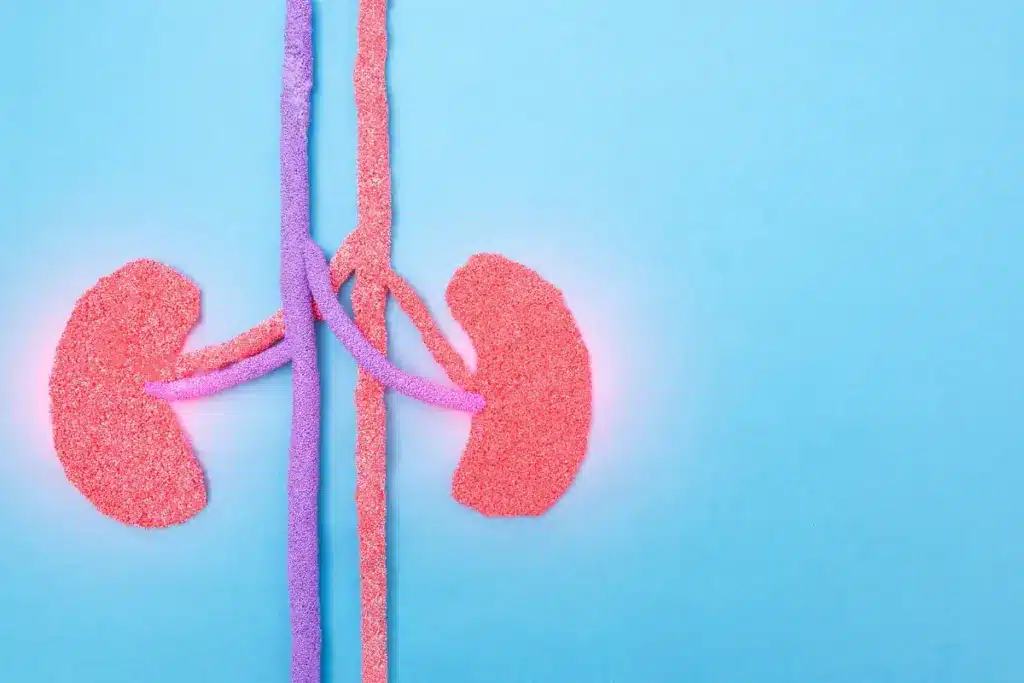
Many people live healthy lives with just one kidney. This is because the human body can adapt well. In the case of kidney function, one kidney can often do the job of two.
How One Kidney Compensates for Two
When one kidney is lost or removed, the other one works harder. This is because the kidneys have a built-in reserve. The remaining kidney can filter waste and excess fluids from the blood just as effectively as two kidneys, allowing individuals to maintain normal kidney function.
Research shows that kidney donors live as long as those who haven’t donated. The National Kidney Foundation says living with one kidney is generally safe. Most people with a single kidney do not experience significant long-term health problems.
Research from the National Kidney Foundation
The National Kidney Foundation has done a lot of research on single-kidney individuals. Their findings are:
- Kidney donors have a similar life expectancy to non-donors.
- The risk of developing kidney disease is not significantly higher for individuals with one kidney.
- Most people with a single kidney lead active, normal lives without major complications.
“The available data suggest that living kidney donors have a long-term survival rate similar to that of non-donors, and they do not appear to be at increased risk for end-stage renal disease.”
Normal Life Expectancy with One Kidney
Studies show that people with one kidney can live a normal life. The health of the remaining kidney is key. If the remaining kidney is healthy, it can effectively compensate for the loss of the other kidney, ensuring normal overall kidney function.
To maintain normal life expectancy with one kidney, it is essential to follow a healthy lifestyle, including a balanced diet, regular exercise, and regular medical check-ups. By doing so, individuals with one kidney can lead long, healthy lives.
Common Reasons for Having One Kidney

There are many reasons someone might have only one kidney. This can happen if they were born with it or had a kidney removed. We’ll look at these reasons in detail, exploring what makes someone have a single kidney.
Congenital Conditions
Some people are born with one kidney, a condition known as renal agenesis or kidney dysplasia. About 1 in 2,000 babies are born with kidney agenesis each year. This condition occurs during fetal development.
In many cases, the single kidney works well, allowing the person to live a healthy life.
Congenital conditions like renal agenesis show how the body can adapt to having only one kidney. Often, the single kidney makes up for the missing one, ensuring normal function.
Key Facts About Congenital Single Kidney:
- Renal agenesis occurs in about 1 in 2,000 births.
- Many individuals with a single kidney due to congenital conditions lead normal lives.
- The solitary kidney often compensates for the missing kidney, ensuring normal function.
Acquired Single Kidney
Others may have one kidney because it was surgically removed, known as nephrectomy. This is often due to disease, injury, or as a living kidney donor. Between 2008 and 2017, over 58,000 Americans donated a kidney as living donors.
Reasons for nephrectomy include:
- Kidney cancer or other diseases affecting the kidney.
- Severe injury to the kidney.
- Donating a kidney for transplantation.
After a nephrectomy, the remaining kidney usually takes over both kidneys’ functions. This allows many to live healthy lives with one kidney. Regular medical check-ups and a healthy lifestyle are key to keeping the kidney healthy after surgery.
Potential Side Effects of One Kidney and Management
Living with one kidney means you need to manage your health well. Many people with one kidney live normal lives. But, there are side effects to watch out for and ways to handle them.
Mild Reduction in Kidney Function
Having one kidney might mean your kidneys work a bit less. But, the one kidney you have can work harder to make up for it. The National Kidney Foundation says most people with one kidney can live normally without big kidney problems.
Monitoring kidney function is key. Regular blood and urine tests catch problems early. This lets you act fast.
Dietary Considerations for Single Kidney
Eating right is key for people with one kidney. Eat a low-sodium diet and lots of fruits and vegetables. Drinking plenty of water is also important.
“A well-balanced diet is essential for maintaining overall kidney health, even with just one kidney.”
Everyone’s diet needs are different. So, talk to a healthcare provider or dietitian to make a plan that’s right for you.
| Dietary Component | Recommendation |
|---|---|
| Sodium Intake | Limit to less than 2,300 mg per day |
| Fruits and Vegetables | Include a variety in your diet |
| Protein Intake | Moderate intake, consult a healthcare provider |
Physical Activity Guidelines
Staying active is good for people with one kidney. But, avoid sports that could hurt your kidney.
Low-impact activities like walking, cycling, or swimming are great. Always check with a doctor before starting new exercises.
Regular Medical Monitoring
Regular doctor visits are a must for people with one kidney. These visits help keep an eye on your kidneys and catch problems early.
- Schedule regular blood and urine tests
- Monitor blood pressure regularly
- Be cautious with over-the-counter pain relievers
By being proactive about your health and following these tips, you can live a healthy life with one kidney.
Conclusion: Embracing a Normal Life With One Kidney
Living with one kidney might make you worry about your health. But, the truth is, most people with one kidney can live just as long and healthy as those with two. They can enjoy a normal life.
It’s all about taking good care of yourself. This means regular doctor visits, eating right, and drinking plenty of water. Also, be careful with some medicines, like ibuprofen, to avoid kidney problems.
For more tips on living with one kidney, check out info resources. Yes, you can live a normal life with one kidney. With the right steps, you can stay healthy and active.
Understanding kidney health is key. By being proactive, you can reduce risks and improve your well-being. It’s not about living without a kidney, but living well with one.
FAQ
Can you live a normal life with one kidney?
Yes, many people live normal, healthy lives with one kidney. The other kidney takes over, ensuring normal function.
How does one kidney compensate for the loss of the other?
The remaining kidney works harder. It filters waste and excess fluids, keeping overall function normal.
What are the common reasons for having one kidney?
Reasons include being born with one kidney or losing one due to disease or injury.
Are there any possible side effects of living with one kidney?
Side effects might include mild kidney function loss, high blood pressure, and proteinuria. But, with care, many manage well.
What dietary considerations should I follow with one kidney?
Eat a balanced diet low in salt, sugar, and unhealthy fats. Stay hydrated and manage protein intake.
Can I exercise with one kidney?
Yes, most can exercise normally. But, avoid contact sports to protect the remaining kidney.
How often should I have medical check-ups with one kidney?
Regular check-ups are key to managing side effects and ensuring the kidney works well. Check-up frequency depends on health needs.
Can a person be born with one kidney?
Yes, some are born with renal agenesis, missing a kidney.
Can you survive without a kidney?
Living with one kidney is possible. But, without a kidney, dialysis or a transplant is needed.
What is the life expectancy with one kidney?
With proper care, people with one kidney can live a normal life expectancy.
References:
https://www.kidney.org/kidney-topics/living-one-kidney



 Departments
 Related Videos
 Our Doctors
 News
News