
Fluid overload, also known as hypervolemia, is a serious condition. It happens when the body has too much fluid volume. This disrupts the balance needed for normal body functions.
Our bodies usually have 50%-60% fluid. This includes water, blood, and lymphatic fluid. When this balance is upset, serious health issues can arise.
It’s important to know the complications of fluid overload. We’ll look at the key signs that show a serious problem. This knowledge helps you get medical help quickly.
Key Takeaways
- Fluid overload disrupts normal physiological balance and organ function.
- Recognizing the signs of fluid overload is key for prevention and treatment.
- Too much fluid can cause serious health problems.
- Knowing the symptoms of fluid overload helps get timely medical help.
- Keeping fluid balance is vital for good health.
What Is Fluid Overload (Hypervolemia)?
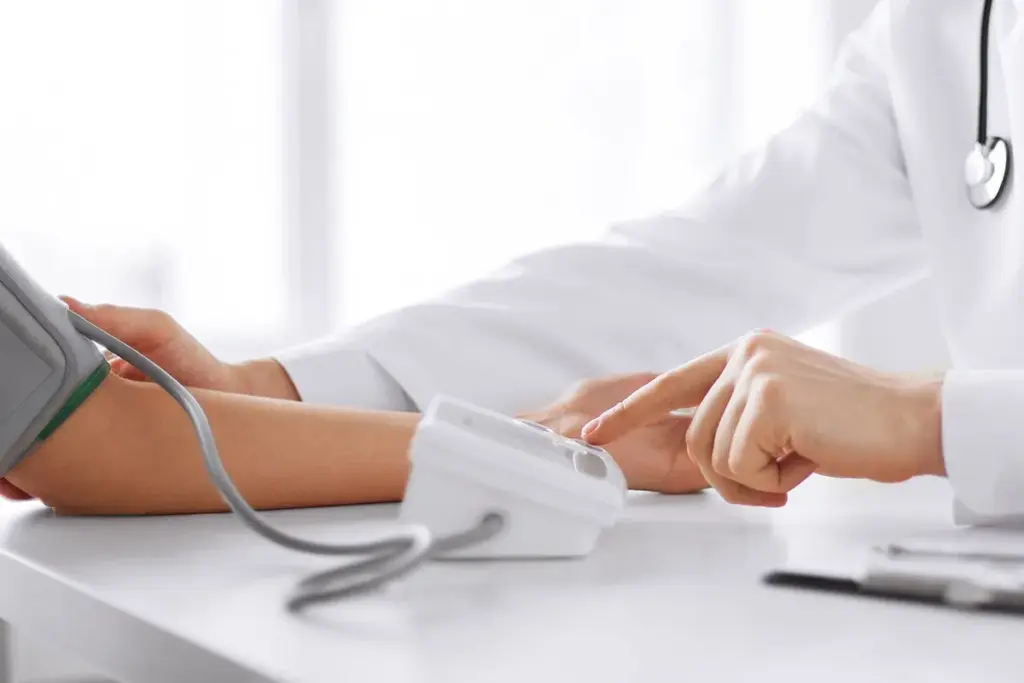
Hypervolemia, or fluid overload, happens when the body can’t manage its fluids well. This leads to too much fluid inside, causing problems if not treated right.
Definition and Pathophysiology
Fluid overload, or hypervolemia, means the body holds too much fluid. This causes swelling, high blood pressure, and stress on important organs. The pathophysiology of hypervolemia is linked to poor sodium handling, seen in heart, kidney, and liver issues.
The body’s fluid balance is very sensitive, controlled by the kidneys, heart, and liver. Damage to these organs can cause fluid to stay in the body, leading to hypervolemia. For example, in congestive heart failure, the heart can’t pump well, causing fluid buildup.
| Condition | Effect on Fluid Balance | Result |
|---|---|---|
| Congestive Heart Failure | Increased fluid retention due to inefficient pumping | Hypervolemia |
| Kidney Failure | Reduced ability to filter and excrete sodium and water | Fluid Overload |
| Liver Failure (Cirrhosis) | Impaired albumin production leading to decreased oncotic pressure | Fluid accumulation in tissues and cavities |
How IV Therapy Can Contribute to Fluid Overload
IV therapy gives fluids, medicines, or nutrients straight into a vein. It’s vital in many medical situations but can cause fluid overload if not managed right. Too much IV fluid, mainly in those with heart or kidney problems, can lead to hypervolemia.
It’s key to manage IV fluids carefully, considering the patient’s health, fluid levels, and losses. Watching and adjusting IV fluid rates based on the patient’s response can stop fluid overload.
Signs of Fluid Overload

It’s important to know the signs of fluid overload to treat it quickly. Fluid overload, or hypervolemia, happens when there’s too much fluid in the body. This can cause serious problems if not treated right away.
Peripheral Edema (Swelling in Extremities)
Swelling in the feet, legs, hands, and face is a common sign. This swelling happens when too much fluid leaks out of blood vessels into tissues. Peripheral edema can be checked by pressing on the swollen area. If it leaves a dent, it’s called pitting edema.
Shortness of Breath (Dyspnea)
Shortness of breath, or dyspnea, is another symptom. Fluid in the lungs makes it hard for them to expand and get oxygen. People might feel like they can’t breathe, even when sitting or doing light activities.
Pulmonary Edema and Crackles
Fluid overload can cause pulmonary edema, where fluid fills lung air sacs. A doctor might hear crackles or rales during auscultation. These sounds mean there’s fluid in the lungs.
Elevated Blood Pressure
Too much fluid can also raise blood pressure. The heart has to work harder to pump more blood. This strain can lead to heart failure if not managed well.
The signs of fluid overload can greatly affect a person’s life and health. Spotting these symptoms early is key for timely treatment.
“The key to managing fluid overload lies in early detection and appropriate treatment. Healthcare providers must be vigilant in monitoring patients at risk and educating them on the signs and symptoms to watch for.”
Fluid Overload in Different Medical Conditions
Fluid overload, or hypervolemia, is a serious condition that can happen with many health issues. It means there’s too much fluid in the body. This can cause edema or pulmonary congestion, and more.
Fluid overload happens when the body can’t manage its fluid balance right. The kidneys usually help keep this balance by controlling sodium and water. But, some health problems can mess with this balance, causing fluid to stay in the body.
Congestive Heart Failure
In congestive heart failure (CHF), the heart can’t pump blood well. This leads to fluid buildup in the body, causing hypervolemia. Symptoms include swelling in the legs and trouble breathing because of fluid in the lungs.
The heart, kidneys, and hormones work together in CHF. When the heart can’t pump, it sets off a chain of events that makes fluid retention worse.
Kidney Failure
Kidney failure makes it hard for the body to handle fluid balance. The kidneys are key in getting rid of sodium and water. When they can’t, fluid builds up, causing fluid overload.
“Fluid overload is a common complication in patients with kidney failure, requiring careful management to prevent further complications.”
To manage fluid overload in kidney failure, treatments like dialysis are used. They help remove extra fluid and keep electrolytes balanced.
Liver Failure
Liver failure, like cirrhosis, can also cause fluid overload. This is due to low albumin levels and high blood pressure in the liver. Fluid buildup can show up as swelling in the belly and legs.
| Medical Condition | Mechanism of Fluid Overload | Common Symptoms |
|---|---|---|
| Congestive Heart Failure | Impaired cardiac output leading to fluid retention | Peripheral edema, shortness of breath |
| Kidney Failure | Reduced ability to excrete sodium and water | Edema, pulmonary congestion |
| Liver Failure | Hypoalbuminemia and portal hypertension | Ascites, peripheral edema |
It’s important to know how fluid overload happens in these conditions. This helps doctors find the best ways to treat it. By fixing the root cause and using the right treatments, doctors can help avoid the bad effects of fluid overload.
Conclusion: Complications and Management of Fluid Overload
Managing fluid overload well is key to avoiding serious problems and better patient results. We talked about the signs of fluid overload, like swelling, trouble breathing, and high blood pressure. These can mean heart, kidney, or liver issues.
Fluid overload from IV therapy is a big worry. Handling it needs a team effort. Doctors might use diuretics to get rid of extra fluid. In bad cases, dialysis might be needed. It’s also important to cut down on sodium and follow doctor’s advice.
We stress the need to spot fluid overload signs early and take the right steps. This way, we can stop serious issues and help patients live better lives. It’s all about preventing fluid overload problems from IV or other sources.
FAQ
What is fluid overload, and how does it occur?
Fluid overload, or hypervolemia, happens when there’s too much fluid in the body. It can be caused by too much IV fluid, heart failure, kidney issues, or liver disease. This leads to an imbalance in fluid balance.
How does IV therapy contribute to fluid overload?
IV therapy can lead to fluid overload if not managed right. Giving too much fluid or not checking the patient’s fluid levels can cause hypervolemia. This is a big problem for those with heart or kidney problems.
What are the common signs and symptoms of fluid overload?
Signs of fluid overload include swelling in the legs, shortness of breath, and fluid in the lungs. It can also cause high blood pressure. In severe cases, it can lead to serious issues like breathing problems and heart failure.
How does fluid overload manifest in congestive heart failure?
Fluid overload in congestive heart failure happens when the heart can’t pump well. This causes fluid to build up in the body. Symptoms include swelling, shortness of breath, and fluid in the lungs.
What is the pathophysiology of hypervolemia?
Hypervolemia’s pathophysiology involves how the body handles sodium and fluid balance. Diseases like heart, kidney, or liver problems can make it hard for the body to manage fluid. This leads to fluid overload.
How can fluid overload be managed and treated?
Treating fluid overload needs a few steps. This includes using diuretics, limiting fluid intake, and fixing the root cause. Changing your diet and keeping an eye on fluid levels are also key to avoiding problems.
What are the complications of fluid overload?
Fluid overload can cause serious issues like breathing trouble and heart failure. It can even be life-threatening. It’s important to quickly spot and treat fluid overload to avoid these dangers.
How can fluid overload be prevented?
To prevent fluid overload, it’s important to manage fluids carefully, like in IV therapy. Keep an eye on fluid levels, adjust amounts based on the patient’s needs, and treat any underlying conditions. This helps avoid fluid overload.
Reference:
https://pmc.ncbi.nlm.nih.gov/articles/PMC8275824