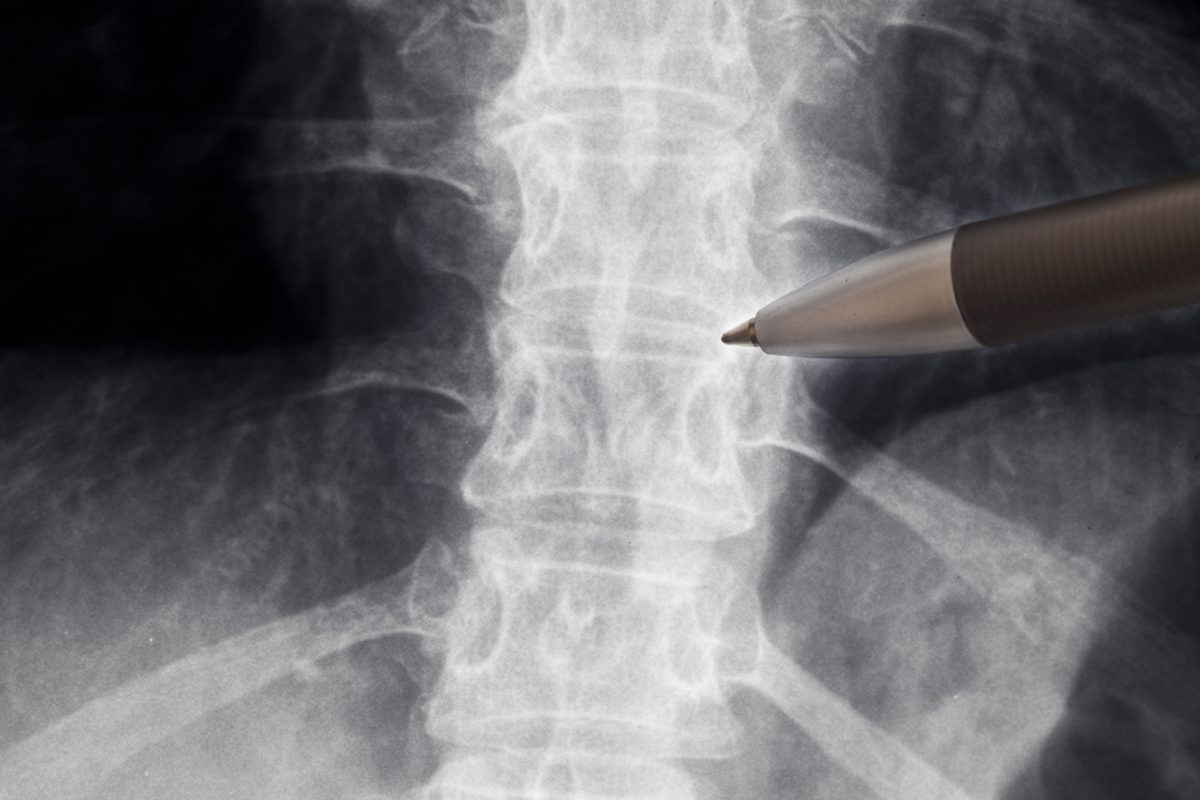
At Liv Hospital, we know how vital accurate diagnosis is for lung cancer. A chest X-ray is often the first step in finding lung cancer. But, how well it works is a topic of debate.Explaining the limitations of a chest x ray chest infection view in definitively ruling out lung cancer or other issues.
Research shows that chest X-rays are key in the early stages of lung cancer detection. Yet, they can miss a big part of lung cancers, mainly in the early stages. Studies found that chest X-rays can spot 76% to 82% of lung cancers that show symptoms. This means about 18-24% of lung cancers might not be caught right away.
We will look into the good and bad sides of chest X-rays in finding lung cancer. We’ll also talk about why using many imaging methods is key for a correct diagnosis.
Key Takeaways
- Lung cancer detection using chest X-rays has limitations, mainly in early-stage cancer.
- The sensitivity of chest X-rays in detecting symptomatic lung cancer ranges from 76% to 82%.
- Comprehensive diagnostic protocols are essential for accurate lung cancer diagnosis.
- Liv Hospital is committed to providing thorough evaluation and treatment options for lung cancer patients.
- Multiple imaging modalities are used to ensure accurate diagnosis and effective treatment planning.
The Basics of Chest X-Rays in Medical Diagnosis

Chest X-rays are a key tool in medicine. They use radiation to show what’s inside the chest. This method is safe and helps find many chest problems, like lung cancer.
How Chest X-Rays Work
Chest X-rays use a small amount of radiation to show the heart, lungs, and more. They work by sending X-ray beams through the chest to a detector or film. Different things absorb X-rays differently: bones show up white because they absorb more, while lungs are darker because they absorb less.
This helps doctors see inside and spot problems.
Key aspects of how chest X-rays work include:
- Use of X-ray beams to create images
- Different absorption rates by various tissues
- Production of two-dimensional images
What They Can and Cannot Show
Chest X-rays are great for finding many issues, like broken bones, infections, and tumors. But, they can’t always find lung cancer early or small tumors. Whether a chest X-ray can show lung cancer depends on the tumor’s size and where it is.
A study in a top medical journal says chest X-rays are good but not perfect for finding lung cancer, mainly for early stages.
This shows we need to know what chest X-rays can and can’t do in medical tests.
|
Condition |
Detectability by Chest X-Ray |
|---|---|
|
Fractures |
High |
|
Lung Infections |
Moderate to High |
|
Lung Cancer (Early Stage) |
Low to Moderate |
In short, chest X-rays are very useful but knowing their limits is key. This helps us understand their role in finding lung cancer and other issues.
Chest X-Ray for Chest Infection and Other Conditions

Chest X-rays are often the first step in diagnosing chest infections and other lung conditions. They provide valuable insights for healthcare professionals. These images help identify various conditions, from pneumonia to other infections, and potentially cancer.
Differentiating Between Infections and Cancer
Differentiating between infections and cancer on a chest X-ray can be challenging. Infections like pneumonia may present with similar radiographic features as tumors. This makes diagnosis complex. We look for specific patterns and characteristics to help distinguish between these conditions.
Infections often cause inflammation that can be seen on an X-ray as areas of increased opacity. Tumors can also appear as masses or nodules. The key to differentiation lies in the appearance, location, and other clinical factors.
Visual Markers Doctors Look For
When examining a chest X-ray, doctors look for various visual markers to diagnose conditions accurately. For infections, common markers include areas of consolidation, which indicate pneumonia or other infectious processes. The presence of pleural effusion, or fluid around the lungs, can also be a sign of infection or other conditions.
In the case of cancer, doctors look for nodules or masses that could indicate tumors. The size, shape, and location of these abnormalities are critical in determining the likelihood of cancer. We also consider the patient’s medical history, symptoms, and other diagnostic test results to make an informed diagnosis.
Understanding these visual markers and their implications is key for accurate diagnosis and effective treatment planning. By combining chest X-ray findings with other diagnostic tools and clinical judgment, we can provide patients with the best possible care.
Effectiveness of Chest X-Rays in Detecting Lung Cancer
It’s important to know how well chest X-rays find lung cancer. This is key for both patients and doctors. Chest X-rays are often used, but how good are they at spotting lung cancer?
Sensitivity Rates
Studies show chest X-rays catch 76% to 82% of lung cancer cases. This means 76 to 82 out of 100 people with lung cancer are found through X-rays. But, some cases might not be caught.
Many things affect how well X-rays work. These include the cancer’s stage and the doctor’s skill. Even though X-rays find many cancers, they’re not perfect.
Specificity Rates
Chest X-rays are very good at saying who doesn’t have lung cancer, with a 95% specificity rate. This means they usually correctly tell patients they don’t have lung cancer. But, it’s possible for some false positives to happen.
A high specificity rate is good news for those with negative results. It means their results are likely right. But, more tests are often needed to be sure.
What These Statistics Mean for Patients
Patients need to know about chest X-ray sensitivity and specificity. This helps them understand their care better. Chest X-rays are useful, but they’re part of a bigger plan that includes more tests and checks.
|
Diagnostic Metric |
Rate |
Implication |
|---|---|---|
|
Sensitivity |
76-82% |
Proportion of lung cancers detected |
|
Specificity |
Around 95% |
Reliability in ruling out lung cancer |
Chest X-rays are important in finding lung cancer, but they have limits. More tests and doctor’s judgment are needed for a correct diagnosis and treatment plan.
Limitations of Chest X-Rays for Cancer Detection
Chest X-rays are good for starting to look for lung cancer. But, they can miss some cancers. This is because of their limits.
Why 18-24% of Lung Cancers May Be Missed
About 18-24% of lung cancers might not show up on the first chest X-ray. This is because of the tumor’s size and where it is. Small tumors or hard-to-see ones can be missed.
Tumor Characteristics: Tumors that are small or hard to see can be missed. How dense the tumor is also matters.
Factors Affecting Detection Accuracy
Many things can make it harder to find lung cancer on chest X-rays. These include:
- Patient Factors: Things like how big the patient is and if they have other lung problems can make it tough to read X-rays.
- Technological Factors: The quality of the X-ray image can also affect how well it shows cancer. This depends on the technology and how the X-ray was taken.
- Interpreter Factors: The skill and experience of the doctor looking at the X-ray also matters. More skilled doctors might find more cancers.
When X-Rays Might Not Be Enough
If chest X-rays don’t show anything clear or if there’s a strong suspicion of cancer, more tests are needed. These might include low-dose CT scans, PET scans, or biopsies to confirm cancer.
|
Diagnostic Method |
Sensitivity |
Specificity |
|---|---|---|
|
Chest X-Ray |
76-82% |
Around 95% |
|
Low-Dose CT Scan |
88.9% |
Varies |
As the table shows, chest X-rays are okay for finding lung cancer. But, there are limits. Low-dose CT scans are better, which is why they’re used more in high-risk groups or when more tests are needed.
First Stage Lung Cancer X-Ray Findings
Finding lung cancer early is key to treating it well. But, it’s hard to spot on chest X-rays. We’ll look at the early signs, why it’s tough to find them, and share examples and stats.
Early Signs That May Appear
Early lung cancer might show up as small spots or lumps on X-rays. Seeing these doesn’t mean it’s cancer for sure. But, they do need a closer look.
Why Early-Stage Cancer Is Difficult to Detect
It’s hard to find early lung cancer because tumors are small and hidden in lung tissue. They can be hard to see because of other structures in the way.
Case Examples and Statistics
Many early lung cancers are missed on first X-rays. For example, studies say 18-24% of lung cancers aren’t caught by X-rays alone.
|
Detection Method |
Sensitivity Rate |
Specificity Rate |
|---|---|---|
|
Chest X-Ray |
76-82% |
Around 95% |
|
Low-Dose CT Scan |
88.9% |
Varies |
Abnormal Chest X-Ray Results: What They Mean
An abnormal chest X-ray result doesn’t mean you have lung cancer. But, it does mean you need more tests to find out why it’s abnormal. Chest X-rays can show many things, and knowing what they mean is important for patients.
Common Abnormalities Associated with Lung Cancer
Lung cancer can show up on a chest X-ray in different ways. Some common signs include:
- Nodules or masses in the lung
- Enlarged lymph nodes
- Pleural effusion (fluid around the lungs)
- Atelectasis (lung collapse)
These signs don’t always mean lung cancer. They can also be caused by other health issues. But, if they show up, more tests are usually needed.
Understanding Positive Results
A positive chest X-ray result doesn’t mean you definitely have lung cancer. It just means there’s something abnormal that needs to be checked out. Usually, doctors will use more detailed tests like CT scans or PET scans to get a better look.
|
Abnormality |
Possible Causes |
Next Steps |
|---|---|---|
|
Lung Nodule |
Lung cancer, benign tumors, infections |
CT scan, biopsy |
|
Pleural Effusion |
Lung cancer, heart failure, infections |
Thoracentesis (fluid drainage), further imaging |
What a Negative Result Really Means
A negative chest X-ray result is good news. But, it’s not a complete guarantee you don’t have lung cancer. Sometimes, lung cancer might not show up on an X-ray, even if it’s there. This can depend on the tumor’s size and where it is.
It’s important to know what chest X-rays can and can’t do. If you keep feeling sick or have risk factors, you might need more tests, even if your X-ray looks okay.
Alternative Imaging Methods for Lung Cancer Detection
Healthcare experts are exploring new ways to find lung cancer early and accurately. Chest X-rays have been used for a long time. But, they have limits that have led to the creation of better imaging methods.
Low-Dose CT Scans
Low-dose CT scans are now a top choice for finding lung cancer. They are much better than chest X-rays, with a 88.9% detection rate. This high rate is key for catching cancer early, when it’s easier to treat.
These scans are best for people who smoke a lot. They use less radiation than regular CT scans, making them safer for screenings.
PET Scans and Other Advanced Imaging
PET scans are another advanced tool for lung cancer detection. They show how active tumors are, helping doctors tell if a growth is cancerous.
Other new methods like MRI and advanced ultrasound are also being looked at. They might not be used as much for lung cancer screening yet. But, they can give important information in some cases.
Comparing Effectiveness with Chest X-Rays
Studies show that low-dose CT scans are better than chest X-rays for lung cancer screening. Here’s a quick comparison:
|
Imaging Method |
Sensitivity for Lung Cancer Detection |
Recommended Use |
|---|---|---|
|
Chest X-Ray |
76-82% |
General screening, initial assessment |
|
Low-Dose CT Scan |
88.9% |
High-risk populations, lung cancer screening |
|
PET Scan |
Highly sensitive for metabolically active tumors |
Assessing tumor activity, staging |
The move to new imaging methods is a big step forward in fighting lung cancer. Knowing how each method works helps doctors give better care to patients. This is true for those at risk or already diagnosed with lung cancer.
Who Should Get Screened and When
It’s important to know who should get lung cancer screening early. This helps catch cancer before it’s too late. We suggest screening for people with certain risk factors.
Risk Factors for Lung Cancer
There are a few key risk factors for lung cancer. These include:
- A history of smoking or current smoking status
- Age, over 55 years old
- Family history of lung cancer
- Exposure to harmful substances like asbestos or radon
If you have these risk factors, talk to your doctor about screening.
Recommended Screening Guidelines
The guidelines for lung cancer screening aim to find those at highest risk. The U.S. Preventive Services Task Force suggests annual screening for:
|
Age Range |
Smoking History |
Screening Recommendation |
|---|---|---|
|
55-74 years |
30+ pack-years, currently smoking or quit within 15 years |
Annual low-dose CT scan |
|
50-74 years |
20+ pack-years, currently smoking or quit within 15 years |
Annual low-dose CT scan, consider individual risk factors |
These guidelines help doctors find the best candidates for screening.
The Two-Week Urgent Referral Pathway
For those showing symptoms of lung cancer, a two-week urgent referral is key. This ensures a specialist sees the patient quickly.
The two-week wait is for symptoms like a persistent cough or weight loss. It’s meant to speed up diagnosis and treatment for lung cancer suspects.
Beyond Imaging: Comprehensive Lung Cancer Diagnosis
Lung cancer diagnosis goes beyond just imaging. It involves a series of tests to confirm the disease’s presence and extent. Chest X-rays and other imaging modalities give initial insights. But, a thorough evaluation is key for accurate diagnosis and effective treatment planning.
Additional Diagnostic Tests
After an X-ray or other imaging tests, more diagnostic procedures are needed. These include:
- Computed Tomography (CT) scans: They provide detailed images of the lungs and surrounding tissues.
- Positron Emission Tomography (PET) scans: They help identify cancerous tissues based on their metabolic activity.
- Magnetic Resonance Imaging (MRI): Useful in certain cases to assess the extent of cancer spread.
- Pulmonary function tests: They evaluate lung function before surgery or other treatments.
The Role of Biopsies
A biopsy is a critical diagnostic tool. It involves taking a sample of lung tissue for examination. There are several types of biopsies, including:
|
Biopsy Type |
Description |
Usefulness in Lung Cancer Diagnosis |
|---|---|---|
|
Needle Biopsy |
Using a needle to extract tissue or fluid |
Highly effective for diagnosing lung cancer |
|
Bronchoscopic Biopsy |
Taking samples through a bronchoscope |
Useful for diagnosing tumors in the airways |
|
Surgical Biopsy |
Removing tissue surgically |
Often used when other methods are inconclusive |
Risk Reduction After Negative X-Ray
A negative chest X-ray result can provide temporary reassurance. But, it’s important to understand it doesn’t entirely rule out lung cancer, even in high-risk individuals. Risk reduction strategies include:
- Smoking cessation: Quitting smoking significantly reduces the risk of developing lung cancer.
- Avoiding carcinogens: Minimizing exposure to known lung carcinogens, such as asbestos and radon.
- Regular screening: For those at high risk, regular screening with low-dose CT scans can help detect lung cancer early.
Understanding the approach to lung cancer diagnosis helps patients navigate their journey. It allows them to make informed decisions about their care.
Conclusion: Understanding the Role of Chest X-Rays in Lung Cancer Detection
Chest X-rays are key in the first steps to find lung cancer. But, they have big limits in spotting cancer early. We’ve looked into how well chest X-rays work and their limits in finding lung cancer.
Even though chest X-rays are a basic tool, they might miss early lung cancer. The size and where the tumor is can change how well they work. So, knowing the good and bad of chest X-rays in lung cancer tests is important.
In short, chest X-rays are part of a bigger plan to check for lung cancer. Knowing their strengths and weaknesses helps both patients and doctors make better choices. By using chest X-rays with other tests, we can find cancer sooner and help patients better.
FAQ
Can a chest X-ray diagnose lung cancer?
A chest X-ray can sometimes spot lung cancer. But it’s not always reliable, mainly in the early stages. We use chest X-rays first, but more tests are needed to confirm a diagnosis.
Does lung cancer show up on an X-ray?
Lung cancer might show on an X-ray, but it’s not always clear. This is true, even in the early stages or if it’s in a hard-to-see spot. Chest X-rays can detect lung cancer 76% to 82% of the time.
How do you test for lung cancer?
We test for lung cancer with imaging tests like chest X-rays and low-dose CT scans. PET scans and biopsies are also used. The test choice depends on your risk and symptoms.
Can a chest X-ray find lung cancer?
A chest X-ray can sometimes find lung cancer. But it’s not always right. We might need more tests to be sure, if the X-ray is unclear or symptoms don’t go away.
What are the limitations of chest X-rays in detecting lung cancer?
Chest X-rays have limits in finding lung cancer, mainly in the early stages. The size, location of the tumor, and patient factors can affect how well it’s detected. Some lung cancers might not be found.
Are there alternative imaging methods for lung cancer detection?
Yes, there are other imaging methods like low-dose CT scans and PET scans. These tests are more sensitive and specific than chest X-rays. They might be used for certain people or in specific situations.
Who should be screened for lung cancer?
People with risk factors like smoking or exposure to harmful substances should be screened. We follow guidelines to find out who needs regular screening.
Can a blood test detect lung cancer?
There’s no blood test yet that can reliably find lung cancer. Researchers are looking for biomarkers, but imaging tests and biopsies are the main ways to diagnose it.
What does an abnormal chest X-ray result mean?
An abnormal chest X-ray can mean many things, including lung cancer. We look at symptoms and medical history to understand it. More tests are usually needed to find the cause.
What is the two-week urgent referral pathway for suspected lung cancer cases?
The two-week urgent referral pathway is a rule for fast referrals to specialists for lung cancer. It helps ensure quick evaluation and treatment for those with possible lung cancer.
References
National Center for Biotechnology Information. Evidence-Based Medical Guidance. Retrieved from https://pmc.ncbi.nlm.nih.gov/articles/PMC11519296/