
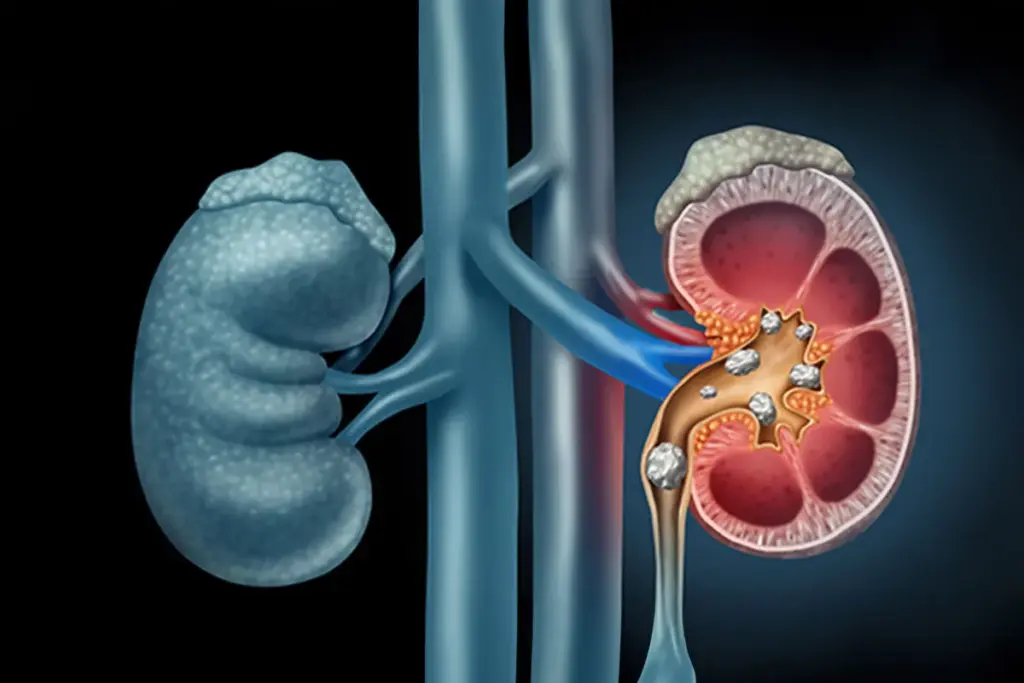
Stage 4 chronic kidney disease (CKD) is a serious condition. It has severekidney damage, where kidneys work at only 15-29 percent. Waste and fluid build up in the body, causing symptoms.
People with stage 4 CKD may feel fatigue, swelling in the feet and ankles, nausea, and changes in urination patterns. These symptoms can really affect daily life. Knowing the signs is key to managing the disease well and planning for the future. For more info on stage 4 CKD, visit Kidney Fund’s resource on stage 4 chronic kidney.
Key Takeaways
- Stage 4 CKD is characterized by severe kidney damage and reduced kidney function.
- Common symptoms include fatigue, swelling, nausea, and changes in urination.
- Understanding these symptoms is key for effective management.
- Early detection and treatment can slow disease progression.
- Proper care and support are vital for stage 4 CKD patients.
Understanding Stage 4 Chronic Kidney Disease
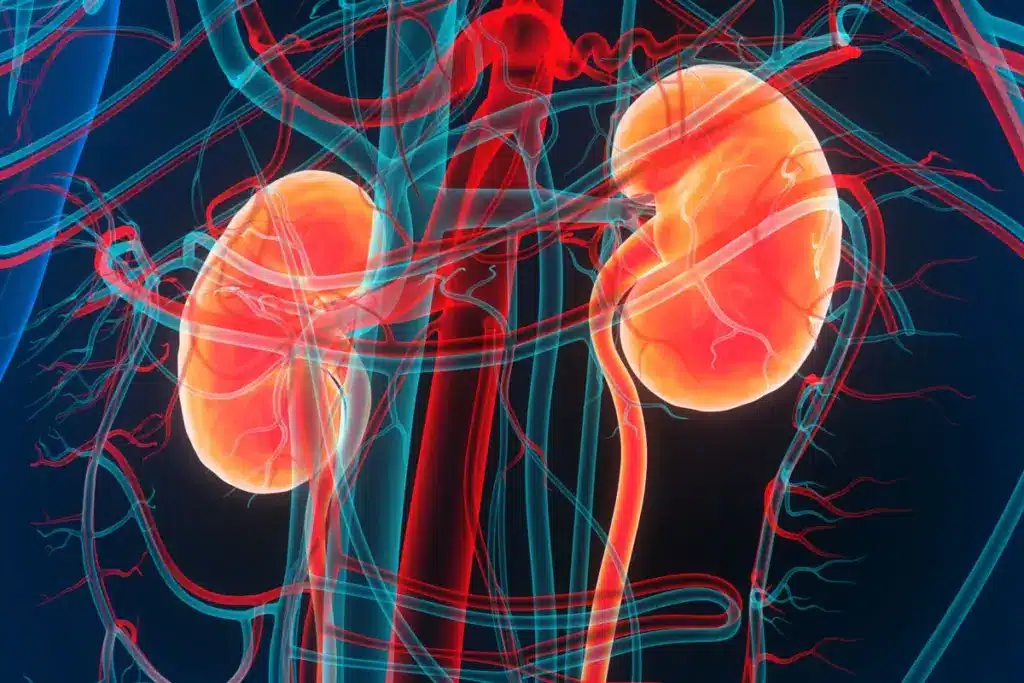
At Stage 4, CKD patients face severe kidney damage, needing immediate medical attention. Stage 4 Chronic Kidney Disease (CKD) is a critical phase. The kidneys are severely damaged and function at only 15-29% of their normal capacity.
We will explore the specifics of Stage 4 CKD, including its definition and the decline in kidney function. The estimated Glomerular Filtration Rate (eGFR) test is a key diagnostic tool. It measures kidney function. In Stage 4 CKD, the eGFR falls between 15-29 ml/min, showing a significant loss of kidney function.
What Defines Stage 4 CKD
Stage 4 CKD is defined by severe kidney function impairment. The kidneys’ ability to filter waste, balance electrolytes, and perform other vital functions is significantly compromised. According to the National Kidney Foundation, Stage 4 CKD is characterized by an eGFR between 15-29 ml/min, signaling advanced kidney damage.
The key characteristics of Stage 4 CKD include:
- Severely reduced kidney function
- eGFR between 15-29 ml/min
- Increased risk of complications such as cardiovascular disease and anemia
As kidney function declines, patients may experience a range of symptoms. These include fatigue, swelling, and changes in urination. Managing these symptoms and slowing disease progression become critical focuses of treatment.
How Kidney Function Declines at This Stage
Kidney function decline in Stage 4 CKD is marked by a significant reduction in the kidneys’ ability to filter waste and excess fluids. This decline can lead to the accumulation of toxins in the body, causing various complications.
| Kidney Function | Normal | Stage 4 CKD |
|---|---|---|
| eGFR (ml/min) | 90+ | 15-29 |
| Waste Filtration | Effective | Significantly Impaired |
| Toxin Accumulation | Minimal | Significant |
As the kidneys lose their filtering capability, patients may require interventions such as dialysis or kidney transplantation to survive. It’s essential for patients to work closely with their healthcare providers to manage their condition and prepare for possible next steps.
“The progression to Stage 4 CKD signifies a critical point where patients must be proactive in managing their condition to prevent further decline.” – Dr. [Last Name], Nephrologist
Understanding the implications of Stage 4 CKD empowers patients to take an active role in their care. By working with healthcare professionals, patients can navigate the challenges of advanced kidney disease and make informed decisions about their treatment.
Stage 4 Renal Failure Symptoms
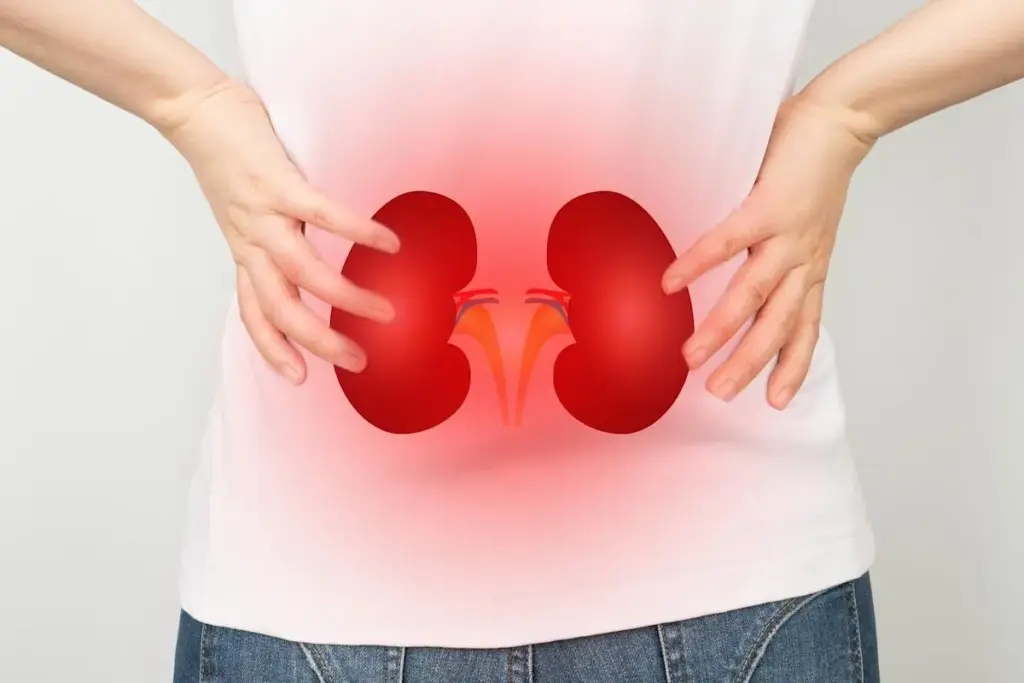
Patients with Stage 4 CKD face many physical, digestive, and neurological symptoms. These symptoms greatly affect their daily life. It’s key to recognize them for better management and outcomes.
Physical Manifestations
Physical symptoms of Stage 4 renal failure can be very hard to deal with. Common signs include:
- Severe fatigue: Feeling extremely tired all the time.
- Swelling: Fluid buildup in the legs, ankles, and feet.
- Muscle cramps: Painful muscle spasms from electrolyte imbalances.
- Itchy skin: Skin itching from waste buildup in the blood.
- Shortness of breath: Feeling out of breath from lung fluid buildup.
Digestive and Neurological Symptoms
Patients with Stage 4 CKD also face digestive and neurological problems. These include:
- Digestive symptoms: Persistent nausea, vomiting, loss of appetite, and bowel changes.
- Neurological symptoms: Trouble sleeping, focusing, and in severe cases, seizures or coma.
These symptoms highlight the need for full care for Stage 4 CKD patients. Addressing these issues can greatly improve their quality of life and outcomes.
Serious Complications of Stage 4 Kidney Disease
Stage 4 kidney disease is a serious condition. It affects a person’s quality of life greatly. The kidneys can’t handle fluids, electrolytes, and waste well, leading to many health problems.
Cardiovascular Complications
Cardiovascular issues are a big risk in Stage 4 CKD. These include high blood pressure, heart failure, and a higher chance of heart attacks and strokes. CKD and heart disease are linked, caused by fluid overload, electrolyte imbalances, and inflammation.
Key cardiovascular risks include:
- Hypertension
- Heart failure
- Increased risk of myocardial infarction and stroke
Anemia and Blood Disorders
Anemia is common in Stage 4 CKD. It’s because the kidneys can’t make enough erythropoietin, a hormone for red blood cells. This causes fatigue, weakness, and shortness of breath. Other blood issues, like bleeding and abnormal counts, can also happen.
| Condition | Description | Impact on Patient |
|---|---|---|
| Anemia | Reduced red blood cell production due to decreased erythropoietin | Fatigue, weakness, shortness of breath |
| Bleeding Tendencies | Impaired platelet function | Increased risk of bleeding |
Mineral and Bone Disorders
Mineral and bone disorders are also a problem in Stage 4 CKD. The kidneys can’t keep calcium and phosphate levels right. This causes bone diseases like osteitis fibrosa cystica and adynamic bone disease.
Cognitive Function Decline
Stage 4 CKD can also lead to cognitive decline. This includes problems with memory, attention, and thinking. The reasons are not fully known but may include vascular disease, inflammation, and toxins.
Managing Stage 4 CKD complications needs a team effort. It includes working with healthcare, making lifestyle changes, and following treatment plans. Understanding these issues and taking action can help reduce risks in this advanced kidney disease stage.
Conclusion
Knowing the signs and symptoms of stage 4 kidney disease is key. It helps manage stage iv ckd effectively. As kidney function gets worse, symptoms can really affect a person’s life.
Spotting the symptoms of stage 4 ckd is important. It lets people work with their healthcare team to slow the disease. Making lifestyle changes and taking medicine can help manage symptoms and keep health good.
People with stage 4 ckd might wonder how they feel. The experience can vary, but common symptoms are fatigue, swelling, and changes in how they urinate. Understanding these signs helps individuals take action to manage their condition.
Managing stage 4 ckd well needs a team effort. Working with a healthcare team to create a treatment plan is essential. This way, people can keep their quality of life high and slow the disease’s progress.
FAQ
What are the signs and symptoms of Stage 4 kidney disease?
Stage 4 kidney disease can cause swelling and muscle cramps. You might also feel nauseous or lose your appetite. Some people get confused or have trouble focusing.
How is Stage 4 CKD diagnosed?
Doctors use the eGFR test to find Stage 4 CKD. This test shows how well your kidneys work. A score of 15-29 ml/min/1.73m means your kidneys are badly damaged.
What are the complications of Stage 4 kidney disease?
Stage 4 kidney disease can cause serious problems. These include heart issues, anemia, and bone disorders. It can also lead to cognitive decline.
How can I manage Stage 4 CKD?
Managing Stage 4 CKD means working with your healthcare team. They help slow the disease, reduce complications, and improve your quality of life.
What are the symptoms of Stage 4 kidney failure?
Symptoms of Stage 4 kidney failure include fatigue and swelling. You might also have muscle cramps, nausea, and changes in how you urinate.
Can Stage 4 CKD be reversed?
Stage 4 CKD can’t be reversed. But, with the right treatment and management, you can slow its progression.
How does Stage 4 CKD affect the body?
Stage 4 CKD impacts many parts of your body. It can cause physical, digestive, and neurological symptoms.
What is the difference between Stage 4 CKD and kidney failure?
Stage 4 CKD is a stage of chronic kidney disease with severely damaged kidneys. Kidney failure, or end-stage renal disease (ESRD), is when your kidneys can’t function anymore.
References:
https://www.kidney.org/kidney-topics/stage-4-chronic-kidney-disease-ckd