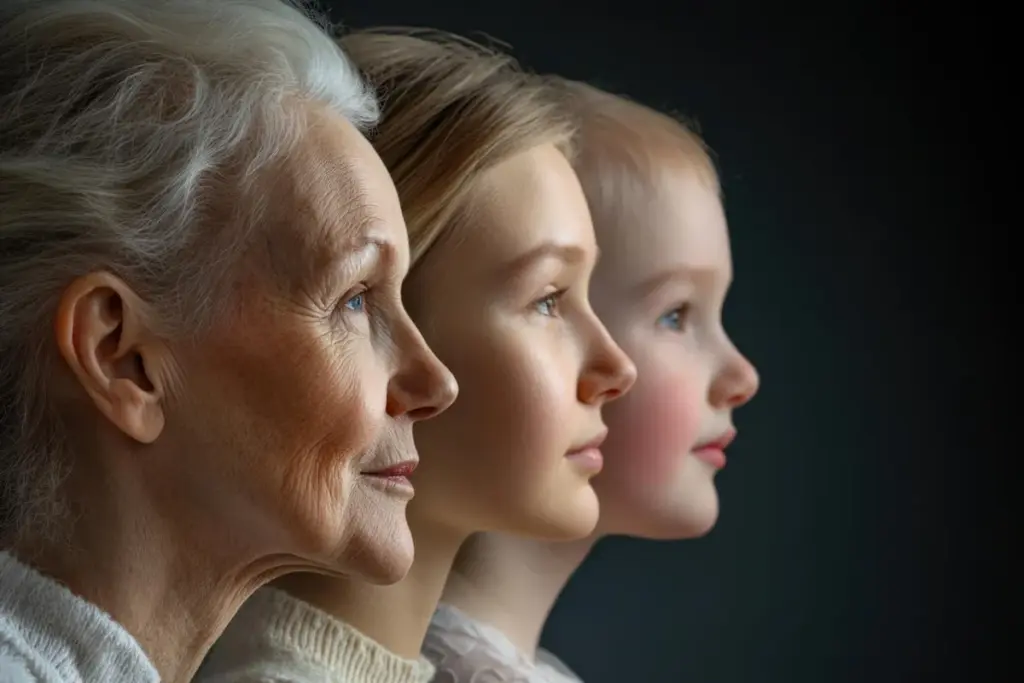
At what age does your body age the most? Explore the stamford nature center insights on the peak years of biological aging and health.
As we dive into human aging, a big question pops up: when does our body change the most? New studies have given us answers, showing our biological age and chronological age don’t always match.
Research points out that our body ages fast around midlife, between 44 and 50. During midlife, significant changes occur in our bodily systems, impacting our overall health. These changes affect our health and increase the risk of age-related diseases. Another big jump in aging happens around age 60.
Knowing these key times is vital for better health care. By understanding the gap between our biological and chronological age, we can improve our health as we get older.
Key Takeaways
- Biological aging accelerates significantly around ages 44-50.
- A second marked increase in biological aging occurs around age 60.
- The disparity between biological and chronological age is key for healthcare.
- Understanding aging patterns helps in preventive care.
- Good care strategies can improve our life quality as we age.
The Science Behind Biological vs. Chronological Aging
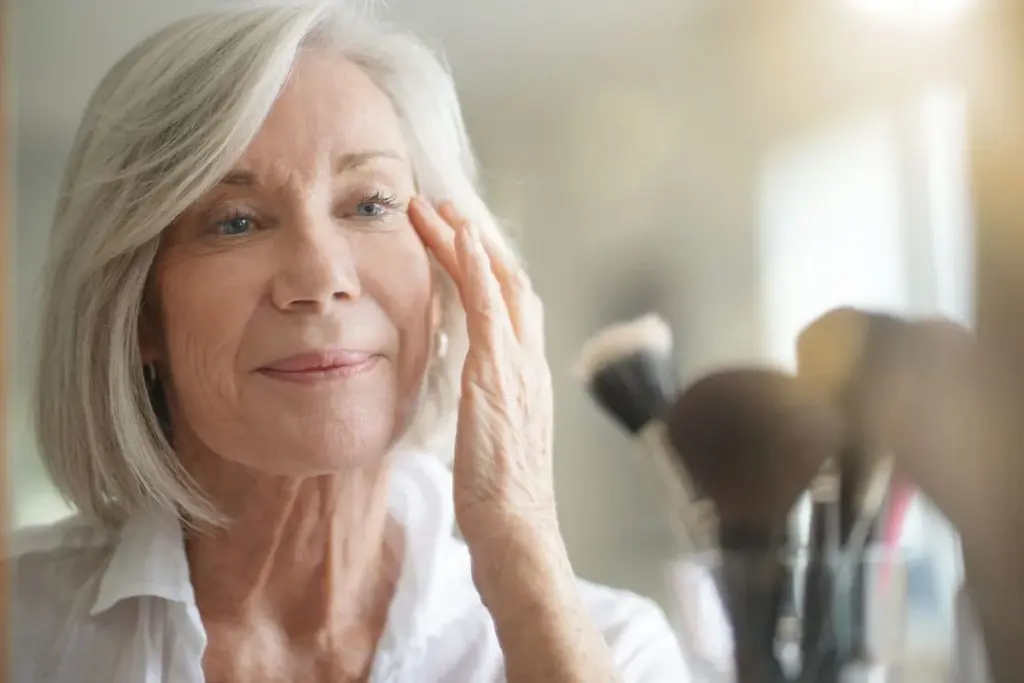
It’s important to know the difference between biological and chronological aging. Chronological age is how many years we’ve lived. Biological age shows the changes in our body as we age.
Defining Biological Age vs. Chronological Age
Chronological age is just the years we’ve been alive. Biological age is more complex. It shows how well our body is working compared to our actual age.
For example, two people can be the same age but have different biological ages. One might be older due to lifestyle or health issues. The other might be younger because of better health habits. This difference is key to understanding aging.
How Scientists Measure Biological Aging
Scientists use biomarkers to measure biological aging. They look at telomere length and epigenetic changes. Telomeres are like protective caps on chromosomes. Their length shows how old our cells are. Epigenetic changes affect how genes work without changing the DNA.
|
Biomarker |
Description |
Implication for Aging |
|---|---|---|
|
Telomere Length |
Measures the length of telomeres, the protective caps on chromosome ends |
Shorter telomeres are associated with older biological age |
|
Epigenetic Changes |
Refers to chemical modifications to DNA or histone proteins |
Can influence gene expression and contribute to aging |
As
“The measurement of biological age is a rapidly evolving field, with new biomarkers and techniques being developed to assess an individual’s physiological state more accurately.”
Knowing the difference between biological and chronological aging helps us understand aging better. It also guides us on how to age healthily and prevent age-related diseases.
Key Research Findings on Aging Acceleration Points
Recent studies have found specific times when aging speeds up a lot. This is key for keeping healthy and preventing diseases. It lets us focus on important ages for better care.
Large-Scale Molecular Studies on Aging
Big studies on aging have been very helpful. They looked at thousands of people’s biological samples at different ages. This helped find critical inflection points where aging gets faster.
These studies used advanced methods like epigenetic analysis and metabolomics. They showed aging isn’t just one thing. It has distinct acceleration phases.
Critical Inflection Points at Ages 44-50
A big discovery was made about ages 44 to 50. During this time, big changes happen that make aging speed up.
|
Age Range |
Molecular Changes |
Observable Effects |
|---|---|---|
|
44-50 |
Epigenetic shifts, protein expression changes |
Increased risk of chronic diseases, decline in physical performance |
|
60+ |
Accelerated telomere shortening, mitochondrial dysfunction |
Noticeable decline in physical and cognitive functions |
A leading researcher said,
“The discovery of these critical inflection points in aging opens up new avenues for targeted interventions. By understanding the molecular changes that occur during these periods, we can develop strategies to mitigate the acceleration of aging.”
These findings show how important preventive care and lifestyle modifications are. By acting early, people can slow aging and lower disease risks.
The First Major Aging Shift: Ages 44-50
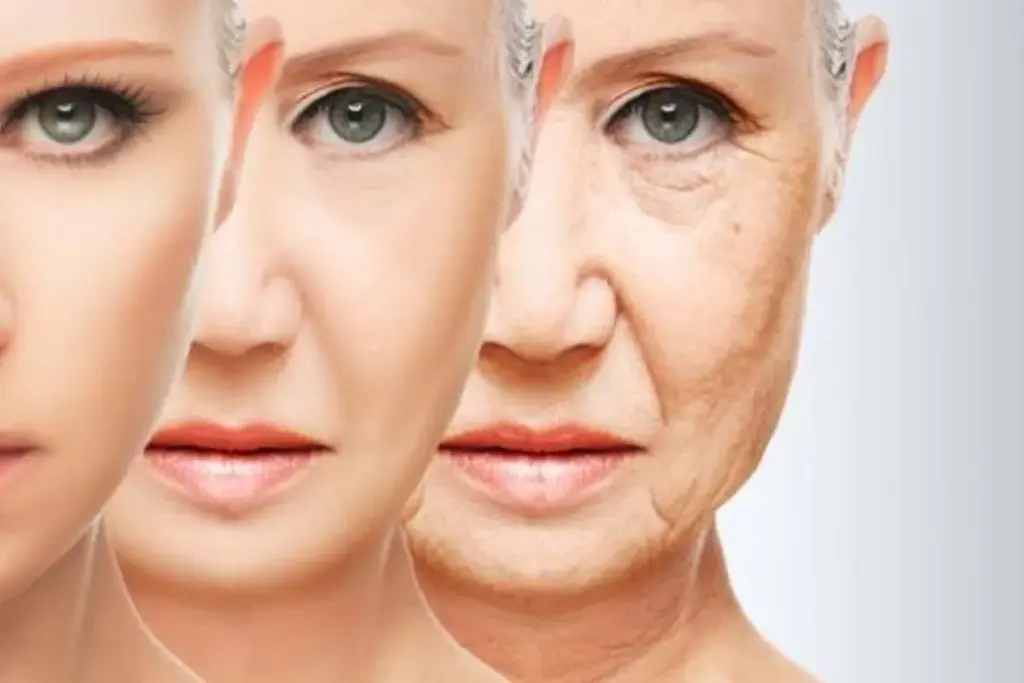
When we hit 44-50, we see the first big aging shift. It affects many parts of our body. This time brings big molecular changes that we can see.
Molecular Changes During Mid-40s
In our mid-40s, our body goes through big molecular changes. These include:
- Metabolic Alterations: Our body’s way of processing nutrients and energy changes.
- Reduced Muscle Mass: We start losing muscle mass faster.
- Increased Fat Accumulation: Fat builds up, mainly around the belly, raising health risks.
These changes are not just inside us. They also show up in how we look.
Observable Physical Changes During This Period
As we age, we notice more physical signs. Some key changes are:
- Changes in Body Composition: We gain weight, mostly around the belly.
- Skin Changes: Less collagen means wrinkles and less flexible skin.
- Decreased Physical Performance: Less muscle and strength affect how well we move.
Knowing about these changes helps us act early. By understanding what happens in our mid-40s, we can make better choices. This way, we can stay healthy and feel good.
The Second Major Aging Shift: Age 60
Turning 60 marks a big change in aging, with faster molecular changes. The body’s functions change a lot, affecting health and happiness.
Accelerated Molecular Changes at 60
Studies show that at 60, molecular changes speed up, leading to aging. These changes include gene expression shifts, more oxidative stress, and less cell repair.
The aging process speeds up at 60, with big changes at the molecular level. This affects many body systems.
|
Molecular Change |
Description |
Impact on Health |
|---|---|---|
|
Gene Expression Alterations |
Changes in how genes are turned on or off |
Affects cellular function and repair |
|
Increased Oxidative Stress |
Higher levels of free radicals damaging cells |
Contributes to cellular aging and dysfunction |
|
Decline in Cellular Repair |
Reduced ability of cells to repair DNA damage |
Increases risk of chronic diseases |
How These Changes Manifest Physically
The molecular changes at 60 show up physically. We see less bone density, reduced mobility, and a higher risk of diseases like heart disease and diabetes.
As we age, our bodies change in many ways. These changes can affect our life quality. It’s important to understand these changes to improve our health.
A study on aging at three stages (34, 60, 78) shows big physical changes at 60. These changes deeply affect our health. Knowing about these changes helps in creating better health plans.
“Aging is not just a biological process, but also a complex interplay of molecular, physiological, and environmental factors.”
—Aging Researcher
By understanding aging, we can take steps to stay healthy as we get older. Healthy choices like a good diet and exercise can slow down aging.
Cardiovascular System: First to Show Aging Signs
As we get older, our heart and blood vessels change a lot. This system is vital for bringing oxygen and nutrients to our body. When it starts to decline, it can affect our health in many ways.
Aorta and Blood Vessel Changes
The aorta and blood vessels are key parts of our heart system. With age, they can get stiffer and less flexible. This is called vascular stiffness.
This stiffness can make blood pressure go up and the heart work harder. The heart has to push blood through stiffer vessels.
Some changes in the aorta and blood vessels include:
- Elastin fragmentation: The breakdown of elastin, a protein that gives blood vessels their elasticity.
- Collagen accumulation: The buildup of collagen, which can make vessels stiffer.
- Endothelial dysfunction: The endothelium, a layer of cells lining blood vessels, becomes less functional with age.
Coronary Artery Disease Prevalence Increases
Another big change with age is the rise in coronary artery disease (CAD). CAD is when the coronary arteries narrow or block due to plaque buildup. This can cause heart attacks and other heart problems.
Factors like high blood pressure, high cholesterol, and smoking increase with age. These make older adults more likely to get CAD. It’s important for them to manage these risks through lifestyle changes and medical help if needed.
Here are some ways to keep your heart healthy:
- Eat a healthy diet full of fruits, vegetables, and whole grains.
- Stay active to keep your heart fit.
- Don’t smoke and avoid secondhand smoke.
- Keep an eye on your blood pressure and cholesterol levels.
Other Body Systems Affected by Aging Acceleration
Aging affects more than just the heart. It changes many parts of our body, impacting our life quality. As we get older, our body systems go through changes that can affect our health.
Musculoskeletal System Changes
Our muscles and bones change with age. We lose muscle mass, which makes us weaker and less mobile. Our bones also get weaker, raising the chance of osteoporosis and breaks. Regular exercise, like weight training, can slow down these changes.
Neurological System Impacts
Aging can harm our brain, leading to memory loss and a higher risk of diseases like Alzheimer’s and Parkinson’s. We might find it harder to remember things or think quickly. Doing brain-stimulating activities and staying connected with others can help keep our brain healthy.
Endocrine System Shifts
The hormones in our body change with age. These changes can affect how we feel and our metabolism. For example, a drop in thyroid hormone can cause hypothyroidism, and changes in insulin can raise the risk of diabetes. It’s important to keep an eye on hormone levels and manage them to stay healthy.
Knowing how aging affects different parts of our body helps us age better. By focusing on each system’s needs, we can keep our health and well-being as we get older.
Cellular Mechanisms Behind Aging Acceleration
The aging process is closely tied to changes in our cells. When these changes happen, aging can speed up. Several key changes in cells are at the heart of this process.
Telomere Shortening and Cellular Senescence
Telomeres are protective caps at chromosome ends. They keep our genes safe. As we age, telomeres get shorter with each cell division. This can lead to cells stopping their growth or dying.
Telomere shortening is seen as a sign of aging. It’s linked to aging and age-related diseases. Cells that stop growing but don’t die are called senescent. These cells can build up and cause inflammation and tissue problems.
Studies show that getting rid of these cells can slow down age-related diseases in animals.
Mitochondrial Function Decline
Mitochondria are the energy makers in our cells. They produce ATP, the energy our bodies need. As we age, mitochondria work less well. This means less energy and more oxidative stress.
This decline is linked to aging and age-related diseases. It’s a big part of why we age.
|
Cellular Component |
Change with Age |
Impact on Aging |
|---|---|---|
|
Telomeres |
Shortening |
Leads to cellular senescence |
|
Mitochondria |
Functional decline |
Increased oxidative stress, reduced energy |
|
Cells |
Senescence |
Tissue dysfunction, inflammation |
Understanding these changes helps us see why aging speeds up at times. This includes the 40s and age 60. By looking at these mechanisms, we can see how genetics, lifestyle, and environment affect aging.
Genetic Factors Influencing Aging Rates
Aging is complex, and genetics play a big role in how fast we age. Our bodies change as we get older, and these changes are influenced by our genes. Knowing about these genetic factors can help us understand why some people age faster.
Genetics can affect aging in many ways. One important aspect is the hereditary component. This refers to traits we get from our parents that can influence our aging process.
Hereditary Components of Aging
Our genes can make us more likely to get certain age-related diseases. For example, some people might be more prone to Alzheimer’s or heart disease because of their genes. Studies show that genetics can greatly affect how fast we age.
“Genetic factors are estimated to account for 20-30% of an individual’s lifespan, highlighting the significant role they play in aging.”
Learning about the hereditary parts of aging can help us find ways to slow it down.
Epigenetic Modifications Throughout Life
Epigenetic changes are like switches that turn genes on or off without changing the DNA itself. These changes can be caused by many things, like our lifestyle and environment.
These changes can affect how our cells work and our overall health. As we age, these changes can add up, helping to speed up the aging process.
Key epigenetic modifications include:
- DNA methylation
- Histone modification
- Non-coding RNA-associated gene silencing
These changes can be influenced by things like what we eat and how much we exercise. This means we might be able to slow down aging by making healthy choices.
By understanding how genetics, hereditary traits, and epigenetic changes work together, we can learn more about aging. This knowledge can help us find ways to age more healthily.
Lifestyle Factors That Accelerate or Decelerate Aging
Our lifestyle choices greatly affect how fast we age. Daily habits can either speed up or slow down aging. It’s a complex relationship.
Nutrition and Dietary Impacts
Eating well is key to staying healthy as we age. Foods full of antioxidants, like fruits and nuts, fight off aging. But, eating too much processed food can make us age faster by causing inflammation.
Here are some foods that help us age well:
- Omega-3 fatty acids: In fatty fish, they help our heart and brain stay healthy.
- Antioxidant-rich foods: Berries and leafy greens protect our cells from damage.
- Fiber-rich foods: Whole grains and fruits keep our gut healthy, which is good for aging.
Physical Activity and Exercise Benefits
Staying active is vital for aging well. It keeps our heart, muscles, and flexibility in check. Exercise also lowers the risk of diseases like heart disease and diabetes.
Here’s how exercise helps us age better:
- Improved cardiovascular health: Exercise keeps our blood pressure healthy and heart disease at bay.
- Enhanced muscular strength and flexibility: It helps us move better and reduces fall risks.
- Weight management: It helps us stay at a healthy weight, avoiding obesity-related issues.
Stress Management and Sleep Quality
Managing stress and getting good sleep are critical for aging well. Stress can make us age faster by causing inflammation. Poor sleep is linked to cognitive decline and heart disease.
Here’s how to manage stress and sleep better:
- Mindfulness and relaxation techniques: Meditation and deep breathing can reduce stress.
- Establishing a sleep routine: A consistent sleep schedule and a good sleep environment improve sleep quality.
- Physical activity: Exercise can help with stress and sleep, but avoid it before bed.
By focusing on these lifestyle factors, we can take steps to age healthily and slow down the aging process.
Environmental Influences on Aging Processes
Aging isn’t just about time; pollution and climate matter too. Our surroundings affect how we age. Some environmental factors can really change our health and how old we feel.
Pollution and Toxin Exposure Effects
Pollution and toxins can make us age faster. Air pollution is linked to heart disease and dementia. It causes inflammation and damage to our cells.
To fight these effects, we can do a few things:
- Use air purifiers to clean the air inside.
- Stay away from busy streets to avoid car fumes.
- Support efforts to cut down pollution.
Climate and Geographic Factors
Climate and geographic factors also affect aging. Too much sun can age our skin. Extreme temperatures can stress our bodies.
Knowing this helps us prevent aging:
- Wear clothes and use sunscreen to protect against sun.
- Drink water and manage stress in harsh weather.
- Keep up with local weather and plan ahead.
By understanding these environmental impacts, we can age better.
Stamford Nature Center: Nature’s Role in Healthy Aging
The Stamford Nature Center shows how nature helps with healthy aging. It boosts both physical and mental health. As we get older, being in nature becomes more important for our well-being.
Nature-Based Activities for Physical Wellness
Nature-based activities are key at the Stamford Nature Center for healthy aging. They include guided walks, yoga outdoors, and gardening workshops. These activities help keep us active and support our mental health by encouraging social interaction.
Doing these activities helps improve physical health in a natural setting. For instance, gardening keeps muscles flexible and strong. Nature walks boost heart health.
Benefits of Nature-Based Activities:
- Improved physical health through regular activity
- Enhanced mental well-being through social interaction and connection with nature
- Reduced stress levels through exposure to natural environments
Environmental Education and Mental Well-being
The Stamford Nature Center also focuses on environmental education for mental health. Learning about local ecosystems and wildlife helps us appreciate nature more. This education fosters a connection to the environment and keeps our minds active.
Programs include workshops on local plants and animals, birdwatching, and conservation projects. This education offers a sense of purpose and fulfillment.
The connection between environmental education and mental well-being is profound, providing a sense of purpose and fulfillment.
The Stamford Nature Center combines nature activities with environmental education for a complete approach to aging well. This strategy supports both physical and mental health, ensuring a high quality of life as we age.
Preventive Strategies During Critical Aging Periods
Understanding preventive strategies during critical aging periods is key. Aging is influenced by genetics, lifestyle, and environment. By focusing on key periods, we can improve health and quality of life.
Targeted Interventions for Ages 40-50
For those aged 40-50, specific targeted interventions can slow aging. These include:
- Lifestyle changes like diet and exercise
- Stress management
- Regular health checks
These preventive strategies can lower disease risk and keep you feeling good.
Preventive Measures for Ages 60+
For those 60+, preventive measures are even more important. These include:
- Exercise that fits your health
- Cognitive training
- Social activities to fight loneliness
- Monitoring for age-related health issues
These targeted interventions can help prevent diseases and enhance life quality.
Modern Medical Approaches to Age Management
Modern medicine is changing how we view and manage aging. New tools and treatments are being created to help us stay healthy as we age. This is because we’re learning more about the aging process.
We can now measure a person’s biological age more accurately. This is thanks to new diagnostic technologies. It helps us spot age-related problems early and treat them right away.
Diagnostic Tools for Biological Age Assessment
There are many tools to check biological age, including:
- Telomere length analysis
- Epigenetic clocks
- Biomarkers of aging
These tools give us important information about a person’s health. For example, research on the shows how biomarkers help us understand aging.
Therapeutic Interventions for Age-Related Conditions
There are two main types of treatments for age-related issues: medicines and lifestyle changes. Medicines include:
|
Therapeutic Intervention |
Description |
|---|---|
|
Senolytics |
Targeting senescent cells to improve healthspan |
|
Metformin |
Used to treat type 2 diabetes, also shows promise in aging research |
|
Hormone Replacement Therapy (HRT) |
Helps with symptoms of menopause and andropause |
Lifestyle changes, like better diet and exercise, also play a big role. They help manage stress and improve sleep. These changes can greatly improve health as we age.
By using these tools and treatments together, we can create age management plans that fit each person’s needs. This can really improve their quality of life.
Conclusion: Embracing Healthy Aging Through Understanding
Understanding aging is key to living a healthy life. Recognizing important moments and factors can help us stay healthy. We’ve learned that aging speeds up at ages 44-50 and 60. This is due to genetics, lifestyle, and the environment.
At Liv Hospital, we aim to offer top-notch healthcare for healthy aging. We focus on understanding aging to help people live better as they get older. This way, we can improve their quality of life.
Being proactive about health can slow down aging’s effects. Our goal is to support people through aging with confidence and dignity. We want to help them stay vital and healthy.
FAQ
What is the difference between biological age and chronological age?
Biological age is about the body’s changes as we age. Chronological age is how many years we’ve lived. Scientists use things like telomere length to measure biological aging.
At what ages does the body experience significant aging acceleration?
The body ages faster around ages 44-50 and 60. This affects many body systems.
What changes occur in the body during the mid-40s?
In the mid-40s, the body changes a lot. This includes changes in metabolism, less muscle, and more fat.
How does aging affect the cardiovascular system?
The heart and blood vessels show aging signs first. This leads to stiffer blood vessels and less function.
What lifestyle factors influence aging rates?
What we eat, how active we are, managing stress, and sleeping well all affect aging.
How can nature contribute to healthy aging?
Being in nature, like at the Stamford Nature Center, helps our body and mind. It supports healthy aging.
What preventive strategies can be implemented during critical aging periods?
For those 40-50, targeted actions can slow aging. For those 60+, preventive steps can reduce disease risk.
What modern medical approaches are available for age management?
Tests can show biological age. Treatments, like medicine and lifestyle changes, can fight aging and improve health.
How do genetic factors influence aging rates?
Our genes can affect how fast we age. Life changes can also impact gene expression and aging.
What are the cellular mechanisms behind aging acceleration?
Shortening telomeres, cellular aging, and declining mitochondria all speed up aging at a cellular level.
How do environmental factors impact aging?
Pollution, toxins, climate, and location can all affect aging. Knowing this helps us take steps to slow aging.
References:
Nature. Evidence-Based Medical Insight. Retrieved from https://www.nature.com/articles/s43587-024-00684-0