The human body is made up of trillions of cells. At the heart of every organ and tissue are stem cells. These cells can grow and change into different types of cells. This makes them key for growth, fixing tissues, and new treatments.
Stem cells are sorted into four types based on how they can change. Knowing about these types is vital for finding new ways to heal and treat diseases.
Key Takeaways
- The four main types of stem cells are totipotent, pluripotent, multipotent, and unipotent.
- Stem cells have the unique ability to self-renew and differentiate into specialized cells.
- Understanding stem cell classification is essential for advancing research in regenerative medicine.
- Totipotent and pluripotent stem cells have the highest differentiation ability.
- Stem cells play a vital role in growth, fixing tissues, and regenerative medicine.
Understanding Stem Cells: The Building Blocks of Life
Stem cells are at the heart of human biology. They can grow themselves and change into different types of cells. This makes them key to understanding how we grow and how our bodies fix themselves.
Defining Stem Cells and Their Unique Properties
Stem cells can self-renew and differentiate into different cell types. They can either make any cell in the body or only a few specific types. The potency hierarchy shows how different they can be.
Stem cells are very important for medical research and fixing damaged tissues. They can be grown in labs, which helps in making new tissues and fixing damaged ones.
The Importance of Stem Cells in Development and Medicine
Stem cells are vital in developmental biology. They turn into all the different cells in our bodies during growth. In adults, they help keep tissues healthy and fix damaged ones.
In medicine, stem cells are a big hope for treating many diseases. Embryonic stem cells (ESCs) and induced pluripotent stem cells (iPSCs) could help with many health issues. Their ability to become many different cell types makes them very useful.
Stem Cell Classification: The Potency Hierarchy
Stem cells are sorted by how many types of cells they can turn into. This range goes from totipotent to unipotent. Knowing this helps us see what each stem cell type can do.
Differentiation Ability and Classification
Stem cells are mainly grouped by how well they can change into different cell types. This range shows how much they can do, from making every cell type to just one.
Totipotency is the highest level. It means a single cell can grow into a whole organism. This is true for the zygote and early cells in an embryo.
Overview of the Four Main Types in the Potency Spectrum
There are four main stem cell types: totipotent, pluripotent, multipotent, and unipotent. Each type is special and plays a key role in growth and keeping tissues healthy.
| Potency Level | Cell Types | Examples |
| Totipotent | Cells that can develop into a complete organism | Zygote, early blastomeres |
| Pluripotent | Cells that can give rise to every somatic cell type | Embryonic stem cells (ESCs), induced pluripotent stem cells (iPSCs) |
| Multipotent | Cells that can differentiate into multiple cell types within a specific lineage | Hematopoietic stem cells, mesenchymal stem cells |
| Unipotent | Cells that can only differentiate into a single cell type | Certain progenitor cells |
A top stem cell researcher, says, “Knowing the potency hierarchy is key to using stem cells for healing.”
“The potency of stem cells determines their ability to repair or replace damaged tissues, making them invaluable for regenerative medicine.”
The hierarchy not only sorts stem cells but also shows how they can be used in medicine and science. By knowing what each stem cell can do, scientists can find new ways to use them for healing.
Totipotent Stem Cells: The Most Versatile Type
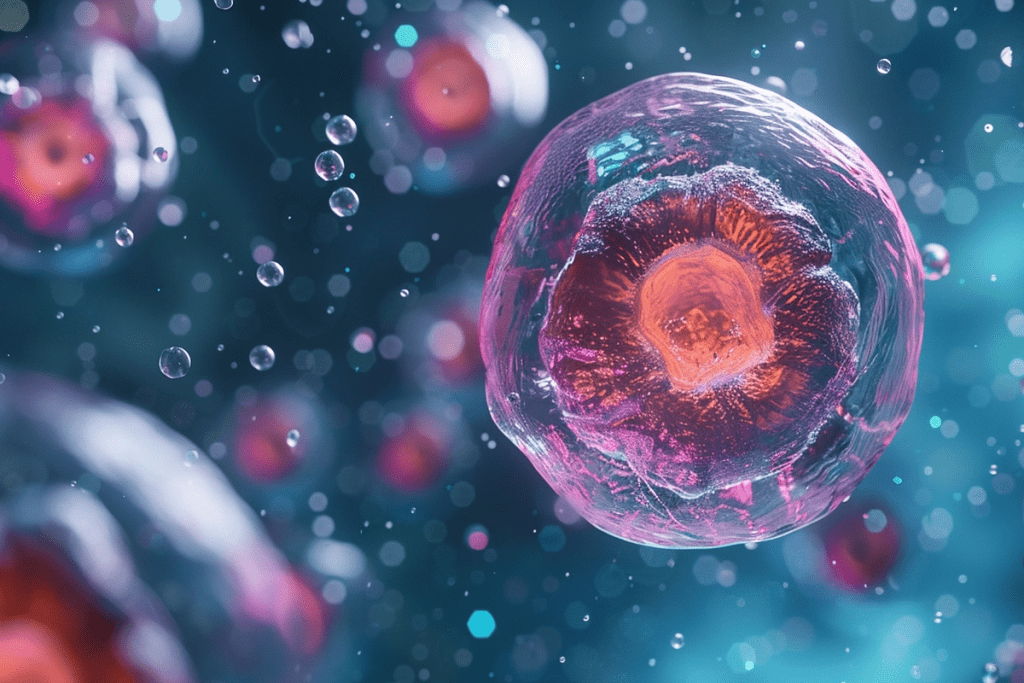
Totipotent stem cells are the most versatile in human development. They can turn into any cell type in the body. This includes both embryonic and placental cells. Their unique ability is key in early embryonic development.
Characteristics and Origin in Early Embryonic Development
The journey of totipotent stem cells starts with the zygote. This is the cell formed when sperm and egg unite. The zygote divides into a cluster of cells called blastomeres.
At this early stage, these cells are totipotent. They can grow into a complete organism.
Key characteristics of totipotent stem cells include:
- The ability to form an entire organism
- The capacity to differentiate into all cell types, including embryonic and placental cells
- Presence in the earliest stages of embryonic development
A leading stem cell researcher, says,
“Totipotent stem cells are the foundation upon which the entire organism is built. Understanding their properties and behavior is key for advancing stem cell research.”
Zygotes and Early Blastomeres as Totipotent Cells
Zygotes and early blastomeres are examples of totipotent cells. The zygote, the first cell after fertilization, can grow into a complete organism. As it divides, the blastomeres keep this ability for a short time.
The totipotency of these cells is a short-lived state. It lasts only a few days after fertilization. During this time, they can turn into any cell type needed for the embryo and its supporting tissues.
Research Challenges and Ethical Boundaries
Researching totipotent stem cells is challenging, mainly because of ethical concerns. These cells come from early embryos. This raises questions about the embryo’s moral status and the risks of manipulating these cells.
Scientists must balance the need for medical progress with the need to respect human life at its earliest stages.
Pluripotent Stem Cells: The Second Type in the Hierarchy
Pluripotent stem cells can turn into almost any cell type. This makes them key for regenerative medicine. They are very useful for creating new treatments.
Characteristics of Embryonic Stem Cells (ESCs)
Embryonic Stem Cells (ESCs) come from the inner cell mass of blastocysts. They can keep growing and turn into all three germ layers. This makes ESCs very valuable for research and treatments.
Induced Pluripotent Stem Cells (iPSCs): A Breakthrough in Reprogramming
Induced Pluripotent Stem Cells (iPSCs) are made by changing adult cells back into a pluripotent state. This is done by adding genes like Oct4 and Sox2. iPSCs are a good choice because they avoid the ethical problems of ESCs.
Comparing ESCs and iPSCs: Scientific and Ethical Considerations
Both ESCs and iPSCs can become many different cell types. But, they come from different sources. ESCs are from embryos, which raises ethical questions. iPSCs are made from adult cells, so they don’t have these issues. Knowing how they differ helps us see their uses.
| Characteristics | Embryonic Stem Cells (ESCs) | Induced Pluripotent Stem Cells (iPSCs) |
| Origin | Derived from embryos | Reprogrammed from adult cells |
| Ethical Concerns | Yes, due to embryonic origin | No, as they are derived from adult cells |
| Differentiation Ability | High, into all three germ layers | High, similar to ESCs |
In conclusion, pluripotent stem cells, like ESCs and iPSCs, are very promising for medicine. Knowing their strengths and weaknesses is important for using them well.
Multipotent Stem Cells: The Third Type with Tissue-Specific Potential
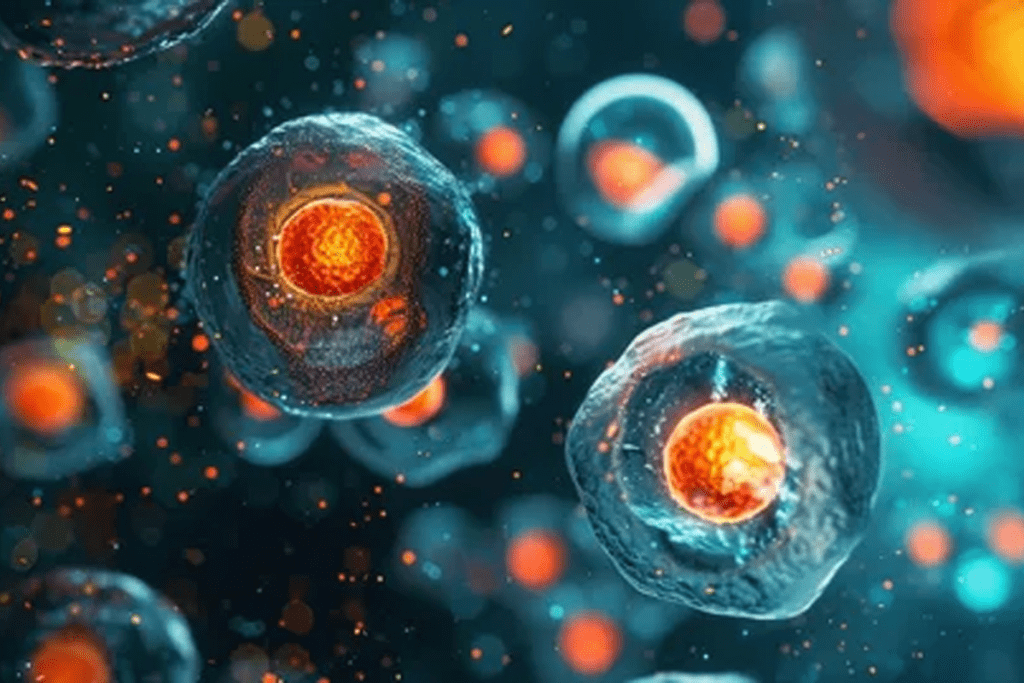
Multipotent stem cells are key in the stem cell world. They offer a mix of the wide range of pluripotent cells and the detailed work needed for fixing tissues. These cells can turn into many cell types but mainly focus on specific tissues.
Characteristics of Multipotent Stem Cells
Multipotent stem cells can grow themselves and turn into different cell types in a certain tissue or organ. This skill is vital for keeping tissues healthy, fixing them, and growing new ones.
Hematopoietic Stem Cells: The Foundation of Blood Cell Production
Hematopoietic stem cells (HSCs) are a great example of multipotent stem cells. They live in the bone marrow and make all blood cell types, like myeloid and lymphoid. HSCs are key for our immune system and helping blood carry oxygen.
The special skill of HSCs to make all blood cells makes them very important for treating blood diseases.
Mesenchymal Stem Cells: Versatile Connective Tissue Progenitors
Mesenchymal stem cells (MSCs) are another important type of multipotent stem cells. They can turn into different cells in connective tissue, like bone, cartilage, and fat cells. MSCs are also good at calming the immune system and are being studied for fixing and growing tissues.
Other Multipotent Stem Cell Types in the Human Body
There are more multipotent stem cells in our bodies, each with their own special skills. For example, neural stem cells can make different types of brain cells. Epithelial stem cells help keep the lining of our organs healthy.
The table below shows the main features of different multipotent stem cells:
| Stem Cell Type | Differentiation Potential | Tissue/Organ |
| Hematopoietic Stem Cells | Blood cell types (myeloid and lymphoid) | Bone Marrow |
| Mesenchymal Stem Cells | Connective tissue cells (osteoblasts, chondrocytes, adipocytes) | Various connective tissues |
| Neural Stem Cells | Neural lineages (neurons, astrocytes, oligodendrocytes) | Central Nervous System |
| Epithelial Stem Cells | Epithelial cells | Epithelial tissues |
Oligopotent and Unipotent Stem Cells: The Fourth Type with Limited Differentiation Capability
The stem cell world includes oligopotent and unipotent cells. They can only become a few types of cells, unlike others that can become many.
Oligopotent stem cells are on their way to becoming specific cells. They are important for keeping tissues healthy and fixing them when they get hurt.
Oligopotent Stem Cells: Committed to Specific Tissue Lineages
Oligopotent stem cells are key for certain tissues. For example, they help make immune cells like T cells and B cells. They also help make other immune cells, like macrophages and granulocytes.
- Lymphoid progenitor cells: Turn into T cells, B cells, and natural killer cells.
- Myeloid progenitor cells: Become macrophages, granulocytes, and more.
These cells are vital for our immune system to work right and fight off infections or damage.
Unipotent Stem Cells: Single-Lineage Specialists in Tissue Maintenance
Unipotent stem cells are the most specialized. They can only turn into one type of cell. This makes them perfect for keeping specific tissues healthy.
Examples of unipotent stem cells include:
- Spermatogonial stem cells: They make sperm.
- Epidermal stem cells: They help the skin’s outer layer stay new.
Knowing about oligopotent and unipotent stem cells helps us make better treatments. It also helps us understand how to fix and keep tissues healthy.
Clinical Applications Across the Four Stem Cell Types
Stem cells are classified into four types, each with its own uses in medicine. This classification helps in developing new treatments for many diseases. It shows how stem cells can help in regenerative medicine.
Current FDA-Approved Therapies and Treatments
Many stem cell therapies have been approved by the FDA. For example, stem cell transplants are used to treat blood disorders like leukemia. These therapies show the power of stem cells in treating serious diseases.
“Stem cells in medicine are not just for treating symptoms,” says a leading researcher. “They can tackle the root causes of diseases.” This new approach is changing healthcare and treatment options.
Promising Clinical Trials and Research Breakthroughs
Research is exploring the benefits of different stem cell types. For instance, mesenchymal stem cells might help with osteoarthritis. Induced pluripotent stem cells (iPSCs) could lead to personalized medicine by turning into many cell types.
- Clinical trials with iPSCs are showing great promise in treating degenerative diseases.
- Studies on multipotent stem cells for tissue repair are underway. They might help with orthopedic and heart diseases.
Matching Stem Cell Types to Specific Medical Conditions
Choosing the right stem cell type is key for successful therapy. For example, totipotent stem cells are important in early development. Pluripotent stem cells have wider uses because they can become many cell types.
| Stem Cell Type | Potential Medical Applications |
| Totipotent | Early developmental stages, potentially in assisted reproductive technologies |
| Pluripotent | Regenerative medicine, treatment of degenerative diseases |
| Multipotent | Tissue-specific repair, such as hematopoietic stem cells for blood disorders |
As research keeps improving, stem cells will have even more uses in medicine. This will bring new hope to patients all over the world.
Challenges and Future Directions in Stem Cell Research
Stem cell research has made great strides, but it faces many challenges. The field is growing fast, with big hopes for medical progress. Yet, it must overcome hurdles to reach its full promise.
Technical Hurdles in Stem Cell Cultivation and Differentiation
One big challenge is growing and changing stem cells. Stem cell cultivation needs the right conditions to keep them useful. Scientists are working hard to improve these conditions.
The process of differentiation is very complex. It involves understanding how stem cells turn into different cell types. New research shows that improving differentiation can come from studying genetics and epigenetics.
“The ability to reprogram somatic cells into induced pluripotent stem cells (iPSCs) has revolutionized the field, opening up a potentially endless source of cells for treatments.”-Researchers note.
Emerging Technologies Advancing Stem Cell Science
New technologies like CRISPR/Cas9 gene editing and 3D bioprinting are changing stem cell research. These tools make stem cell work more precise and efficient. They help in creating new treatments.
| Technology | Application in Stem Cell Research |
| CRISPR/Cas9 Gene Editing | Precise modification of stem cell genomes to correct genetic defects or introduce desired traits. |
| 3D Bioprinting | Creation of complex tissue structures using stem cells, enabling the development of functional tissue models and potentially organs for transplantation. |
As these technologies improve, they will help solve some of the current problems in stem cell research. This will open up new possibilities for treatments.
The future of stem cell research looks bright. Scientists are working hard to tackle technical and ethical issues. With progress, we can expect big advances in regenerative medicine and tissue engineering.
Conclusion: Understanding the Spectrum of Stem Cell Potency
It’s key to know about the different stem cells and their power levels. This knowledge helps us move forward in stem cell research and its uses. The power of stem cells varies from the most powerful to the least.
Knowing the difference between broad and limited power is important. Cells that can become many types are more powerful. Cells with less power can only become a few types.
This knowledge is vital for those working with stem cells. It helps them find new ways to use stem cells to help people. By understanding stem cell power, scientists can create better treatments for diseases.
As we learn more about stem cells, knowing their power levels becomes even more important. This knowledge will help us find new ways to use stem cells to help people. It will also help us move forward in regenerative medicine.
FAQ
What are stem cells and why are they important?
Stem cells can turn into different types of cells. They are key in growth, fixing tissues, and in new medicine. Their special abilities help us learn about human biology and create new treatments.
What are the four main types of stem cells?
There are four main types of stem cells. Totipotent stem cells can become almost any cell type. On the other end, unipotent stem cells can only become one type of cell.
What is the difference between embryonic stem cells (ESCs) and induced pluripotent stem cells (iPSCs)?
ESCs come from early embryos. iPSCs are made from adult cells. Both can become many cell types, but they have different uses and ethics.
What are the possible uses of stem cells in medicine?
Stem cells could help treat many diseases and injuries. They can help with blood, connective tissue, and damaged tissues. There are already some approved treatments and more trials underway.
What are the challenges in stem cell research?
Growing and changing stem cells is hard. But new tech is helping. More research is needed to fully use stem cells.
What is the potency hierarchy of stem cells?
The potency hierarchy sorts stem cells by how many types they can become. It goes from totipotent to unipotent. Knowing this helps us understand what each stem cell can do.
What are tissue-specific stem cells?
Tissue-specific stem cells, like hematopoietic and mesenchymal, are important for fixing tissues. They help keep certain tissues healthy and working right.
What is the role of oligopotent and unipotent stem cells?
Oligopotent and unipotent stem cells can only become a few or one type of cell. They are important for keeping tissues healthy. Knowing their limits helps us see how they can be used.
References
- Poliwoda, S., Gurtowska, N., Gaweş‚, J., et al. (2022). Stem cells: A comprehensive review of origins and biological properties. Stem Cell Reports, 16(1), 1-25. https://doi.org/10.1016/j.stemcr.2022.05.003
- This review gives definitions of totipotent, pluripotent, multipotent, oligopotent, and unipotent stem cells, and discusses their capabilities and sources.PMC
- This review gives definitions of totipotent, pluripotent, multipotent, oligopotent, and unipotent stem cells, and discusses their capabilities and sources.PMC
- Zakrzewski, W., Dobrzyş„ski, M., Szymonowicz, M., & Rybak, Z. (2019). Stem cells: Past, present, and future. Stem Cell Research & Therapy, 10, Article 68. https://doi.org/10.1186/s13287-019-1165-5
- Discusses stem cell potency, various stem cell types, and their applications. Good for outlining differences among potency categories.BioMed Central
- Discusses stem cell potency, various stem cell types, and their applications. Good for outlining differences among potency categories.BioMed Central
- Rajabzadeh, N., Rafiei, H., & Khalkhali, H. (2019). Stem cell-based regenerative medicine: An overview. Translational Medicine Review, etc.
- (Note: this is reflected in “Stem cell-based regenerative medicine article) It clearly defines totipotent, pluripotent, multipotent, and unipotent stem cells, with examples.Stem Cell Investigation
- (Note: this is reflected in “Stem cell-based regenerative medicine article) It clearly defines totipotent, pluripotent, multipotent, and unipotent stem cells, with examples.Stem Cell Investigation
- Dulak, J., Szade, K., Szade, A., et al. (2015). Adult stem cells: Hopes and hypes of regenerative medicine. Acta Biochimica Polonica, 62(1), 15-26. https://doi.org/10.18388/abp.2015_1023
- Covers the utility of adult stem cells (which are typically multipotent or unipotent), limitations, and examples of these types in therapy.Frontiers Publishing Partnerships
- Covers the utility of adult stem cells (which are typically multipotent or unipotent), limitations, and examples of these types in therapy.Frontiers Publishing Partnerships
- Singh, V. K., Kumar, N., Yadav, V., & Singh, D. (2016). Describing the stem cell potency: The various methods of detection and classification. Stem Cells and Cloning: Advances and Applications, 9, 83-94. https://doi.org/10.2147/SCCAA.S97227