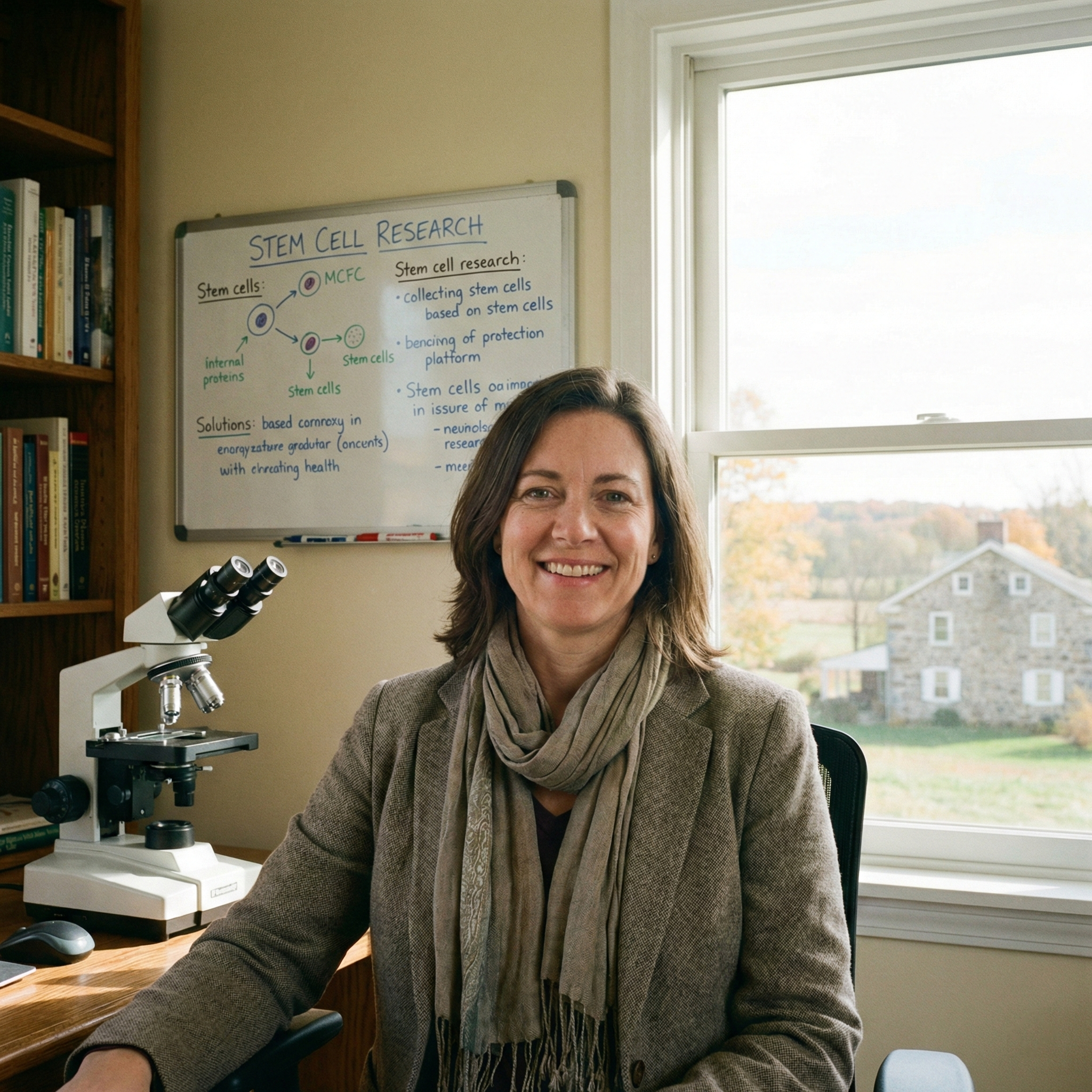
The human body is made up of trillions of cells. But there’s a special class of cells that holds the key to understanding life itself. Stem cells are undifferentiated cells that can develop into many different cell types. They serve as a vital repair system.
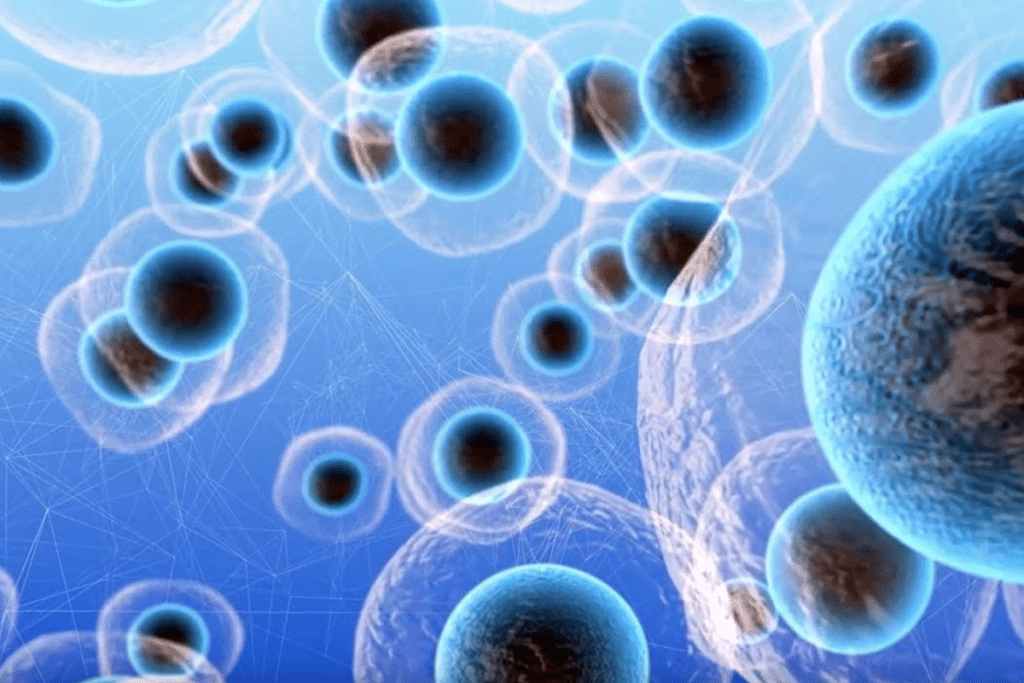
These remarkable cells can self-renew and differentiate into various cell types. This makes them a key part of medical research and therapy. Knowing what stem cells are and how they work is key to unlocking their power in treating diseases and injuries.
Key Takeaways
- Stem cells are undifferentiated cells with the ability to develop into many different cell types.
- They serve as a vital repair system for the body.
- Stem cells have the power to treat a wide range of diseases and injuries.
- Understanding stem cells is vital for advancing medical research and therapy.
- Stem cell therapy holds promise for regenerative medicine.
The Fundamental Stem Cell Definition
Stem cells are unique because they both self-renew and differentiate into diverse cell types. This makes them key for fixing and growing tissues.
Key Characteristics of Stem Cells
Stem cells have two main traits: they can self-renew and differentiate into different cells. Self-renewal keeps their numbers steady. Differentiation lets them turn into specific cells to fix damaged tissues.
These traits help us understand how stem cells work in our bodies. They also show their promise in medicine.
How Stem Cells Differ from Other Cells
Stem cells are different from specialized cells like nerve or muscle cells. They are unspecialized and can’t do the specific jobs of other cells. But, they can turn into many cell types, which is great for fixing and growing tissues.
This ability to become many cell types sets stem cells apart from other cells in our bodies.
The History and Discovery of Stem Cells
Stem cell research started in the late 19th century. But it really took off in the 20th century. This journey is filled with key discoveries that have shaped our understanding today.
Early Research and Breakthroughs
Alexander Maximow first talked about stem cells in 1908. He said some cells can turn into different types. Early research focused on these cells’ special abilities, like self-renewal and differentiation.
In 1981, Martin Evans and Matthew Kaufman isolated embryonic stem cells in mice. Then, in 1998, James Thomson got human embryonic stem cells. These moments were huge for stem cell research.
Evolution of Stem Cell Science
Stem cell science has grown a lot over the years. New tech and a better grasp of cells have helped. The discovery of induced pluripotent stem cells (iPSCs) in 2006 by Shinya Yamanaka changed everything. It opened up new ways to research and use stem cells.
The history of stem cell research shows the hard work of scientists worldwide. Knowing this history helps us understand the field today and its future.
Types of Stem Cells
Stem cells come in many types, each with its own special abilities. Knowing about these types helps us see how useful stem cells are in medicine and science.
Embryonic Stem Cells
Embryonic stem cells come from embryos. They can turn into any cell in the body. These cells are pluripotent, which means they can become almost any cell type. They are usually taken from embryos that are a few days old and are no longer needed for reproduction.
Adult Stem Cells
Adult stem cells, also known as somatic stem cells, live in adult tissues. They can turn into a few different cell types, depending on where they are in the body. For example, stem cells in bone marrow can become bone, cartilage, or muscle cells. Adult stem cells help fix and grow tissues.
Induced Pluripotent Stem Cells (iPSCs)
Induced pluripotent stem cells (iPSCs) are made in the lab. They start with adult cells, like skin or blood cells, and make them able to become many different cell types. This is done by adding special genes. iPSCs are great for personalized medicine and research because they can come from a patient’s own cells.
Stem cells come in different types, each with its own uses in medicine and science. Embryonic stem cells are very versatile but raise ethical questions. Adult stem cells are easier to get and have fewer ethical issues. iPSCs are a big step forward, allowing for stem cells that match a patient’s own cells without using embryos.
Where Do Stem Cells Come From?
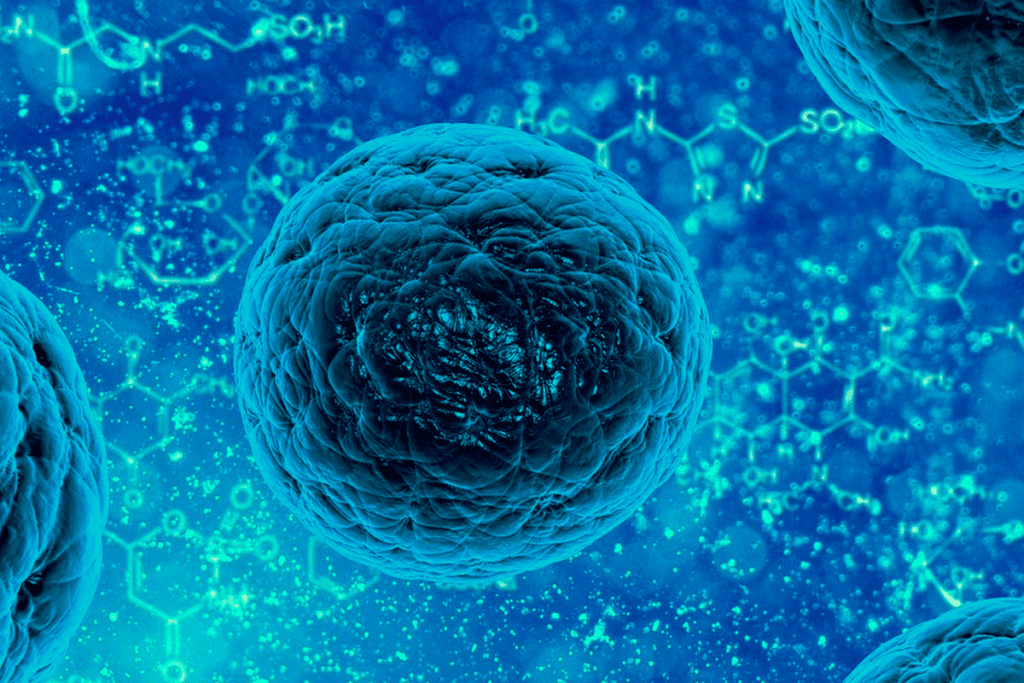
Stem cells play a big role in our health and diseases. They can come from embryos, adult tissues, and afterbirth like the umbilical cord and placenta. The source of stem cells affects their use and the ethics around it.
Embryonic Sources
Embryonic stem cells come from embryos a few days old. They can become any cell in the body. Getting these cells involves taking cells from the embryo’s inner cell mass.
“The ability to derive embryonic stem cells has opened up new avenues for research into human development and disease modeling.”
Stem Cell Researcher
These cells are great for studying diseases and creating new tissues. But, their use raises ethical questions because of where they come from.
Adult Tissue Sources
Adult stem cells are in adult tissues. They can’t become as many types of cells as embryonic stem cells. But, they’re key for fixing and keeping tissues healthy. You can find them in bone marrow, fat, and skin.
Afterbirth Sources: Umbilical Cord and Placenta
Stem cells can also come from afterbirth tissues like the umbilical cord and placenta. These are seen as a less controversial source. The umbilical cord has blood rich in stem cells for blood cell creation.
Using stem cells from afterbirth has many benefits. It’s less ethically complex and might lead to fewer immune problems. Research on these cells is showing promising results in many areas.
In summary, stem cells come from many places, each with its own benefits and challenges. Knowing where they come from is key to moving forward in stem cell research and treatments.
How Stem Cells Function in the Body
Stem cells play a key role in our health. They can self-renew and differentiate into many cell types. This makes them vital for fixing and growing tissues.
Cell Division and Self-Renewal
Stem cells keep their numbers up by dividing. They can either make more stem cells or turn into specialized cells. This balance is essential for keeping tissues healthy and repairing them.
A famous geneticist, said, “Stem cells can turn into many different cell types in the body. They act like an internal repair system.”
“The ability of stem cells to self-renew and differentiate makes them a vital component of the body’s repair mechanisms.”
Differentiation Process
Stem cells can turn into specialized cells like nerve or muscle cells. This happens because of signals from inside the cell and outside. Their ability to become different types of cells is important for regenerative medicine.
- Stem cells get signals to change based on the body’s needs.
- The change process is complex and involves many steps.
- Learning how to control this change is a big part of stem cell research.
In summary, stem cells work through division and differentiation to keep tissues healthy and repair them. As scientists learn more about stem cells, we’ll see new ways to use them to help people.
Stem Cell Therapy: Applications in Medicine
Stem cell therapy can fix damaged tissues. It’s being looked at for treating many diseases. This therapy, also known as regenerative medicine, is seen as a new hope for many medical conditions.
Stem cell therapy uses stem cells to fix or replace damaged tissues. It could change how we treat many diseases, even those we can’t cure now.
Current Approved Treatments
Many stem cell therapies are now approved for treating different medical issues. These include:
- Leukemia and lymphoma: Hematopoietic stem cell transplantation is a well-established treatment for these blood cancers.
- Corneal damage: Stem cell therapy is used to repair damaged corneas and restore vision.
- Cartilage repair: Autologous chondrocyte implantation is a stem cell-based treatment for cartilage damage.
Experimental Therapies
Stem cell therapy is also being tested for other medical conditions. These include:
- Parkinson’s disease: Researchers are looking into using stem cells to replace damaged dopamine-producing neurons.
- Heart disease: Stem cell therapy is being explored as a possible treatment for heart failure and myocardial infarction.
- Diabetes: Scientists are studying stem cell therapy to see if it can help grow new pancreatic islet cells.
These experimental therapies show great promise. Ongoing research aims to make them safe and effective for treating diseases.
Stem Cell Injections and Treatments
Stem cell injections are seen as a new hope for many health issues. They work by putting stem cells right where they’re needed to help heal and grow new tissue.
Procedure Overview
The process of getting stem cell injections is detailed. First, stem cells are harvested from the patient or a donor. Then, they are processed for use. The final step is injecting them, guided by images to hit the right spot.
Target Conditions
Stem cell injections are being tested for many health problems. These include orthopedic injuries, degenerative disc diseases, and chronic pain. The goal is to fix damaged tissue and cut down on swelling.
Effectiveness and Outcomes
How well stem cell injections work can differ. Some people see big improvements, while others notice smaller changes. Clinical trials and research are key to figuring out their lasting benefits and safety.
As studies keep going, stem cell injections might become a big deal for those looking for new treatments.
Stem Cell Research: Current State and Breakthroughs
Stem cell research is changing how we see human biology and disease. It’s key for finding new treatments and understanding stem cells better.
Major Research Areas
Stem cell research focuses on several areas. These include studying embryonic, adult, and induced pluripotent stem cells (iPSCs). Scientists are looking into how these cells can help in regenerative medicine, tissue engineering, and gene therapy.
- Regenerative Medicine: Using stem cells to fix or replace damaged tissues and organs.
- Tissue Engineering: Creating artificial tissues and organs with stem cells and biomaterials.
- Gene Therapy: Using stem cells to carry genetic material to fix inherited disorders.
Recent Scientific Advances
Recently, stem cell research has made big strides. New ways to make iPSCs and CRISPR-Cas9 gene editing have been developed. These breakthroughs offer hope for treating diseases like Parkinson’s and heart failure.
Stem cell use in medicine is growing fast. Ongoing research is working to turn lab discoveries into treatments. As we learn more about stem cells, we’ll see new therapies that help patients live better lives.
Ethical Considerations in Stem Cell Science
Ethical issues are key in stem cell science. The use of stem cells, like embryonic ones, has sparked big debates. These debates vary a lot depending on where you are in the world.
The ethics of stem cell research are complex. People argue about the value of human embryos, the risk of exploitation, and the right balance between science and ethics. Stem cell ethics keeps growing as research and technology improve.
Controversies Surrounding Embryonic Research
Using human embryos for research is a big ethical issue. The destruction of embryos to get stem cells is a major point of debate. Some say it’s wrong because it destroys possible human life.
Those who support using embryos for research say the benefits are worth it. They point out the need for clear rules and consent to keep research ethical.
Regulatory Frameworks in the United States
In the U.S., stem cell research rules are complex. They involve federal and state laws, plus guidelines from science and ethics groups.
The rules vary a lot from state to state. Federal funding for this research has strict rules. For example, cells must come from embryos that were not needed for reproduction and were donated with consent.
It’s important to understand these ethics and rules to move stem cell science forward responsibly. As research grows, so will the ethical discussions. These debates will shape the future of stem cell research and its use in medicine.
The Future of Stem Cell Medicine
Stem cell biology is advancing fast, opening doors to new medical breakthroughs. The future of stem cell medicine looks bright, thanks to research and tech advancements. These will lead to new ways to treat diseases.
Emerging Technologies
New technologies are set to change stem cell medicine. Gene editing technologies like CRISPR/Cas9 could fix genetic problems in stem cells. This makes them even more useful for treatments.
3D bioprinting and tissue engineering are also being developed. They aim to create real tissue substitutes for transplants.
Potential Medical Applications
Stem cell therapy has many possible uses. It’s being studied for treating various conditions, like degenerative diseases and injuries. For example, it might help with heart disease, Parkinson’s, and diabetes.
Induced pluripotent stem cells (iPSCs) are also making waves. They allow for creating cells specific to each patient. This could make treatments safer and more effective.
The future of stem cell medicine is exciting. With more research and tech, we’ll see big strides in treating diseases. As we learn more about stem cells, we’ll find new ways to help people.
Conclusion
Stem cells are key to understanding human biology and finding new treatments. They have the power to improve our health. This makes them very important in medicine.
There are different types of stem cells, like embryonic and adult ones. Each type is good for specific medical uses. Knowing about stem cells helps us see their role in healing.
Stem cell research is growing fast. It’s helping to treat diseases and fix damaged tissues. This gives hope to people all over the world.
The future of stem cell medicine is bright. New technologies and research are leading to better treatments. By learning about stem cells, we can see how they are changing medicine.
FAQ
What are stem cells?
Stem cells are special cells that can turn into many different types of cells in our body. They help fix damaged areas and have big possibilities for medical use.
What is the difference between embryonic stem cells and adult stem cells?
Embryonic stem cells come from embryos and can become any cell type. Adult stem cells are found in grown-up bodies and can only turn into a few types of cells.
What is stem cell therapy?
Stem cell therapy uses stem cells to fix or replace damaged cells, tissues, or organs. It could change how we treat many diseases.
Where do stem cells come from?
Stem cells can come from embryos, adult tissues, or afterbirth like the umbilical cord and placenta.
What is the role of stem cells in the body?
Stem cells are key in keeping tissues healthy and fixing damaged ones. They can grow more of themselves and turn into different cell types.
What are induced pluripotent stem cells (iPSCs)?
Induced pluripotent stem cells are made by changing adult cells to be like embryonic stem cells. They can turn into many cell types.
What are the potential applications of stem cell therapy?
Stem cell therapy could help with many diseases and conditions. This includes degenerative disorders, injuries, and genetic diseases.
How are stem cell injections used in treatment?
Stem cell injections put stem cells into the body to fix damaged tissues. They’ve been used for orthopedic injuries and degenerative diseases.
What are the ethical considerations surrounding stem cell research?
Using embryonic stem cells raises ethical questions because it means destroying embryos. Laws about this vary by country and region.
What is the current state of stem cell research?
Stem cell research is growing fast. Scientists are studying stem cells, working on new treatments, and improving existing ones.
What are the potential future applications of stem cell medicine?
The future of stem cell medicine looks bright. New technologies and treatments could greatly improve human health and treat many diseases.
References:
- Thomson, J. A., Itskovitz-Eldor, J., Shapiro, S. S., Waknitz, M. A., Swiergiel, J. J., Marshall, V. S., & Jones, J. M. (1998). Embryonic stem cell lines derived from human blastocysts. Science, 282(5391), 1145-1147.