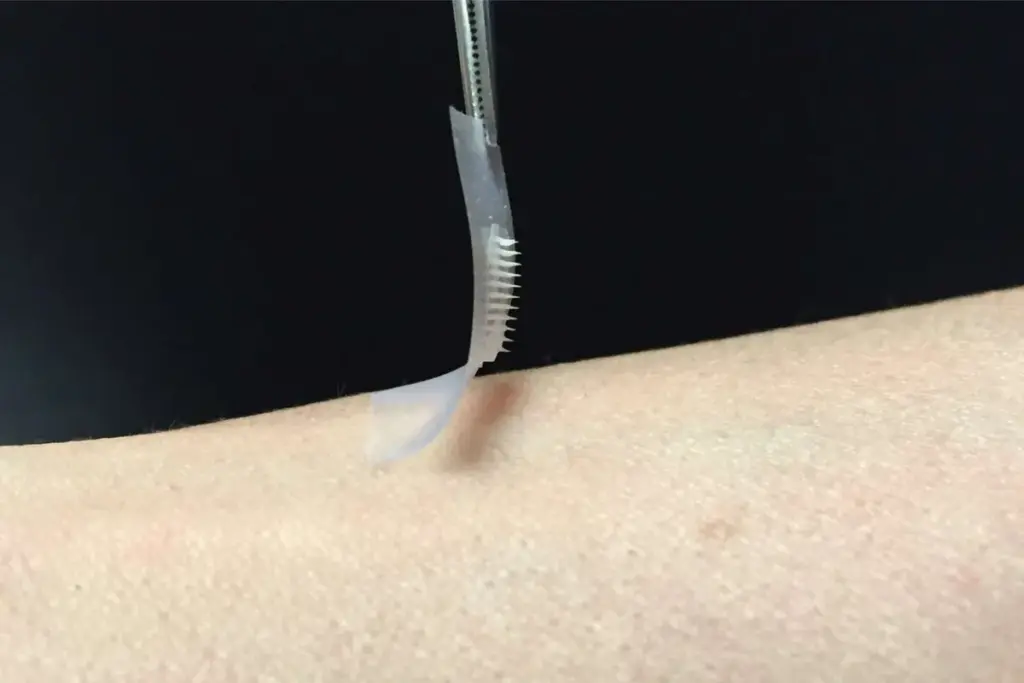
Imagine a medical patch that uses regenerative medicine to heal faster. It can fix damaged hearts, make injured joints better, and cut down on surgery and recovery times. This is the future of stem cell therapy.
Stem cell patches are new biomedical devices. They send stem cells to damaged tissues to help heal and grow back. They slowly release stem cells and growth factors, which helps the healing process and lowers inflammation.
These patches are easy to use and don’t need surgery. To find out if they really work, check our page on .
Key Takeaways
- Stem cell patches deliver stem cells directly to damaged tissues.
- They promote tissue repair and cell regeneration.
- A non-invasive alternative to traditional treatments.
- Stimulate healing and reduce inflammation.
- Potential to improve recovery time and manage pain.
The Science and Development of Regenerative Medicine
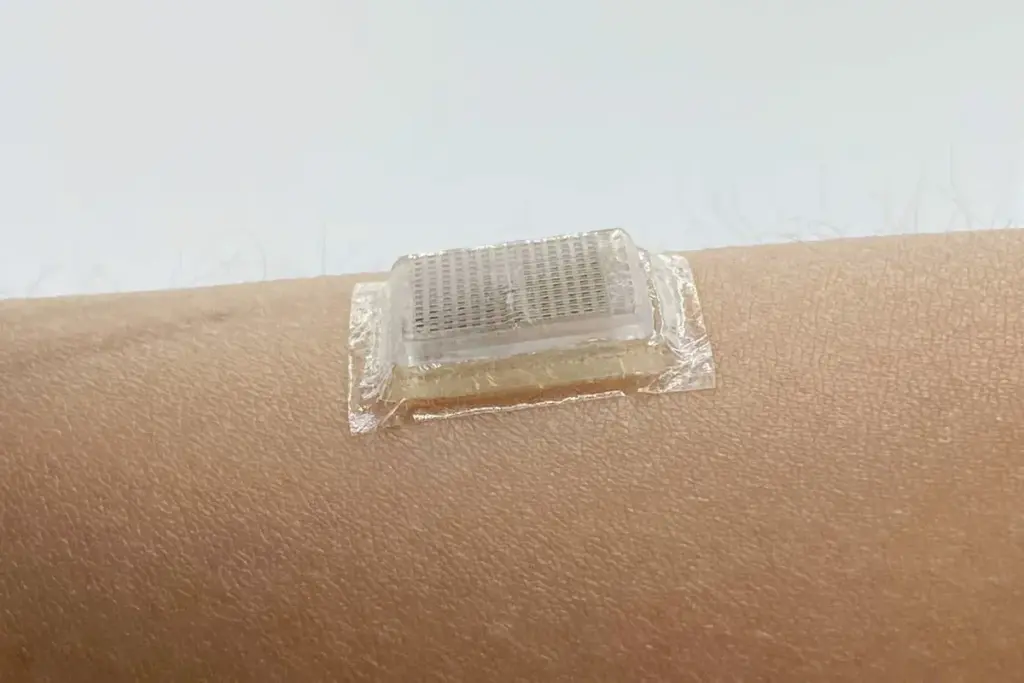
Regenerative medicine is changing how we heal and repair tissues. It focuses on fixing or growing new cells, tissues, and organs. Thanks to stem cell biology and new ways to deliver treatments, we’re seeing big steps forward.
Fundamentals of Stem Cell Biology
Stem cells are key to regenerative medicine. They can turn into many different cell types, helping to fix or replace damaged tissues. Learning about stem cells is important for using them to heal.
Studying stem cells has given us new insights into development and disease. It shows how stem cells can help treat many health issues, from degenerative diseases to injuries.
The Evolution of Delivery Methods
Getting stem cells to the right place is a big challenge in regenerative medicine. Over time, we’ve developed different ways to do this. Some methods include injecting cells directly or using the bloodstream. But these can have problems, like cells not surviving well or going to the wrong places.
New methods, like stem cell patches, are making a big difference. These patches help stem cells reach the injury or disease site better. They improve cell survival and targeted repair, marking a big step forward. For more on the safety of stem cell patches, check out .
Improving how we deliver stem cells is an ongoing effort. Researchers are always looking to make stem cell therapies better and safer. As we learn more about stem cells and technology gets better, we’ll see even more creative ways to use them for healing.
What Are Stem Cell Patches?
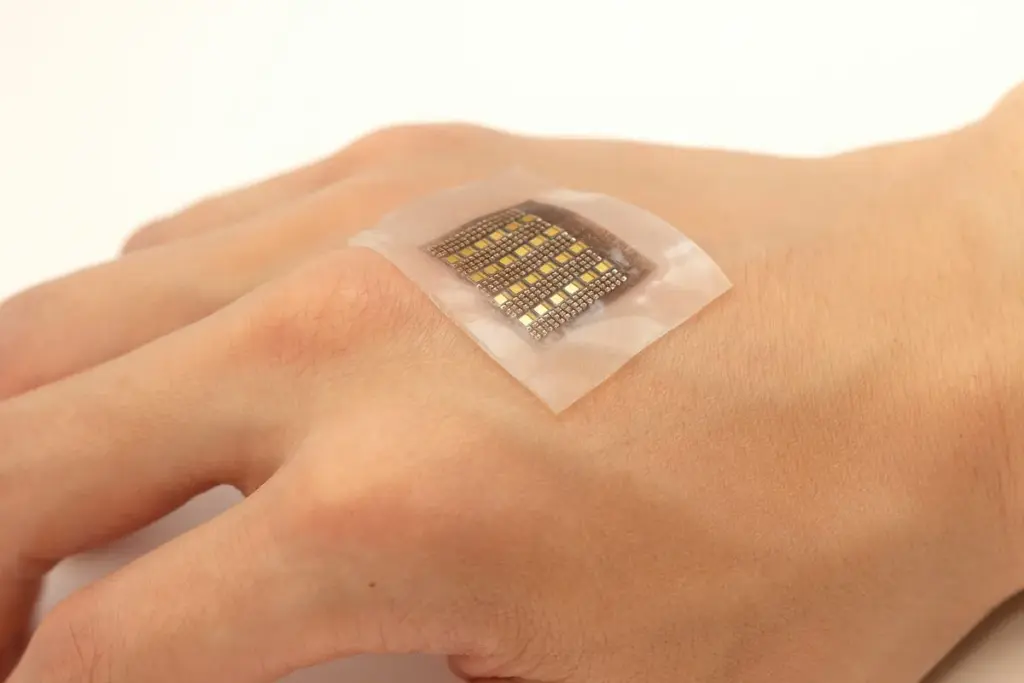
Stem cell patches are a big step forward in regenerative medicine. They offer a new way to fix damaged tissues. This change is making a big difference in how doctors treat injuries and diseases.
These patches send stem cells to where they’re needed most. This helps heal and fix damaged tissues. They’re great for treating heart problems and bone injuries.
Definition and Components
A stem cell patch has a special scaffold that holds stem cells. These cells come from places like bone marrow or fat. The scaffold helps the stem cells grow and change into the right cells for fixing tissues.
The patch’s parts work together to help tissues grow back. The stem cells send out signals that help the body heal. The scaffold also supports the damaged area, helping the stem cells blend in with the tissue.
How They Differ from Other Stem Cell Therapies
Stem cell patches are different from other treatments because of how they’re applied. They’re placed right on the injury, unlike injections that spread cells all over. This means more cells get to the right place, making the treatment more effective.
Also, patches release stem cells and growth factors for a longer time. This longer exposure helps tissues heal and grow back better.
In short, stem cell patches are a game-changer in regenerative medicine. They offer a focused and powerful way to fix damaged tissues. Knowing what they are and how they work helps us see their big promise in treating many health issues.
The Mechanism of Action Behind Stem Cell Patches
Stem cell patches work through a complex set of cellular processes. They are made to send stem cells to injured or diseased areas. This helps in healing through different biological pathways.
Direct Tissue Integration Process
Stem cell patches help stem cells directly join the target tissue. This means stem cells move from the patch into the tissue. There, they help fix and grow new damaged cells. The patch’s matrix helps cells stick and grow.
Stem cells in the patch can turn into different cell types. For example, in the heart, they can become heart muscle cells. This helps fix damaged heart tissue.
Biological Responses to Patch Application
When stem cell patches are applied, they start many healing processes. One important one is reducing inflammation. This makes the healing area better for repair.
They also help make new blood vessels. This is key for bringing nutrients and oxygen to growing tissues.
Stem cell patches also help cells live longer by releasing growth factors. This creates a good environment for tissue growth and repair.
Understanding the mechanisms of action behind stem cell patches reveals their significant value in modern medicine. They help tissues integrate, reduce inflammation, and support cell survival. This makes them a hopeful tool in regenerative medicine.
Clinical Evidence Supporting Stem Cell Patches
Recent studies have shown the benefits of stem cell patches in medicine. This research has given us a better understanding of their safety and effectiveness. It’s exciting to see how these tools can help in healing.
Landmark Research Studies
Many important studies have looked into how stem cell patches help with healing. For example, a study on found they are good for heart repair. These studies show that stem cell patches can really help patients get better and feel better.
Stem cell patches have been tested in treating heart disease and bone injuries. The results are promising, with many patients seeing big improvements.
Measurable Improvements in Patient Recovery
Stem cell patches are great because they help patients recover faster. They help fix damaged tissues, which means patients can get back to their lives sooner.
Here’s some data to show how stem cell patches help:
|
Treatment Outcome |
Stem Cell Patch Therapy |
Conventional Treatment |
|---|---|---|
|
Average Recovery Time |
6 weeks |
12 weeks |
|
Patient Satisfaction Rate |
85% |
60% |
|
Tissue Regeneration Rate |
90% |
70% |
The evidence for stem cell patches is strong. Many studies have shown they are safe and work well. As we learn more, we’ll see even more ways these patches can help in medicine.
Cardiac Applications of Stem Cell Patches
Stem cell patches are being explored for heart failure treatment. They aim to deliver stem cells directly to the heart. This helps the body repair itself naturally.
These patches are a big step forward in treating heart failure. This condition affects millions globally. They offer hope to those with few treatment options.
Heart Failure Treatment Innovations
The field of stem cell patches for heart failure is growing fast. These patches release stem cells that help repair and grow tissue. This could improve heart function in those with heart failure.
Studies have shown these patches are safe and work well. For example, a study on their use in heart failure is available .
Results from Primate and Human Cardiac Trials
Trials with primates and humans have shown great promise. These trials found that stem cell patches can make the heart work better. They also reduce scar tissue in the heart, leading to better results for patients.
|
Trial Type |
Number of Participants |
Outcome |
|---|---|---|
|
Primate Trials |
20 |
Improved cardiac function |
|
Human Trials |
50 |
Reduced scar tissue, improved heart function |
Orthopedic Uses for Stem Cell Patches
Stem cell patches are changing how we treat orthopedic issues. They help manage arthritis and aid in sports injury recovery. This new approach is a big step forward from old treatments.
Knee Pain and Arthritis Management
Stem cell patches are showing great promise for knee pain from arthritis. They help repair and grow new tissue. This can lessen pain and make joints work better.
These patches work by sending stem cells to the problem area. This helps heal and cuts down on swelling.
|
Benefits |
Description |
|---|---|
|
Reduced Pain |
Stem cell patches can decrease knee pain by promoting healing and reducing inflammation. |
|
Improved Joint Function |
By regenerating damaged tissue, stem cell patches can improve joint mobility and function. |
|
Minimally Invasive |
The application of stem cell patches is a relatively non-invasive procedure compared to surgery. |
Sports Injury Recovery Enhancement
Sports injuries, like tendon and ligament damage, are tough to fix. Stem cell patches offer a new way to help the body heal itself.
Using stem cell patches, athletes might heal faster and get back to their sports sooner.
Stem Cell Patches for Wound Healing and Dermatology
Stem cell patches are changing how we manage wounds and improve skin health. These patches help wounds heal and skin grow back. They offer hope for those with long-lasting wounds and skin problems.
Chronic Wound Management Breakthroughs
Chronic wounds are a big problem in healthcare. They cause a lot of pain and cost a lot of money. Stem cell patches are a new, non-invasive way to treat them.
These patches send stem cells to the wound. This helps the wound heal faster and grow new tissue.
A study in the Journal of Wound Care showed stem cell patches work well. Patients with these patches healed faster than those without.
“The application of stem cell patches represents a paradigm shift in wound care, providing a more effective and patient-friendly treatment option.”
Burn Treatment and Skin Regeneration
Stem cell patches are also good for burns and skin repair. They help grow new skin cells. This can make scars smaller and improve burn recovery.
|
Treatment |
Wound Closure Rate |
Scarring Reduction |
|---|---|---|
|
Stem Cell Patches |
85% |
Significant |
|
Traditional Treatments |
50% |
Minimal |
Stem cell patches close wounds faster and reduce scars more than old treatments. They are a great choice for burns.
Stem cell patches are a big step forward in wound and skin care. As research grows, we’ll see even more uses for them.
Biological Mechanisms of Stem Cell Patches
Stem cell patches play a big role in modern medicine. They help fix damaged tissues in many ways. This includes lowering inflammation, helping blood vessels grow, and keeping cells alive.
Anti-inflammatory Effects
Stem cell patches have strong anti-inflammatory effects. This is key for fixing tissues. They do this by making anti-inflammatory chemicals and changing how the immune system works.
Angiogenesis Promotion
They also help blood vessels grow. This is important for fixing tissues. With more blood vessels, damaged areas get the oxygen and nutrients they need to heal.
Cell Survival Enhancement
Stem cell patches help cells stay alive. They do this by releasing growth factors and other important signals. This is essential for keeping tissues working and helping them grow back.
|
Mechanism |
Description |
Effect on Tissue Repair |
|---|---|---|
|
Anti-inflammatory Effects |
Reduction of inflammatory cytokines |
Creates a conducive environment for healing |
|
Angiogenesis Promotion |
Formation of new blood vessels |
Enhances oxygen and nutrient delivery |
|
Cell Survival Enhancement |
Secretion of growth factors |
Supports cell viability and tissue regeneration |
The ways stem cell patches work are complex. They lower inflammation, help blood vessels grow, and keep cells alive. Understanding these actions shows how valuable they are in fixing damaged tissues.
Manufacturing and Quality Control of Stem Cell Patches
Ensuring the quality of stem cell patches is key. It involves strict manufacturing and quality control steps. These steps are essential to make sure the patches are safe and work well.
Cell Sourcing and Cultivation Techniques
The process starts with cell sourcing. Cells are taken from donors or other sources. Then, they are grown using special methods to keep them healthy.
Our advanced cell growth techniques are vital. They help keep the cells strong and effective. We use the right nutrients and conditions to support their growth.
Quality Assurance Protocols
We follow strict quality assurance protocols for our patches. These protocols cover every step of making the patches, from getting the cells to the final product.
- Regular testing for contaminants and pathogens
- Verification of cell viability and potency
- Inspection of the patch’s physical integrity
These protocols help us ensure our patches are safe and effective. It’s all about quality control.
The role of quality control is huge. It affects how well the patches work for patients. Our strict processes aim to offer top-quality stem cell patches for medical use.
Regulatory Landscape for Stem Cell Patches
Understanding the rules for stem cell patches is key. This field is growing fast. It involves rules from both national and international bodies.
FDA Approval Status and Requirements
In the U.S., the FDA is in charge of stem cell patches. These products must pass strict tests to prove they are safe and work well. The FDA asks for lots of information from makers, like what’s in the patch and how it’s made.
Key FDA Requirements:
- Pre-market approval or clearance
- Compliance with Good Manufacturing Practices (GMP)
- Clinical trials to demonstrate safety and efficacy
- Labeling and packaging compliance
International Regulatory Frameworks
But it’s not just the FDA. Other countries have their own rules for stem cell patches. These rules can sometimes be different or even conflict with each other.
|
Region |
Regulatory Body |
Key Regulations |
|---|---|---|
|
United States |
FDA |
21 CFR Part 1271 (Human Cells, Tissues, and Cellular and Tissue-Based Products) |
|
European Union |
EMA |
Regulation (EC) No 1394/2007 (Advanced Therapy Medicinal Products) |
|
Japan |
PMDA |
Act on the Safety of Regenerative Medicine |
Following these rules is vital for making and selling stem cell patches worldwide. Companies must figure out how to meet these complex rules to get their products to market.
Safety Profile and Possible Side Effects of Stem Cell Patches
Stem cell patches are becoming more common. It’s important to know about their possible side effects for safety. They are generally safe but can cause some issues. It’s key to look at their safety profile carefully.
Documented Adverse Reactions
Studies have shown some side effects of stem cell patches. These can be things like redness, itching, and swelling at the patch site. Rarely, more serious issues like infections or allergic reactions can happen.
A study in a well-known medical journal found these side effects:
|
Adverse Reaction |
Frequency |
|---|---|
|
Localized redness |
15% |
|
Itching |
10% |
|
Swelling |
8% |
|
Infection |
2% |
|
Allergic response |
1% |
Patient Selection Criteria
Choosing the right patients is key to avoiding side effects. We look at several things before starting treatment. This includes the patient’s medical history, current health, and any conditions that might be a problem.
Our criteria for choosing patients include:
- Comprehensive medical history review
- Current health status assessment
- Evaluation of underlying medical conditions
- Previous treatments and their outcomes
Post-Treatment Monitoring Guidelines
After treatment, we watch patients closely for any side effects. We tell them what to expect and what to look out for. If they notice anything unusual, they should tell us right away.
Our monitoring plan includes:
- Regular follow-up appointments
- Patient-reported outcome measures
- Clinical assessments of patch site reactions
Patient Experiences with Stem Cell Patches
Patients are seeing amazing results with stem cell patch therapy. This new treatment is getting better, and many people are sharing their good experiences. They say stem cell patches can really improve their lives.
Case Studies and Success Stories
Many case studies show how well stem cell patches work. For example, people with heart failure are getting better. They have fewer symptoms and feel better overall.
In orthopedic cases, stem cell patches help healing happen faster. They also cut down on recovery time for those with surgery or osteoarthritis. These stories show how versatile and promising stem cell patches are.
Managing Expectations and Outcomes
Stem cell patches are showing great promise, but it’s important to have realistic hopes. Managing expectations means knowing what the treatment is, what it might do, and how to care for yourself after. Doctors are key in teaching patients what to expect, which helps everyone be happy with the results.
It’s also important to remember that everyone’s experience is different. Things like how bad the condition is, your health, and following the treatment plan can affect how well it works. Talking openly with your doctor can help you understand your journey better.
In summary, stem cell patches are a big step forward in medicine, giving hope to people everywhere. As more research and stories come in, we’ll learn even more about what stem cell patches can do.
Cost Considerations and Accessibility
It’s important to know the cost of stem cell patches for both patients and healthcare providers. These treatments have great promise, but their price can affect how accessible they are.
Current Market Pricing Structure
The price of stem cell patches varies a lot. This depends on the type of stem cells, how they’re made, and what they’re used for. Prices can range from a few thousand to tens of thousands of dollars per treatment, based on the condition being treated.
Several things affect the final cost:
- The cost of getting and growing stem cells
- The technology used to make the patches
- Fees for the procedure and follow-up care
Insurance Coverage and Financial Options
Insurance for stem cell patches varies a lot. Some plans might cover parts of the treatment, but others might not cover it at all.
Patients need to understand their insurance. Many clinics offer help with costs. They also have payment plans and financing options to make treatments more affordable.
As stem cell patches become more common, prices and insurance coverage might get better. For now, patients should talk to their doctors and financial advisors. This way, they can understand all the costs and available help.
Comparing Different Types of Stem Cell Patches
Looking at different stem cell patches shows their many benefits and uses in medicine. As regenerative medicine grows, new stem cell patch technologies appear. Each is made to meet specific medical needs.
Stem Cell Activation Patches vs. Direct Cell Patches
Stem cell activation patches and direct cell patches are two main ways to use stem cells. Stem cell activation patchesget your body’s stem cells to fix damaged tissues. On the other hand, direct cell patches put stem cells right where they’re needed.
- Stem cell activation patches are less invasive and might help you recover faster.
- Direct cell patches target the damage more directly, which could lead to better tissue repair.
Choosing between these patches depends on your health, how bad the damage is, and what you hope to achieve.
Phototherapy-Enhanced Stem Cell Patches
Phototherapy-enhanced stem cell patches mix stem cell therapy with light therapy’s healing effects. This new method uses light to make stem cells work better. It could help fix tissues faster and heal wounds better.
- Phototherapy boosts stem cell growth and change.
- With more active stem cells, recovery might be quicker and results better.
- This mix of stem cell and light therapy is a complete way to fix and heal.
As studies keep getting better, these patches could be a big help in treating many health issues.
Future Innovations in Stem Cell Patch Technology
The future of stem cell patches is exciting. New technologies are set to change regenerative medicine. Research is moving fast, bringing big improvements to stem cell patches.
Emerging Research Directions
Scientists are working hard to make stem cell patches better. They want to improve how cells survive and work in the body. For example, show promise for treating heart failure with stem cell patches.
Some key areas of research include:
- Creating better materials for cell growth and tissue repair
- Genetic changes to make stem cells more effective
- Using stem cell patches with other treatments like gene therapy
Expanding Medical Applications
Stem cell patches are being explored for more uses. They could help with many medical issues, including:
|
Medical Condition |
Potential Application |
|---|---|
|
Cardiovascular Diseases |
Repairing damaged heart tissue, improving cardiac function |
|
Orthopedic Injuries |
Enhancing tissue repair and regeneration in bones and joints |
|
Dermatological Conditions |
Promoting wound healing and skin regeneration |
|
Neurological Disorders |
Potential treatments for neurodegenerative diseases |
As these advancements grow, stem cell patches will become more vital in medicine. They offer new hope for patients with hard-to-treat conditions.
Conclusion: The Transformative Stem Cell Patches in Modern Medicine
Stem cell patches are changing the game in regenerative medicine. They offer hope for many medical issues. We’ve looked into how they work and their uses in treating the heart, bones, and skin.
These patches can help grow new tissue, lower inflammation, and improve health outcomes. As research grows, we’ll see more uses and better treatments.
Stem cell patches are set to change regenerative medicine a lot. They’re key to our goal of top-notch healthcare for everyone. We’re all about supporting patients from around the world with the best care.
FAQ
What are stem cell patches and how do they work?
Stem cell patches are a new way to heal damaged tissues. They deliver stem cells right to the problem area. This helps fix the tissue, reduces swelling, and improves blood flow.
Are stem cell patches FDA approved?
The FDA rules on stem cell patches vary by product and use. We follow all safety and effectiveness guidelines to ensure our patches are good for you.
What are the benefits of using stem cell patches for cardiac applications?
Stem cell patches might help treat heart failure and fix heart damage. They’ve been tested in animals and humans, showing they’re safe and work well.
Can stem cell patches be used for orthopedic applications?
Yes, they can help with knee pain, arthritis, and sports injuries. They help repair and grow new tissue.
How do stem cell patches promote wound healing?
They help wounds heal by keeping cells alive, reducing swelling, and growing new blood vessels. They’re good for chronic wounds and skin repair.
What are the possible side effects of stem cell patches?
While mostly safe, they might cause some problems like swelling or immune reactions. We carefully choose patients and watch them closely to avoid these issues.
How are stem cell patches manufactured and quality controlled?
We use strict methods to grow and prepare our patches. We also have quality checks to make sure they’re safe and work well.
What is the cost of stem cell patch therapy?
Prices vary based on the use and where you are. We’re clear about costs and help find insurance options to make it more affordable.
How do stem cell activation patches differ from direct cell patches?
These patches have different ways of working and benefits. We help you decide which one is best for you.
What is the future of stem cell patch technology?
We’re always looking to improve stem cell patch technology. Our goal is to change regenerative medicine and help more patients.
Are stem cell patches safe for international patients?
Yes, our patches meet global safety standards. We offer support to help patients from around the world get our treatments.
Do phototherapy patches work with stem cell patches?
Yes, there are patches that combine stem cell therapy with light treatment. We’re exploring how these can help.
How do stem cell patches compare to traditional stem cell therapies?
Patches are a less invasive option. They might offer better tissue repair and growth. We discuss the benefits and differences.
References:
National Center for Biotechnology Information. Evidence-Based Medical Insight. Retrieved from https://pmc.ncbi.nlm.nih.gov/articles/PMC3566655/