The stem cell procedure for knees is gaining attention as a potential solution for joint pain, but it’s critical to understand its current status and risks. According to the FDA, this therapy is still considered “investigational,” meaning its safety and effectiveness are actively being studied. This raises important questions about the potential dangers of the treatment. As more clinics begin to offer stem cell injections, it is essential for patients to be fully aware of the possible complications before making a decision.
Key Takeaways
- The FDA considers stem cell therapy “investigational.”
- Safety and efficacy are being studied.
- Patients should be aware of possible risks.
- Understanding pros and cons is key for informed decisions.
- Ongoing research will help clarify stem cell therapy’s safety and effectiveness for knees.
Understanding Stem Cell Therapy for Knee Conditions
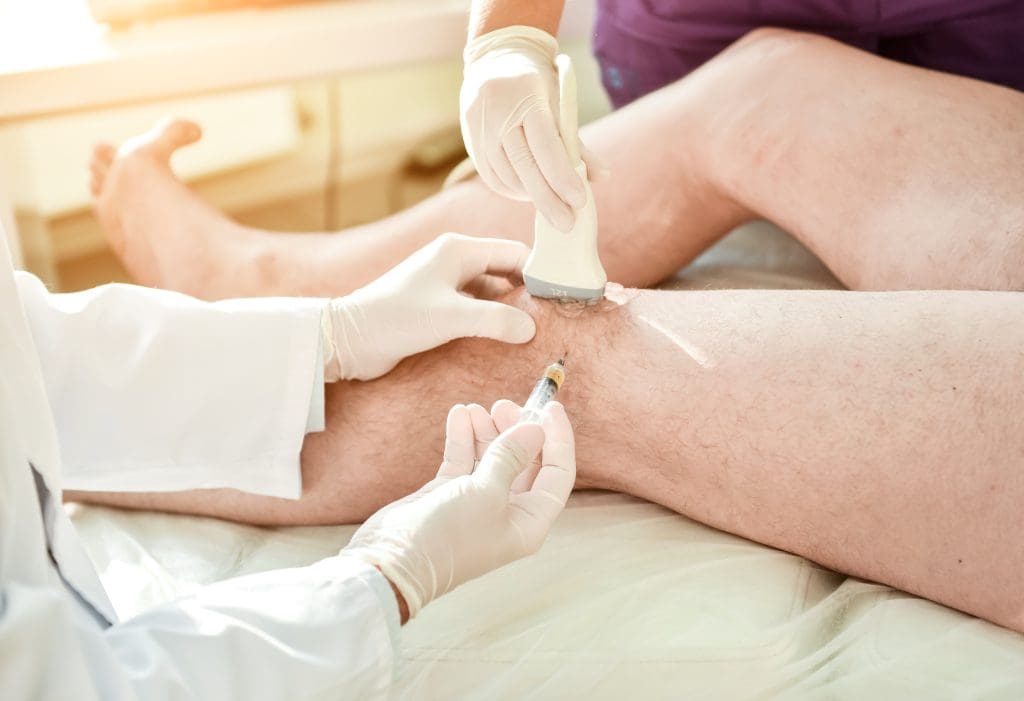
Knee problems like osteoarthritis are now treated with stem cell therapy. This method uses the body’s own healing powers. It involves stem cells, which can turn into different cell types to fix damaged knee tissues.
What are stem cells and how do they work?
Stem cells are special cells that can become many types of cells in our body. They help with growth, repair, and keeping our body systems healthy. For knee issues, stem cells aim to grow new tissues, easing pain and improving movement.
To treat knees, these cells are taken, processed, and injected into the knee. They can turn into the right cells to fix or replace damaged areas.
Types of stem cells used in knee treatments
There are many stem cell types used for knee treatments, each with its own benefits. The right type depends on the patient’s condition, age, and health.
Bone marrow-derived stem cells
Bone marrow stem cells come from the patient’s bone marrow. They can turn into many cell types and are used for knee treatments because of their healing power.
Adipose-derived stem cells
Adipose stem cells come from fat tissue. They can change into many cell types and are easy to get, making them a common choice for knee treatments.
Umbilical cord stem cells
Umbilical cord stem cells are taken from the umbilical cord after birth. They are very flexible and are being studied for their use in regenerative medicine, including knee treatments.
| Type of Stem Cell | Source | Potential Benefits |
| Bone Marrow-Derived | Bone Marrow | Regenerative power, can turn into many cell types |
| Adipose-Derived | Fat Tissue | Can change into many types, easy to get |
| Umbilical Cord | Umbilical Cord | High flexibility, good for regenerative medicine |
“The use of stem cells in treating knee conditions represents a significant advancement in orthopedic care, providing patients with a potentially more effective and less invasive option than traditional surgery.”
The Stem Cell Procedure for Knees: Step by Step
Learning about the stem cell injection process for knees helps patients get ready for treatment. The steps include preparation and the actual injection of stem cells into the knee.
Pre-procedure preparation
Before starting stem cell therapy, patients get a detailed medical check-up. This check-up helps see if they’re a good fit for the treatment. They might have imaging tests like MRI or X-rays to check knee damage.
“Proper preparation is key to the success of stem cell therapy,” says a top orthopedic specialist. Patients might also need to stop some medicines that could mess with the procedure.
Harvesting stem cells
Stem cells are taken from the patient’s own body, often from bone marrow or adipose tissue. This is done under local anesthesia to make it less painful. Then, the cells are processed to get the stem cells.
Processing and preparation
The stem cells are then ready for injection. This means isolating and focusing the stem cells with special tools. The whole process aims to keep the stem cells in top shape.
Injection techniques
The stem cells are injected into the knee using ultrasound-guided injection techniques. This method lets doctors see exactly where they’re injecting. “Accurate placement of stem cells is key for the treatment’s success,” a regenerative medicine expert says.
By knowing these steps, patients can understand the detailed and careful work that goes into stem cell shots for knees.
Common Risks and Side Effects
Stem cell therapy is a new way to treat knee problems. But, it’s important to know about the risks and side effects. This helps patients make smart choices about their treatment.
Infection Risks
One big worry with stem cell therapy is infection. The risk is small, but it’s key to follow care instructions after treatment. This helps prevent infections.
Pain and Swelling
Pain and swelling often occur after stem cell injections, but they typically subside within days when managed with rest, ice, and mild medication. Sometimes, they can last longer and need more medical help.
Bleeding and Bruising
Bleeding and bruising can happen at the injection site. These are usually mild and go away in a few days. But, people with bleeding problems or on blood thinners might face a higher risk.
Temporary Flare-Ups
Some people might see a temporary worsening of symptoms after treatment. This is often a sign that the body is reacting to the therapy.
The table below lists common risks and side effects of stem cell therapy for knees:
| Risk/Side Effect | Description | Management |
| Infection | Risk of infection at the injection site | Post-procedure care, antibiotics if necessary |
| Pain and Swelling | Temporary discomfort and inflammation | Rest, ice, pain medications |
| Bleeding and Bruising | Mild bleeding or bruising at the injection site | Monitoring, compression if necessary |
| Temporary Flare-Ups | Short-term worsening of symptoms | Supportive care, possibly additional treatment |
Serious Complications to Consider
When thinking about stem cell therapy for knee problems, serious complications are something to keep in mind. This treatment can help with knee pain, but knowing about possible issues is key. It helps you make a well-informed choice.
Immune Reactions and Rejection
One big worry with stem cell therapy for knees is immune reactions and rejection. The body might see the new cells as foreign and fight them. This could cause inflammation or even reject the cells, making the problem worse.
Tumor Formation Concerns
There’s also a chance of tumors forming. This is rare but possible, as stem cells might grow out of control. The type of stem cells used and their source play a big role in this risk. It’s important to make sure the therapy uses well-tested cells.
Unexpected Differentiation of Cells
Stem cells are meant to turn into specific types of cells to fix damaged areas. But sometimes, they might turn into the wrong type or not turn into the right type at all. This could lead to unexpected problems. It’s important to watch closely and follow up to catch any issues early.
In summary, stem cell therapy for knees can be very helpful. But it’s important to know about the serious complications like immune reactions, tumor formation, and unexpected cell changes. Talking to your doctor about these risks is a good way to understand how they might affect you.
Is Stem Cell Therapy for Knees Painful?
Stem cell therapy is becoming more popular for knee problems. People wonder if it hurts. The thought of pain is natural, as the treatment involves injections into the knee.
Pain During the Procedure
The pain from stem cell therapy for knees varies. Usually, a local anesthetic numbs the area. This makes the stem cell injection less painful. Some might feel a pinch or sting when the needle goes in, but it’s short-lived.
Post-Procedure Discomfort
After the treatment, some might feel pain, swelling, or discomfort at the injection site. This is usually short-term and can be eased with over-the-counter pain meds. The pain usually goes away in a few days as the body reacts to the therapy.
Even though some pain is possible, many see the benefits of stem cell therapy for knees as worth it. Talking to a healthcare provider about pain management can help ease worries.
Effectiveness and Success Rates
stem cell therapy for knees success rates
To understand how well stem cell therapy works for knees, we need to look at the research. We must study many studies to see how well it works and what affects its success.
Clinical Evidence on Efficacy
Many studies have looked into how well stem cell therapy helps with knee problems. Clinical trials show it can really help with pain and getting around better. For example, a study in the Journal of Orthopaedic Research found it greatly reduced knee pain and improved how well patients could move.
Looking at all the research, stem cell therapy seems to be a good choice for knee issues. Some studies say it works for up to 80% of people, depending on who they are.
Factors Affecting Treatment Success
How well stem cell therapy works for knees depends on a few important things. Knowing these helps us know what to expect and how to get the best results.
Severity of Knee Damage
The level of knee damage is a big factor in how well treatment works. People with less damage usually do better than those with more serious problems.
Patient Age and Overall Health
Patient age and overall health matter a lot too. Younger people with fewer health problems usually do better with the treatment.
Quality and Source of Stem Cells
The quality and source of stem cells used is very important. Stem cells from different places, like bone marrow or fat, can work differently. This can change how well the treatment works.
In short, stem cell therapy for knees is promising but not perfect. Its success depends on several things. By understanding these and looking at the research, we can make better choices about this treatment.
Patient Selection: Who Should Avoid Stem Cell Knee Treatments?
Stem cell therapy is promising for knee issues, but picking the right patients is key. Some health problems make this treatment risky or ineffective for others.
Medical Contraindications
Some health issues can make stem cell therapy for knees a bad idea. It’s important to know these to avoid problems.
Active Infections
Those with active infections should not get stem cell therapy. It could spread the infection or mess up healing. It’s vital to clear any infections first.
Blood Disorders
People with certain blood problems might face more risks. Issues like bleeding disorders can make the treatment harder.
Cancer History
Having had cancer is a big factor. Stem cell therapy isn’t directly linked to cancer, but there are risks to consider for each person.
Age and Health Considerations
Age and health are big factors in choosing stem cell therapy for knees. Older people or those with ongoing health issues need careful checks.
Experts say, “The success of stem cell therapy depends on picking the right patients and planning treatment well.”
“Choosing the right patients is not just about who can get it. It’s also about who might face more risks.”
In short, it’s vital to think about medical issues, age, and health before stem cell knee treatments. This helps doctors avoid risks and make the therapy work best for patients.
Recovery and Aftercare Following Stem Cell Injections
After getting stem cell therapy for knees, there are key steps to follow for a good recovery. Taking care of yourself after the treatment is important for its success. It also helps you feel better overall.
Immediate Post-Procedure Protocols
Right after the treatment, you’ll need to follow some important rules. Rest your knee, use ice to lessen swelling, and don’t do too much for a few days. Watch for any bad reactions and keep the area clean.
Rehabilitation Timeline
The time it takes to get back to normal after stem cell therapy varies. It depends on how bad your knee is and your health. Usually, people can start doing normal things again in a few weeks. A structured rehabilitation program, like physical therapy, can make the treatment work better.
Long-term Monitoring
It’s important to keep an eye on how the treatment is working over time. Going back to see your doctor regularly helps make sure the treatment is doing its job. This care also helps fix any problems and keeps the treatment’s benefits going.
| Recovery Stage | Timeline | Key Activities |
| Immediate Recovery | 0-3 days | Rest, ice application, avoid strenuous activities |
| Early Rehabilitation | 3-14 days | Gradual mobilization, physical therapy initiation |
| Advanced Rehabilitation | 2-6 weeks | Progressive strengthening, functional activities |
Comparing Stem Cell Therapy to Alternative Knee Treatments
stem cell therapy for knees vs other treatments
Knee treatments come in many forms, from old-school methods to new ones. Understanding stem cell therapy for knees is key. It’s important to know how it stacks up against other treatments.
Conservative treatments
First off, there are conservative treatments for knee pain. These include physical therapy and medicines.
Physical therapy
Physical therapy uses exercises and stretches to help the knee. It’s a gentle way to tackle mild to moderate knee issues.
Medications
Medicines like NSAIDs and corticosteroids help with pain and swelling. But they don’t fix the root cause of knee pain.
Surgical alternatives
For serious knee problems, surgery might be needed. Options include arthroscopy and knee replacement.
Arthroscopy
Arthroscopy is a small surgery that lets doctors check and fix knee problems. It’s good for fixing cartilage or removing bone pieces.
Knee replacement
Knee replacement is a bigger surgery. It’s for severe arthritis or major joint damage. It replaces the knee joint with artificial parts.
Other regenerative options
There are other ways to fix knees, like PRP therapy, prolotherapy, and hyaluronic acid shots.
PRP therapy
PRP therapy uses your own blood to help heal the knee. It’s thought to kickstart the body’s healing process.
Prolotherapy
Prolotherapy injects a solution to heal damaged tissues. It’s for chronic pain and aims to grow new tissue.
Hyaluronic acid injections
Hyaluronic acid shots help the knee joint move smoothly. They’re for osteoarthritis pain and can make the joint more mobile.
Real Patient Experiences with Stem Cell Knee Treatments
Real patient experiences with stem cell knee treatments offer valuable insights into their effectiveness. As with any medical treatment, outcomes can vary significantly from one individual to another.
Success Stories
Many patients have reported significant improvements in knee function and pain reduction following stem cell therapy. For instance, a 55-year-old patient with osteoarthritis experienced a substantial decrease in pain and improved mobility after undergoing stem cell injections. Such success stories highlight the treatment’s benefits.
- Improved knee function
- Reduced pain
- Enhanced quality of life
Complications and Negative Outcomes
Not all patients experience positive outcomes. Some have reported complications such as infection, pain, and swelling at the injection site. A review of patient testimonials reveals that unrealistic expectations can lead to disappointment if results are not as anticipated.
“I was expecting a miracle cure, but I had pain after the treatment. It was a letdown.” – Anonymous Patient
What to Realistically Expect
It’s important for patients to have realistic expectations when considering stem cell therapy for knees. While some may experience significant benefits, others may not. Factors such as the severity of the condition, overall health, and the expertise of the practitioner can influence outcomes.
By understanding the varied experiences of patients who have undergone stem cell knee treatments, individuals can make more informed decisions about their own treatment options.
Conclusion: Weighing the Risks and Benefits of Stem Cell Therapy for Knees
Stem cell therapy for knees is seen as a hopeful treatment for knee problems. It’s important to think about the good and bad sides before deciding.
Choosing stem cell therapy for knees means looking at its pros and cons. You should think about your own situation and what research says. Know the risks like infections, pain, and immune reactions. Also, consider the benefits like less pain and better knee function.
Before deciding on stem cell therapy for knees, ask yourself: is it worth it? The answer varies based on your condition, health, and what you prefer. Knowing the risks and benefits helps you choose what’s best for you.
Stem cell therapy for knees might be a good option for those looking beyond traditional treatments. By looking at the facts and talking to a doctor, you can decide if it’s right for you.
FAQ
What is stem cell therapy for knees?
Stem cell therapy for knees is a treatment that uses stem cells to heal the knee. It helps reduce pain and inflammation.
How do stem cells work in knee treatments?
Stem cells turn into different types of cells, like cartilage and bone. They help fix damaged tissues in the knee.
What are the different sources of stem cells used in knee treatments?
Stem cells for knee treatments often come from bone marrow, fat, or umbilical cord tissue.
Is stem cell therapy for knees painful?
Some people might feel mild to moderate pain during and after the treatment. But it’s not the same for everyone.
What are the common risks and side effects of stem cell therapy for knees?
Risks and side effects include infection, pain, swelling, and bruising. There might also be temporary flare-ups.
Can stem cell therapy cause serious complications?
Yes, serious problems can happen. These include immune reactions, tumors, and unexpected cell behavior.
How effective is stem cell therapy for knees?
The success of stem cell therapy for knees depends on several factors. These include the knee damage, patient health, and stem cell quality.
Who is not a good candidate for stem cell knee treatments?
People with cancer, infections, or severe knee damage might not be good candidates. It depends on their medical condition.
What is the recovery process like after stem cell injections for knees?
After the treatment, you’ll follow immediate post-procedure steps. Then, you’ll start rehabilitation and long-term monitoring for the best results.
How much does stem cell therapy for knees cost?
The cost varies a lot. It depends on the stem cell source, treatment, and where you get it.
Is stem cell therapy for knees covered by insurance?
Insurance coverage varies. Some might not cover it, or you might need pre-approval.
What are the alternatives to stem cell therapy for knees?
Other options include conservative management, surgery, and regenerative therapies like PRP therapy.
What can I realistically expect from stem cell therapy for knees?
You might see some pain relief and better knee function. But results can vary from person to person.
Are stem cell injections for knee pain effective?
Yes, they can help reduce knee pain. But how well they work depends on the knee damage.
What is the success rate of stem cell therapy for knees?
Success rates vary. But many studies show positive results for a significant number of patients.