New discoveries in innovative treatments are changing how we manage type 1 diabetes. Some patients are now insulin-free for over a year. At Liv Hospital, we focus on top-notch care and research, always putting our patients first.
Our team uses the latest medical tech to create personalized treatment plans. We aim to enhance our patients’ lives. The field of regenerative medicine is showing great promise in treating type 1 diabetes.
Key Takeaways
- Recent studies show promising results in treating type 1 diabetes with innovative therapies.
- Liv Hospital provides global standards and patient-first approach to healthcare.
- Some patients have achieved insulin independence for over a year.
- Personalized treatment plans are key for effective management.
- Regenerative medicine is showing great promise in treating type 1 diabetes.
The Current Landscape of Type 1 Diabetes Management
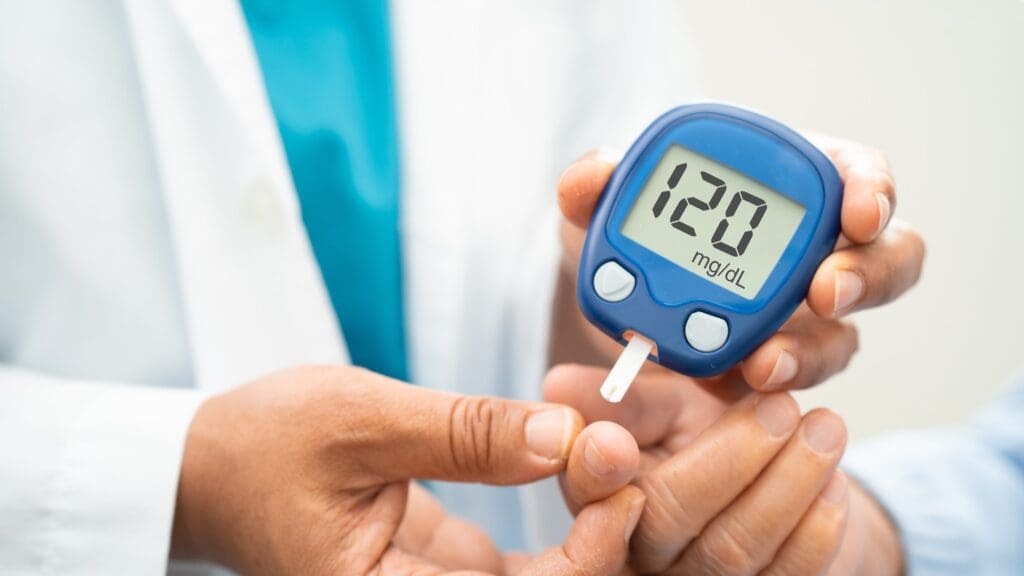
Managing type 1 diabetes today involves a mix of strategies, mainly insulin therapy. Insulin has saved many lives, but it needs constant monitoring and adjusting. This can be hard to do.
A study in a top medical journal points out a big challenge. “Despite advanced insulin systems, many patients struggle to control their blood sugar.” This shows we need better, lasting treatments.
Limitations of Traditional Insulin Therapy
Insulin therapy has its downsides. It doesn’t fix the main problem of type 1 diabetes—when the body attacks its own insulin-making cells. So, patients must keep taking insulin shots or using pumps forever.
Constantly checking blood sugar and adjusting insulin doses can really affect a person’s life. There’s also a risk of low blood sugar and serious diabetes problems later on.
The Need for Alternative Treatment Approaches
We need new ways to treat type 1 diabetes because insulin therapy has its limits. Stem cell therapy is a promising area of research. It might help grow or replace damaged insulin-making cells in the pancreas.
Stem cell research for diabetes type 1 is getting more attention. Scientists are looking into how stem cells can help make insulin again. This could change how we manage type 1 diabetes, giving patients a better, lasting solution.
“Stem cell therapy represents a paradigm shift in the treatment of type 1 diabetes, promising a cure, not just management.”
Understanding Stem Cell Therapy for Type 1 Diabetes
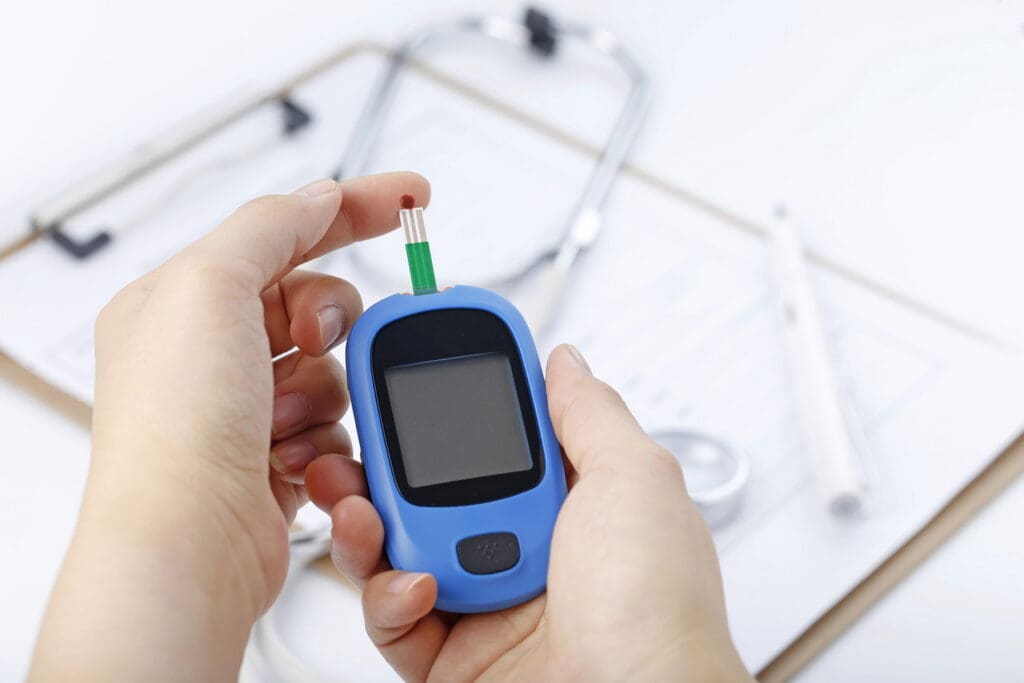
Stem cell therapy for type 1 diabetes is a new way to treat the disease. It aims to grow or replace the insulin-making cells lost in type 1 diabetes. This method could fix the disease at its source, not just treat its symptoms.
We are close to a big breakthrough in treating type 1 diabetes with stem cells. Stem cells can turn into different types of cells, including insulin-making beta cells. This makes them very promising for this use.
How Stem Cells Can Address the Root Cause of Type 1 Diabetes
Type 1 diabetes happens when the body attacks and destroys insulin-making cells in the pancreas. Stem cells could be a solution by turning into insulin-making cells. This could fix the disease at its core.
The process involves turning stem cells into working beta cells that make insulin when needed. This could help control blood sugar levels and reduce the need for insulin shots.
Types of Stem Cells Used in Diabetes Treatment
Many types of stem cells are being studied for treating type 1 diabetes. These include embryonic stem cells, induced pluripotent stem cells (iPSCs), and adult stem cells. Each has its own advantages and challenges.
| Type of Stem Cell | Benefits | Limitations |
|---|---|---|
| Embryonic Stem Cells | High differentiation ability | Ethical issues, risk of tumors |
| Induced Pluripotent Stem Cells (iPSCs) | Match the patient, lower immune rejection | Complex to make, genetic risks |
| Adult Stem Cells | Easier to get, lower tumor risk | Less versatile than embryonic stem cells |
Knowing about the different stem cells and their uses is key to improving stem cell therapy for type 1 diabetes. Scientists are working hard to make this treatment safe and effective.
Major Breakthroughs in Stem Cell Research for Diabetes Type 1
Recent years have seen big steps forward in stem cell research. This gives new hope for treating type 1 diabetes. These advances are changing how we see the disease and opening new ways to treat it.
Patient-Derived Pluripotent Stem Cell Advances
One exciting area is using patient-derived pluripotent stem cells. These cells can turn into different types of cells, like insulin-making beta cells. This means treatments could be made just for each patient, avoiding immune problems.
Induced pluripotent stem cells (iPSCs) are also showing great promise. They are made by changing adult cells back into a stem cell state. This lets researchers create cells just for each patient, helping to test new treatments.
Stem Cell-Derived Islet Cell Implants
Another big step is creating islet cell implants from stem cells. These implants put working islet cells into patients to help them make insulin again. Researchers have made good progress in making these cells work right, which could cure type 1 diabetes.
Tests with these implants have shown good results. Some patients have even stopped needing insulin. A recent report says the regenerative therapies market is growing. This growth is partly because of new stem cell treatments for diabetes.
Immunomodulatory Approaches
Immunomodulatory research is also key in type 1 diabetes. It tries to change how the immune system reacts to avoid attacking insulin-making cells. By using stem cells, researchers aim to keep or bring back beta-cell function in type 1 diabetes patients.
Many clinical trials are looking into immunomodulatory stem cell therapies. They are trying different ways, like using mesenchymal stem cells to calm the immune system and help it accept beta cells.
Stem Cell Therapy for Type 1 Diabetes Success Rate: Latest Data
Research is making stem cell therapy for type 1 diabetes clearer. Clinical trials have shown its effectiveness.
Clinical Trial Outcomes and Success Metrics
Trials have shown mixed results for stem cell therapy in type 1 diabetes. Some studies found better blood sugar control and less need for insulin. Success is measured by insulin independence, better HbA1c levels, and fewer severe low blood sugar events.
A study in a top medical journal found 45% of participants became insulin-independent after a year. Another trial saw big improvements in blood sugar control and lower insulin needs.
Factors Influencing Treatment Success
Many things affect how well stem cell therapy works for type 1 diabetes. These include the stem cells used, how they are delivered, and the patient’s age and disease length. Immunosuppressive therapy also plays a role in preventing cell rejection.
We’ve found important factors for successful treatment, listed in the table below:
| Factor | Description | Impact on Success |
|---|---|---|
| Type of Stem Cells | Different types of stem cells, such as autologous or allogeneic, may be used. | Significant impact on treatment outcome |
| Method of Cell Delivery | The route of administration, such as intravenous or intraportal, can affect cell survival and function. | Moderate impact on treatment outcome |
| Patient Characteristics | Age, disease duration, and other patient factors can influence treatment response. | Significant impact on treatment outcome |
Sustained Insulin Independence Results
One key benefit of stem cell therapy for type 1 diabetes is the chance for long-term insulin independence. Some patients can keep their blood sugar normal without insulin, at least for a while.
A study found 25% of participants stayed insulin-independent for two years. These results are hopeful and show stem cell therapy could be a good option for some.
Promising Clinical Trials and Treatment Candidates
The field of stem cell therapy for type 1 diabetes is growing fast. Many clinical trials and treatment candidates are showing promise. It’s important to look at the current trials and the most promising treatments.
VX-880: Progress and Results
VX-880 is a leading treatment in type 1 diabetes trials. It uses stem cell-derived islet cells to help patients make insulin again. Recent trials show great promise, with many patients seeing better blood sugar control and needing less insulin.
We’re excited about VX-880’s progress. It shows stem cell therapy could change how we treat type 1 diabetes. For more on stem cell therapy, visit https://int.livhospital.com/stem-cell-therapy/.
VC-01 and Other Leading Candidates
Other promising treatments, like VC-01, are also being developed. These therapies aim to fix the root causes of type 1 diabetes. VC-01 uses stem cell-derived islet cells in a special device to protect them from the immune system.
Here’s a comparison of these top candidates:
| Treatment Candidate | Mechanism of Action | Clinical Trial Status |
|---|---|---|
| VX-880 | Stem cell-derived islet cells | Phase I/II |
| VC-01 | Encapsulated stem cell-derived islet cells | Phase I |
| Other Candidates | Varies (immunomodulatory, gene editing) | Varies (Phase I/II) |
Phase I-II Trial Outcomes and Limitations
Phase I-II trials for stem cell therapy in type 1 diabetes have shown good results. Many patients have better blood sugar control and need less insulin. But, these trials have some limits, like small sample sizes and varied patient responses.
We need to work on these issues to fully understand stem cell therapy for type 1 diabetes. By doing so, we can make these treatments even better and help patients all over the world.
Autologous vs. Allogeneic Stem Cell Approaches
The field of stem cell therapy for type 1 diabetes is growing. There are two main ways: using a patient’s own cells (autologous) and using donor cells (allogeneic). We’ll look at the good and bad of each and where they’re being used now.
Using Patient’s Own Cells to Avoid Immunosuppression
Autologous stem cell therapy uses a patient’s own stem cells. This might mean less need for drugs that weaken the immune system. It could also lower the chance of the body rejecting the treatment.
Benefits of Autologous Stem Cell Therapy:
- Reduced risk of immune rejection
- Lower need for immunosuppressive drugs
- Potential for more personalized treatment
Benefits and Limitations of Each Approach
Both autologous and allogeneic stem cell therapies have their ups and downs. Allogeneic uses donor cells, which could be cheaper and easier to get. But, it might need drugs to stop the body from rejecting it.
| Approach | Benefits | Limitations |
|---|---|---|
| Autologous | Personalized treatment, reduced immune rejection | Higher cost, complex procedure |
| Allogeneic | Off-the-shelf availability, potentially lower cost | Risk of immune rejection, need for immunosuppression |
Current Clinical Applications
Both autologous and allogeneic stem cell therapies are being tested in type 1 diabetes trials. Autologous methods aim to fix pancreatic cells. Allogeneic methods are being looked at for easy-to-get treatments.
We’re learning a lot about how to make these therapies better for patients. As we keep researching, we hope to find more effective and easier-to-get treatments for type 1 diabetes.
Patient Outcomes: Glycemic Control and Quality of Life
Stem cell therapy is changing how we treat type 1 diabetes. It helps patients control their blood sugar better and feel better overall. Many patients see their blood sugar levels improve and face fewer diabetes problems.
Duration of Insulin Independence
Stem cell therapy can help patients use insulin for longer. Clinical trials have shown that some patients can go years without needing insulin. How long depends on the type of stem cells and how well the body accepts them.
HbA1c Level Improvements
Keeping blood sugar in check is key for type 1 diabetes patients. Stem cell therapy has been shown to lower HbA1c levels. This means better blood sugar control and less risk of diabetes problems.
Reduction in Diabetes Complications
Diabetes can lead to serious health issues like kidney, eye, and nerve damage. Stem cell therapy helps control blood sugar, reducing these risks. Research has demonstrated that it can lower the chance of these complications, making life better for patients.
As we keep improving stem cell research for type 1 diabetes, patient results will likely get even better. The hope is that stem cell therapy could one day be a stem cell cure for type 1 diabetes. The early results are very encouraging.
Stem Cell Treatment for Diabetes Type 1 Cost Analysis
Stem cell therapy for type 1 diabetes is growing, and so is the need to know the costs. Many patients worry about the money needed for this treatment.
Price Range for Different Treatment Approaches
The cost of stem cell treatment for type 1 diabetes varies a lot. It can be anywhere from $30,000 to over $100,000 per session. This wide range depends on several things.
Key factors affecting the cost include:
- The specific type of stem cells used (e.g., autologous vs. allogeneic)
- The number of treatment sessions required
- The need for additional therapies or medications
- The expertise and reputation of the treatment center
Factors Affecting Treatment Costs
Many things can change the cost of stem cell therapy for type 1 diabetes. These include:
The type of stem cell therapy matters a lot. Some treatments are more complex and expensive. For example, autologous stem cell therapy, which uses a patient’s own cells, can be pricier because it’s tailored to each person.
Where you get the treatment also affects the cost. Clinics in big cities or with a strong reputation might charge more.
Insurance Coverage Status and Patient Assistance Programs
Stem cell therapy for type 1 diabetes is often seen as experimental. This can make it hard to get insurance to cover it. Many insurance plans don’t pay for it, so patients have to pay themselves.
But, some clinics and research places offer help to make treatment more affordable. They might have financing plans, grants, or other support.
We suggest talking to your healthcare provider about your insurance and any help programs. This way, you can understand the financial side of your treatment choices better.
Accessibility and Patient Selection Criteria
Stem cell therapy is seen as a new hope for type 1 diabetes. But, getting access to these treatments is a big issue. The availability of these therapies varies a lot, mainly in the United States.
Geographic Availability in the United States
In the U.S., stem cell therapy for type 1 diabetes is being tested in many clinical trials. Big cities with top medical research centers are leading these efforts. People living in cities might find it easier to join clinical trials than those in rural areas.
Clinical Trial Enrollment Opportunities
Clinical trials are key for developing and making stem cell therapies available. To join these trials, patients must fit certain criteria. Things like age, how long they’ve had diabetes, and their health are looked at.
We suggest patients look into clinical trials through trusted sources. They should also talk to their doctors about possible chances to join.
Ideal Candidates for Current Therapies
The criteria for who can get stem cell therapy for type 1 diabetes are changing. Right now, the best candidates usually have diabetes for a while and don’t respond well to insulin. Some trials might not accept people with health issues or those on certain medicines.
As stem cell therapy gets better, we hope more people with type 1 diabetes will be able to get it. This could mean more people can benefit from these treatments.
Future Directions: Innovations on the Horizon
The future of treating Type 1 Diabetes with stem cells looks bright. New technologies and approaches are showing great promise. They could change how we manage this chronic condition.
Encapsulation Technologies to Protect Transplanted Cells
One big challenge is keeping transplanted cells safe from the immune system. Encapsulation technologies aim to solve this. They wrap stem cells in a material that lets in oxygen, nutrients, and insulin, but keeps out immune cells.
Scientists are working on making these devices better and safer. They want them to last a long time. This could make stem cell transplants much more effective for Type 1 Diabetes patients.
Gene Editing Approaches
Gene editing, like CRISPR/Cas9, is opening new doors for treating Type 1 Diabetes. It lets scientists change genes to make stem cells immune-resistant. This could lead to a cure by fixing the disease’s root cause.
Early tests have shown great promise. Gene-edited stem cells seem to work better and last longer in lab models. While more research is needed, gene editing is a major breakthrough in Type 1 Diabetes treatment.
Combination Therapies for Enhanced Efficacy
Researchers are also exploring combining stem cell therapy with other treatments. Combination therapies might include adding immunomodulatory drugs or pairing stem cells with islet cell transplants.
| Innovation | Description | Potential Benefit |
|---|---|---|
| Encapsulation Technologies | Protective materials around stem cells to shield from immune system | Improved transplant survival and function |
| Gene Editing Approaches | Editing genes to make stem cells resistant to autoimmune destruction | Potential cure by addressing the root cause |
| Combination Therapies | Pairing stem cell therapy with other treatments | Enhanced efficacy and improved patient outcomes |
As these innovations grow, we can expect big changes in Type 1 Diabetes treatment. The future of stem cell therapy is exciting. It could change how we manage and possibly cure this condition.
Conclusion: The Promise and Reality of Stem Cell Therapy for Type 1 Diabetes
Stem cell therapy could change how we treat type 1 diabetes. We’ve seen big steps forward in research. Many ways are being tried to find a cure.
The results from stem cell therapy trials are looking good. Some patients are now making their own insulin again. This shows the therapy’s promise.
New ideas like encapsulation and gene editing might make therapy even better. More research could lead to better treatments and maybe even a cure.
Despite the hurdles, the progress in stem cell therapy is exciting. It shows what medical science can do. We’re all in this to help find new ways to help type 1 diabetes patients.
What is stem cell therapy for type 1 diabetes?
Stem cell therapy for type 1 diabetes uses stem cells to treat the disease. It aims to help the body make insulin on its own. This can lead to better blood sugar control.
How does stem cell therapy work for type 1 diabetes?
This therapy uses stem cells to fix or replace damaged cells in the pancreas. This can help the body produce insulin again. It also helps control blood sugar levels.
What are the different types of stem cells used in diabetes treatment?
There are two main types of stem cells used in diabetes treatment. Autologous stem cells come from the patient themselves. Allogeneic stem cells come from donors. Each type has its own benefits and challenges.
What is the success rate of stem cell therapy for type 1 diabetes?
The success rate of stem cell therapy for type 1 diabetes varies. It depends on the treatment and the results of clinical trials. Some studies show promising results, like helping patients stay insulin-free for a long time.
How much does stem cell treatment for type 1 diabetes cost?
The cost of stem cell treatment for type 1 diabetes can be high. It ranges from ,000 to over 0,000. The cost depends on the treatment, where it’s done, and other factors.
Is stem cell therapy for type 1 diabetes covered by insurance?
Insurance coverage for stem cell therapy for type 1 diabetes varies. It depends on the insurance company and the treatment. Some programs help with the cost.
What are the possible benefits of stem cell therapy for type 1 diabetes?
The benefits of stem cell therapy for type 1 diabetes include better blood sugar control. It can also reduce the need for insulin. This can improve a person’s quality of life.
Are there any clinical trials for stem cell therapy in type 1 diabetes?
Yes, there are ongoing clinical trials for stem cell therapy in type 1 diabetes. Trials for VX-880 and VC-01 have shown promising results.
What are the future directions of stem cell therapy for type 1 diabetes?
Future directions include new technologies like encapsulation and gene editing. These aim to make treatments more effective and improve outcomes.
Can stem cells reverse type 1 diabetes?
Stem cell therapy shows promise in managing type 1 diabetes. It can improve blood sugar control and reduce insulin use. But, it’s not a guaranteed cure. More research is needed to fully understand its benefits.
What are the ideal candidates for current stem cell therapies?
Ideal candidates for stem cell therapies for type 1 diabetes have a confirmed diagnosis. They must meet specific health criteria and be willing to participate in trials or treatments under a healthcare professional’s guidance.
References
- National Center for Biotechnology Information (NCBI). From bench to bedside: future prospects in stem cell therapy for diabetes. https://pmc.ncbi.nlm.nih.gov/articles/PMC11734228/
- The Scientist. Cell therapy is poised for sweet victory in diabetes. https://www.the-scientist.com/cell-therapy-is-poised-for-sweet-victory-in-diabetes-72733
- National Center for Biotechnology Information (NCBI). Stem cell therapy for diabetes: Advances, prospects, and challenges. https://pmc.ncbi.nlm.nih.gov/articles/PMC12278097/
- Harvard Stem Cell Institute (HSCI). A new therapy for treating Type 1 diabetes. https://hsci.harvard.edu/news/new-therapy-treating-type-1-diabetes



 Departments
 Related Videos
 Our Doctors
 News
News