Stem cell therapy is seen as a groundbreaking medical treatment. It brings new hope to those with degenerative conditions.However, it’s important to consider the potential risks and complications
Stem cell therapy holds promise, but knowing its downsides is key. There are several adverse reactions and the chance of treatment outcomes not working as expected.
Key Takeaways
- Stem cell therapy may have risks and complications.
- Knowing the downsides is vital for making informed choices.
- Adverse reactions and ineffective treatment outcomes are possible.
- Patients should be aware of the downsides before starting therapy.
- More research is needed to fully grasp the risks.
The Science Behind Stem Cell Therapy
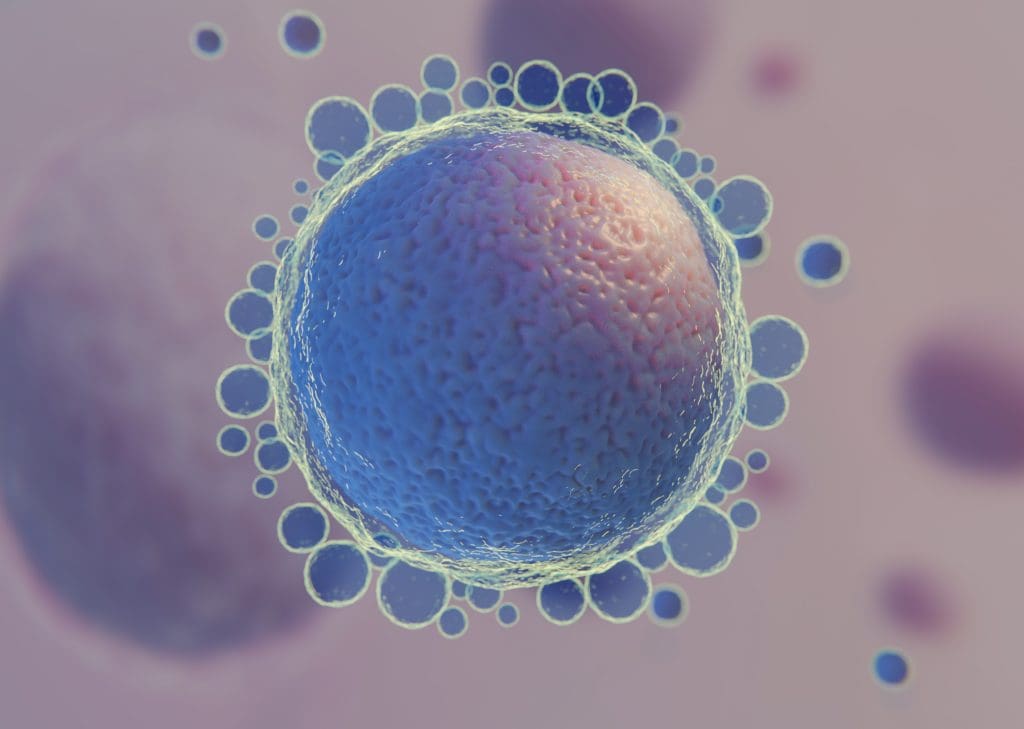
Stem cell therapy is based on the amazing ability of stem cells. These cells can turn into different types of cells. This makes them very useful for medical treatments.
What are stem cells and how do they function?
Stem cells can become specialized cells and make more stem cells. They are key in growth, fixing tissues, and regrowing them. There are two main kinds: embryonic and adult stem cells, each with its own uses.
Different types of stem cells used in treatments
There are many stem cells used in medicine, including:
- Embryonic Stem Cells: These come from embryos and can become any cell type.
- Adult Stem Cells: These are in adult bodies and can turn into a few types of cells.
- Induced Pluripotent Stem Cells (iPSCs): These are made from adult cells that are changed to have many abilities.
| Type of Stem Cell | Source | Potential |
| Embryonic Stem Cells | Embryos | Pluripotent |
| Adult Stem Cells | Adult Tissues | Multipotent |
| Induced Pluripotent Stem Cells (iPSCs) | Reprogrammed Adult Cells | Pluripotent |
FDA-approved vs. experimental applications
The FDA checks stem cell treatments to make sure they are safe and work well. Some treatments, like for blood disorders, are approved. But, many are being tested in trials. It’s important for patients to know if a treatment is approved or not.
Stem Cell Treatment Side Effects: An Overview
Stem cell therapy is becoming more popular. It’s key to know its possible side effects. Patients should be aware of immediate reactions, infection risks, and other complications.
Common Immediate Reactions
Reactions to stem cell therapy vary. They depend on the treatment and the patient. Common signs include redness, swelling, and pain at the injection site. Some might feel fever or fatigue.
Infection and Contamination Risks
There’s a risk of infection with stem cell therapy. This risk is lower if treatments are done in clean conditions. Patients should also follow care instructions after treatment.
Pain, Swelling, and Inflammation
Pain, swelling, and inflammation are common after treatment. These symptoms usually go away on their own. But, they can be helped with over-the-counter pain meds or other treatments from a doctor.
| Side Effect | Frequency | Management |
| Pain at injection site | Common | Over-the-counter pain medications |
| Swelling | Common | Cold compress, elevation |
| Infection | Rare | Antibiotics, proper wound care |
Knowing about these side effects is important. It helps patients make good choices about their treatment. Being informed about possible complications and how to manage them makes the journey smoother.
Short-Term Complications After Therapy
It’s important to know the possible short-term issues after stem cell therapy. This treatment has great promise for many health problems. But, patients need to be aware of the immediate dangers.
Immune System Responses and Rejection
The body’s immune system might react to the stem cells. This could cause rejection, where the immune system sees the stem cells as foreign and fights them. Immune suppression might be needed to lower this risk.
The table below shows the possible immune system reactions:
| Response Type | Description | Management Strategy |
| Acute Rejection | Immediate immune response against stem cells | Immune suppression medication |
| Graft-Versus-Host Disease | Donated stem cells attack the recipient’s body | Immunosuppressive therapy |
Bleeding Complications and Blood-Related Issues
Bleeding problems can happen, mainly if the stem cells are given by injection. Petechiae, small spots on the skin from bleeding, might show a low platelet count.
Site Reactions and Localized Tissue Damage
The area where stem cells are given can have reactions. These include pain, swelling, and inflammation. Good wound care and watching the area can help avoid these issues.
Knowing about these short-term problems is key for those thinking about stem cell therapy. It helps them make better choices and get ready for any side effects.
Long-Term Side Effects of Stem Cell Therapy
Stem cell therapy is growing, and knowing its long-term effects is key. It has shown promise in treating many health issues. Yet, it also has risks that may appear later.
Tumor and Cancer Formation Risks
One big worry with stem cell therapy is the chance of tumors or cancer. Stem cells, mainly the pluripotent ones, can turn into different cell types. This is good for fixing damaged cells but can also cause cells to grow too much. Studies show that stem cell treatments might lead to tumors in some cases.
“The risk of tumors is a big deal when we look at stem cell treatments,” a study in a top medical journal says. “We need more research to figure out why this happens and how to avoid it.”
Unexpected Cell Behavior and Differentiation
Another issue with stem cell therapy is when cells behave or change in ways we don’t expect. Stem cells might not turn into the cells we want them to. This can cause problems, from treatments not working to serious side effects.
- Unintended cell differentiation
- Cell migration to unintended locations
- Uncontrolled cell proliferation
Chronic Immune System Complications
Long-term stem cell therapy can also lead to chronic immune problems. Patients might have immune reactions against the stem cells. This can cause graft-versus-host disease (GVHD) or other immune issues. It’s important to manage these immune responses for stem cell treatments to work well in the long run.
In summary, stem cell therapy is promising but comes with long-term risks. Knowing these risks helps patients and doctors make better choices about treatment.
Risks Associated with Stem Cell Collection
Stem cell collection is a key part of stem cell therapy. It involves getting stem cells from different sources. Patients need to know about the risks involved.
Bone Marrow Extraction Complications
Bone marrow extraction is a common way to get stem cells. But, it has risks. Potential complications include pain, infection, and bleeding at the extraction site. Patients might also feel tired, bruised, or swollen.
Though rare, serious problems like nerve damage or a fracture at the site can happen.
Peripheral Blood Stem Cell Collection Side Effects
Peripheral blood stem cell collection uses drugs to release stem cells into the blood. Then, apheresis collects these cells. Common side effects include fatigue, bone pain, and headache from the drugs. The apheresis process can also cause problems like citrate toxicity, leading to numbness or tingling.
Adipose-Derived Stem Cell Harvesting Risks
Adipose-derived stem cell harvesting takes stem cells from fat tissue, usually through liposuction. Risks include infection, scarring, and damage to surrounding tissues. Patients might also feel pain, swelling, or bruising at the fat extraction site.
| Collection Method | Common Risks | Rare but Serious Risks |
| Bone Marrow Extraction | Pain, infection, bleeding | Nerve damage, fracture |
| Peripheral Blood Stem Cell Collection | Fatigue, bone pain, headache | Citrate toxicity, vein damage |
| Adipose-Derived Stem Cell Harvesting | Infection, scarring, pain | Damage to surrounding tissues |
It’s important for patients to know these risks before starting stem cell therapy. Talking to a healthcare provider about these risks is key to making a good decision.
Stem Cell Transplant Side Effects and Recovery Timeline
Recovering from a stem cell transplant is complex. Side effects can be different in severity and last for varying times. It’s important for patients and their caregivers to know about these effects and how long they might last.
The Critical First 100 Days Post-Transplant
The first 100 days after a transplant are very important. During this time, doctors watch for signs of the transplant working and for any problems. These can include infections, graft-versus-host disease (GVHD), and damage to organs.
Key challenges during this phase include:
- Managing pain and discomfort
- Preventing and treating infections
- Monitoring for GVHD
Graft-Versus-Host Disease Manifestations
Graft-versus-host disease is a big problem after some stem cell transplants. It happens when the donor’s immune cells attack the recipient’s body. GVHD can start right away or later, and its severity can vary.
Common manifestations include:
- Skin rash or lesions
- Liver dysfunction
- Gastrointestinal symptoms
Long-Term Recovery Challenges and Quality of Life
After the first 100 days, patients face more challenges that can affect their quality of life. These include chronic GVHD, a higher risk of infections, and possible damage to organs.
| Recovery Phase | Common Challenges | Interventions |
| 0-100 days | Infection, GVHD, organ toxicity | Antimicrobial prophylaxis, immunosuppression |
| 100 days – 1 year | Chronic GVHD, infection | Continued immunosuppression, supportive care |
| Beyond 1 year | Long-term organ damage, secondary cancers | Long-term follow-up, preventive measures |
Knowing about the recovery timeline and possible side effects of stem cell transplants is key. It helps manage patient expectations and can improve their outcomes.
Comparing Risks: Autologous vs. Allogeneic Therapies
Choosing between autologous and allogeneic stem cell therapy is important. Each has its own safety profile and risks. Autologous therapy uses a patient’s own cells, while allogeneic therapy uses donor cells. This difference affects the risks of each treatment.
Safety Profiles and Risk Comparison
Autologous stem cell therapy is safer than allogeneic therapy. It avoids the risk of graft-versus-host disease (GVHD). But, it’s not risk-free. Potential complications include contamination and cell function issues due to age or disease.
Allogeneic therapy, though, carries the risk of GVHD. This is a serious issue where donor cells attack the recipient’s body. Despite this risk, it’s more available and can be cheaper.
Unique Complications for Each Approach
Autologous therapy’s unique issues include reduced efficacy in patients with health problems. Allogeneic therapy faces the big challenge of GVHD. It requires careful donor choice and post-transplant care.
Patient-Specific Risk Factors and Considerations
Patient-specific factors are key in determining risks for both therapies. Age, health, and comorbidities greatly affect risks. For example, older patients face higher risks of infections and other side effects.
In summary, both autologous and allogeneic stem cell therapies have their own risks and benefits. It’s vital for patients and healthcare providers to understand these differences to make informed choices.
Unproven Stem Cell Treatments: Real Dangers
The rise of unproven stem cell treatments is a big worry in medicine. More patients are trying these therapies without checking if they’re safe. This makes the risks even higher.
Unregulated Clinics and Experimental Protocols
Many clinics that offer stem cell treatments don’t follow the rules. They use new methods that haven’t been tested. This is very risky for patients.
“The lack of regulation in stem cell therapies is a recipe for disaster. Patients need to be cautious and do their research before undergoing any treatment.”
Patient Experiences and Case Studies
Stem cell therapy seems promising, but it’s not all good. Patient experiences show both benefits and risks. These outcomes depend on the therapy type, the condition treated, and the treatment’s legal status.
Complications from Unregulated Therapies
Unregulated stem cell clinics have caused serious problems. For example, a study found patients lost their vision after getting stem cell treatments for macular degeneration.
Notable Cases:
- A woman in her 70s lost her vision after an unregulated stem cell treatment.
- A patient got a serious infection from an unapproved stem cell therapy.
Negative Outcomes from Legitimate Treatments
Even with regulated treatments, stem cell therapy can go wrong. Some patients get graft-versus-host disease (GVHD) after allogeneic stem cell transplants.
| Treatment Type | Potential Complication | Frequency |
| Allogeneic Stem Cell Transplant | Graft-Versus-Host Disease | Common |
| Autologous Stem Cell Therapy | Immune System Reactions | Less Common |
Lessons Learned from Patient Experiences
Looking at patient experiences helps us understand stem cell therapy’s risks and benefits. These insights guide better treatment plans and patient safety.
Healthcare providers can give better advice and improve results by learning from patient experiences. This knowledge is key to better care.
Ethical Concerns in Stem Cell Therapy
Ethical issues are key in stem cell therapy. As this area grows, we must tackle the moral and ethical challenges it brings.
Embryonic Stem Cell Controversies
The use of embryonic stem cells sparks a big debate. The main worry is the destruction of embryos, seen by some as taking a human life. Regulatory frameworks differ worldwide, with some places limiting the use of these cells for research or treatment.
Informed Consent Challenges in Experimental Treatments
Informed consent is a big ethical problem, mainly in new stem cell treatments. Patients need to know the risks, benefits, and unknowns of these therapies. It’s hard to make sure patients grasp the complex nature of these treatments, given their innovative and not fully established status.
Balancing Medical Innovation with Patient Safety
There’s a fine line between pushing medical progress and keeping patients safe. Stem cell therapy is promising but must be tested thoroughly and overseen ethically. Regulatory bodies are key in setting standards to handle the ethical sides of stem cell treatments.
The ethics of stem cell therapy are complex. We must weigh many factors to ensure progress is made responsibly and ethically.
The Regulatory Landscape for Stem Cell Treatments
It’s important to know the rules for stem cell treatments. These rules change a lot from one place to another. They affect how these treatments are used and approved.
FDA Oversight and Approval Processes
In the U.S., the FDA is key in checking stem cell treatments. They make sure these treatments are safe and work well. The FDA has strict rules for new treatments, including:
- Preclinical tests to check safety and effectiveness
- Submission of an IND application
- Clinical trials to see how safe and effective it is in people
- Submission of a BLA for final approval
The FDA also gives guidance on stem cell products. They explain the difference between minimally manipulated and more-than-minimally manipulated products.
International Regulatory Differences
Rules for stem cell treatments vary a lot around the world. For example:
| Country | Regulatory Body | Approval Process |
| United States | FDA | Rigorous preclinical and clinical testing |
| Japan | PMDA | Conditional approval for regenerative medicines |
| European Union | EMA | Centralized approval process for advanced therapies |
Identifying Legitimate Clinical Trials and Treatments
To stay safe, it’s key to find real clinical trials and treatments. Here’s how:
- Look if the treatment is in a registered trial on ClinicalTrials.gov
- Check if the doctors and researchers are qualified
- Make sure the treatment is approved by the right authority
Knowing these rules helps patients and doctors make smart choices about stem cell treatments.
Weighing Benefits Against Risks
Stem cell therapy has both benefits and risks. It’s important to understand these before deciding to try it. Knowing the good and bad sides is key.
Conditions Where Benefits May Outweigh Risks
For some diseases, stem cell therapy might be a better choice. People with Parkinson’s or severe injuries might see big improvements. It’s important to know which conditions it’s good for and check the patient’s health first.
| Condition | Potential Benefits | Associated Risks |
| Degenerative Diseases (e.g., Parkinson’s) | Potential regeneration of damaged cells, improvement in symptoms | Risk of tumor formation, immune rejection |
| Severe Injuries | Tissue repair, reduced inflammation | Infection, graft-versus-host disease |
When to Consider Alternative Treatments
At times, other treatments might be safer or work better than stem cells. Safe, proven treatments should be looked at first, for conditions where stem cells are new. Talking to a doctor about these options is a good idea.
Personalized Risk Assessment Factors
Every patient’s situation is different when it comes to stem cell therapy. Health, the condition, and the type of therapy all matter. Genetics and past treatments also play a part.
By looking at these factors and talking to a doctor, patients can decide if stem cell therapy is right for them.
Conclusion: Making Informed Decisions About Stem Cell Therapy
Stem cell therapy offers both hope and risks. To make smart choices, it’s key to understand its good and bad sides. Patients need to think about the benefits and the possible downsides.
Getting advice from skilled doctors is vital. They can guide you based on your health and needs. It’s also important to know all about the treatment’s risks and benefits.
Being well-informed and talking to your doctor can help you decide if stem cell therapy is for you. This way, you can enjoy its benefits while avoiding its risks.
FAQ
What factors should I consider when weighing the benefits and risks of stem cell therapy?
Consider your medical condition, treatment benefits, risks, and alternatives. A personalized risk assessment with a healthcare professional is essential.
How do autologous and allogeneic stem cell therapies differ in terms of risk?
Autologous therapies use a patient’s own cells, lowering immune rejection and graft-versus-host disease risks. Allogeneic therapies use donor cells and have different complications and risks.
Can I undergo stem cell therapy if I have a pre-existing medical condition?
Suitability depends on the condition, stem cell type, and overall health. Always consult a healthcare professional to assess risks and benefits.
What are the ethical concerns surrounding stem cell therapy?
Ethical issues include the use of embryonic stem cells, which destroy embryos. Ensuring informed consent in experimental treatments is also a concern. Balancing innovation with safety is key.
How do I identify legitimate clinical trials and treatments?
Look for FDA-approved treatments and clinical trials under qualified healthcare supervision. Check the FDA website and search for trials on ClinicalTrials.gov.
Are unregulated stem cell treatments safe?
No, unregulated treatments are dangerous. They may use experimental protocols and unsterile procedures. This can lead to serious harm, including infections and even death.
How long does it take to recover from a stem cell transplant?
Recovery time varies, but the first 100 days are key. Patients may face graft-versus-host disease, infections, and other issues. Long-term recovery can affect quality of life.
What are the risks associated with stem cell collection?
Risks include complications from bone marrow extraction and side effects of peripheral blood stem cell collection. Harvesting adipose-derived stem cells can also pose risks like pain, bleeding, and infection.
What are the common side effects of stem cell therapy?
Side effects include pain, swelling, and inflammation at the injection site. Infection and contamination risks are also possible. Some may experience immune system reactions, bleeding, and tissue damage.



 Departments
 Related Videos
 Our Doctors
 News
News