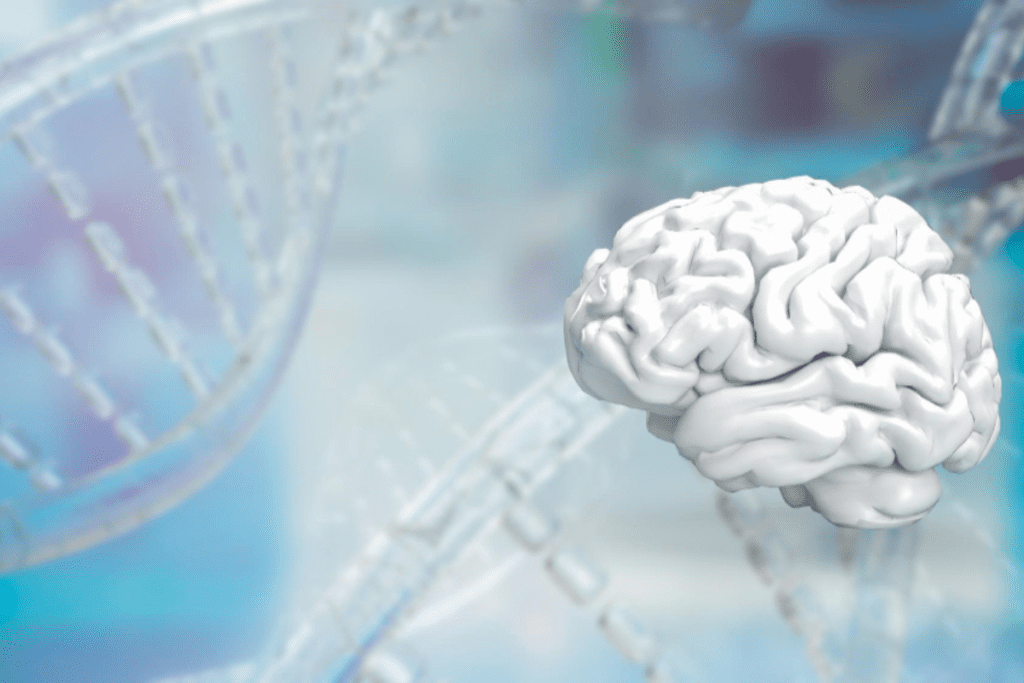
Multiple sclerosis (MS) is a chronic condition that harms the central nervous system. It damages the myelin sheath, the protective layer of nerve fibers. This damage messes up communication between the brain and the body. Recent studies have looked into stem cells as a way to fix the myelin sheath and treat MS.
Using stem cells for ms cure to repair or replace damaged myelin sheath is a hopeful area of research. If stem cells can regenerate the myelin sheath, they might help nerves work right again. This could lead to new ways to treat MS.
Key Takeaways
- Stem cells may help regenerate the myelin sheath damaged by MS.
- Research is ongoing to explore the potentials of stem cells in treating multiple sclerosis.
- Regenerating the myelin sheath could lead to improved nerve function and new MS treatments.
- The use of stem cells in MS treatment is a promising area of research.
- Further studies are needed to fully understand the benefits and risks of stem cell therapy for MS.
Understanding Multiple Sclerosis and the Myelin Sheath
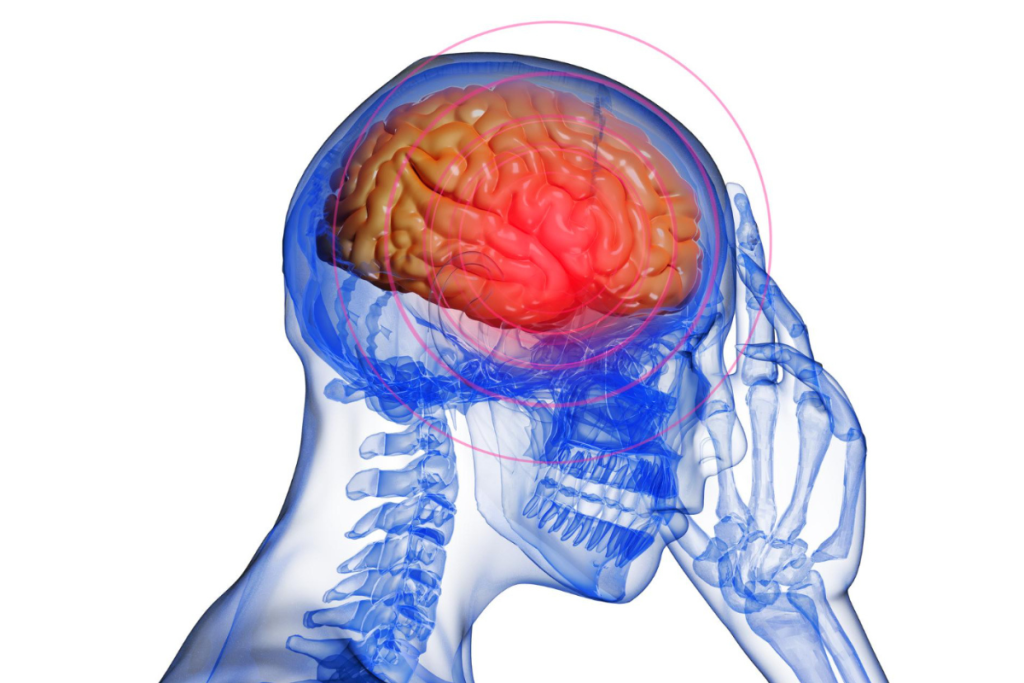
It’s key to understand how multiple sclerosis (MS) affects the myelin sheath. MS is a chronic disease that harms the central nervous system (CNS). This includes the brain, spinal cord, and optic nerves.
What is Multiple Sclerosis?
MS happens when the immune system attacks the myelin sheath. This damage stops nerve signals from flowing right. As a result, people with MS face many neurological symptoms.
MS symptoms vary a lot. Some people might feel numbness or tingling. Others might lose vision, have trouble with balance, or struggle with thinking.
The Role of Myelin in Nervous System Function
The myelin sheath is key for nerve signal transmission. It acts as an electrical insulator, speeding up signal flow. In a healthy system, myelin helps the brain and body communicate quickly and well.
“Myelin is essential for the proper functioning of the nervous system. It facilitates the rapid transmission of nerve impulses, which is critical for movement, sensation, and thinking.”
How MS Affects the Myelin Sheath

In MS, the immune system sees the myelin sheath as a threat. It attacks it, causing demyelination. This damage harms the myelin and the nerve fibers underneath, disrupting signal transmission.
MS’s impact on the myelin sheath is complex. It leads to various neurological symptoms. The damage’s extent can vary, affecting people differently.
The Process of Myelin Sheath Degeneration in MS
In multiple sclerosis (MS), the myelin sheath, key for nerve impulse transmission, breaks down. This breakdown hampers nerve signaling, causing various neurological symptoms.
Autoimmune Mechanisms in MS
The immune system is key in MS myelin sheath breakdown. Autoimmune responses happen when the immune system sees the myelin sheath as a threat. This leads to inflammation and damage, affecting nerve function.
- Activation of autoreactive T cells
- Infiltration of immune cells into the central nervous system
- Release of pro-inflammatory cytokines
These autoimmune actions are key to understanding MS myelin degeneration.
Progression of Myelin Degeneration
Myelin degeneration in MS progresses differently for everyone. Several factors affect this progression:
- The level of autoimmune activity
- The success of natural remyelination
- The presence of other health issues
As myelin degeneration gets worse, symptoms worsen, affecting MS patients’ quality of life.
Impact on Neurological Function
Myelin sheath breakdown significantly affects neurological function. Disrupted nerve signals cause symptoms like:
- Numbness or weakness in limbs
- Vision problems
- Difficulty with coordination and balance
Understanding how myelin breakdown affects nerves is vital for MS treatment.
Recent studies show aging can reduce the central nervous system’s repair ability. But, this can be reversed. This discovery offers new hope for treatments to help the nervous system repair myelin.
Can Myelin Be Repaired? Natural Regeneration Processes
The human body can fix damaged myelin sheaths. This is key for getting better from diseases like Multiple Sclerosis (MS). A natural repair called remyelination helps restore nerve function and might stop the disease from getting worse.
Natural Remyelination Capabilities
Remyelination is how the body fixes myelin damage. It keeps nerves working well and is vital for healing from demyelinating diseases and injuries. This happens through special cells called oligodendrocyte progenitor cells turning into mature oligodendrocytes that cover axons.
Remyelination is a complex process that needs teamwork from different cells in the brain and spinal cord. It’s affected by the extent of damage, the presence of inflammation, and the health of the nervous system.
Limitations of Natural Repair
Even though the body can remyelinate, it often doesn’t do a complete job in MS patients. Problems like chronic inflammation, axonal damage, and depletion of oligodendrocyte progenitor cells make it hard. This means the myelin sheath might not get fully fixed, causing ongoing nerve problems.
Why MS Progression Continues Despite Natural Repair
MS keeps getting worse, even with natural repair, because of ongoing attacks on myelin. Also, the body can only remyelinate so much in chronic disease. Over time, damage to axons can cause permanent nerve damage, making treatments that protect axons and promote remyelination very important.
Understanding the body’s natural remyelination process and its limitations is crucial for developing more effective treatments for MS. By enhancing the body’s ability to produce new myelin, we may achieve better outcomes for individuals with this serious condition.
Current Treatments for MS and Their Limitations
Even with progress in treating multiple sclerosis, current treatments have big challenges. They mainly help manage symptoms and slow the disease’s growth. But, they can’t fully fix myelin damage.
Disease-Modifying Therapies
Disease-modifying therapies (DMTs) are key in MS treatment. They aim to lessen relapse frequency and slow disease progression. Examples include:
- Interferons: These reduce relapse frequency.
- Glatiramer acetate: This drug reduces the frequency of relapses.
- Fingolimod: An oral drug that lowers relapse rate.
DMTs are effective but come with side effects. They might not work for everyone.
Symptomatic Treatments
Symptomatic treatments are also vital in MS care. They include:
- Muscle relaxants: For spasticity relief.
- Medications for fatigue: Like amantadine.
- Physical therapy helps maintain mobility and strength.
These treatments greatly improve MS patients’ lives. Yet, they don’t fix myelin damage.
Why Current Treatments Cannot Fully Repair Myelin
Current MS treatments manage symptoms and slow disease growth. But, they can’t fully repair the myelin sheath. This means patients face lifelong disabilities without a cure.
The need for new treatments is clear. Stem cell therapy, for example, might help fix MS’s root causes and repair damaged myelin.
Stem Cells for MS Cure: Research Landscape and Potential
Stem cells are getting a lot of attention for treating Multiple Sclerosis (MS). They might help fix the damaged myelin sheath in MS patients.
What Are Stem Cells?
Stem cells are unique cells capable of differentiating into various cell types and continually proliferating. They are key in fixing damaged tissues, which is why they’re being looked at for MS treatment.
Types of Stem Cells Relevant to MS
A few stem cell types are being studied for MS treatment:
- Mesenchymal Stem Cells (MSCs): They help reduce inflammation and aid in tissue repair.
- Stem cells are unique cells capable of differentiating into various cell types and continually proliferating.
- Induced Pluripotent Stem Cells (iPSCs): Made from adult cells, they can become many cell types, including those affected by MS.
Stem cells are unique cells capable of differentiating into various cell types and continually proliferating.
How Stem Cells May Address Root Causes of MS
Stem cells could tackle MS by:
- Regenerating the myelin sheath: By turning into oligodendrocytes, stem cells might fix the myelin damage in MS.
- Modulating the immune system: Some stem cells, like MSCs, can calm down the immune system. This could stop it from attacking the myelin sheath.
- Promoting tissue repair: Stem cells can help fix damaged neural tissue. This might improve how well the nervous system works.
Using stem cells for MS treatment is a hopeful area of research. It could help us better understand and fight this complex disease.
Can the Myelin Sheath Be Regenerated? Scientific Evidence
Scientists are deeply interested in whether the myelin sheath can be regrown. This is key in Multiple Sclerosis (MS) research. New hope comes from stem cell therapy.
Regenerating the myelin sheath is vital for MS patients to regain their nerve function. Lab tests, animal studies, and early human trials show great promise.
Laboratory Evidence of Remyelination
Stem cells are unique cells capable of differentiating into various cell types and continually proliferating.
“In a proof-of-principle study published in the journal Cell Stem Cell, the researchers report that defects in the regeneration of the myelin sheaths surrounding nerves, which are lost in diseases such as MS, may be at least partially corrected after exposing an old animal to the circulatory system of a young animal.”
Animal Studies on Myelin Regeneration
Animal studies have shed light on how myelin can be regrown. Mice with damaged myelin showed improvement after stem cell treatment. This led to better nerve function.
Early Human Evidence of Repair
Human trials are just starting, but they’re showing promise. Early results suggest stem cell therapy is safe and might help MS patients. More research is needed to confirm these findings.
The current research suggests myelin sheath regeneration is a promising field. It could lead to new treatments for MS and other diseases.
Types of Stem Cells Being Investigated for Myelin Sheath Regeneration
Stem cells are being studied for their ability to repair the myelin sheath. Researchers are looking at different types of stem cells to see if they can fix damaged myelin.
Stem cells are unique cells capable of differentiating into various cell types and continually proliferating.
Stem cells are unique cells capable of differentiating into various cell types and continually proliferating.
- Immunomodulatory effects
- Ability to differentiate into various cell types
- Potential for tissue repair
Stem cells are unique cells capable of differentiating into various cell types and continually proliferating.
Stem cells are unique cells capable of differentiating into various cell types and continually proliferating.
In summary, many types of stem cells are being studied for their ability to fix the myelin sheath. Each type has its own benefits and challenges. Researchers are working hard to find the best way to treat multiple sclerosis.
Treating MS with Stem Cells: Clinical Trials and Protocols
Stem cell research has made big strides in treating multiple sclerosis (MS). The medical world is excited about new therapies. Stem cell treatment is seen as a hopeful way to tackle MS’s challenges.
Current Clinical Trials for Stem Cell Therapy in MS
Stem cells are unique cells capable of differentiating into various cell types and continually proliferating.
Stem cells are unique cells capable of differentiating into various cell types and continually proliferating.
Autologous vs. Allogeneic Transplantation
Choosing between autologous and allogeneic stem cell transplantation is key in MS treatment. Autologous uses the patient’s own stem cells, lowering the risk of immune rejection. Allogeneic uses donor stem cells, which might be available quickly but could lead to graft-versus-host disease.
Administration Methods and Treatment Protocols
Stem cells are unique cells capable of differentiating into various cell types and continually proliferating.
Measuring Treatment Success
Evaluating the effectiveness of stem cell therapy in MS patients is complex. It involves clinical checks, MRI scans, and patient feedback. The main goals are to assess patients’ mobility, frequency of relapses, and overall quality of life.
Long-term follow-up is key to seeing how well the treatment lasts and if there are any late side effects. As more trial data comes in, it will help make treatment plans better. This will lead to more effective stem cell therapies for MS.
Challenges and Limitations in Myelin Regeneration Therapy
Trying to regrow the myelin sheath is very hard. Although stem cell therapy for multiple sclerosis (MS) shows promise, significant hurdles remain to be overcome. These hurdles are important for making sure the treatment is safe and works well.
Safety Concerns and Side Effects
Stem cell therapy might cause bad side effects. These can be anything from small issues at the injection site to serious problems like immune system reactions or uncontrolled cell growth. Keeping patients safe during this treatment is a top priority.
Efficacy Challenges
Getting stem cell therapy to work well for everyone is a big challenge. The success of the treatment can change a lot from person to person. This depends on how bad the MS is, the type of stem cells used, and how they are given. Scientists are trying to make the treatment more consistent and effective.
Regulatory and Ethical Considerations
Using stem cells for treatment is closely monitored and must adhere to strict regulations. It’s also important to think about the ethics of where the stem cells come from. These steps are key to moving forward with myelin regeneration therapy.
Cost and Accessibility Issues
Another big problem is how expensive and hard to get stem cell therapy is. Right now, it can cost a lot and insurance might not cover it. Making the treatment cheaper and more available is vital for its success.
In summary, myelin regeneration therapy is very promising for treating MS. But, we must tackle the challenges and limitations first. By focusing on safety, making sure it works, following the rules, and making it affordable, we can help make this therapy a real option for patients.
Is MS Reversible? Patient Experiences and Outcomes
Research into stem cell treatments for MS is growing. Patient experiences and outcomes are showing new insights. This is a hopeful sign for those with MS.
Case Studies of Stem Cell Treatment
Many case studies show the good effects of stem cell therapy on MS patients. For example, a study in a medical journal told of a patient who got better after treatment.
Key findings from recent case studies include:
- Improved motor function in patients with advanced MS
- Reduction in relapse rates among treated patients
- Enhanced quality of life due to decreased symptom severity
Reported Improvements in Symptoms
Patients with MS who got stem cell therapy saw many improvements. These include:
| Symptom | Reported Improvement |
| Motor Function | Enhanced mobility and strength |
| Fatigue | Reduced levels of fatigue |
| Cognitive Function | Improved concentration and memory |
Long-term Outcomes and Relapse Rates
Long-term data on stem cell treatment for MS is key. It shows the therapy’s lasting benefits. Early signs suggest fewer relapses after treatment.
A notable study found that:
“The use of stem cell therapy in MS patients resulted in a substantial reduction in relapse rates over a two-year follow-up period.”
Quality of Life Considerations
The effect of stem cell therapy on MS patients’ quality of life is huge. It can make symptoms less severe and less frequent. This leads to a better life for patients.
As we learn more about stem cell therapy for MS, patient stories and results are vital. They help shape treatments and give hope to those with MS.
Conclusion: The Future of Stem Cell Therapy for Myelin Regeneration
Stem cell therapy might help treat Multiple Sclerosis by regrowing the myelin sheath. Studies show that this method can work, using the body’s own stem cells to repair myelin, regardless of age.
Researchers are looking into stem cell therapy to tackle MS at its source. They aim to grow new myelin and prevent the disease from worsening. Clinical trials are underway to test different stem cells, like mesenchymal and oligodendrocyte progenitor cells, for their ability to repair myelin.
The outlook for stem cell therapy in treating MS is bright. It could lead to better lives for patients. As scientists continue their research, we’ll see new treatments emerge. This brings us closer to finding a cure for this serious disease.
FAQ
What is multiple sclerosis, and how does it affect the myelin sheath?
Multiple sclerosis is a chronic disease where the immune system attacks the myelin sheath. This sheath protects nerve fibers. It disrupts communication between the brain and the body.
Can the myelin sheath be repaired or regenerated?
Stem cells are unique cells capable of differentiating into various cell types and continually proliferating.
What are stem cells, and how can they be used to treat multiple sclerosis?
Stem cells are unique cells capable of differentiating into various cell types and continually proliferating
What types of stem cells are being investigated for myelin sheath regeneration?
Researchers are looking at different stem cells. These include mesenchymal stem cells, neural stem cells, induced pluripotent stem cells, and oligodendrocyte progenitor cells. They hope these can help regenerate the myelin sheath.
Are there any current treatments that can fully repair myelin damage in MS?
Right now, there’s no treatment that fully repairs myelin damage in MS. But, there are treatments that can manage the disease. Researchers are also exploring stem cell therapy as a possible option.
Is MS reversible, and can stem cell therapy help reverse the disease?
MS is a chronic and complex disease. But, some patients have seen symptom improvements after stem cell treatment. Researchers are looking into how stem cells might reverse or stop the disease’s progression.
What are the challenges and limitations of using stem cells to treat MS?
Using stem cells to treat MS comes with challenges. These include safety concerns, questions about how well they work, and ethical and regulatory issues. There are also cost and accessibility problems. Researchers and doctors are working to overcome these hurdles.
Can myelin regenerate naturally, and what are the limitations of natural repair?
Yes, myelin can regenerate naturally through remyelination. But, this process has its limits. MS can keep progressing even with natural repair. This shows the need for other treatments, like stem cell therapy.
References
Burt, R. K., Balabanov, R., Han, X., Lytle, K., Kappos, L., & Openshaw, H. (2019). Autologous non-myeloablative hematopoietic stem cell transplantation (HSCT) in multiple sclerosis: The rationale for and evidence from a multicenter, randomized trial. Multiple Sclerosis and Related Disorders, 36, 101416.