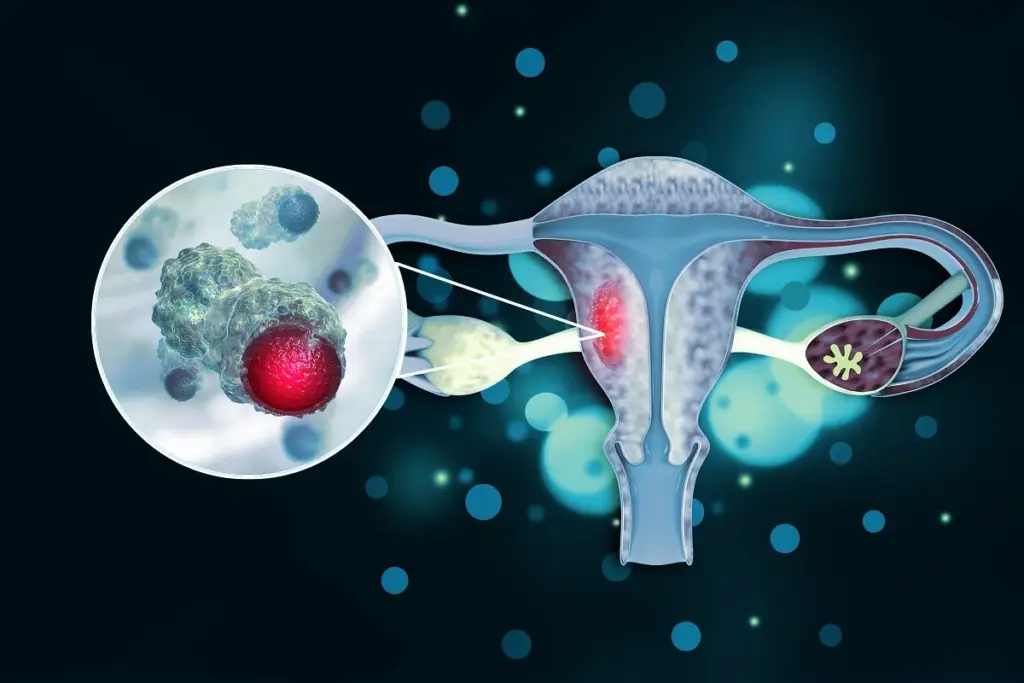
Stage 1 ovarian cancer is often hard to notice. Most women say they feel only a little pain or nothing at all. Research shows that only 17-20% of ovarian cancer cases are caught early.
In 2020, there were 313,959 new cases of ovarian cancer worldwide. This makes up 3.4% of cancers in women. Finding ovarian cancer early is tough because its signs can look like other common issues.
Knowing the early signs is key to catching and treating ovarian cancer early. We’ll look into what it’s like to live with stage 1 ovarian cancer, based on expert data and research.
Early detection is vital. Learn the symptoms of ovarian cancer in stage 1 and what the internal sensations feel like for most women.
Key Takeaways
- Stage 1 ovarian cancer often presents with mild or no symptoms.
- Early detection is challenging due to non-specific signs.
- Awareness of ovarian cancer indicators is key for better treatment chances.
- Only about 17-20% of ovarian cancer cases are detected at Stage 1.
- Ovarian cancer makes up 3.4% of cancers in women worldwide.
Understanding Stage 1 Ovarian Cancer
<image2>

Ovarian cancer diagnosed at Stage 1 has a better outlook. This is because it hasn’t spread much. It’s mainly in the ovaries or fallopian tubes. Knowing about Stage 1 ovarian cancer helps doctors and patients make the right choices.
Definition and Classification of Stage 1 Ovarian Cancer
Stage 1 ovarian cancer is found only in the ovaries or fallopian tubes. It’s split into parts based on where it is and if it’s in one or both ovaries. This helps doctors figure out the best treatment.
How Stage 1 Differs from Later Stages
The main difference between Stage 1 and later stages is how far the cancer has spread. Stage 1 cancer is local, while later stages spread to other parts of the pelvis or beyond. This affects treatment choices and how well patients do.
Ovarian Cancer Statistics in the United States
In the United States, the five-year survival rate for Stage 1 ovarian cancer is high, at 93%. This shows how important catching it early is. It’s also important to remember that cancer risk is the same for all ages, not just older people.
The Challenge of Early Detection
<image3>

Finding ovarian cancer early is hard because its symptoms are not clear. Even with new medical tools, catching ovarian cancer in Stage 1 is tough. This is because its symptoms are vague and can be mistaken for other common issues.
Why Only 17-20% of Cases Are Detected at Stage 1
There are several reasons why early detection is rare. A big problem is the lack of a good screening test for ovarian cancer. Unlike other cancers, there’s no single test that can spot ovarian cancer early. This means many cases are found too late.
The Silent Nature of Early Ovarian Cancer
Ovarian cancer is called a “silent killer” because it often doesn’t show symptoms until it’s too late. Early ovarian cancer usually doesn’t have clear symptoms. This makes it hard for women to know they have it.
The Importance of Awareness for Early Diagnosis
It’s key to spread the word about ovarian cancer signs and symptoms. Research shows that knowing these symptoms helps women get help sooner. For example, a study found women recognized about 6 symptoms out of a list. But they were less likely to notice symptoms like trouble eating or feeling always full.
By boosting ovarian cancer awareness, we might catch more cases early. It’s vital for women to know the possible signs of ovarian cancer. This helps them get diagnosed and treated sooner.
Common Symptoms of Ovarian Cancer at Stage 1
Knowing the symptoms of Stage 1 ovarian cancer can help a lot. The disease often doesn’t show signs early on. But, some small physical feelings and warning signs can hint at its presence.
Subtle Physical Sensations
At Stage 1, ovarian cancer might cause discomfort or pain in the pelvic or belly area. These feelings can be quite subtle.
Easily Overlooked Warning Signs
There are warning signs for ovarian cancer that people often miss. These include:
- Persistent bloating: Feeling full or swollen in the belly that lasts a long time.
- Pelvic and abdominal pain: Pain or discomfort in the pelvic or belly area, from mild to severe.
- Urinary urgency and frequency: Needing to pee more often or feeling a sudden, urgent need to pee.
- Early satiety: Feeling full quickly when eating, leading to eating less and possibly losing weight.
Persistent Bloating
Persistent bloating is a common symptom of ovarian cancer. It’s a feeling of fullness or swelling in the belly. This symptom can be mistaken for other, less serious issues, so it’s important to watch for any changes.
Pelvic and Abdominal Pain
Pelvic and abdominal pain are symptoms that need attention. The pain can be constant or come and go, and its intensity can vary.
Urinary Urgency and Frequency
Urinary urgency and frequency can really disrupt daily life. These symptoms happen when the cancer affects the tissues and organs around it, changing how you pee.
Early Satiety (Feeling Full Quickly)
Feeling full quickly after starting to eat is known as early satiety. This can lead to eating less and losing weight unintentionally.
First-Person Accounts: “My First Symptoms of Ovarian Cancer”
Listening to people who have had ovarian cancer can offer valuable insights. Many women say their first symptoms were small and thought to be caused by other things.
|
Symptom |
Description |
Common Misattributions |
|---|---|---|
|
Persistent Bloating |
Feeling of fullness or swelling in the abdomen |
Digestive issues, PMS |
|
Pelvic/Abdominal Pain |
Pain or discomfort in the pelvic or abdominal area |
Menstrual cramps, IBS |
|
Urinary Urgency/Frequency |
Frequent or urgent need to urinate |
UTI, overactive bladder |
|
Early Satiety |
Feeling full quickly when eating |
Gastritis, stress |
Understanding these symptoms and their possible meanings is key for early detection and managing ovarian cancer effectively.
Understanding Ovarian Pain Patterns
It’s key to spot ovarian pain early to catch ovarian cancer. Ovarian pain shows up in many ways. Knowing these patterns helps figure out what’s wrong.
Localized Pain: Left Ovary Tenderness vs. Right Ovary Pain
Ovarian pain can focus on one ovary, leading to left ovary tenderness or right ovary pain. The pain’s location doesn’t always show the cause. Yet, knowing where the pain is can help find the problem.
Differentiating Between Acute and Chronic Ovarian Pain
Ovarian pain can be sudden and severe, or it can last a long time. Acute ovarian pain hits fast and hard, needing quick medical help. Chronic ovarian pain lasts longer and might mean a long-term issue. Telling these apart is key for the right treatment.
When Ovary Aches May Signal Cancer vs. Other Conditions
Ovarian pain can mean cancer, but it also points to other issues like cysts or pelvic disease. Knowing the pain’s nature and other symptoms is important. For example, pain with bloating or swelling might hint at cancer. But only a doctor can say for sure.
Remember, up to 60% of women with ovarian cancer feel pain. So, any ongoing or sharp pain needs a doctor’s check-up. They can find the cause and suggest the right treatment.
Distinguishing Ovarian Cancer from Ovarian Cysts
Ovarian cysts are common, but their symptoms can be confused with those of ovarian cancer. It’s important to know the differences for accurate diagnosis and treatment.
What Does an Ovarian Cyst Feel Like?
An ovarian cyst can cause symptoms like pelvic pain, bloating, and discomfort during sex. The pain can feel like a dull ache or sharp pains, usually on one side of the pelvis. It’s important to remember that not all ovarian cysts cause symptoms; some may be found during a routine ultrasound without any symptoms.
Signs of Ovarian Cysts vs. Cancer Symptoms
Both ovarian cysts and ovarian cancer can cause pelvic pain and bloating. But, the symptoms of cancer are often more severe and persistent. Ovarian cancer symptoms include significant bloating, abdominal pain, and trouble eating. Women with ovarian cancer often have symptoms 20–30 times a month, which are more severe than those with benign masses.
When to Be Concerned About Cyst Symptoms
If you have severe or persistent pelvic pain, significant bloating, or trouble eating, see a doctor. Early diagnosis is key to effective treatment, whether it’s for an ovarian cyst or ovarian cancer. Keep an eye on your symptoms and talk to a healthcare provider if you notice anything unusual or persistent.
Risk Factors and Prevention
Knowing the risk factors for ovarian cancer is key to catching it early. Some things can make a woman more likely to get ovarian cancer. It’s important to know about these risks.
Who Is at Higher Risk for Ovarian Cancer
Women with a family history of ovarian or breast cancer face a higher risk. Genetic mutations, like BRCA1 and BRCA2, also play a big role. “A woman’s risk of ovarian cancer increases if she has a first-degree relative (mother, sister, or daughter) who has been diagnosed with the disease,” showing why genetic screening is so important.
Recognizing Signs and Symptoms of Cancer in Females
It’s vital to know the signs of ovarian cancer for early detection. Common symptoms include abdominal bloating, pelvic pain, and trouble eating. Knowing these symptoms can help women get medical help sooner.
Preventive Measures and Lifestyle Considerations
While there’s no sure way to prevent ovarian cancer, some lifestyle changes can help. Using oral contraceptives and having children can lower the risk. Eating well and staying active is also good advice.
Key preventive measures include:
- Regular gynecological check-ups
- Genetic testing for high-risk individuals
- A healthy lifestyle, including diet and exercise
By understanding the risk factors and taking preventive steps, women can lower their risk of ovarian cancer. It’s vital to stay informed and proactive about ovarian health.
How to Monitor for Ovarian Cancer at Home
Knowing about ovarian cancer symptoms is key to early detection. At home, you can watch for common signs and track any changes. Knowing when to see a doctor is also important.
Self-Monitoring Techniques
Self-monitoring can help spot ovarian cancer symptoms. Pay attention to your body and any unusual changes. Look out for persistent bloating, abdominal pain, or trouble eating.
Tracking Symptoms: What to Look For
Women with ovarian cancer may feel symptoms 20–30 times a month. When tracking symptoms, notice patterns or changes in how often and how bad they are. Look for pelvic pain, urgent need to pee, and unexplained weight loss.
When to See a Doctor About Ovarian Symptoms
If symptoms don’t go away or are very bad, see a doctor. It’s best to get checked if symptoms happen more than 12 times a month.
Is Frequent Diarrhea a Sign of Cancer?
Frequent diarrhea can mean different things, including ovarian cancer. It’s not a sure sign, but changes in bowel habits need a doctor’s check-up.
Diagnostic Process and Treatment Options
Being diagnosed with Stage 1 ovarian cancer can be tough. But knowing what to expect can help. It’s empowering to understand the diagnostic process and treatment options. This knowledge lets you make informed decisions about your care.
Comprehensive Diagnostic Procedures
The steps in diagnosing ovarian cancer are important. They include:
- Physical Examinations: A detailed pelvic exam to find any issues.
- Imaging Tests: Using ultrasound, CT scans, or MRI to see the ovaries and nearby tissues.
- Blood Tests and Biomarkers: Looking for tumor markers like CA-125 in the blood.
Treatment Approaches for Stage 1 Ovarian Cancer
Treatment for Stage 1 ovarian cancer usually starts with surgery. Sometimes, chemotherapy follows based on the cancer’s details. It’s key to understand these options to make good choices.
Understanding the 93% Five-Year Survival Rate
The five-year survival rate for Stage 1 ovarian cancer is high. In England, it’s up to 93.3% for those diagnosed at FIGO Stage 1. This shows how vital early detection and effective treatment are.
Conclusion: The Critical Importance of Early Detection
Early detection is key in fighting ovarian cancer. Sadly, only 20% of cases are caught early. This shows we need to spread the word about its symptoms and risks.
By raising awareness, we can catch ovarian cancer sooner. Many people think it only affects pre-menopausal women. But it can affect anyone. Knowing the signs like bloating, pelvic pain, and trouble eating helps people get help faster.
FAQ
What are the common symptoms of Stage1 ovarian cancer?
Symptoms include persistent bloating and pelvic pain. You might also feel abdominal pain, urinary urgency, and early satiety. These signs can be subtle, so it’s important to be aware.
How does ovarian pain manifest, and what does it feel like?
Ovarian pain can be felt as a dull ache or sharp pain in the pelvic area. It can also be a general discomfort. Knowing how ovarian pain feels can help figure out the cause.
What is the difference between ovarian cysts and ovarian cancer?
Ovarian cysts and cancer can both cause similar symptoms. Cysts are usually not cancerous but can cause pain and discomfort. Cancer, being malignant, needs immediate medical care.
Is frequent diarrhea a sign of ovarian cancer?
Frequent diarrhea is not a common symptom of ovarian cancer. But, any changes in bowel habits should be checked by a doctor. This is to rule out any other conditions.
How can I monitor for ovarian cancer at home?
Keep an eye out for symptoms like pelvic pain and bloating. If you notice any unusual changes, write them down. Seek medical help if symptoms persist or worsen.
What are the risk factors for ovarian cancer, and how can I reduce my risk?
Risk factors include family history and genetic mutations. A healthy lifestyle and talking to your doctor can help lower your risk. This is important for prevention.
What is the diagnostic process for ovarian cancer, and what are the treatment options?
Diagnosing ovarian cancer involves physical exams, imaging, and blood tests. Treatment for Stage1 cancer might include surgery or chemotherapy. Knowing your options can help you make informed decisions.
What are the signs and symptoms of cancer in females that I should be aware of?
Look out for unusual vaginal bleeding, pelvic pain, and bloating. Also, watch for changes in bowel habits. If you notice these symptoms, get medical help right away.
References
- PMC: https://pmc.ncbi.nlm.nih.gov/articles/PMC11854769/
- Ovarian Cancer Research Alliance: https://ovarian.org/about-ovarian-cancer/
- OCRA: https://ocrahope.org/for-patients/gynecologic-cancers/ovarian-cancer/ovarian-cancer-staging/
- Not These Ovaries: https://www.nottheseovaries.org/ovarian-cancer/
- Cancer.gov: https://www.cancer.gov/types/ovarian/patient/ovarian-treatment-pdq
National Center for Biotechnology Information. Evidence-Based Medical Insight. Retrieved from https://pubmed.ncbi.nlm.nih.gov/34991145/