Embryonic stem cells can turn into any cell in the human body. This makes them key in regenerative medicine.
The pluripotent stem cells are very interesting because of their wide uses. They could help fix damaged tissues and treat diseases.
As research grows, knowing about the different embryonic stem cells is vital. It helps us use them to their fullest.
Key Takeaways
- Embryonic stem cells are vital in regenerative medicine because they can become any cell type.
- Pluripotent stem cells have big therapeutic possibilities.
- Knowing the types of embryonic stem cells is key for their use.
- Research is always improving stem cell therapy.
- The flexibility of embryonic stem cells makes them great for fixing tissues and treating diseases.
Understanding Stem Cells: The Building Blocks of Life
Stem cells are key to understanding how life starts and how our bodies grow and heal. They can turn into many different cell types. This makes them vital for development, growth, and repair.
Definition and Basic Characteristics
Stem cells are special cells that can become many types of cells in our bodies. They can make copies of themselves and turn into specific cells. The definition of stem cells includes their ability to self-renew and differentiate.
The main characteristics of stem cells are:
- Self-renew
- Differentiate into multiple cell types
- Respond to signals that guide their development
The Unique Properties of Stem Cells
Stem cells are unique because of their potency. This means they can become many different cell types. They are classified into pluripotent and multipotent stem cells. Pluripotent stem cells can become almost any cell type, while multipotent stem cells are limited to a specific lineage.
The difference between pluripotent vs multipotent stem cells is important. It affects their use in research and medicine. Here’s a comparison of these cell types in a table:
| Cell Type | Potency | Differentiates Into |
| Pluripotent | High | Almost any cell type |
| Multipotent | Limited | Specific cell lineage |
“Stem cells are the body’s raw materials ” cells from which all other cells with specialized functions are generated.”
Understanding stem cells is key to learning about development and disease. It also opens up new ways to treat diseases.
The Fundamental Types of Stem Cells
Stem cells are divided into different types based on their potency and where they come from. This division helps us understand their various uses in science and medicine.
Classification Based on Potency
The potency of a stem cell shows how well it can turn into different cell types. There are totipotent, pluripotent, and multipotent stem cells. Totipotent stem cells can make a whole organism. Pluripotent stem cells can become every type of body cell. Multipotent stem cells can turn into several cell types but only within certain groups.
Embryonic stem cells are pluripotent. They can become any of the three main germ layers: ectoderm, endoderm, and mesoderm. This makes them very useful for research and possible treatments.
Classification Based on Source
Stem cells are also grouped by their origin, into embryonic and adult stem cells. Embryonic stem cells come from embryos and can turn into any cell type. Adult stem cells are found in adult tissues and are mostly multipotent. They help fix and keep tissues healthy.
The origin of stem cells is key to understanding their traits and uses. For example, embryonic stem cells are often used in research because of their ability to become any cell type. Adult stem cells are used for treatments, like in tissue engineering and regenerative medicine.
What Are Embryonic Stem Cells?
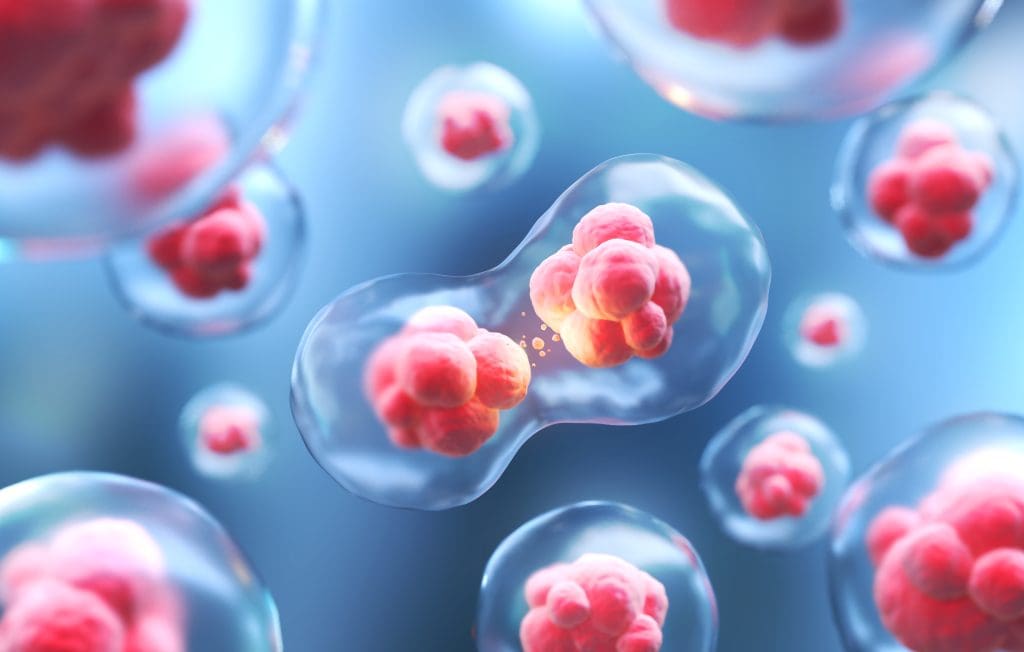
Embryonic stem cells come from the early embryo. They can turn into different cell types. This makes them key in regenerative medicine and developmental biology.
Origin and Development
Embryonic stem cells come from the inner cell mass of a blastocyst, an early embryo. Scientists isolate and culture these cells in labs. They can keep them from differentiating or guide them to become specific cell types.
The study of these cells’ origin and development is linked to their medical uses. Research into their growth can help us understand early human development and how cells differentiate.
Unique Properties of Embryonic Stem Cells
Embryonic stem cells have a special trait called pluripotency. This means they can become any cell type in the body. This trait is very useful for studying how to repair and regenerate tissues.
Their main features are:
- Pluripotency: The ability to differentiate into any cell type.
- Self-renewal: The capacity to proliferate without differentiating.
- Versatility in research and therapeutic applications.
These unique properties highlight the role of embryonic stem cells in advancing medical science. They help in developing new treatments.
The Main Types of Embryonic Stem Cells
Embryonic stem cells are divided into main types based on their developmental abilities. They are key in research and medicine. Knowing about these types helps us move forward in medical science.
Human Embryonic Stem Cells (hESCs)
Human Embryonic Stem Cells (hESCs) come from human embryos. They can turn into any cell in the body. hESCs are pluripotent, which means they can become every type of body cell.
To get hESCs, embryos from in vitro fertilization clinics are used. These cells are promising for fixing or replacing damaged tissues. They could help treat many diseases.
But, using hESCs raises ethical questions because of where they come from.
Mouse Embryonic Stem Cells (mESCs)
Mouse Embryonic Stem Cells (mESCs) come from mouse embryos. They help us understand how cells become different types. mESCs are also pluripotent and are used a lot in genetic studies and developmental biology.
mESCs have helped us learn a lot about genes and how they work. They are used in many research areas, like studying diseases and finding new treatments.
Characteristics | Human Embryonic Stem Cells (hESCs) | Mouse Embryonic Stem Cells (mESCs) |
| Origin | Human embryos | Mouse embryos |
| Pluripotency | Yes | Yes |
| Research Applications | Regenerative medicine, disease modeling | Genetic research, developmental biology |
Pluripotent Embryonic Stem Cells
Pluripotent embryonic stem cells can turn into many different cell types. This makes them very useful for medical research and possible treatments.
These cells can become any type of body cell, which is why they’re so interesting for fixing damaged tissues and finding new medicines. They also help us learn about how our bodies grow and develop.
Characteristics of Pluripotency
These cells can keep growing forever and can become all three main types of cells in our body. This ability to become many different cell types is what makes them special.
Keeping these cells in a special state is controlled by certain genes. OCT4, SOX2, and NANOG are some of these genes. They work together to keep the cells in a pluripotent state.
| Characteristics | Description |
| Self-Renewal | Ability to proliferate without differentiating |
| Multilineage Differentiation | Capacity to differentiate into all three germ layers |
| Transcriptional Regulation | Regulation by factors like OCT4, SOX2, and NANOG |
Applications in Research and Medicine
Pluripotent embryonic stem cells have many uses. They can help fix damaged tissues in regenerative medicine. They also help test how well medicines work and if they’re safe.
In research, these cells are great for studying how humans develop early on. They help us understand diseases better and work on personalized treatments.
Totipotent Embryonic Stem Cells
Totipotency is a key feature in the early stages of embryonic development. It allows cells to turn into any cell type. This makes totipotent embryonic stem cells very important in studying how life starts and how to fix damaged tissues.
The Most Versatile Stem Cells
Totipotent embryonic stem cells are the most flexible because they can become every cell in the body. This is vital in the early stages of life, where a single cell can grow into a full organism.
The versatility of these cells comes from their ability to divide many times while keeping their totipotency. This lets them create complex tissues and organs.
Developmental Potential
The developmental power of totipotent embryonic stem cells is huge. They can turn into any cell type. This power is used in research to learn about growth and to find new treatments.
A comparison of the developmental power of totipotent, pluripotent, and multipotent stem cells is shown in the table below:
| Stem Cell Type | Developmental Power | Examples |
| Totipotent | Can develop into any cell type, including embryonic and extraembryonic tissues | Zygote |
| Pluripotent | Can develop into most cell types, excluding extraembryonic tissues | Embryonic Stem Cells (ESCs) |
| Multipotent | Limited to differentiating into cell types within a specific lineage | Hematopoietic Stem Cells (HSCs) |
Learning about the developmental power of totipotent embryonic stem cells helps us understand early growth. It also shows new ways to fix damaged tissues and organs.
Embryonic Germ Cells (EGCs)
Embryonic Germ Cells (EGCs) come from early stages of an embryo. They are special because they can turn into many different cell types. This makes them very useful in regenerative medicine.
Origin and Characteristics
EGCs start from the primordial germ cells in an embryo. These cells are the first step to making sperm and eggs. They can grow into many types of cells.
EGCs are very flexible and can become any cell type. This makes them great for research and could help in new treatments.
To get EGCs, scientists take primordial germ cells from embryos. They then grow them in a special way to keep them healthy and able to grow into many cells.
Comparison with Other Embryonic Stem Cells
EGCs are different from other stem cells like Embryonic Stem Cells (ESCs). ESCs come from the inner cell mass of blastocysts. EGCs come from a later stage and have unique genes and traits.
Even though both can grow into many cell types, their origins and traits are different. This affects how they can be used in research and medicine.
Knowing these differences helps scientists choose the right cell type for their studies or treatments.
Embryonic Carcinoma Cells (ECCs)
Embryonic carcinoma cells (ECCs) are a special type of stem cell. They come from teratocarcinomas, which are tumors that can grow into different tissues. These cells can turn into any cell type in the body. This makes them very useful for research.
Tumor-Derived Embryonic Stem Cells
ECCs come from teratocarcinomas, a kind of germ cell tumor. They can grow and change into different cell types, just like embryonic stem cells. This makes them great for studying how cells develop early in life. Their link to tumors also helps us understand cancer better.
Research Applications
ECCs are used in many ways in research. They help us learn about how cells develop and how cancer starts. By studying ECCs, scientists can find new ways to treat cancer. This is because ECCs can grow into tumors, showing how cancer begins and grows.
Epiblast Stem Cells (EpiSCs)
Epiblast stem cells have become a focus of research. This is because of their special traits and the possibilities they offer.
Characteristics and Origin
These cells come from the epiblast layer of embryos. This is a key time in early development. They are pluripotent, which means they can turn into almost any cell in the body.
EpiSCs can keep themselves alive and stay pluripotent under certain conditions. Their origin makes them important for research and therapy. They give us a peek into early human development and could help in regenerative medicine.
- Derived from the epiblast layer
- Pluripotent, with the ability to differentiate into various cell types
- Capable of self-renewal under specific conditions
Differences from Other Embryonic Stem Cells
EpiSCs are similar to other embryonic stem cells, like human embryonic stem cells (hESCs). But they are different too. A main difference is where they come from. EpiSCs come from the epiblast layer of embryos after they implant, unlike hESCs from the inner cell mass of blastocysts.
This difference in origin affects their gene expression and what they can become. It shows how unique EpiSCs are compared to other stem cells.
Comprehensive Overview of Types of Stem Cells
Knowing about the types of stem cells is key for medical progress. They are sorted by their traits and where they come from. This helps figure out how they can be used in medicine.
Stem cells fall into a few main groups. The main split is between embryonic and adult stem cells. This split is based on where they come from and what they can become.
Embryonic vs. Adult Stem Cells
Embryonic stem cells come from embryos and can turn into any cell type. They are pluripotent. In contrast, adult stem cells are in adult bodies and can only turn into a few cell types. They are multipotent.
The main difference is in how flexible they are. Embryonic stem cells can change into many cell types easily. Adult stem cells are more limited in what they can become.
Multipotent vs. Pluripotent Stem Cells
Multipotent and pluripotent describe how stem cells can change into different cell types. Pluripotent stem cells, like those from embryos, can become any cell type in the body. Multipotent stem cells, found in adults, can turn into several cell types but only those related to their original tissue.
It’s important to know the difference between multipotent and pluripotent stem cells for medical use. Pluripotent stem cells are great for many cell therapies. Multipotent stem cells are better for fixing specific tissues.
Where Are Embryonic Stem Cells Found?
It’s important to know where embryonic stem cells are found. They are key in regenerative medicine and tissue engineering. This is because they can turn into many different cell types.
Natural Sources
Embryonic stem cells are found in the early stages of a developing embryo. They are in the blastocyst, which forms a few days after fertilization. The blastocyst has an inner cell mass where these stem cells come from.
These cells are pluripotent. This means they can become any type of body cell.
Laboratory Sources and Cultivation
Scientists can also get embryonic stem cells from the lab. They take stem cells from embryos and keep them growing in a special environment. This helps them stay in a state where they can grow and change into different cell types.
This lab work lets researchers study these cells. They can see how they work and what they can do. It also helps them think about using these cells to fix damaged tissues or replace sick cells.
Induced Pluripotent Stem Cells (iPSCs)
Induced pluripotent stem cells (iPSCs) are a big step forward in stem cell research. They open up new ways to treat diseases and study science. By changing adult cells into a special state, scientists can make iPSCs that are similar to embryonic stem cells.
iPSCs are made by changing adult cells into a pluripotent state. This is done by making them express certain genes. This lets iPSCs turn into different cell types, which is great for research and possible treatments.
Creating Embryonic-Like Stem Cells
To make iPSCs, scientists add special genes to adult cells, like skin or blood cells. These genes, like Oct4 and Sox2, help turn the adult cells into pluripotent cells. This lets them become many different cell types.
Key characteristics of iPSCs include their ability to grow and change into various cell types. This makes them very useful for studying development and diseases. It also helps in creating new treatments.
Advantages and Limitations Compared to True Embryonic Stem Cells
iPSCs have some big advantages over embryonic stem cells. They don’t raise ethical issues and can be made from a patient’s own cells. This lowers the chance of immune reactions in treatments. But, iPSCs also have limitations, like possible epigenetic memory and the chance of tumors.
Both iPSCs and true embryonic stem cells can turn into many cell types. But, embryonic stem cells are seen as the best because they are naturally pluripotent and stable. iPSCs, on the other hand, are made artificially and might keep some traits from their original cell type. This could affect how they behave and differentiate.
Applications of Different Embryonic Stem Cell Types
Embryonic stem cells can turn into any cell type. This makes them key for medical research and treatments. Their ability to change into different cells is a big help in these areas.
Research Applications
These cells are very useful in research. They help us understand how humans develop and get diseases. They are used to:
- Study how cells develop and change.
- Model diseases in vitro to learn about disease progress and find treatments.
- Test drugs to see if they work and are safe.
Research using embryonic stem cells has given us a lot of knowledge. This knowledge helps us find new ways to treat diseases.
Therapeutic Applications
Embryonic stem cells can fix or replace damaged tissues. They could be used for:
- Helping with conditions like Parkinson’s disease, diabetes, and heart disease.
- Fixing damaged tissues or organs through tissue engineering.
- Replacing cells in diseases where cells are lost.
Using embryonic stem cells for treatments is just starting. But, ongoing research is showing great promise. It could lead to new ways to treat many diseases.
Ethical Considerations in Embryonic Stem Cell Research
The ethics of using embryonic stem cells is complex. This is because people have different views on the moral, religious, and legal sides of it.
Moral and Religious Perspectives
Various cultures and religions have different opinions on this topic. Some think embryos could become humans and shouldn’t be used for research. Others see the benefits of this research for health and saving lives.
“The use of embryonic stem cells raises questions about the sanctity of human life and the morality of using embryos for scientific purposes.”
A table summarizing some of the moral and religious perspectives is as follows:
| Religion/Culture | View on Embryonic Stem Cell Research |
| Catholic | Generally opposed due to the belief in the sanctity of human life from conception. |
| Islamic | Some scholars permit it under certain conditions, such as the potential for significant medical benefits. |
| Secular | Often supports it for its potential to advance medical science and improve human health. |
Legal and Regulatory Frameworks
The laws about embryonic stem cell research differ a lot around the world. Some places have strict rules against it, while others are more open.
Key aspects of legal frameworks include:
- Consent requirements for embryo donation
- Restrictions on the source of embryonic stem cells
- Oversight mechanisms to ensure ethical compliance
It’s important to understand these ethics to do this research right.
The Future of Embryonic Stem Cell Research
The future of embryonic stem cell research is very promising. It could greatly help medical science and treat many diseases. As research grows, we see more advanced uses of these cells.
Embryonic stem cell research is key in regenerative medicine. It has the power to change how we treat degenerative diseases.
Emerging Technologies
New technologies are vital in advancing embryonic stem cell research. CRISPR gene editing and other biotech tools help us work with these cells better. They improve our knowledge of how cells develop and open new ways to help patients.
Potential Breakthroughs
There are big chances for breakthroughs in this field. Future studies will likely bring big steps forward in regenerative medicine. This could lead to new treatments for diseases we can’t cure now. As we learn more about these cells, we’ll see new hopes for patients everywhere.
Conclusion
Embryonic stem cell research has opened new doors for understanding human development and disease modeling. There are different types of embryonic stem cells, like human embryonic stem cells and induced pluripotent stem cells. These offer a promising tool for regenerative medicine.
The unique properties of embryonic stem cells, such as their ability to become many cell types and their ability to keep dividing, make them very appealing. As stem cell research keeps moving forward, we can look forward to big breakthroughs. These will help us understand human biology better and find new treatments for diseases.
In conclusion, embryonic stem cells have a lot of promise for advancing medical research and creating new treatments. More research is needed to fully use their power and solve the challenges they bring.
FAQ
What are stem cells?
Stem cells are special cells that can turn into different types of cells. They can also make more of themselves. This makes them key for growth, fixing tissues, and maybe treating diseases.
What are the different types of stem cells?
There are mainly three types of stem cells. These are embryonic stem cells, adult stem cells, and induced pluripotent stem cells. Each type has its own special traits and uses.
What are embryonic stem cells?
Embryonic stem cells come from embryos. They can become almost any cell in the body. This makes them very useful for research and medicine.
What is the difference between pluripotent and multipotent stem cells?
Pluripotent stem cells can turn into almost any cell type. Multipotent stem cells can only turn into a few specific cell types.
Where are embryonic stem cells found?
Embryonic stem cells are found in the inner cell mass of a blastocyst. This is an early stage of an embryo.
What are induced pluripotent stem cells?
Induced pluripotent stem cells are made from adult cells. They are reprogrammed to act like embryonic stem cells. This means they can turn into many different cell types.
What are the applications of embryonic stem cells?
Embryonic stem cells are used in research, making new medicines, and in regenerative medicine. They could help treat many diseases and injuries.
What are the ethical considerations in embryonic stem cell research?
Using embryonic stem cells raises big ethical questions. It involves destroying embryos. This leads to debates about the rightness and legality of such research.
How are embryonic stem cells obtained?
Embryonic stem cells are usually taken from embryos left over from IVF. They can also be made through somatic cell nuclear transfer.
What is the difference between human and mouse embryonic stem cells?
Human and mouse embryonic stem cells are similar but different. They have different traits, growth needs, and uses in research.
What are the advantages of induced pluripotent stem cells over embryonic stem cells?
Induced pluripotent stem cells are made from a patient’s own cells. This means they might avoid immune rejection and some ethical issues of embryonic stem cells.
What is the future of embryonic stem cell research?
The future of embryonic stem cell research looks bright. Scientists are learning more about stem cells, improving how to grow them, and finding new ways to use them in medicine.