
The final stages of throat cancer are called stage IV. At this stage, the disease spreads to nearby tissues, lymph nodes, or distant organs.
This advanced stage brings severe symptoms. These symptoms greatly affect a patient’s quality of life.
It’s important to understand the final stages of cancer. This knowledge helps patients and their families face the challenges ahead.
Hospitals like Liv Hospital are changing cancer care. They offer new hope to those with stage IV throat cancer.
Key Takeaways
- Stage IV throat cancer involves the spread of the disease to distant parts of the body.
- Severe symptoms characterize the final stages of throat cancer.
- Understanding the prognosis is key for patient care.
- Innovative cancer care is transforming treatment options.
- Patient support is vital during the final stages of throat cancer.
- Survival rates vary significantly at stage IV.
Understanding Throat Cancer: Types and Classifications

Throat cancer includes many types of cancers, each with its own location and features. Knowing the specific type of throat cancer is key for accurate diagnosis and treatment.
Different Types of Throat Cancer
Throat cancer is divided into types based on where the tumor is and what it looks like. The most common is squamous cell carcinoma, which starts in the squamous cells of the throat. Less common types include adenocarcinoma and lymphoma.
The location of the tumor in the throat is also important. Cancers can happen in the oropharynx, hypopharynx, or larynx. Each area has its own challenges and characteristics.
How Throat Cancer Develops and Progresses
Throat cancer starts when abnormal cells grow out of control in the throat. This can be caused by tobacco use, alcohol consumption, and human papillomavirus (HPV) infection. As it grows, it can cause symptoms like trouble swallowing, pain, and voice changes.
It’s important to understand how throat cancer develops and grows. This helps in finding it early and managing it better. Regular check-ups and knowing the risk factors can help catch it early.
The Staging System for Throat Cancer
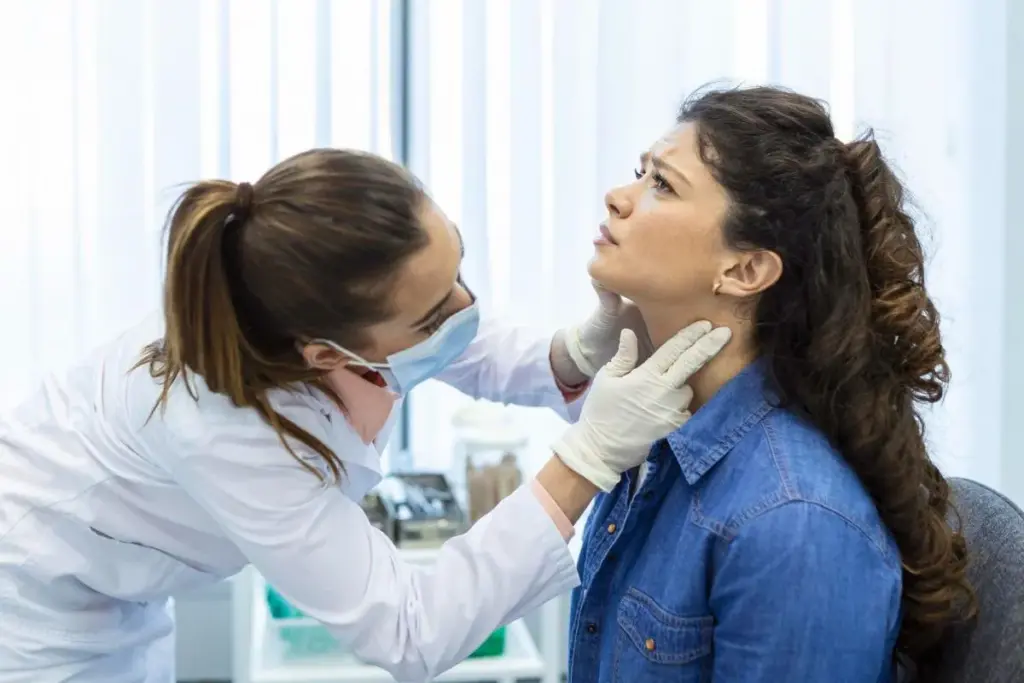
Knowing the staging system for throat cancer is key. It shows how far the disease has spread. This helps doctors choose the best treatment.
TNM Classification Explained
The TNM system stages throat cancer. It looks at three main things: the tumor size (T), lymph node involvement (N), and distant spread (M). This gives a clear picture of the cancer’s severity.
Tumor (T) shows the tumor size and if it’s grown into nearby tissue. Node (N) tells if cancer has reached nearby lymph nodes and how far. Metastasis (M) shows if cancer has spread to other parts of the body.
|
TNM Factor |
Description |
|---|---|
|
T (Tumor) |
Size and extent of the primary tumor |
|
N (Node) |
Involvement of nearby lymph nodes |
|
M (Metastasis) |
Presence of distant metastasis |
Stages I Through III Overview
Throat cancer is divided into stages I to IV. Stage I is the least severe, and stage IV is the most advanced. Stages I to III mean the cancer is either localized or has spread to nearby tissues or lymph nodes but not far away.
The American Cancer Society says survival rates for throat cancer depend on the stage at diagnosis. Early-stage cancer has a higher survival rate than advanced stages.
“The earlier throat cancer is diagnosed, the better the chances for survival. Understanding the stage of cancer is vital for finding the best treatment options.” – American Cancer Society
Stage I throat cancer usually has a small tumor that hasn’t spread. Stage II and III cancers are bigger or have spread to nearby lymph nodes.
Stage IV Throat Cancer: The Final Stage Defined
Stage IV throat cancer is the last stage. It means the cancer has spread to other parts of the body. At this point, the disease is advanced and needs a detailed treatment plan.
Stage IVA Characteristics
Stage IVA throat cancer has spread to nearby tissues or lymph nodes. It hasn’t reached distant parts of the body yet. The cancer might have grown into nearby structures, making surgery harder.
Treatment options include surgery, radiation, and chemotherapy. These help control the disease and ease symptoms.
Stage IVB Characteristics
Stage IVB throat cancer has spread more, possibly to more lymph nodes or tissues. The disease’s spread might make some treatments less effective.
Chemotherapy and radiation therapy are used to ease symptoms and slow the disease’s growth in Stage IVB.
Stage IVC and Distant Metastasis
Stage IVC is the most advanced stage. The cancer has spread to distant organs like the lungs, liver, or bones. At this stage, treatment often focuses on comfort care.
“Palliative care is key in managing symptoms and improving life quality for patients with advanced throat cancer.”
The table below shows the characteristics of Stage IV throat cancer substages:
|
Substage |
Cancer Spread |
Treatment Focus |
|---|---|---|
|
Stage IVA |
Nearby tissues or lymph nodes |
Surgery, radiation, chemotherapy |
|
Stage IVB |
Extensive lymph node or tissue involvement |
Palliative chemotherapy and radiation |
|
Stage IVC |
Distant metastasis |
Palliative care |
Knowing the substages of Stage IV throat cancer is key. It helps find the best treatment and improve patient outcomes.
Recognizing Advanced Throat Cancer Symptoms
It’s vital to spot the signs of advanced throat cancer early. This can lead to better treatment and outcomes. As the disease gets worse, symptoms can worsen too.
Physical Symptoms and Changes
Advanced throat cancer shows through physical signs that can really hurt a person’s life quality. These symptoms include:
- Difficulty swallowing (dysphagia) because the tumor blocks food.
- Persistent pain in the throat or neck.
- Changes in voice, like hoarseness or a raspy sound.
- A lump or swelling in the neck, which might mean the cancer has spread to lymph nodes.
A medical expert says,
“These physical symptoms need a full check-up to see how far the disease has spread.”
Systemic Symptoms in Late-Stage Disease
Advanced throat cancer also causes symptoms that affect the whole body. These symptoms include:
- Significant weight loss because of trouble swallowing or not wanting to eat.
- Fatigue or feeling very weak, which can be from the cancer or how the body reacts to it.
- Loss of appetite, which can make weight loss and malnutrition worse.
“Spotting these systemic symptoms early is key to managing the disease well and improving life quality.”
Knowing and spotting these advanced symptoms of throat cancer helps patients get the right medical care fast. This can really help their chances of getting better.
Visual Identification of Throat Cancer
Knowing the visual signs of throat cancer is key for early detection and treatment. Throat cancer can show up in many ways, making it important to spot it early. This is why visual identification is a big part of diagnosing and teaching patients.
What Does Throat Cancer Look Like?
Throat cancer can look like a lump, swelling, or abnormal growth in the throat. It might also cause voice changes, trouble swallowing, or a sore throat that won’t go away. Visual guides and images are essential tools for both patients and healthcare providers to spot these signs.
The look of throat cancer can change a lot based on the type and stage. For example, oropharyngeal cancer looks different from laryngeal cancer. Knowing these differences is key for accurate diagnosis and treatment planning.
Throat Cancer Pictures and Visual Guides
Throat cancer pictures and visual guides are great for teaching patients about the disease. These tools help people spot symptoms and understand how the disease progresses.
- Images of throat cancer show the different stages and types of the disease.
- Visual guides help patients know what to look for during self-exams.
- Healthcare providers use these resources to teach patients and explain diagnosis and treatment options.
By using throat cancer pictures and visual guides, patients and healthcare providers can understand the disease better. This helps with early detection and more effective treatments.
How Doctors Diagnose Final Stage Throat Cancer
Diagnosing final stage throat cancer is a detailed process. It involves imaging tests and biopsy results. This approach helps doctors understand the disease’s extent and plan treatment.
Imaging Tests and Their Findings
Imaging tests are key in diagnosing throat cancer. CT scans, MRI scans, and PET scans help doctors see the tumor. They check its size, location, and if it has spread.
A CT scan shows detailed images of the throat. It helps doctors see the tumor’s size and how it affects nearby tissues. An MRI scan gives high-resolution images of soft tissues. It helps doctors see how far the tumor has spread.
Biopsy and Pathology Reports
A biopsy is a key step in diagnosing throat cancer. It involves taking a tissue sample from the tumor. This sample is then examined to confirm cancer and determine its type and grade.
Pathology reports give important details about the cancer. They include the cancer’s type, grade, and stage. This information is vital for creating a treatment plan. For final stage throat cancer, it helps doctors understand the cancer’s aggressiveness and treatment options.
Together, imaging tests and biopsy results help doctors accurately diagnose final stage throat cancer. They then create a treatment plan that meets the patient’s specific needs.
Treatment Options for Advanced Throat Cancer
Treating advanced throat cancer is complex. It depends on the cancer’s stage and the patient’s health. Stage IV throat cancer is a big challenge that needs a special treatment plan.
Surgery in Late-Stage Cases
Surgery is a common treatment for advanced throat cancer. It’s used when the cancer is in one place and can be cut out. The goal is to remove the tumor and affected lymph nodes. This can help the patient live longer and feel better.
Some surgeries include:
- Tumor resection: Taking out the tumor and some healthy tissue around it.
- Neck dissection: Removing lymph nodes and other neck tissues that might have cancer.
Radiation Therapy Approaches
Radiation therapy is a key treatment for advanced throat cancer. It uses high-energy rays to kill or slow cancer cells. There are different types, like:
- External beam radiation therapy (EBRT): This is the most common, where radiation comes from outside the body.
- Brachytherapy: A type of internal radiation where a radioactive source is placed inside or near the tumor.
Radiation therapy can be used alone or with other treatments like surgery and chemotherapy.
Chemotherapy Protocols
Chemotherapy uses drugs to kill cancer cells. For advanced throat cancer, it’s often used with radiation therapy (chemoradiation) to make it more effective. The chemotherapy plan depends on the patient’s health and the cancer’s type.
Some common chemotherapy drugs include:
- Cisplatin: Often used with other drugs.
- 5-Fluorouracil (5-FU): Used in many chemotherapy plans.
Treatment for advanced throat cancer is very individualized. The best plan usually combines different therapies tailored to the patient’s needs and condition.
Targeted and Immunotherapy Treatments
Targeted and immunotherapy treatments are changing how we fight throat cancer. They bring new hope to those with late-stage disease.
These therapies aim directly at cancer cells, reducing harm to healthy tissues. Immunotherapy boosts the body’s immune system to better fight cancer.
How Targeted Therapies Work
Targeted therapies use drugs that target specific molecules in cancer cells. They slow down or stop throat cancer by blocking these molecules. For example, some therapies block signals that cancer cells use to grow.
The success of these therapies depends on the tumor’s genetic makeup. Genetic tests help find the best therapy for each patient.
Immunotherapy’s Role in Advanced Cases
Immunotherapy is a promising treatment for advanced throat cancer. It boosts the body’s defenses to fight cancer cells. It’s a good option for those with few other treatment choices.
There are different types of immunotherapy for throat cancer, like checkpoint inhibitors. These therapies help the immune system attack cancer cells. The choice of immunotherapy depends on the patient’s health and cancer type.
As research grows, targeted and immunotherapy treatments are showing promise. They offer hope for better throat cancer survival rates, even for those with advanced disease.
Palliative Care for Throat Cancer Patients
Palliative care is key for throat cancer patients. It helps ease suffering. The goal is to make life better for patients and their families.
Managing Pain and Discomfort
Pain management is vital in palliative care. Treatments include medications, radiation therapy, and more to lessen pain. This helps patients stay dignified and active.
Throat cancer can cause a lot of discomfort. Palliative care teams work with patients to manage symptoms. They create plans to help patients feel better.
Addressing Nutrition and Swallowing Difficulties
Nutrition is important for throat cancer patients. But, the disease and treatment can make eating hard. Palliative care offers supplements and feeding methods to help.
Swallowing problems, or dysphagia, are common. Palliative care suggests special diets or feeding techniques to make eating easier.
Palliative care does more than manage symptoms. It supports patients and families emotionally and spiritually. By meeting physical, emotional, and social needs, palliative care improves life for throat cancer patients.
Throat Cancer Survival Rates and Statistics
Throat cancer survival rates change a lot based on the cancer’s stage and where it is. Knowing these stats is key for patients and their families. It helps them understand the disease better.
Understanding 5-Year Survival Rates
The 5-year survival rate shows how likely a cancer patient is to live for 5 years after being diagnosed. For throat cancer, this rate depends on when the cancer was found. The latest data shows throat cancer’s 5-year survival rate is about 65%.
This rate can change a lot, though. It depends on if the cancer is just in one place or has spread to other parts of the body.
Localized throat cancer, which hasn’t spread, has a 5-year survival rate of about 83%. But, if the cancer has metastasized to distant organs, the 5-year survival rate drops to around 39%.
Factors That Influence Prognosis
Many things can affect how well a throat cancer patient will do. These include:
- The stage of cancer at diagnosis
- The location of the tumor within the throat
- The patient’s overall health and age
- The effectiveness of the chosen treatment protocol
Early-stage throat cancer is usually easier to treat and has a better outlook than advanced-stage cancer. Where the tumor is also matters a lot. Some areas are easier to reach for surgery than others.
Knowing these factors and how they affect survival rates can help patients and their families make better choices. It’s also key to talk to a healthcare provider about your specific situation. They can give you personalized advice based on your case.
Living With Advanced Throat Cancer
Living with advanced throat cancer is more than just treatment. It’s about emotional and psychological support too. Patients and their families face a tough healthcare world. They must make smart choices about care and treatment.
Quality of Life Considerations
Keeping a good quality of life is key for those with advanced throat cancer. It means managing symptoms well, eating right, and controlling pain. Supportive care services are essential here. They give patients the tools to deal with their illness.
- Managing pain and discomfort through medication and alternative therapies
- Addressing nutritional deficiencies and swallowing difficulties
- Providing emotional and psychological support through counseling and support groups
Healthcare providers can greatly improve life for these patients by focusing on these areas.
Emotional and Psychological Support
Emotional and psychological support is critical for those facing advanced throat cancer. Counseling services and support groups offer a place to share and get support. It’s a space where others who get it can help.
- Access to mental health professionals
- Support groups for patients and their families
- Resources for managing stress and anxiety
Adding these to their care plan helps patients with advanced throat cancer handle the emotional and psychological sides of their illness.
Multidisciplinary Care at Specialized Centers Like Liv Hospital
Liv Hospital is a beacon of hope for throat cancer patients. It offers care that tackles the disease’s complexities. Throat cancer is serious and can be life-threatening. It needs a treatment plan that combines many medical fields.
The Importance of Comprehensivie Cancer Care
Comprehensive cancer care is key for throat cancer patients, even in advanced stages. It manages the disease’s physical, emotional, and psychological impacts. This ensures all aspects of the disease are handled well.
A team at Liv Hospital creates a treatment plan for each patient. This team includes oncologists, surgeons, radiologists, and more. They work together to meet each patient’s unique needs.
“The key to successful throat cancer treatment lies in a complete approach that considers the whole patient, not just the disease.”
Oncologist
Advanced Treatment Protocols and International Standards
Liv Hospital follows advanced treatment protocols and international standards. It stays updated with medical research and technology. This ensures patients get the most effective and innovative treatments.
|
Treatment Protocol |
Description |
Benefits |
|---|---|---|
|
Surgery |
Surgical removal of the tumor |
Potential for complete removal of cancerous cells |
|
Radiation Therapy |
High-energy rays to kill cancer cells |
Effective for localized tumors |
|
Chemotherapy |
Medications to kill cancer cells |
Can be used with other treatments |
Liv Hospital’s treatment protocols are backed by a commitment to international standards. This ensures treatments are safe, reliable, and effective for patients.
Liv Hospital uses the latest research and technology in its treatments. This approach, along with a focus on patient care, makes it a leader in throat cancer treatment.
When to Seek Immediate Medical Attention
It’s important for people with advanced throat cancer to know when to get emergency care. They should watch for signs that mean they need to see a doctor right away. This helps manage their condition better.
Warning Signs That Require Emergency Care
Some symptoms mean you need to see a doctor fast. These include:
- Severe difficulty swallowing: If it hurts a lot or you can’t swallow, it might mean your cancer is getting worse.
- Sudden onset of pain: Pain in your throat or neck that comes on quickly is a red flag.
- Difficulty breathing: Trouble breathing or a high-pitched sound when you breathe means you need help fast.
A doctor says, “Spotting these signs early can really change how well you do with throat cancer.”
Communicating Effectively With Your Healthcare Team
Talking well with your healthcare team is key to managing throat cancer. You should:
- Be open about their symptoms: Tell your doctor about any new or getting worse symptoms right away.
- Ask questions: Knowing about your diagnosis, treatment, and outlook helps you make good choices.
- Seek support: Talking about your feelings and worries with your doctor can help you get the support you need.
“Clear communication between patients and their healthcare providers is the cornerstone of effective cancer care.” –
A healthcare professional
Knowing the warning signs and talking openly with your healthcare team can help you deal with throat cancer. It can also make your life better.
Conclusion
Understanding advanced throat cancer is key. Knowing about survival rates and prognosis helps patients and families make good choices. This knowledge is vital for care decisions. Dealing with advanced throat cancer is tough, but it’s not impossible. The right care and support can greatly improve life quality. Palliative care and team-based treatments help manage symptoms and meet physical and emotional needs. Even though stage5 cancer isn’t officially recognized, knowing about throat cancer stages is important. It helps in creating effective treatment plans. Getting care from specialized centers boosts confidence and ensures the best care for each patient.
FAQ
What are the final stages of throat cancer?
Stage IV throat cancer means the cancer has spread to other parts of the body. This leads to severe symptoms and greatly affects the patient’s quality of life.
What does throat cancer look like?
Throat cancer can appear differently. Visual guides help spot its signs. Knowing what it looks like helps in early detection and diagnosis.
How is throat cancer diagnosed?
Diagnosing throat cancer involves several tests. Imaging studies like CT and MRI scans show how far the disease has spread. Biopsy results tell about the cancer’s type and grade.
What are the treatment options for advanced throat cancer?
Advanced throat cancer treatment includes surgery, radiation, or chemotherapy. The choice depends on the cancer’s stage, location, and the patient’s health.
What is the survival rate for throat cancer?
Survival rates for throat cancer depend on the cancer’s stage and location. Knowing what affects prognosis helps patients and families make informed care decisions.
How can patients manage symptoms and improve their quality of life?
Palliative care is key in managing symptoms and improving life for throat cancer patients. It includes pain management, addressing nutrition and swallowing issues, and emotional support.
What are the warning signs that require emergency care?
Patients with throat cancer should watch for emergency signs. These include severe difficulty swallowing or sudden pain.
How can patients effectively communicate with their healthcare team?
Good communication with the healthcare team is vital. Patients should ask questions and seek support when needed.
Is throat cancer curable?
Throat cancer curability depends on the cancer’s stage, location, and the patient’s health. Advanced throat cancer is complex. But, with proper care and support, patients can improve their quality of life.
References
https://my.clevelandclinic.org/health/diseases/23136-throat-cancer