
Throat cancer, including laryngeal and pharyngeal cancers, is mostly found in older people. Research shows that the average age for laryngeal cancer diagnosis is 66. Most cases happen to those 55 and older.
Knowing the signs of throat cancer is key for catching it early. This is important because throat cancer is more common in older adults. So, it’s vital to spread the word and encourage prevention in this age group.
Key Takeaways
- Throat cancer is more common in adults over 55 years old.
- The median age for laryngeal cancer diagnosis is 66.
- Early detection is critical for effective treatment.
- Understanding the signs of throat cancer is vital.
- Targeted prevention is essential for older adults.
Understanding Throat Cancer: An Overview
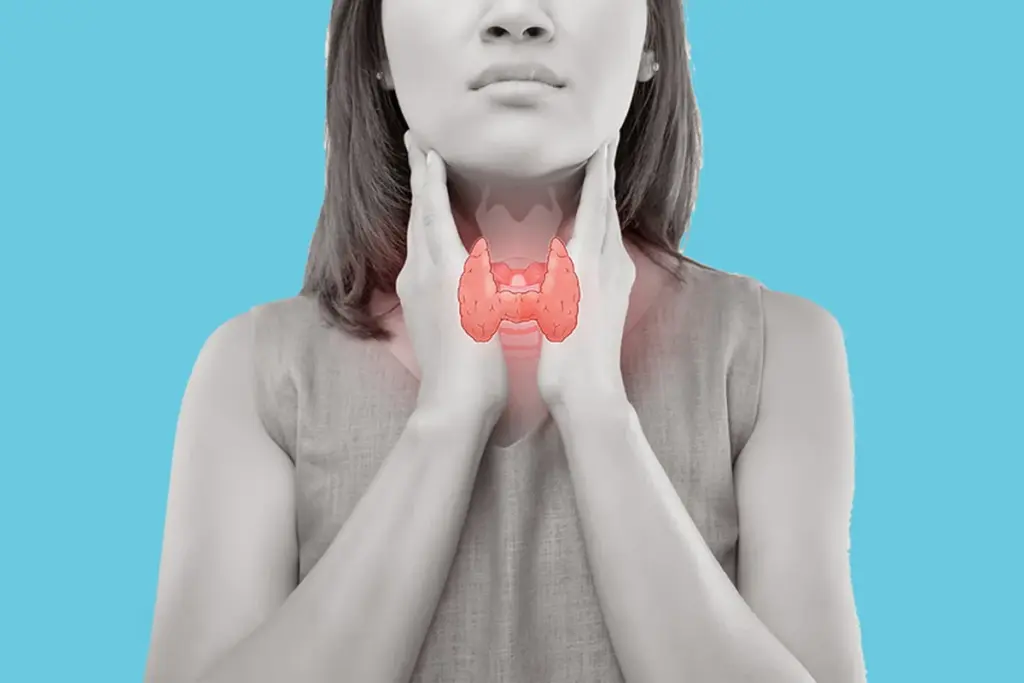
Throat cancer, including laryngeal and pharyngeal cancers, is a complex challenge in oncology. It affects different areas of the throat. This requires a deep understanding for effective diagnosis and treatment.
Definition and Types of Throat Cancer
Throat cancer is a malignant tumor in the throat, part of the upper aerodigestive tract. It has two main types: laryngeal cancer and pharyngeal cancer. Each type needs its own treatment approach.
- Laryngeal cancer is divided into sub-types based on the larynx area affected.
- Pharyngeal cancer is categorized into nasopharyngeal, oropharyngeal, and hypopharyngeal cancers. Each has unique risk factors and symptoms.
Anatomical Areas Affected
The throat, or pharynx, is a muscular tube for swallowing and breathing. Throat cancer can affect different parts of this tube and the larynx. The areas affected include:
- The pharynx, divided into three parts: nasopharynx, oropharynx, and hypopharynx.
- The larynx, or voice box, which contains the vocal cords.
Knowing the specific areas affected by throat cancer is key for determining the stage and treatment.
Global Prevalence
Throat cancer is a significant global health concern. Its incidence varies across regions and populations. It is influenced by tobacco use, alcohol consumption, and HPV infection.
Key statistics on throat cancer prevalence include:
- Throat cancer is more common in certain geographic regions, such as parts of Asia and Europe.
- The incidence is higher among men than women, though the gap is narrowing in some populations.
- There is a growing trend of throat cancer in younger adults, often linked to HPV infection.
Age Demographics of Throat Cancer
Understanding throat cancer’s age patterns is key for early detection and treatment. Like many cancers, throat cancer shows age-related trends. These trends help healthcare providers and patients understand risks and outcomes.
Median Age at Diagnosis
The median age for laryngeal cancer, a throat cancer type, is 66 years. This means most laryngeal cancer cases are found in people around this age. It’s important to remember that this age can vary slightly by throat cancer type.
Age Distribution Statistics
Throat cancer is more common in older adults. The rates go up a lot after 60. Here are some important stats:
- Most cases are found between 65 and 74 years old.
- The rate doubles in those over 60 compared to 50-59 years old.
- It’s rare in people under 40.
Why Age is a Significant Factor
Age matters for throat cancer for several reasons:
- Cumulative Exposure: Older people have been exposed to risks like tobacco and alcohol for longer.
- Genetic Mutations: The chance of cancer-causing genetic mutations grows with age.
- Immune System Decline: Older people’s immune systems may not fight cancer cells as well.
Knowing these age patterns helps tailor screening and treatment. This can lead to better results.
Laryngeal Cancer Age Patterns
Laryngeal cancer, a type of throat cancer, shows clear age patterns. This is important for understanding its spread. We’ll look at when it usually starts and how it affects different age groups.
Typical Age of Onset
The typical age for laryngeal cancer is key to understanding it. Studies show it’s more common in older adults. Most cases are found in people over 55.
Age is a big risk factor for laryngeal cancer. The risk grows a lot after 50. This makes it vital to watch for symptoms and risk factors in older people.
Age Group Analysis: 65-74 Years
A lot of new laryngeal cancer cases are in people aged 65-74. About 34% of new cases are in this age. This age is important because it’s when symptoms often show up.
This age group gets more cases because of risk factors like tobacco and alcohol. Also, changes with age can affect the larynx.
Age Group Analysis: 55-64 Years
People aged 55-64 also get a lot of laryngeal cancer, making up about 31% of new cases. This age is also key for catching the disease early. Symptoms can start to show up then.
The number of cases in these age groups shows why it’s important to raise awareness. It’s critical for older adults, and those who have used tobacco or other risk factors.
Pharyngeal Cancer Age Demographics
It’s key to know the age groups affected by pharyngeal cancer for early treatment. This type of head and neck cancer shows specific patterns based on age. It’s important for doctors and patients to grasp these details.
Median Age of Diagnosis
The average age when pharyngeal cancer is found is 65 years. This shows most cases happen around this age. The exact age can change a bit based on where in the pharynx the cancer is found. But, 65 is a key number for understanding who gets this cancer.
Age Distribution Patterns
Pharyngeal cancer can happen at any age, but it’s more common in older people. Many factors, like smoking, drinking, and HPV, play a role in who gets it. Knowing this helps find who’s at highest risk.
Looking at who gets cancer helps target prevention and screening. For example, people over 55 are at higher risk. They might get special screening programs.
Comparison with Other Head and Neck Cancers
Pharyngeal cancer is often compared to other head and neck cancers. They share some risk factors and age patterns. But, there are also big differences, like how often it affects men versus women.
Studying these cancers together gives us important insights. It helps us create better plans to fight cancer. It also shows the need for a team effort in treating these diseases.
Throat Cancer in Younger Adults
Throat cancer can happen at any age, even to younger people. It’s important to know about it in all age groups. While it’s more common in older people, younger folks can also get it.
Incidence Rates Under Age 50
Studies show that throat cancer in people under 50 is changing. There’s been a big change in who gets throat cancer. Now, more young adults are being diagnosed.
The table below shows how throat cancer rates change with age. It highlights the number of cases in younger adults:
|
Age Group |
Incidence Rate per 100,000 |
|---|---|
|
20-29 |
2.1 |
|
30-39 |
4.5 |
|
40-49 |
8.2 |
Unique Risk Factors for Younger Patients
Younger throat cancer patients often face different risks than older ones. HPV infection is a big risk for young people with throat cancer.
Lifestyle and environmental factors also play a big role. Things like smoking, drinking, and diet can increase the risk.
Knowing these risks is key to preventing and catching throat cancer early in young adults. Raising awareness and teaching about risky behaviors can help lower disease rates.
Throat Cancer in Older Adults
Throat cancer becomes more common with age, posing a big health risk for older adults. This type of cancer affects the larynx and pharynx and is often found in people over 60.
Why Incidence Increases with Age
Throat cancer risk grows with age due to several reasons. These include long-term exposure to harmful substances like tobacco and alcohol. Also, as people get older, their immune system weakens.
Older adults have been exposed to these risks for longer. Their bodies also change with age, making them more vulnerable to these harmful substances.
Key Factors Contributing to Increased Incidence:
- Cumulative exposure to tobacco and alcohol
- Age-related decline in immune function
- Increased susceptibility to carcinogens
Special Considerations for Elderly Patients
Elderly patients face unique challenges with throat cancer. They often have other health issues that make treatment harder. They also face a higher risk of side effects from treatment.
Healthcare providers must think about the patient’s health, ability to function, and support system. A team approach is often best to care for them well.
“The management of throat cancer in older adults requires a holistic approach, considering the patient’s overall health and any comorbidities.” –
Expert in Oncology
|
Consideration |
Description |
|---|---|
|
Comorbidities |
Presence of other health conditions that can affect treatment |
|
Functional Status |
The patient’s ability to perform daily activities |
|
Social Support |
Availability of family or caregivers to support the patient |
Recognizing Throat Cancer Symptoms
It’s important to know the early signs of throat cancer to get medical help quickly. Throat cancer can affect the larynx and pharynx. Symptoms vary based on where and how far the cancer has spread.
Early Warning Signs
Signs of throat cancer include a sore throat that won’t go away, trouble swallowing (dysphagia), voice changes like hoarseness, and a neck or throat lump. These signs can be like those of less serious issues. So, it’s key to watch how long and how bad they get.
Some people might feel ear pain, which could be from the throat. You might also have a cough that won’t quit or feel like something’s stuck in your throat. While these signs don’t always mean cancer, seeing a doctor if they last or come together is smart.
Age-Specific Symptom Presentation
Throat cancer symptoms can show up differently in different age groups. Older people might notice symptoms more because they’ve had more time to develop risk factors like smoking and drinking. Younger folks, though less likely to get throat cancer, might have symptoms linked to HPV-related throat cancers, like oropharyngeal cancer.
A study showed that older patients often have more severe symptoms when they’re diagnosed. This might be because they wait longer to see a doctor. Younger patients, on the other hand, tend to get diagnosed earlier. This could be because they’re more likely to see a doctor for unusual symptoms.
When to Seek Medical Attention
If you have a sore throat, trouble swallowing, or voice changes for over two weeks, you should see a doctor. Catching throat cancer early can make treatment more effective.
The table below shows when to go to the doctor based on symptom duration:
|
Symptom |
Duration Before Seeking Medical Help |
|---|---|
|
Sore Throat |
More than 2 weeks |
|
Difficulty Swallowing |
More than 1 week |
|
Voice Changes (Hoarseness) |
More than 2-3 weeks |
Knowing the symptoms and what they mean can help catch throat cancer early. If you’re experiencing any of these, see a healthcare professional for a full check-up.
Risk Factors Contributing to Throat Cancer
Throat cancer risk comes from lifestyle choices and viral infections. These factors affect people of different ages. Knowing these risks helps prevent and detect throat cancer early.
Tobacco Use and Age Correlation
Tobacco is a big risk for throat cancer. It’s linked to throat cancer in all ages. Older adults are at higher risk if they use tobacco.
|
Age Group |
Tobacco Use Prevalence (%) |
Throat Cancer Incidence (per 100,000) |
|---|---|---|
|
45-54 |
25 |
10.2 |
|
55-64 |
30 |
15.6 |
|
65-74 |
20 |
20.1 |
Alcohol Consumption Patterns
Drinking alcohol is also a big risk for throat cancer. The risk grows with more and more drinking, and it’s worse with tobacco use. Younger people tend to drink more and in binges.
HPV Infection Across Age Groups
Human Papillomavirus (HPV) is a big risk for throat cancer, mainly for oropharyngeal cancers. HPV-related throat cancer is more common in younger people.
Key statistics:
- HPV-related throat cancer is more common in younger adults.
- The incidence of HPV-related throat cancer has been increasing over the past few decades.
- HPV vaccination is a critical preventive measure against HPV-related throat cancer.
In conclusion, knowing the risks for throat cancer is key. These include tobacco use, alcohol, and HPV. Understanding these helps in making prevention strategies for all ages.
Diagnostic Approaches by Age Group
Throat cancer diagnosis varies by age. It’s important to understand how throat cancer shows up differently in people of different ages. This means we need to use different ways to find and diagnose it.
Screening Recommendations
Screening for throat cancer is key, mainly for those at high risk. The American Cancer Society suggests regular checks for those who have used tobacco or have HPV. These checks might include looking at the throat and larynx, or even CT scans.
|
Age Group |
Recommended Screening Method |
Frequency |
|---|---|---|
|
40-54 |
Risk assessment, potentially including HPV testing |
Every 3 years if negative |
|
55-74 |
Low-dose CT scan for those with significant smoking history |
Annually |
Diagnostic Challenges in Different Age Groups
Diagnosing throat cancer is tricky in all age groups. Younger patients often find out they have it later because it’s rare and not well-known. Older adults face challenges too, because they might have other health issues.
Younger adults face unique challenges like rare disease and symptoms that can be mistaken for other things. Older adults have to deal with comorbid conditions and other cancers that make diagnosis harder.
Advanced Diagnostic Technologies
New technologies have made finding and diagnosing throat cancer better. Tools like Narrow-Band Imaging (NBI) and High-Resolution Microendoscopy (HRME) help see cancer early. They show the mucosa’s patterns clearly.
Artificial intelligence (AI) is also being used in diagnosis. AI can look at images and spot cancer faster and more accurately than old methods.
Treatment Strategies Across Age Demographics
Treatment for throat cancer changes with age. It’s important to tailor plans to each patient. This is because throat cancer is complex and aging affects our bodies in different ways.
Age-Specific Treatment Considerations
Age is key when treating throat cancer. Older adults might face more challenges due to health issues. Younger patients, on the other hand, can handle treatments better.
Younger people might get more aggressive treatments like surgery and chemotherapy. This is because they are generally healthier. Older patients might need gentler treatments to avoid making health problems worse.
Surgery and Radiation Approaches
Surgery and radiation are common treatments for throat cancer. The choice depends on the cancer’s stage, location, and the patient’s age and health.
Surgery is often best for early-stage cancers in younger patients. Radiation is used for those who can’t have surgery or have more advanced cancer.
|
Treatment Modality |
Younger Patients (<50) |
Older Patients (65+) |
|---|---|---|
|
Surgery |
Often suitable, with better outcomes |
Riskier due to health issues |
|
Radiation Therapy |
Used for early-stage or as adjuvant therapy |
Preferred for advanced disease or poor surgical candidates |
Chemotherapy and Targeted Therapies
Chemotherapy and targeted therapies are key for advanced throat cancer. The choice of chemotherapy can change with age. Older patients might need adjustments due to health issues.
Targeted therapies focus on cancer growth. They can have fewer side effects than traditional chemotherapy.
Using these treatments requires a team effort. This team includes surgeons, radiation oncologists, and medical oncologists. They work together to create a treatment plan that meets each patient’s needs.
Survival Rates and Prognosis by Age
Age is a key factor in throat cancer survival rates. It affects how well treatments work and the patient’s quality of life.
5-Year Survival Statistics
Five-year survival rates are important for throat cancer patients. The overall rate is about 60%. But, it changes a lot with age.
|
Age Group |
5-Year Survival Rate |
|---|---|
|
Under 50 |
65% |
|
50-64 |
58% |
|
65 and older |
52% |
Impact of Age on Treatment Outcomes
Age affects how well treatments work. Younger people usually do better because they’re healthier. Older people might struggle more with treatments.
Key factors influencing treatment outcomes include:
- Overall health and presence of comorbidities
- Tumor biology and stage at diagnosis
- Patient’s ability to tolerate treatment
Quality of Life Considerations
Quality of life is very important, even more so for older adults. They might have different needs and challenges than younger patients.
Healthcare providers are focusing on personalized care plans for all ages.
Understanding age, treatment outcomes, and quality of life helps doctors give better care to throat cancer patients.
Prevention Strategies for Different Age Groups
Preventing throat cancer is key, and knowing how to do it for each age group is important. By making age-specific changes, people can lower their risk of throat cancer a lot.
Lifestyle Modifications
Making lifestyle changes is a big part of preventing throat cancer. Some important steps include:
- Avoiding Tobacco: Tobacco is a big risk for throat cancer. Not using tobacco or quitting can greatly lower the risk.
- Limiting Alcohol Consumption: Drinking too much alcohol increases throat cancer risk. Drinking less can help lower this risk.
- Maintaining a Healthy Diet: Eating lots of fruits, vegetables, and whole grains can help protect against throat cancer.
These lifestyle changes help everyone, no matter their age. They improve health and well-being.
HPV Vaccination Importance
HPV is a known risk for some throat cancers. Getting the HPV vaccine is a key prevention step, mainly for the young.
Here are some important points about HPV vaccination:
- Effectiveness: HPV vaccines are very effective in stopping HPV infections that can cause throat cancer.
- Recommendation: HPV vaccine is advised for both boys and girls, starting at age 11 or 12. It can be given as early as 9.
- Impact on Throat Cancer: HPV vaccine can help lower throat cancer rates by reducing HPV-related cases.
Combining lifestyle changes with HPV vaccination can greatly reduce throat cancer risk. These steps are vital for all ages and help improve health.
Trends in Throat Cancer Incidence Rates
It’s key to know the trends in throat cancer to fight it better. Throat cancer, which includes larynx and pharynx cancers, has seen changes over time.
Historical Patterns
Throat cancer rates have slowly gone down in recent decades, mainly in developed countries. This drop is thanks to less tobacco use and better ways to find cancer early.
The history of throat cancer shows a mix of trends. For example:
- In the U.S., laryngeal cancer rates have dropped, likely because fewer people smoke.
- But, some places have seen more oropharyngeal cancers, often because of HPV.
Recent Developments
Now, we see more throat cancer in younger people, often because of HPV. This is a new trend.
Recent changes include:
- More HPV-related throat cancers in younger folks.
- Smoking-related throat cancers are going down in some areas.
Future Projections
Experts think throat cancer rates will keep changing. This will be because of changes in smoking, HPV, and better ways to find cancer.
Some expected changes are:
- More HPV-related oropharyngeal cancers.
- Smoking-related throat cancers might not go up as much.
Knowing these trends helps doctors and leaders plan better. They can focus on prevention and treatment.
Specialized Care for Throat Cancer Patients
A team of healthcare experts is key for throat cancer care. This team looks at all parts of a patient’s health. This leads to better treatment plans.
Multidisciplinary Approach
The multidisciplinary approach brings together surgeons, radiation oncologists, and more. This team model tackles throat cancer’s complex needs. It boosts treatment success and improves life quality.
Healthcare providers use this method to create personalized treatment strategies. This not only raises survival chances but also cuts down treatment side effects.
Leading Cancer Treatment Centers
Liv Hospital is a top name in cancer care, providing specialized care at international standards. Their cancer centers have the latest technology and skilled staff. They aim for the best patient care.
Patients get help from a wide range of specialists. This team works together to make and carry out treatment plans. Their teamwork is vital in fighting throat cancer and its signs.
Living with Throat Cancer: Patient Perspectives
Living with throat cancer is more than just treatment. It’s also about dealing with emotional and social impacts. These vary by age. Patients face many challenges, from managing symptoms to the psychological effects of their diagnosis.
Age-Related Challenges and Coping Strategies
Throat cancer affects people differently based on their age. Younger patients might struggle with work and family. Older adults might face health issues and aging challenges.
Common age-related challenges include:
- Adjusting to changes in voice or swallowing abilities
- Managing treatment side effects
- Coping with emotional distress
- Maintaining social connections
Effective coping strategies combine medical support, counseling, and family and friend support. It’s key for patients to talk openly with their healthcare providers about their concerns and challenges.
“The emotional support I received from my family and the cancer support group was invaluable. It helped me cope with the diagnosis and the treatment process.” – A throat cancer survivor
Support Resources and Communities
There are many resources for throat cancer patients, including:
- Cancer support groups, both online and in-person
- Psychological counseling services
- Rehabilitation programs to help regain swallowing or speech abilities
- Online forums and communities for sharing experiences and advice
These resources are vital for patients. They help navigate throat cancer’s complexities. They provide the support and information needed to improve quality of life.
Conclusion
It’s important to know about throat cancer early. This helps in finding and treating it effectively. The symptoms can differ based on age, so it’s key to spot the signs and understand the risks. Throat cancer mostly affects people over 65. Knowing the symptoms and risk factors, like smoking and HPV, is critical. This knowledge helps in catching the disease early. By focusing on age-specific care, patients get better treatment. This improves their life quality and chances of survival. Keeping up with new research on throat cancer is also vital.
FAQ
What are the common signs of throat cancer?
Signs of throat cancer include a sore throat that won’t go away, trouble swallowing, voice changes, and a neck lump. If you notice these, see a doctor right away.
At what age is throat cancer most common?
Throat cancer often hits people over 55. But, it can affect anyone, depending on risk factors.
What are the risk factors for throat cancer?
Big risks are smoking, drinking a lot of alcohol, and HPV infection. Knowing these can help prevent it.
How is throat cancer diagnosed?
Doctors use exams, scans, and biopsies to find throat cancer. The method depends on the patient’s age and health.
What are the treatment options for throat cancer?
Treatments include surgery, radiation, chemo, and targeted therapy. The right one depends on the cancer’s stage and the patient’s health.
Can throat cancer be prevented?
Yes, by not smoking, drinking less, and getting HPV shots. Changing your lifestyle can help a lot.
What is the survival rate for throat cancer?
Survival rates vary by cancer stage and age. Early stages usually have better chances.
How does age affect the treatment and prognosis of throat cancer?
Age can change treatment and outlook. Older people might face more challenges, while younger ones might handle treatments better.
What are the symptoms of throat cancer in younger adults?
Younger people with throat cancer might have a sore throat and trouble swallowing. Knowing these symptoms is key for early detection.
Is HPV vaccination effective in preventing throat cancer?
Yes, HPV vaccines can prevent some throat cancers. They’re recommended for both boys and girls.
What are the challenges in diagnosing throat cancer in older adults?
Diagnosing throat cancer in older adults is tough due to other health issues. Doctors need to be very careful.
How can throat cancer patients cope with the disease?
Patients can get support from doctors, groups, and family. Managing symptoms and side effects is also important.
References
National Center for Biotechnology Information. Evidence-Based Medical Insight. Retrieved from https://pubmed.ncbi.nlm.nih.gov/18235137/