Platelets are key in blood clotting. A low count can mean health problems. Thrombocytopenia happens when platelets are below 150,000 to 450,000 per microliter of blood.
Knowing the signs of thrombocytopenia is important. Symptoms include bruising, small red or purple spots on the skin, and bleeding that won’t stop. If you see these signs, see a doctor right away.
We’ll help you understand thrombocytopenia better. We’ll cover signs, stats, and new research. This will help you spot health risks and get help when needed.
Key Takeaways
- Thrombocytopenia is a condition where platelet count falls below 150,000 per microliter of blood.
- Common symptoms include bruising, petechiae, and prolonged bleeding.
- Early detection is key for good treatment.
- A healthcare provider is able to make an accurate diagnosis.
- Knowing about thrombocytopenia helps spot health risks.
What Are Platelets and Their Function in the Body
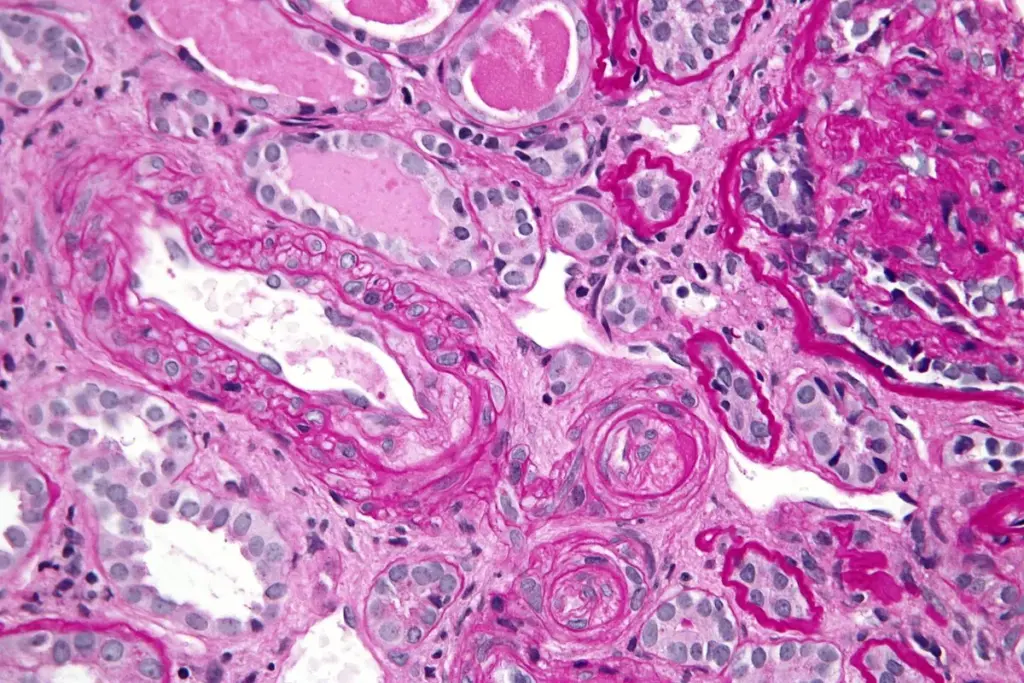
Platelets, or thrombocytes, are tiny blood cells that play a big role in our health. They help our body form clots and stop bleeding when we get hurt.
The Role of Platelets in Blood Clotting
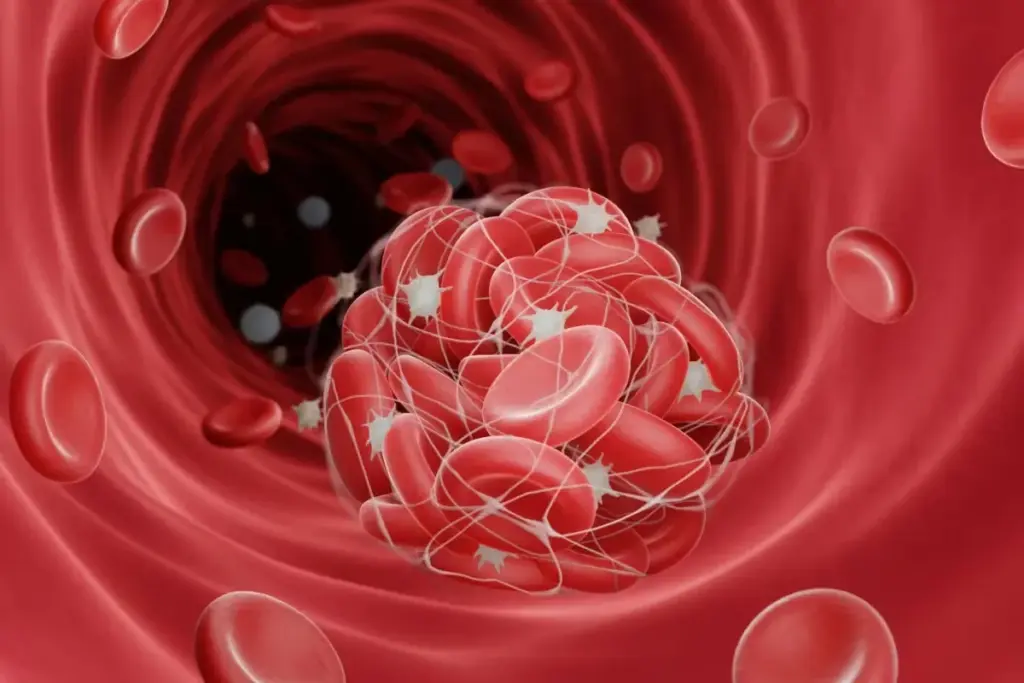
Platelets are key in blood clotting. When a blood vessel gets hurt, platelets stick to the injury. They clump together to form a plug that seals the damaged vessel.
Then, the coagulation cascade starts. This is when clotting factors work together to make a fibrin clot. This clot makes the platelet plug stable.
Key steps in platelet activation and clot formation include:
- Platelet adhesion to the injury site
- Release of chemical signals to attract more platelets
- Aggregation of platelets to form a platelet plug
- Coagulation cascade to stabilize the clot
Normal Platelet Count Range
A normal platelet count is between 150,000 and 450,000 per microliter of blood. Counts outside this range can mean health problems. A count below 150,000 is thrombocytopenia, and above 450,000 is thrombocytosis.
|
Platelet Count Range |
Condition |
|---|---|
|
Below 150,000 |
Thrombocytopenia |
|
150,000 to 450,000 |
Normal |
|
Above 450,000 |
Thrombocytosis |
How Platelets Are Produced
Platelets are made in the bone marrow through thrombopoiesis. This process turns hematopoietic stem cells into megakaryocytes. These cells then mature and release platelets into the blood.
The production of platelets is regulated by thrombopoietin, a hormone from the liver and kidneys. This hormone helps make and mature megakaryocytes. It ensures we always have enough platelets.
Thrombocytopenia: When Your Platelet Count Falls Too Low
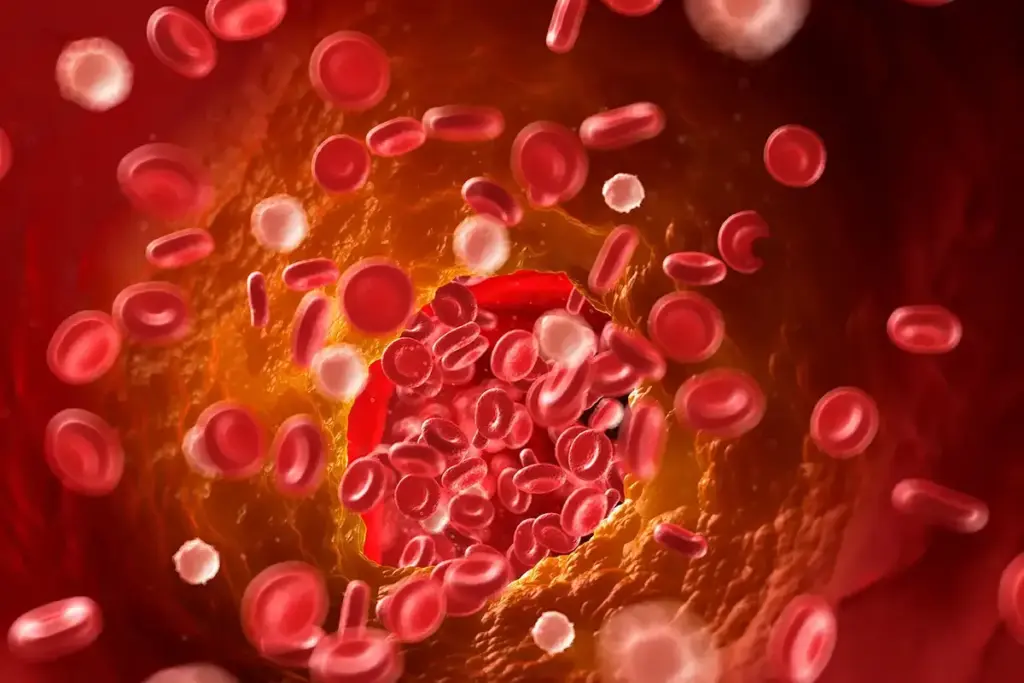
Thrombocytopenia happens when your platelet count drops too low. Platelets are key for blood clotting. Without enough, you might face bleeding issues.
Definition and Clinical Thresholds
Thrombocytopenia is when your platelet count is under 150,000 per microliter of blood. This is considered low. For more info, check .
A normal count is between 150,000 and 450,000 platelets per microliter. Counts below this are low. Doctors say knowing these numbers is key for treatment.
|
Platelet Count (per µL) |
Classification |
Health Implications |
|---|---|---|
|
150,000 – 450,000 |
Normal |
No significant risk |
|
100,000 – 149,000 |
Mild Thrombocytopenia |
Minimal risk, may not show symptoms |
|
50,000 – 99,000 |
Moderate Thrombocytopenia |
Risk of bleeding with injury |
|
< 50,000 |
Severe Thrombocytopenia |
Significant risk of spontaneous bleeding |
Mild, Moderate, and Severe Classifications
Thrombocytopenia levels vary. Mild is 100,000 to 149,000 platelets. Moderate is 50,000 to 99,000. Severe is under 50,000.
a hematologist, notes, “Knowing the level helps decide treatment. Severe cases are at high risk of serious bleeding.”
How Low Platelets Affect Your Health
A low platelet count can lead to bleeding. Even small injuries can cause a lot of blood loss. Spontaneous bleeding is also a risk.
In summary, thrombocytopenia needs quick medical care, more so in severe cases. Understanding the risks is key to managing it well.
Common Signs and Symptoms of Low Platelets
Knowing the signs of thrombocytopenia can help a lot. We’ll show you what to look for if you think you might have low platelets.
Visible Skin Symptoms
One clear sign is visible skin symptoms. Petechiae, or small spots, can show up. They happen when tiny blood vessels break.
These spots are a warning sign. Sometimes, bigger bruises or ecchymoses appear. This means there’s bleeding under the skin.
Bleeding-Related Symptoms
Bleeding symptoms are also important. They can be mild or serious. Here are some examples:
- Nosebleeds that won’t stop
- Gum bleeding after brushing teeth
- Bleeding from small cuts that lasts a long time
- Blood in urine or stool
These signs mean your body can’t clot blood well. This increases the risk of serious bleeding.
|
Symptom |
Description |
|---|---|
|
Petechiae |
Small, pinpoint spots on the skin |
|
Nosebleeds |
Difficult to stop and may be recurrent |
|
Gum Bleeding |
Occurs after normal activities like brushing teeth |
Subtle Early Warning Signs
Some signs are subtle and easy to miss. Fatigue, weakness, or feeling unwell are examples. While they’re not specific, they might point to thrombocytopenia if seen with other symptoms.
“Early detection of thrombocytopenia can make a significant difference in managing the condition effectively. Being aware of the signs and symptoms is the first step towards seeking appropriate medical care.”
It’s key to watch for these signs and see a doctor if you notice them. Early treatment can greatly improve your health.
Recognizing Petechiae: The Distinctive Red Spots
Petechiae are tiny red or purple spots on the skin. They happen when small blood vessels break. Spotting petechiae early is key because they signal low platelet counts.
How to Identify Petechiae
Petechiae are small, pinpoint spots, usually under 2 mm. They don’t change color when pressed. Here’s how to spot them:
- Small size, typically less than 2 mm
- Red or purple color
- Flat appearance
- Do not fade when pressed
Common Locations on the Body
Petechiae can pop up anywhere but often show up on legs, arms, and the torso. They might also appear on mucous membranes like inside the mouth or on eyelids. Their spread can vary based on the cause.
Differentiating Petechiae from Other Skin Conditions
It’s important to tell petechiae apart from other skin issues. This includes:
- Rashes from infections or allergies
- Purpura, which are bigger purple spots
- Ecchymosis, or bruises
Petechiae are smaller and don’t change color when pressed. If unsure, it’s best to see a doctor.
Bruising Patterns Associated with Low Platelet Count
Low platelet count, or thrombocytopenia, often shows up as noticeable bruising. When our platelet count drops, we can’t form clots as well. This makes it easier to bruise.
Why Easy Bruising Occurs
Platelets are key in blood clotting. With fewer platelets, even small injuries can cause big bruises. This is because our body can’t stop bleeding as well.
Factors Contributing to Easy Bruising:
- Inadequate platelet count
- Poor blood vessel integrity
- Medications that affect platelet function
Typical Locations and Appearance of Bruises
Bruises from low platelet count can show up anywhere but often appear in injured areas like arms and legs. They tend to be bigger and take longer to heal than usual bruises.
When Bruising Indicates Medical Concern
While bruising is common with thrombocytopenia, some patterns or characteristics may signal a serious issue. We should watch for these signs that might need medical attention:
|
Characteristic |
Description |
|---|---|
|
Large or expanding bruises |
Bruises that grow in size or don’t heal |
|
Frequent or recurrent bruising |
Bruising that occurs often without clear cause |
|
Bruising with other symptoms |
Bruising accompanied by fever, fatigue, or other concerning symptoms |
If you notice any of these signs, seeing a healthcare provider is key. They can find the cause and suggest the right treatment.
Bleeding Symptoms: When to Be Concerned
Bleeding symptoms are a key sign of thrombocytopenia, a condition that makes it hard for blood to clot. When there are not enough platelets, even small injuries can cause a lot of bleeding. We will look at the bleeding symptoms of thrombocytopenia and when you should worry.
Nosebleeds and Gum Bleeding
Nosebleeds and gum bleeding are common signs of low platelet count. The body can’t make clots to stop bleeding. Nosebleeds can be hard to stop, and gum bleeding might happen when you brush your teeth.
Nosebleeds: If your nosebleeds are heavy, last a long time, or keep happening, see a doctor. Keeping track of how often and how long nosebleeds last is important to talk about with your doctor.
Gum Bleeding: If your gum bleeding doesn’t stop or is painful, see a doctor. Good oral hygiene and regular dental visits can help keep your gums healthy.
Prolonged Bleeding from Minor Cuts
Thrombocytopenia also causes bleeding from small cuts to last longer. Normally, bleeding stops in a few minutes as platelets form a clot. But with low platelet counts, bleeding goes on longer.
- Watch how long bleeding from cuts or injuries lasts.
- Apply gentle pressure to the wound to help stop bleeding.
- Get medical help if bleeding doesn’t stop after 10-15 minutes of pressure.
Blood in Urine or Stool
Blood in urine (hematuria) or stool (gastrointestinal bleeding) is a sign of severe thrombocytopenia. These signs mean there’s internal bleeding, which needs quick medical help.
Recognizing the severity: Blood in urine or stool is a serious health warning. We stress the need for quick medical check-up to find the cause and right treatment.
In summary, knowing the bleeding symptoms of thrombocytopenia is key to managing it well. If you’re experiencing these symptoms, talk to your healthcare provider to figure out the best steps.
Women’s Health: Heavy Menstrual Periods and Thrombocytopenia
Thrombocytopenia, a condition with low platelet count, affects women’s health, mainly during menstruation. Women with this condition face unique menstrual cycle challenges.
Recognizing Abnormal Menstrual Bleeding
Women with thrombocytopenia often experience heavy menstrual bleeding. It’s key to know when menstrual bleeding is not normal. Heavy bleeding is when you need to change sanitary products every hour or more, or lasts over 7 days.
Look out for large blood clots and needing to change products at night. If you see these signs, see a healthcare provider right away.
Impact on Reproductive Health
Thrombocytopenia can harm reproductive health, mainly if heavy bleeding is not treated. Prolonged heavy bleeding can cause anemia, leading to fatigue and weakness. It also raises the risk of bleeding during menstruation or childbirth.
When to Consult a Healthcare Provider
If you have symptoms of heavy menstrual bleeding or thrombocytopenia, talk to a healthcare provider. They can guide you on managing your symptoms and protecting your reproductive health.
Regular visits and monitoring are important. Your healthcare provider might suggest treatments like hormonal therapies or procedures to control bleeding.
Internal Bleeding Risks with Severe Thrombocytopenia
Severe thrombocytopenia can lead to internal bleeding, a serious condition that needs quick medical help. When platelet counts are very low, the body can’t stop bleeding well. This can cause serious problems.
Warning Signs of Internal Bleeding
It’s important to know the signs of internal bleeding to get help fast. Some key signs include:
- Severe abdominal pain: Sudden, severe, or ongoing pain in the belly can mean internal bleeding.
- Headache or confusion: Bleeding in the brain can cause a bad headache, confusion, or changes in how you think.
- Weakness or fatigue: Feeling very weak or a big drop in blood pressure can mean bleeding inside.
- Blood in stool or urine: Seeing blood in your stool or urine can mean bleeding in the gut or urinary system.
High-Risk Areas in the Body
Severe thrombocytopenia can cause bleeding in different parts of the body, including:
- Brain: Bleeding in the brain is very serious and can be life-threatening.
- Gastrointestinal tract: Bleeding in the stomach or intestines can cause a lot of blood loss.
- Retroperitoneal space: Bleeding behind the belly can be very dangerous because it’s hard to find.
Emergency Situations Requiring Immediate Care
If you have severe thrombocytopenia and think you might be bleeding inside, get medical help right away. Emergency situations that need quick action include:
- Sudden severe pain: Sudden, severe pain, with symptoms like dizziness or fainting, is an emergency.
- Vomiting blood or coffee ground-like material: This means bleeding in the upper gut.
- Passing black, tarry stools: This is a sign of bleeding in the gut.
We stress the importance of knowing the risks of severe thrombocytopenia and getting medical help fast if you think you’re bleeding inside. Understanding these risks and knowing the signs can help prevent serious problems.
Common Causes of Thrombocytopenia
Thrombocytopenia can be caused by several factors. These include immune system disorders and viral infections. Knowing these causes helps in diagnosing and treating the condition.
Immune System Disorders
Immune system disorders are a big reason for thrombocytopenia. In cases like Immune Thrombocytopenic Purpura (ITP), the immune system attacks platelets. This leads to a low platelet count.
This autoimmune attack can be triggered by many things. These include other autoimmune diseases and certain infections.
Viral Infections
Viral infections are also a common cause. Viruses like HIV, hepatitis C, and Epstein-Barr can harm platelet production. They can also trigger an immune response that destroys platelets.
Medication-Induced Thrombocytopenia
Some medications can cause thrombocytopenia as a side effect. These include heparin, antibiotics like sulfonamides, and anti-inflammatory drugs like NSAIDs. They can either destroy platelets or harm bone marrow where platelets are made.
Cancer and Bone Marrow Disorders
Cancer and bone marrow disorders can also affect platelet production. Conditions like leukemia and lymphoma can harm the bone marrow. This disrupts platelet production.
Bone marrow failure syndromes, like aplastic anemia, can also cause thrombocytopenia.
The Impact of Spleen Enlargement on Platelet Levels
The spleen is key in filtering our blood. When it gets bigger, it can hold more platelets. This can lead to a low platelet count, known as thrombocytopenia.
Role of the Spleen in Platelet Count
The spleen filters blood, removing old red blood cells. It also stores platelets. Normally, it holds about one-third of our platelets.
But if the spleen gets bigger, it can hold more platelets. This means fewer platelets are in our blood.
Key functions of the spleen include:
- Filtering the blood to remove pathogens and damaged cells
- Storing platelets and red blood cells
- Recycling iron from old red blood cells
Conditions Associated with Splenomegaly
Splenomegaly can be caused by many things, like infections and liver diseases. Some common causes are:
- Infectious diseases such as mononucleosis and malaria
- Liver diseases like cirrhosis and portal hypertension
- Blood disorders including leukemia and lymphoma
These conditions can make the spleen bigger. This affects the platelet count.
Diagnostic Approaches for Spleen Issues
Diagnosing spleen enlargement and its effect on platelet count involves several steps. Healthcare providers may use:
- Physical examination to feel for an enlarged spleen
- Imaging tests such as ultrasound or CT scans to confirm splenomegaly
- Blood tests to assess platelet count and other blood parameters
A study in the
Journal of Clinical Gastroenterology
found that splenomegaly often leads to low platelet counts. The more the spleen is enlarged, the worse the platelet count can be.
Knowing why the spleen is enlarged is key to managing its effects on platelet count and health.
Diagnosing Low Platelet Count: Tests and Procedures
Diagnosing low platelet count involves blood tests and sometimes more advanced procedures. Understanding the diagnostic process helps patients feel more informed and prepared for their healthcare journey.
Complete Blood Count (CBC)
A Complete Blood Count (CBC) is the main test for diagnosing thrombocytopenia. It checks the number of platelets in your blood and other blood components. A low platelet count shown by a CBC is often the first sign of thrombocytopenia.
Blood Smear Analysis
A blood smear analysis is also done. It involves looking at a blood sample under a microscope. This helps find conditions that may be causing your low platelet count.
Bone Marrow Examination
In some cases, a bone marrow examination is needed. This involves taking a sample of your bone marrow. It helps diagnose problems with platelet production that may be causing thrombocytopenia.
Advanced Diagnostic Technologies
Advanced technologies like genetic testing and flow cytometry may be used too. These tests give detailed information about your platelets. They help guide treatment decisions.
By using these tests and procedures, healthcare providers can accurately diagnose thrombocytopenia. They can then develop an effective treatment plan tailored to the individual’s needs.
Understanding Your Blood Test Results
It’s key to understand your blood test results to manage thrombocytopenia. When you get your test results, you’ll know your platelet count and what it means for your health.
Your test results will show your platelet count, Mean Platelet Volume (MPV), and other important details. These help diagnose and monitor thrombocytopenia.
Interpreting Platelet Count Numbers
Your platelet count is in units of platelets per microliter (μL) of blood. Normal counts are between 150,000 to 450,000 platelets/μL. Thrombocytopenia is diagnosed when counts fall below 150,000/μL. The severity of thrombocytopenia depends on your platelet count:
- Mild: 100,000 to 149,000/μL
- Moderate: 50,000 to 99,000/μL
- Severe: Below 50,000/μL
Knowing these numbers helps your healthcare provider decide the best treatment for you.
What MPV (Mean Platelet Volume) Indicates
The Mean Platelet Volume (MPV) shows the average size of your platelets. A higher MPV means larger platelets, while a lower MPV means smaller platelets. MPV is key because it shows how well your bone marrow is working and platelet production.
A high MPV might mean your bone marrow is making more platelets to make up for a low count. A low MPV could mean a problem with platelet production.
PLT Blood Test Parameters
The PLT blood test directly measures your platelet count. It also looks at MPV and platelet distribution width (PDW). These give a full picture of your platelet health.
Your healthcare provider will look at all these to find the cause of your thrombocytopenia. They’ll then plan the best treatment for you.
When Low Results Require Follow-up
If your test shows a low platelet count, you need to follow up with your healthcare provider. They might suggest more tests to find the cause of your thrombocytopenia.
Follow-up actions may include:
- Repeat blood tests to confirm the results
- Bone marrow biopsy to assess platelet production
- Imaging tests to check for spleen enlargement
- Review of your medical history and current medications
By understanding your blood test results and following up, you can better manage your thrombocytopenia. This improves your overall health.
Treatment Options for Low Platelet Count
Treating low platelet count involves different strategies for each person. We’ll look at how to manage thrombocytopenia effectively.
Addressing Underlying Causes
The first step is to find and fix the cause of low platelet count. This might mean changing medicines, treating infections, or managing autoimmune disorders.
Example: If a medicine is causing low platelet count, we might change the dose or switch to a different one.
Medication Approaches
There are many medicines to help with low platelet count. These include:
- Corticosteroids to help make more platelets
- Immunoglobulins to stop platelets from being destroyed
- Thrombopoietin receptor agonists to make more platelets
Doctors choose these medicines based on the cause of low platelet count and the patient’s health.
Platelet Transfusions
For severe low platelet count or bleeding, platelet transfusions are needed. This adds donor platelets to the patient’s blood to quickly raise the count.
“Platelet transfusions are a critical component of supportive care for patients with severe thrombocytopenia, helping to prevent or treat bleeding complications.”NCCN Guidelines for Hematologic Malignancies
Surgical Interventions
In some cases, surgery is needed. For example, removing an enlarged spleen (splenectomy) might help if it’s causing low platelet count.
|
Treatment Approach |
Description |
Indications |
|---|---|---|
|
Addressing Underlying Causes |
Identifying and managing the root cause of thrombocytopenia |
All cases of thrombocytopenia |
|
Medication Approaches |
Using medicines to boost platelet count or reduce platelet destruction |
Immune thrombocytopenia, medication-induced thrombocytopenia |
|
Platelet Transfusions |
Transfusing donor platelets to rapidly increase platelet count |
Severe thrombocytopenia, significant bleeding |
|
Surgical Interventions |
Splenectomy or other surgeries to address underlying causes |
Enlarged spleen contributing to thrombocytopenia |
We make a treatment plan that fits the patient’s needs. We consider the cause, how severe the low platelet count is, and the patient’s overall health.
Thrombocytopenia in Special Populations
Managing thrombocytopenia is tough in special groups. Age, health, and pregnancy status play big roles. We must tailor care to meet these unique needs.
Children and Adolescents
Children with thrombocytopenia face different challenges than adults. For example, some cases of immune thrombocytopenia (ITP) in kids might get better on their own.
Elderly Patients
Elderly folks often have more health issues that make managing thrombocytopenia harder. Their treatment plans must account for these extra health problems.
Pregnant Women
Pregnant women with thrombocytopenia need close watch to protect both mom and baby. This includes managing gestational thrombocytopenia, a pregnancy-related condition.
Patients with Chronic Diseases
Those with chronic diseases, like cancer or HIV/AIDS, might get thrombocytopenia. Treating it means tackling the root cause of their condition.
|
Population |
Common Causes |
Management Considerations |
|---|---|---|
|
Children |
ITP, infections |
Watchful waiting, corticosteroids |
|
Elderly |
Medications, chronic diseases |
Adjusting medications, managing comorbidities |
|
Pregnant Women |
Gestational thrombocytopenia, preeclampsia |
Close monitoring, possible corticosteroids |
|
Chronic Disease Patients |
Cancer treatment, HIV/AIDS |
Treating the underlying condition, supportive care |
Lifestyle Modifications and Prevention Strategies
To manage thrombocytopenia well, making lifestyle changes is key. This includes choosing the right diet, staying active, and adopting healthy habits. These steps help lower risks and prevent complications.
Dietary Considerations
Eating a balanced diet is vital, even more so with thrombocytopenia. Focus on foods high in vitamins and minerals like iron, vitamin B12, and folate. Drinking plenty of water is also important.
Nutritional Tips:
- Eat a variety of fruits and vegetables.
- Choose whole grains over processed foods.
- Limit alcohol and caffeine intake.
Physical Activity Precautions
Staying active is good, but those with thrombocytopenia must be careful. Opt for low-impact activities like walking, swimming, or yoga. These keep you fit without risking injury.
Exercise Guidelines:
- Avoid contact sports or activities that may cause bruising.
- Wear protective gear when engaging in physical activities.
- Consult with your healthcare provider before starting any new exercise regimen.
Avoiding Injury Risks
Preventing injuries is a big part of managing thrombocytopenia. Simple steps can greatly reduce bruising or bleeding risks. Be careful, use safety gear, and avoid activities that could lead to falls or collisions.
|
Precaution |
Benefit |
|---|---|
|
Using handrails on stairs |
Reduces the risk of falls |
|
Wearing protective gear during activities |
Minimizes the risk of injury |
|
Avoiding sharp objects |
Decreases the risk of cuts and bleeding |
Medication Management
Managing medications is critical for those with thrombocytopenia. Keep a record of your medications, know their side effects, and talk to your healthcare provider before starting any new medication or supplement.
Medication Tips:
- Always follow the prescribed dosage.
- Be aware of possible medication interactions.
- Regularly review your medications with your healthcare provider.
When to Seek Medical Attention for Thrombocytopenia
Knowing when to get medical help is key to managing thrombocytopenia. This condition, where you have low platelets, can be serious if not treated right.
Emergency Warning Signs
Some symptoms need you to get help right away. These include:
- Severe bleeding that doesn’t stop after 10-15 minutes of pressure
- Bleeding into the skin, causing petechiae or purpura
- Blood in urine or stool
- Headaches or confusion, which could indicate intracranial bleeding
If you see any of these signs, get medical help fast. Waiting too long can cause big problems.
Symptoms Requiring Prompt Evaluation
Some symptoms need quick attention but aren’t emergencies. These include:
- Easy bruising or petechiae
- Nosebleeds or gum bleeding
- Heavy menstrual periods
- Fatigue or weakness
If you’re feeling these symptoms, make an appointment with your doctor quickly.
Regular Monitoring Recommendations
Keeping an eye on your condition is important. We suggest:
- Regular blood tests to check platelet count
- Monitoring for signs of bleeding or bruising
- Adjusting treatment plans as necessary
Working with your doctor helps manage your condition well.
Questions to Ask Your Healthcare Provider
Being informed helps manage thrombocytopenia. Ask your healthcare provider:
- What are the underlying causes of my thrombocytopenia?
- What treatment options are available?
- How can I manage my symptoms effectively?
- When should I seek immediate medical attention?
Knowing your condition and treatment plan helps you take charge of your health.
Conclusion: Living Well with Thrombocytopenia
People with thrombocytopenia can live active and fulfilling lives with the right care. We know managing thrombocytopenia is more than just treatment. It’s about a whole approach to health, and we’re here to help.
To manage thrombocytopenia well, it’s key to understand the condition. Knowing its signs and symptoms is important. Working closely with doctors is also essential. By making lifestyle changes and sticking to treatment plans, risks can be lowered.
We urge those with thrombocytopenia to stay informed and see doctors regularly. Keeping in touch with healthcare teams is vital. This way, they can manage their condition better and enjoy a better life, living well with thrombocytopenia.
FAQ
What is thrombocytopenia?
Thrombocytopenia is when you have too few platelets in your blood. Platelets help your blood clot. Without enough, you might bleed a lot.
What are the normal platelet count ranges?
Normal platelet counts are between 150,000 and 450,000 per microliter of blood. If it’s lower, you might have thrombocytopenia.
What causes thrombocytopenia?
Many things can cause it, like immune problems, viruses, some medicines, cancer, and bone marrow issues.
What are the symptoms of thrombocytopenia?
You might see small spots on your skin or bruising. You could also have nosebleeds, gum bleeding, or heavy periods if you’re a woman.
How is thrombocytopenia diagnosed?
Doctors use a Complete Blood Count (CBC) test to check your platelets. They might also do a blood smear or bone marrow test if needed.
What does MPV mean in a blood test?
MPV stands for Mean Platelet Volume. It shows the average size of your platelets. It helps doctors understand how your platelets are working.
How is thrombocytopenia treated?
Treatment depends on why you have it. It might include fixing the cause, taking medicine, getting platelet transfusions, or surgery in some cases.
Can lifestyle changes help manage thrombocytopenia?
Yes, making some changes can help. Eating right, being careful with exercise, avoiding injuries, and managing your medicines are good steps.
When should I seek medical attention for thrombocytopenia?
See a doctor right away if you have severe bleeding or other urgent symptoms. Keeping up with your doctor visits and talking to them is also important.
Is thrombocytopenia curable?
It depends on why you have it. Sometimes, treating the cause can fix it. Other times, you might need to manage it for life.
References
American Cancer Society: https://www.cancer.org/cancer/managing-cancer/side-effects/low-blood-counts/bleeding.html
National Heart, Lung, and Blood Institute (NHLBI): https://www.nhlbi.nih.gov/health/thrombocytopenia
Blood Journal: https://www.bloodjournal.org/article/S0006-4971(21)00723-7/fulltext
National Center for Biotechnology Information (NCBI): https://www.ncbi.nlm.nih.gov/pmc/articles/PMC6848083/
National Center for Biotechnology Information. Evidence-Based Medical Insight. Retrieved from https://pubmed.ncbi.nlm.nih.gov/40244201/