
Jehovah’s Witnesses don’t get blood transfusions because of their faith. They believe in following biblical rules, like those in Genesis 9:4 and Leviticus 17:10. These rules tell them to avoid blood. Transfusion choices are personal and complex. Discover the vital facts and successful alternatives for maintaining healthy results.
Key Takeaways
- Jehovah’s Witnesses refuse blood transfusions due to religious beliefs.
- Their belief is based on biblical interpretations that command abstinence from blood.
- Blood is viewed as representing life according to biblical teachings.
- This refusal is not based on medical concerns but on religious obedience.
- Jehovah’s Witnesses believe that abstaining from blood demonstrates their faith.
The Biblical Foundation for Blood Refusal
Jehovah’s Witnesses refuse blood transfusions based on their literal reading of the Bible. They deeply understand biblical commands about blood. This decision is not made lightly.
Key Scripture References
They look to several key scriptures for their belief. For example, Genesis 9:4 and Leviticus 17:10-14 clearly say not to consume blood. Also, Acts 15:29 tells early Christians to avoid blood.
Interpretation of Biblical Commands
Jehovah’s Witnesses see these commands as more than just about eating blood. They believe it also applies to medical blood transfusions. They think getting a blood transfusion would break God’s law. This belief is key to their faith and affects their medical choices.
Their strong belief in these teachings shows their dedication to their faith. It’s important to understand their views on blood transfusions in today’s healthcare world.
The Sacred Nature of Blood in Jehovah’s Witness Theology
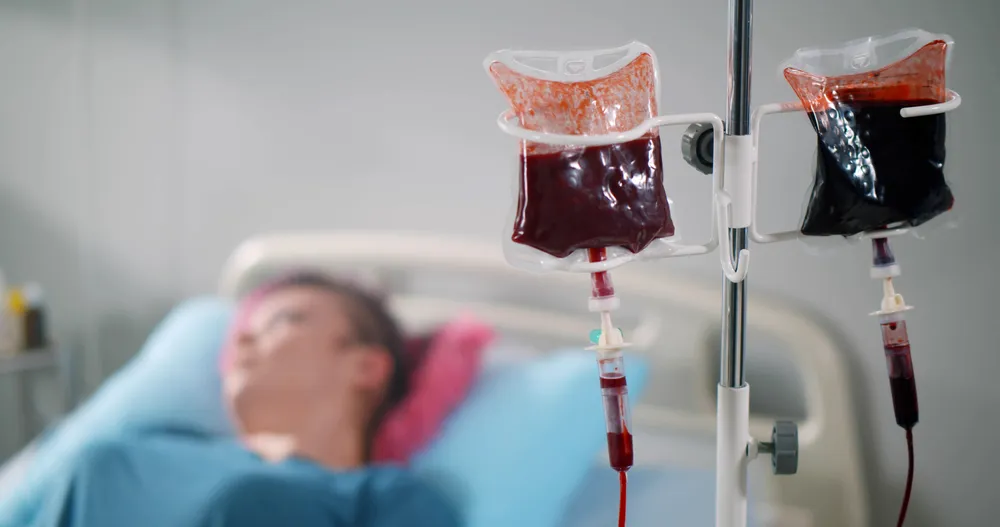
Jehovah’s Witnesses deeply respect blood, seeing it as a symbol of life. This belief shapes their views on medical treatments, like blood transfusions.
Blood as a Symbol of Life
In the Bible, blood is linked to life and energy. Jehovah’s Witnesses believe that Leviticus 17:14 and Acts 15:29 tell us to respect blood. They think this means not to eat it or accept blood transfusions.
Spiritual Significance of Blood Abstinence
Not drinking blood shows faith and following God’s rules. Jehovah’s Witnesses see it as a way to show their belief in the value of life. This practice is tied to their faith and the desire to live righteously.
|
Scripture Reference |
Interpretation |
Application to Blood Transfusions |
|---|---|---|
|
Leviticus 17:14 |
The life of the flesh is in the blood. |
Refusal to consume or receive blood. |
|
Acts 15:29 |
Abstain from blood. |
Avoidance of blood transfusions. |
The table shows important scriptures and their meanings about blood. It explains why Jehovah’s Witnesses avoid blood transfusions.
Historical Development of the Blood Transfusion Policy
For over 70 years, Jehovah’s Witnesses have refused blood transfusions. This choice comes from their deep belief in Biblical teachings.
Establishment of the Policy in 1945
The Watchtower, Jehovah’s Witnesses’ main publication, was key in setting this policy. In 1945, they told their followers not to get blood transfusions. They based this on Bible verses that say not to eat blood.
Key factors influencing this decision included:
- Biblical interpretations regarding the sanctity of blood
- Growing medical practices involving blood transfusions
- The organization’s internal governance and doctrinal development
Evolution of the Doctrine Over Time
Over the years, Jehovah’s Witnesses have made their blood transfusion policy clearer. Their leaders have kept the teachings in line with their faith.
The doctrine has evolved in several ways:
- Regular updates through official publications and congregational meetings
- Adaptation to advancements in medical technology and practices
- A consistent emphasis on adhering to Biblical principles regarding blood
This shows Jehovah’s Witnesses’ strong faith, even with medical and social changes.
Jehovah’s Witnesses: A Global Perspective
The Jehovah’s Witness community is huge and varied, covering many cultures. With about 8 million followers globally, their views on blood transfusions stay the same everywhere.
Worldwide Membership Statistics
Jehovah’s Witnesses are found almost everywhere, showing their wide reach. Their numbers show they’re always trying to spread their message. They keep their beliefs the same by following updates from their leaders.
Consistency of Blood Transfusion Beliefs Across Cultures
Jehovah’s Witnesses stick to their beliefs, like not getting blood transfusions, everywhere. This rule comes from their reading of the Bible. It shows they’re united in their faith, no matter where they are.
The JW beliefs on blood transfusions are strong and never change. This shows their dedication to their faith. It also shows they value community and shared values.
Medical Ethics and Patient Autonomy
The debate on blood transfusions and Jehovah’s Witnesses shows the complexity of respecting patient choices in medicine. At the core is the patient’s right to say no to medical treatment. This is a key part of medical ethics.
The Right to Refuse Medical Treatment
Patient autonomy is a key part of medical ethics. It lets people make their own health care decisions. Jehovah’s Witnesses refusing blood transfusions because of their beliefs is a clear example.
This refusal is backed by laws in many places. These laws say patients can refuse treatment, even if it could save their life. But only if they are of sound mind and fully understand the risks.
Key Considerations:
- Informed consent and refusal
- Capacity to make medical decisions
- Legal and ethical frameworks supporting patient autonomy
Balancing Religious Freedom and Medical Care
It’s a tough job to balance a patient’s right to refuse with a doctor’s duty to help. Doctors must deal with the ethical challenges of respecting religious beliefs while trying to save lives. This is very important in cases involving Jehovah’s Witnesses and blood transfusions.
Creating medical options that respect a patient’s beliefs while helping them is key. New ways to do surgery without blood and other medical advances have helped patients who don’t want blood transfusions.
|
Medical Alternatives |
Description |
Benefits |
|---|---|---|
|
Bloodless Surgery |
Surgical techniques that minimize blood loss |
Respects patient’s religious beliefs, reduces risk of blood-borne infections |
|
Non-Blood Volume Expanders |
Solutions used to expand blood volume without using blood |
Effective in maintaining blood pressure, aligns with patient’s refusal of blood transfusions |
|
Pharmacological Alternatives |
Medications that stimulate blood production or reduce bleeding |
Enhances patient’s own blood production, reduces need for transfusions |
This way of thinking not only respects patient choices but also pushes medical care forward. It helps more patients, not just Jehovah’s Witnesses.
Blood Transfusion Therapy: What Jehovah’s Witnesses Refuse

Jehovah’s Witnesses do not accept blood transfusions because of their religious beliefs. They see it as against their biblical teachings. This choice is deeply rooted in their faith and medical understanding.
Components of Blood and Their Functions
Blood has several parts, each with its own role in keeping us healthy. Red blood cells carry oxygen, while white blood cells fight off infections. Platelets help blood to clot, and plasma carries everything around the body. Red blood cell transfusion helps with anemia or blood loss. Platelet transfusion stops bleeding in those with low platelet counts.
Knowing about these parts helps understand Jehovah’s Witnesses’ stance on blood transfusions. They believe blood is sacred and should not be transfused against their religious views.
Specific Transfusion Procedures Prohibited
Jehovah’s Witnesses do not accept whole blood, red or white blood cells, or platelets. They also avoid plasma, seeing it as part of blood. But, they might accept blood fractions like albumin or clotting factors, depending on their beliefs. The main issue is whether the product is a “major component” of blood.
“The Bible commands us to abstain from blood, and this command is taken seriously by Jehovah’s Witnesses,” said a representative from the Watchtower Bible and Tract Society. “Our refusal of blood transfusions is not a rejection of medical care but a commitment to our faith.”
In summary, Jehovah’s Witnesses’ stance on blood transfusions stems from their faith and biblical teachings. Healthcare workers need to understand this to respect patients’ beliefs and choices.
Medical Alternatives Acceptable to Jehovah’s Witnesses
Modern medicine has come up with many alternatives to blood transfusions. These options respect the beliefs of Jehovah’s Witnesses while ensuring they get good care. The medical field has made big steps in finding safe and acceptable treatments for them.
Blood Fractions and Derivatives
Blood fractions and derivatives are made from blood but are okay for Jehovah’s Witnesses in some cases. They are processed a lot, making them different from whole blood or red blood cells. Albumin, immunoglobulins, and clotting factors are examples used to treat different health issues.
Doctors decide on a case-by-case basis if these products are right for a patient. Some Jehovah’s Witnesses might choose to use them, while others might not, based on their beliefs.
Non-Blood Volume Expanders
Non-blood volume expanders help increase blood volume in patients who have lost a lot of blood. They can be man-made or come from natural sources and don’t have blood in them. Saline solutions, dextran, and hydroxyethyl starch (HES) are examples.
These solutions help keep blood pressure up and make sure vital organs get enough blood. They’re very useful in emergencies or during surgeries.
Pharmacological Alternatives
Pharmacological alternatives are medicines that help make red blood cells or manage conditions that might need a blood transfusion. Epoetin alfa, for example, is a medicine that helps make more red blood cells.
Other medicines include iron supplements for iron deficiency anemia and antifibrinolytics like tranexamic acid to stop bleeding during surgery. These medicines are key in saving blood for patients who need it.
Bloodless Medicine and Surgery Techniques
The medical field has made big steps in bloodless medicine and surgery. New technology and methods let doctors do surgeries and manage health issues without blood transfusions.
Minimizing Blood Loss During Surgery
To reduce blood loss in surgery, doctors use careful techniques. They use electrosurgical units to seal blood vessels. Also, laser surgery cuts and seals tissue at the same time.
Blood Conservation Strategies
Reducing blood transfusions is key. Doctors check for anemia before surgery. They also use blood salvage and post-op care to cut down on blood loss.
Specialized Equipment and Procedures
New tools and methods have improved bloodless medicine. Hypotensive anesthesia lowers blood pressure to reduce bleeding. Cell salvage devices also recover and give back a patient’s own blood.
|
Technique |
Description |
Benefits |
|---|---|---|
|
Electrosurgical Units |
Seal blood vessels during surgery |
Reduces blood loss |
|
Laser Surgery |
Cuts and coagulates tissue |
Minimizes bleeding |
|
Hypotensive Anesthesia |
Reduces blood pressure |
Decreases blood loss |
|
Cell Salvage Devices |
Recovers and reinfuses patient’s blood |
Conserves blood |
These new methods in bloodless medicine and surgery help patients who don’t want blood transfusions. They also make surgery better for everyone.
Medical Outcomes for Patients Who Refuse Transfusions
Medical studies have looked into the outcomes of patients who choose not to have blood transfusions. This choice is often made for religious reasons, like those of Jehovah’s Witnesses. It means doctors have to find other ways to help these patients.
Comparative Studies on Surgical Outcomes
Many studies have compared the results of surgery for patients who do and don’t get transfusions. They found that careful blood management can help patients who refuse transfusions do as well as those who accept them. For example, a study in the Journal of Surgical Research showed Jehovah’s Witnesses had the same survival rate as others during heart surgery when blood-saving methods were used.
Blood conservation strategies are key. They include reducing blood loss, using blood fractions, and finding medicine alternatives to avoid transfusions.
Risk Factors in Cases of Severe Anemia
Severe anemia is a big risk for surgery patients. Those with low hemoglobin levels before surgery face more complications. But, studies show that with the right care, like erythropoietin and iron, these risks can be lowered.
Using non-blood volume expanders is another way to help patients with severe anemia. It keeps them stable during and after surgery.
Mortality Rates and Hemoglobin Levels
Studies link mortality rates in patients who refuse transfusions to their preoperative hemoglobin levels. Patients with higher hemoglobin levels before surgery tend to do better. A study in the British Journal of Surgery found that mortality rates jump up when hemoglobin levels drop below a certain point.
It’s important to understand how hemoglobin levels affect survival. Doctors must plan surgeries carefully, considering the patient’s hemoglobin and overall health.
By using restrictive blood management practices and other treatments, doctors can better care for these patients.
Legal and Ethical Challenges in Healthcare Settings
Dealing with Jehovah’s Witness patients is tricky for healthcare workers. Their refusal of blood transfusions comes from their faith. This can clash with medical advice.
Court Cases Involving Jehovah’s Witnesses
Many court cases have dealt with Jehovah’s Witnesses and blood transfusions. These cases focus on the patient’s right to choose versus the doctor’s duty to save lives.
In some cases, courts have sided with the patient’s choice, even if it means death. In others, they’ve allowed blood transfusions when it’s a matter of life and death, like with minors.
|
Case Type |
Court Ruling |
Implications |
|---|---|---|
|
Adult Patient Refusal |
Respected patient’s autonomy |
Set a precedent for patient rights |
|
Minor Patient Refusal |
Authorized blood transfusion |
Highlighted the complexities of parental rights vs. child welfare |
|
Emergency Situations |
Varied rulings based on circumstances |
Showcased the need for clear hospital protocols |
Hospital Protocols for Treating Jehovah’s Witness Patients
Hospitals have set up special plans for Jehovah’s Witness patients. These plans include:
- Advance care planning discussions
- Use of bloodless surgery techniques
- Alternative treatments to blood transfusions
These plans aim to honor the patient’s faith while giving them the care they need.
Ethical Dilemmas for Healthcare Providers
Healthcare workers face tough choices when treating Jehovah’s Witness patients. They must weigh their duty to save lives against respecting the patient’s autonomy and faith.
This requires careful thought and often involves a team effort. This includes ethical consultations and talks with the patient and their family.
The Growing Demand for Bloodless Medicine Worldwide
The medical world is moving towards bloodless medicine fast. This change is thanks to new ideas and what patients want. It started with treating Jehovah’s Witnesses, who don’t get blood transfusions because of their beliefs.
Innovations Originating from Treating Jehovah’s Witnesses
Doctors had to find new ways to help Jehovah’s Witnesses. They created methods for big surgeries without blood. These steps helped not just Jehovah’s Witnesses but also the whole field of bloodless medicine.
Now, doctors use blood conservation strategies and pharmacological alternatives more. This means they need blood transfusions less. A study on the National Center for Biotechnology Information (NCBI) website shows how well these strategies work.
Adoption of Blood-Conservation Techniques in Mainstream Medicine
Doctors now use these new methods in regular medicine too. Hospitals all over are adding blood-conservation techniques to their usual care. This helps more patients, not just Jehovah’s Witnesses.
These changes aren’t just for surgery. There’s also a push for transfusion-free coronary care and other treatments. This is because of the risks of blood transfusions and what patients want.
Global Healthcare Excellence Examples
Many hospitals worldwide are leaders in bloodless medicine. They have special programs for surgery and patient care. They also research new treatments that don’t need blood transfusions.
Places that have successful bloodless medicine programs are setting examples. They show better patient results and save money. These examples encourage other hospitals to follow, helping bloodless medicine grow globally.
Personal Decision-Making Within the Jehovah’s Witness Community
Personal choices in the Jehovah’s Witness community are shaped by their religious beliefs. This is true for decisions about medical treatments like blood transfusions. Their beliefs, based on the Bible, greatly influence their healthcare choices.
Advance Directives and Medical Power of Attorney
Jehovah’s Witnesses are urged to make plans for medical treatment, focusing on blood transfusions. They create legal documents to state their wishes if they can’t decide for themselves. They also choose a Medical Power of Attorney to make healthcare decisions for them, ensuring their beliefs are respected.
Advance directives and a Medical Power of Attorney guide healthcare providers. They help avoid conflicts between medical ethics and religious beliefs. Jehovah’s Witnesses feel secure knowing their wishes will be followed.
Congregational Support Systems
The Jehovah’s Witness community values congregational support. Members help each other, including when making medical decisions. This support helps them make healthcare choices that fit their faith.
Congregations offer emotional and spiritual backing. They help members deal with the challenges of refusing certain treatments. This support strengthens their commitment to their beliefs.
Individual Conscience and Community Expectations
While Jehovah’s Witnesses have clear medical treatment guidelines, they must make personal decisions. These decisions should reflect their conscience and understanding of biblical commands. There’s a fine line between following community expectations and making choices that reflect their faith and values.
The community supports individuals in making informed decisions that align with their beliefs. This balance is key to keeping faith strong while facing modern healthcare challenges.
|
Aspect |
Description |
Importance |
|---|---|---|
|
Advance Directives |
Legal documents outlining medical treatment wishes |
High |
|
Congregational Support |
Emotional and spiritual support from the community |
High |
|
Individual Conscience |
Personal decision-making guided by faith and values |
High |
Conclusion: Respecting Religious Beliefs in Modern Healthcare
The refusal of blood transfusions by Jehovah’s Witnesses is a big challenge in today’s healthcare. It shows how important it is to respect religious beliefs in medical care. As healthcare keeps changing, it’s key to meet the needs of patients who follow this belief.
New advances in bloodless medicine have opened up more treatment options for Jehovah’s Witnesses. This lets doctors offer therapies that fit with their religious views. This change not only respects patients’ choices but also makes healthcare more welcoming for everyone.
Healthcare providers can better care for Jehovah’s Witnesses by understanding and respecting their beliefs about blood transfusions. Using bloodless medicine and respecting religious beliefs in healthcare will keep improving patient care and results.
FAQ
Why do Jehovah’s Witnesses refuse blood transfusions?
Jehovah’s Witnesses don’t accept blood transfusions because of their faith. They believe blood is sacred and should not be used or given.
What are the key biblical references that underpin Jehovah’s Witnesses’ refusal of blood transfusions?
Key texts include Leviticus 17:10-14, Deuteronomy 12:23-25, and Acts 15:28-29. These are seen as banning blood use or transfusion.
How do Jehovah’s Witnesses view the theological significance of blood?
They see blood as life’s essence and sacred. Not using it shows respect for God’s laws and faith.
When was the blood transfusion policy among Jehovah’s Witnesses established?
The policy started in 1945. It has evolved with new insights and clarifications over time.
What medical alternatives are available to Jehovah’s Witnesses who require surgery or treatment that typically involves blood transfusions?
Options include blood fractions and non-blood volume expanders. These are okay with Jehovah’s Witnesses.
What advancements have been made in bloodless medicine and surgery?
New methods reduce blood loss and use special equipment. These advances help in bloodless procedures.
What are the medical outcomes for patients who refuse blood transfusions?
Studies show similar results for those who don’t get transfusions. But, severe anemia poses risks.
What legal and ethical challenges do healthcare providers face when treating Jehovah’s Witness patients?
Providers must balance patient rights and medical needs. They also face hospital rules and court cases.
How do Jehovah’s Witnesses make personal decisions regarding medical treatment?
They use their own judgment, support from their community, and advance directives.
What is the global demand for bloodless medicine, and how has it been influenced by Jehovah’s Witnesses?
Bloodless medicine’s demand has increased. Innovations for Jehovah’s Witnesses have helped mainstream medicine adopt these techniques.
Are there specific transfusion procedures that Jehovah’s Witnesses refuse?
Yes, they reject red blood cell, platelet, and plasma transfusions. This is due to their belief in blood’s sacredness.
How do healthcare providers accommodate the preferences of Jehovah’s Witness patients?
Providers offer bloodless options and respect their wishes. They aim to care for them according to their beliefs.
References
- Royal College of Surgeons (RCS). Patients who refuse blood. Available at: https://www.rcseng.ac.uk/standards-and-research/standards-and-guidance/good-practice-guides/patients-who-refuse-blood/