
Reaching the 100-day mark after a transplant of bone marrow is a big deal for patients
Every person’s path to getting better is unique. Some might start feeling better, while others face ongoing treatment effects.
Knowing what to expect during this important time helps patients and their families get ready for life after bone marrow transplant.
Key Takeaways
- The 100-day milestone is a significant marker in the recovery process.
- Recovery varies greatly among individuals.
- Understanding the process can help patients prepare.
- Life after transplant requires careful management.
- .
The Purpose and Process of Bone Marrow Transplantation
It’s important to know about bone marrow transplantation if you’re thinking about it. This treatment replaces your diseased or damaged bone marrow with healthy stem cells. It’s also known as a stem cell transplant.
What is bone marrow and why it’s essential
Bone marrow is the soft tissue in bones like hips and thighbones. It makes blood cells. Without it, your body can’t fight infections, carry oxygen, or stop bleeding.
Types of bone marrow transplants: autologous vs. allogeneic
There are two main types of bone marrow transplants. An autologous transplant uses your own stem cells. These are collected, stored, and then given back after treatment. An allogeneic transplant uses stem cells from another person, who can be a relative or not.
Medical conditions requiring transplant of bone marrow
Bone marrow transplants treat many conditions. These include some cancers like leukemia and lymphoma, and non-cancerous diseases like aplastic anemia and sickle cell disease.
| Medical Condition | Description | Role of Bone Marrow Transplant |
| Leukemia | A type of cancer that affects the blood and bone marrow | Replaces cancerous bone marrow with healthy marrow |
| Lymphoma | Cancer of the immune system | Used when high-dose chemotherapy is required |
| Aplastic Anemia | A condition where the bone marrow fails to produce blood cells | Replaces the failed bone marrow with healthy stem cells |
Conditioning Regimens: Chemotherapy and Radiation
Before the transplant, patients go through a conditioning regimen. This usually includes chemotherapy and sometimes total body irradiation (TBI). This step is vital. It destroys the old bone marrow, making room for new cells. It also weakens the immune system to prevent rejection.
Stem Cell Collection Methods
Stem cells can come from the patient (autologous) or a donor (allogeneic). The collection uses apheresis, a method that separates stem cells from other blood parts. The choice depends on the patient’s health and the transplant type.
The Actual Transplant Procedure
The transplant itself is simple. The collected stem cells are given to the patient through a central line, like a blood transfusion. These cells then go to the bone marrow, starting to make new blood cells.
It’s important for patients to understand these steps. Each one, from conditioning to the transplant, is critical for success.
Immediate Post-Transplant Phase: Days 0-30
The first 30 days after a bone marrow transplant are key to a patient’s recovery. During this time, doctors watch for any signs of trouble or graft-versus-host disease (GVHD).
Hospital Stay Duration and Isolation Requirements
How long a patient stays in the hospital depends on their health and the transplant type. Usually, patients need to stay for 2-4 weeks after the transplant. They must also stay isolated to avoid infections, as their immune system is weak.
Nadir Period and Infection Risks
The nadir period, happening 7-14 days after the transplant, is when blood cell counts are low. This makes patients more likely to get infections and bleed.
To manage these risks, doctors use strict infection control and may give growth factors to help blood cells grow.
| Risks During Nadir Period | Management Strategies |
| Infections | Strict infection control, prophylactic antibiotics |
| Bleeding | Platelet transfusions, monitoring of platelet count |
| Anemia | Red blood cell transfusions, monitoring of hemoglobin levels |
It’s important for patients and their caregivers to understand the risks of the first 30 days after a transplant. By following doctor’s advice and taking action, patients can get through this tough time and start to recover.
Recovery Milestones: Days 30-60

Days 30-60 after a bone marrow transplant are key. They show if the transplant worked and how well the patient is recovering. During this time, patients usually see big improvements in their health.
Immune System Rebuilding Progress
The immune system keeps getting better from days 30-60. It’s not fully strong yet, but it’s on the way. This is important for fighting off infections and diseases.
Medication Adjustments and Follow-up Care
Doctors often change medications during this time. They do this to manage side effects and prevent problems. Regular check-ups are key to making sure everything is going well.
| Recovery Aspect | Days 30-60 Milestones |
| Physical Strength | Noticeable improvement in energy levels and physical capabilities |
| Immune System | Initial signs of immune system recovery |
| Medication | Adjustments to manage side effects and prevent complications |
Knowing these recovery milestones helps patients and their caregivers. It lets them make better choices about their care during this time.
The Journey to Day 100: Days 60-100
After reaching the 60-day mark, patients start their journey towards full recovery. Day 100 is a big milestone.
Increasing Activity Levels and Independence
Between days 60 and 100, patients slowly get more active and independent. This is because their bodies are healing well and they’re getting good care after the transplant. Doctors often tell patients to do light exercises to help their recovery.
Psychological Aspects of Recovery
The mental journey is just as important as the physical one. Patients might feel many emotions, like relief, gratitude, anxiety, and fear. Having support from loved ones and mental health experts is key to dealing with these feelings.
Preparing for the Day 100 Evaluation
As patients near day 100, they go through detailed checks to see how they’re doing. These include medical tests, health checks, and talks about their ongoing care. To get ready, patients need to stay healthy, follow their meds, and go to all their follow-up visits.
| Aspect of Recovery | Days 60-100 Milestones |
| Physical Activity | Gradual increase in exercise and daily activities |
| Psychological Well-being | Emotional support, counseling, and stress management |
| Medical Evaluations | Comprehensive assessments at day 100 |
The Significance of Day 100 After Bone Marrow Transplant
Reaching 100 days after a bone marrow transplant is a big deal. It shows a major step in the healing journey.
The 100-day mark is a big deal for health reasons. It shows a big step in getting better. At this point, patients have had many medical checks to see how they’re doing.
Why the 100-day milestone matters medically
The 100-day mark is key because it shows the patient has made it past the toughest time after the transplant. Comprehensive medical evaluations are done to check on their health, how well the new bone marrow is working, and if there are any problems.
These checks include tests for graft-versus-host disease (GVHD), infections, and other issues related to the transplant. The test results help doctors make any needed changes to treatment plans.
Comprehensive medical evaluations at day 100
By day 100, patients get a detailed check of their health. This includes looking at how well the bone marrow is making blood cells, checking for any signs of the disease coming back, and seeing how well they’re physically recovering.
These detailed health checks at this time are very important. They help find any problems early. These checks usually include:
- Blood tests to check blood cell counts and look for any odd results.
- Bone marrow biopsies to see how well the marrow is working.
- Imaging tests to look for any signs of problems.
Typical physical condition at this stage
By day 100, many patients start to feel a lot better. They might not have all their energy back yet, but they’re getting stronger and more able to do things.
But, it’s important to remember that everyone recovers differently. Some might be feeling very tired and have other side effects from the treatment.
Reaching the 100-day mark is a big achievement. Patients should keep following their doctor’s advice to make sure they keep getting better.
Immune System Function at 100 Days
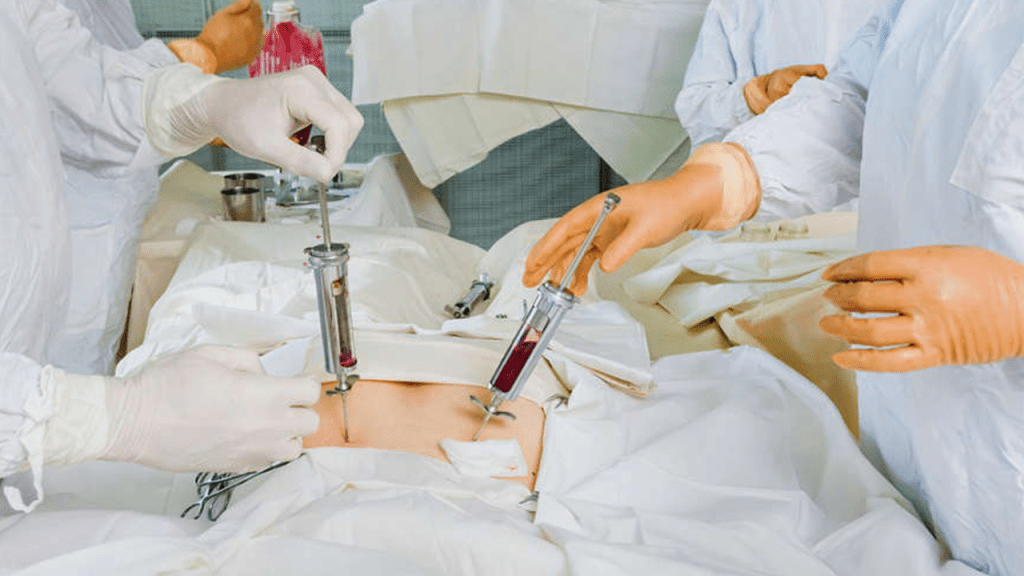
Rebuilding the immune system is a slow process. Big steps are usually seen around 100 days after a transplant. At this point, patients have made a lot of progress in their recovery.
Immune Reconstitution Timeline and Expectations
The immune system’s recovery after a transplant is complex. It involves many cell types. Immune reconstitution is key for fighting off infections and ensuring the transplant’s long-term success.
Vaccination Schedule Post-Transplant
Vaccinations are very important as the immune system rebuilds. A specific vaccination schedule is given to patients after a transplant. It helps protect against infections.
- Inactivated vaccines are given first.
- Live vaccines are introduced later, based on the patient’s immune status.
Ongoing Infection Prevention Strategies
Infection prevention is a big focus at 100 days post-transplant. Patients are told about lifestyle changes and precautions to lower infection risks.
| Infection Prevention Measure | Description |
| Avoiding Crowds | Reducing exposure to possible infection sources. |
| Hand Hygiene | Frequent hand washing with soap and water or using hand sanitizer. |
| Food Safety | Avoiding undercooked foods and ensuring safe drinking water. |
Knowing the immune system’s status at 100 days and following guidelines can greatly improve patients’ outcomes and quality of life.
Bone Marrow Regeneration and Blood Cell Production
Recovering from a bone marrow transplant means the bone marrow and blood cells must grow back. This is a key step to making healthy blood cells again.
Blood Count Recovery Patterns
Watching blood counts is important to see if bone marrow is working. After a transplant, patients often have low blood counts first. Then, their counts start to go up.
- White Blood Cells (WBCs): WBCs fight infections. Their count usually starts to recover within a few weeks post-transplant.
- Red Blood Cells (RBCs): RBCs carry oxygen. It may take several months for RBC counts to return to normal.
- Platelets: Platelets help with blood clotting. Platelet counts can take several weeks to a few months to recover.
Long-term Bone Marrow Function Expectations
In the long term, most patients see their bone marrow working well again. But, some might face ongoing issues with blood production.
It’s vital to keep up with doctor visits to check on bone marrow health. This helps catch and deal with any problems early on.
Acute vs. Chronic GVHD Manifestations
GVHD comes in two types: acute and chronic. Acute GVHD shows up within 100 days after the transplant. It affects the skin, liver, and stomach. On the other hand, chronic GVHD can start anytime after the transplant. It can last for years and affect many organs.
GVHD Symptoms and Treatment Approaches
The symptoms of GVHD depend on the organs affected. Common signs include skin rashes, nausea, vomiting, diarrhea, and stomach pain. To treat GVHD, doctors use medicines to stop the graft from attacking the host’s body. The treatment plan depends on how severe the GVHD is and which organs are affected.
- Corticosteroids are often the first treatment.
- More severe cases might need other immunosuppressive drugs.
- Supportive care is key to manage symptoms and prevent infections.
Long-term GVHD Management Strategies
Managing GVHD long-term means watching the patient closely and adjusting treatments as needed. Patients with chronic GVHD may need ongoing care and lifestyle changes. This helps manage symptoms and prevent infections.
“The management of GVHD requires a multidisciplinary approach, including hematologists, immunologists, and other specialists to optimize patient outcomes,” as noted by recent medical guidelines.
Good management of GVHD is vital. It helps improve the quality of life and survival for patients after a bone marrow transplant.
Nutritional Needs and Dietary Guidelines Post-Day 100
After day 100, those who have had a bone marrow transplant must watch what they eat closely. A balanced diet is key for recovery. It helps rebuild the immune system and manage side effects.
Food Safety Guidelines After the 100-Day Mark
Even after day 100, food safety is very important. Patients should stay away from high-risk foods like raw meat, eggs, and unpasteurized dairy. This includes how to handle, store, and cook food.
- Avoid eating raw or undercooked meat, poultry, and seafood.
- Choose pasteurized dairy products and juices.
- Wash fruits and vegetables thoroughly before consumption.
Recommended Diet for Continued Recovery
Eating a balanced diet with lots of fruits, veggies, whole grains, and lean proteins is best. If needed, supplements can help with nutritional deficiencies. It’s smart to talk to a healthcare provider or dietitian to make a diet plan that fits.
Addressing Nutritional Deficiencies and Weight Management
It’s important to keep an eye on nutritional deficiencies. Patients should watch their weight and tell their healthcare team about any big changes. Diet adjustments might be needed to make sure they get enough nutrients and stay healthy.
Following these dietary guidelines can help patients recover better and live a better life after their transplant.
Safe Exercise Progression
Starting safe exercises is important after a transplant. Begin with easy activities like short walks or light stretches. Then, slowly add more intensity and time as you get better and your doctor says it’s okay.
Building Strength and Endurance
Getting stronger and more energetic takes time and effort. Use resistance training to build muscle and do cardio to boost endurance.
Working with Physical Therapists
Seeing physical therapists is a great idea for recovery. They create custom workout plans, teach the right ways to exercise, and check on your progress.
Adding physical rehab to your recovery plan can greatly boost your physical health and happiness after a bone marrow transplant.
Monitoring for Relapse and Complications
Monitoring for relapse and complications is key after a bone marrow transplant. Patients are watched closely for any signs of relapse or secondary complications.
Signs of Relapse After Bone Marrow Transplant
Relapse happens when the disease comes back. Symptoms like fatigue, weight loss, or infections can be signs. Regular check-ups with doctors are important for catching these early.
Common signs of relapse may include:
- Recurring or persistent fatigue
- Unexplained weight loss
- Infections that are difficult to treat
- Abnormal blood test results
Routine Monitoring Schedule and Tests
After the transplant, a routine schedule is set to track recovery. This includes blood tests, bone marrow biopsies, and imaging studies.
“Follow-up care is an important part of your treatment plan. It includes check-ups with your healthcare team to monitor your health and watch for any signs of relapse or other problems.”
“Follow-up care is an important part of your treatment plan.”
Secondary Cancers and Other Long-term Risks
Patients after a bone marrow transplant face risks of secondary cancers and long-term complications.
Long-term risks may include:
- Secondary cancers such as leukemia or lymphoma
- Organ damage due to chemotherapy or radiation
- Graft-versus-host disease (GVHD) in allogeneic transplant recipients
Knowing the risks and signs of relapse and complications helps patients work with their healthcare team. This way, they can monitor their condition well and tackle any problems quickly.
Returning to Normal Life Activities
After a bone marrow transplant, getting back to normal life needs careful planning. Patients often think about going back to work or school, joining social events, and traveling. These steps are important for a smooth transition.
Social Reintegration and Family Relationships
Getting back into social life is a big part of recovery. It’s good to reconnect with family and friends, but be careful. Avoiding crowded places and people with infections is important during this time. Family and caregivers are essential for emotional and physical support.
Travel Considerations and Precautions
Traveling after a transplant needs careful planning. Always talk to your doctor about your travel plans. Try to avoid places with high infection risks, like areas with outbreaks.
| Travel Precautions | Description |
| Avoid Crowded Areas | Stay away from crowded places like public transport, shopping malls, and tourist spots to lower infection risk. |
| Carry Medical Documents | Always have documents about your medical history, treatment, and your doctor’s contact info with you. |
| Stay Up-to-Date on Vaccinations | Make sure to get all the vaccinations recommended after your transplant to protect against infections. |
By thinking about these things and listening to your healthcare provider, you can safely get back to your normal life after a bone marrow transplant.
Long-term Outlook and Life Expectancy After Transplant of Bone Marrow
The journey to recovery doesn’t end at 100 days. It’s important to understand the long-term effects of a bone marrow transplant. Patients often look for information on survival rates and late effects as they approach this milestone.
Factors Affecting Long-term Outcomes
Many factors affect long-term outcomes after a BMT. These include the patient’s age at transplant, the condition being treated, and any comorbidities. The type of transplant and the degree of HLA matching also play big roles.
Late Effects and Ongoing Monitoring Needs
Late effects can include chronic graft-versus-host disease (GVHD), secondary cancers, and organ dysfunction. It’s vital to monitor these closely. Regular check-ups with a healthcare provider are key to managing any issues that arise.
Key aspects of long-term care include:
- Regular check-ups with healthcare providers
- Monitoring for signs of relapse or late effects
- Adherence to recommended vaccination schedules
- Managing chronic GVHD and other complications
By understanding these factors and staying vigilant with follow-up care, patients can improve their long-term outlook after a bone marrow transplant.
Conclusion
Recovering from a bone marrow transplant is a big step, starting a new chapter in life. This journey is complex, from the bone marrow transplant to the tough recovery that follows.
By the 100-day mark after the transplant, patients have changed a lot. They’ve not just healed from the transplant. They’ve also built up their strength, immunity, and sense of normalcy.
Life after a bone marrow transplant needs careful attention. Patients must watch out for complications, stay healthy, and keep up with follow-up care. Knowing what to expect can help patients through this tough but hopeful time.
With the right support and medical care, many patients live full lives after their transplant. They enjoy better health and well-being.
FAQ
What is the significance of the 100-day milestone after a bone marrow transplant?
The 100-day mark is a big deal in recovery. It shows the patient has made it past the toughest part. Doctors do detailed checks to see how the patient is doing and if there are any issues.
How long does it take for bone marrow to grow back after a transplant?
Bone marrow starts to grow back in a few weeks. But, it can take months to a year or more to fully recover.
What are the signs of relapse after a bone marrow transplant?
Signs of relapse include low blood cell counts and symptoms coming back. Patients are watched closely for these signs. If anything seems off, they should tell their doctor right away.
How long does a bone marrow transplant process take?
The whole process can take months. The transplant itself is short, but getting ready and recovering takes a lot longer.
What are the risks associated with low blood cell counts after a bone marrow transplant?
Low blood cell counts can lead to infections, anemia, and bleeding. Patients might stay isolated and get transfusions or meds to help.
What is GVHD, and how is it managed?
GVHD happens when the new immune cells attack the body. It’s managed with meds and lifestyle changes to ease symptoms.
What are the nutritional needs after a bone marrow transplant?
Patients need a balanced diet to recover. They should follow food safety tips and get the right nutrients to avoid deficiencies.
How soon can patients return to normal activities after a bone marrow transplant?
It varies by person. Doctors will guide patients to gradually increase their activity. They should avoid risks to prevent complications.
What is the life expectancy after a bone marrow transplant?
Life expectancy depends on the condition, health, and complications. Thanks to better techniques, survival rates have improved.
How often are follow-up appointments necessary after a bone marrow transplant?
Regular check-ups are key to monitor recovery and catch any problems early. Appointments are more frequent in the first year.
Can patients travel after a bone marrow transplant?
Travel plans should be discussed with the doctor. Patients need to take precautions to avoid infections and complications.
What are the long-term risks after a bone marrow transplant?
Risks include secondary cancers and organ damage. Ongoing care is needed to manage these risks.
References
- American Cancer Society. (2024). After a stem cell transplant: The first 100 days and beyond. Retrieved September 25, 2025, fromhttps://www.cancer.org/cancer/managing-cancer/treatment-types/stem-cell-transplant/after/after-100-days.html
- Centers for Disease Control and Prevention. (2024). Stem cell transplant guidelines. Retrieved September 25, 2025, fromhttps://www.cdc.gov/transplant/guidelines/index.html
- Leukemia and Lymphoma Society. (2024). Understanding graft-versus-host disease (GVHD). Retrieved September 25, 2025, fromhttps://www.lls.org/managing-your-cancer/side-effects/stem-cell-transplant-side-effects/understanding-graft-versus-host
- National Cancer Institute. (2024). Bone marrow transplantation and peripheral blood stem cell transplantation. Retrieved September 25, 2025, fromhttps://www.cancer.gov/publications/dictionaries/cancer-terms/def/bone-marrow-transplantation