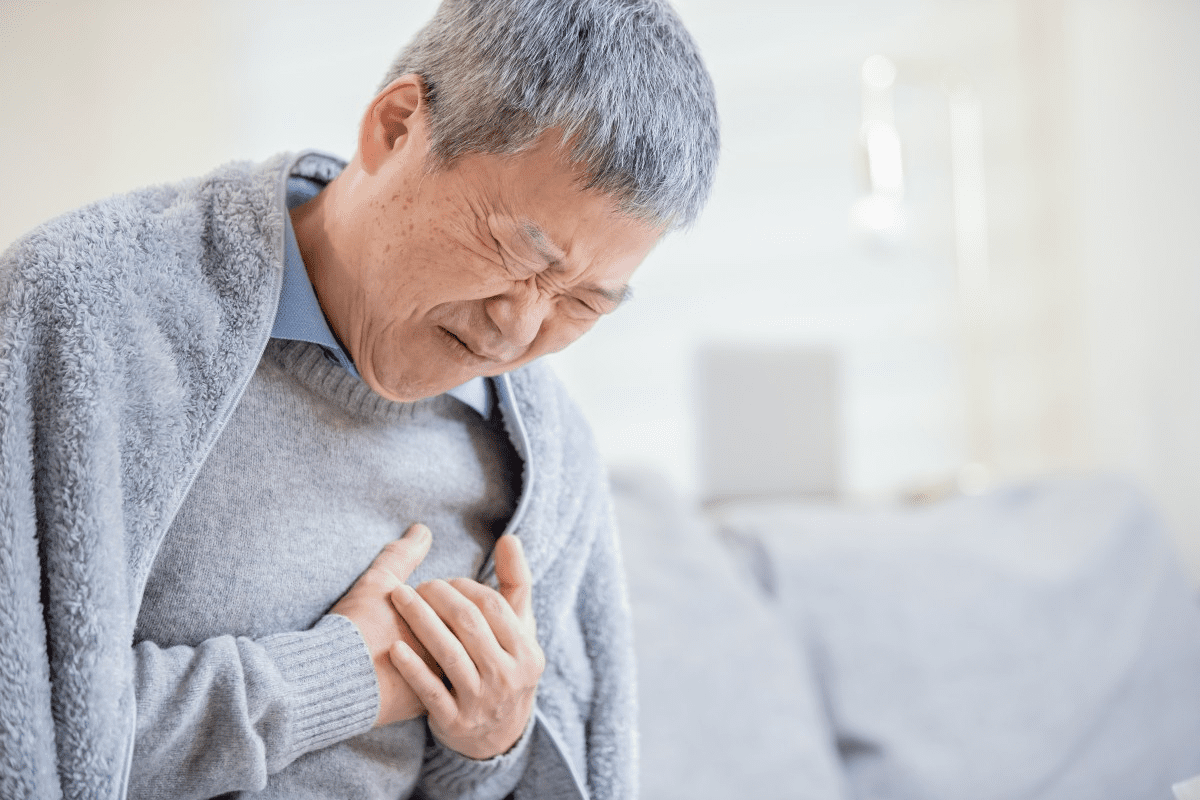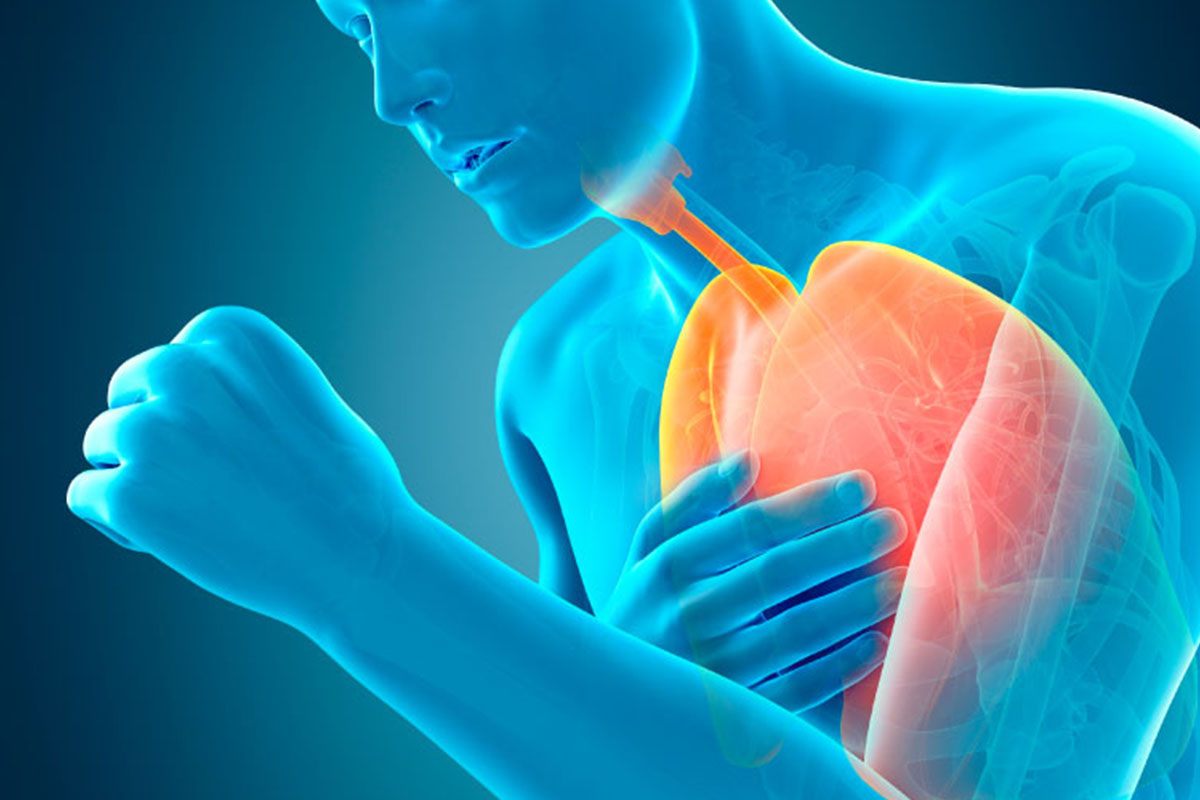
Acute COPD exacerbations are sudden and serious. They cause increased dyspnea, cough, and sputum production. It’s vital to get medical help right away treatment for acute
At Liv Hospital, we focus on world-class respiratory care. We use proven methods to manage these episodes. Our goal is to help patients feel better and avoid future problems.
Managing COPD can make life better. It helps patients enjoy more activities. We offer advanced medical treatments and support for international patients.
Key Takeaways
- Acute COPD exacerbations require immediate medical intervention to prevent respiratory failure.
- Proper management can improve symptoms and reduce the risk of future exacerbations.
- Evidence-based protocols are key to effective care for COPD patients.
- A patient-centered approach ensures complete support for COPD patients.
- Advanced medical treatments and support services are available for international patients.
Understanding Acute COPD Exacerbations

Acute exacerbations of chronic obstructive pulmonary disease (COPD) are serious events. They make symptoms worse than usual, often needing a change in treatment.
Definition and Pathophysiology
An acute exacerbation of COPD (AECOPD) is when symptoms like breathing trouble, cough, and sputum get worse over 14 days. It’s caused by inflammation, airway narrowing, and sometimes infections.
Knowing how AECOPD works is key to treating it. Inflammation is a big part of it, making airways narrow and symptoms worse.
Common Triggers and Risk Factors
Viral and bacterial infections are top causes of AECOPD. Air pollution and not taking medicine as directed also trigger it. Knowing these triggers helps manage and prevent future problems.
- Viral respiratory infections
- Bacterial infections
- Air pollution exposure
- Non-adherence to prescribed COPD medications
Being at high risk for AECOPD includes having severe COPD, often getting worse, and other health issues like heart disease. Knowing these risks helps doctors tailor treatment plans better.
Impact on Lung Function and Quality of Life
AECOPD can hurt lung function, making it harder to breathe. This can lead to a drop in lung capacity, affecting life quality.
Exacerbations also hurt quality of life in many ways. They cause more symptoms, less activity, and stress. Treating AECOPD well is important to lessen these effects and help patients feel better.
Recognizing the Signs of an Acute COPD Exacerbation

Understanding when COPD symptoms worsen is key. We’ll show you how to spot the signs of a COPD flare-up. This will help you know when to get medical help.
Cardinal Symptoms to Watch For
Look out for these signs of a COPD flare-up:
- Worsening Dyspnea: Feeling more breathless, which can make daily tasks hard.
- Increased Cough Frequency and Severity: A cough that’s getting worse and might be dry or wet.
- Change in Sputum Volume and/or Purulence: More sputum or a change in color, often meaning an infection.
These symptoms can change in how bad they are and how they mix together. But they’re important signs of a flare-up.
Differentiating from Normal COPD Symptoms
It’s important to tell normal COPD symptoms from those of a flare-up. Some symptoms can change, but big changes mean you should worry:
- A big jump in breathlessness that usual treatments don’t fix.
- A change in sputum color or texture.
- Feeling really sick, tired, confused, or unable to do daily tasks.
Knowing the difference helps you get the right care.
When to Seek Immediate Medical Attention
It’s important to know when to get help fast. Seek immediate medical help if you have:
|
Symptom |
Description |
|---|---|
|
Severe Breathlessness |
Hard to breathe even when resting or doing little. |
|
Confusion or Altered Mental Status |
A sudden change in how you think or feel, which can mean severe lack of oxygen. |
|
Chest Pain or Discomfort |
Pain or discomfort in the chest, which could mean heart problems or other serious issues. |
Initial Assessment and Triage
When a patient comes in with a COPD exacerbation, quick action is key. This helps doctors figure out how bad it is and what to do next.
Vital Signs and Physical Examination
The first step is checking vital signs like heart rate and breathing rate. A detailed physical check is also important. It looks for signs of trouble breathing, like wheezing or using extra muscles.
“Checking vital signs and doing a physical exam helps us know how serious it is,” say COPD experts.
Oxygen Saturation Monitoring
Monitoring oxygen levels is a big part of the first check. We use pulse oximetry to see how well the patient is getting oxygen. This tells us if they need extra oxygen and how bad their low oxygen levels are.
Oxygen levels help us decide how much oxygen to give. We aim to keep oxygen levels good without causing too much carbon dioxide.
Diagnostic Tests and Imaging
Tests like chest X-rays and blood gas analysis are key in the first steps. Chest X-rays help find out why the patient is having trouble, like pneumonia.
ABG analysis shows how well the patient is breathing and how gases are being exchanged. This helps decide if they need help breathing.
By looking at vital signs, physical checks, oxygen levels, and test results, we can quickly sort patients. This lets us start the right treatment for COPD attacks.
Immediate Interventions for Respiratory Distress
Managing acute COPD exacerbations starts with quick relief for breathing problems. Our main goal is to keep the patient’s breathing stable and increase oxygen levels.
Oxygen Therapy Protocols
Oxygen therapy is key in treating acute COPD exacerbations. We use adjustable oxygen therapy to keep SpO2 between 88-92%. This method lowers the chance of too much carbon dioxide while boosting oxygen levels.
Oxygen Therapy Guidelines:
|
Oxygen Delivery Method |
Flow Rate |
Target SpO2 |
|---|---|---|
|
Nasal Cannula |
1-4 L/min |
88-92% |
|
Venturi Mask |
Variable |
88-92% |
Positioning for Optimal Breathing
Right positioning can greatly ease breathing troubles. We tell patients to sit up straight or find a position that lets their diaphragm move well. This helps lessen muscle fatigue and boosts lung capacity.
Breathing Techniques for Symptom Relief
Breathing methods are vital in easing COPD symptoms. Diaphragmatic and pursed-lip breathing slow down breathing, reduce muscle fatigue, and enhance gas exchange.
- Diaphragmatic Breathing: Uses the diaphragm for breathing instead of other muscles.
- Pursed-Lip Breathing: Keeps airways open longer, making breathing easier and more effective.
These quick actions help manage breathing issues in acute COPD exacerbations. They improve patient outcomes and quality of life.
Treatment for Acute COPD: Bronchodilator Therapy
Bronchodilator therapy is key in managing acute COPD. It relaxes airway muscles and improves breathing. We use two main types: Short-Acting Beta-2 Agonists (SABAs) and anticholinergic medications.
Short-Acting Beta-2 Agonists (SABAs)
SABAs, like albuterol and salbutamol, are the first choice for acute COPD. They relax airway muscles and improve airflow. We give them through inhalation, using a metered-dose inhaler (MDI) or nebulizer.
They start working in 5-10 minutes, giving quick relief. But their effect lasts only 4-6 hours. So, we might need to give them again to keep symptoms under control.
Anticholinergic Medications
Anticholinergic medications, such as ipratropium bromide, are also vital. They block acetylcholine at muscarinic receptors, reducing bronchospasm and mucus. We often use them with SABAs for better results.
Anticholinergics start working in 15-30 minutes and last up to 6-8 hours. This makes them a good choice for managing COPD symptoms.
In summary, bronchodilator therapy is essential for acute COPD. SABAs and anticholinergic medications help a lot. Knowing how they work helps us help patients with acute COPD better.
Corticosteroid Administration in COPD Exacerbations
Corticosteroids are key in treating acute COPD exacerbations. They help reduce symptoms and shorten hospital stays. Oral prednisolone and intravenous methylprednisolone improve lung function and reduce hospital time.
Oral Prednisolone Regimens
Oral prednisolone is often used for COPD exacerbations. The usual dose is 30-40 mg daily for 7-14 days. Treatment should be adjusted based on the patient’s response and health.
Key Considerations for Oral Prednisolone:
- Initial dose: 30-40 mg/day
- Duration: 7-14 days
- Tapering may not be necessary for short courses
Intravenous Methylprednisolone Protocols
In severe cases, intravenous methylprednisolone is used. The dose is 40-125 mg every 6 hours. It depends on the severity and the patient’s condition.
Key Considerations for Intravenous Methylprednisolone:
- Dose: 40-125 mg every 6 hours
- Adjust according to patient response and severity
- Switch to oral corticosteroids when clinically appropriate
Duration of Steroid Therapy
The right time to stop corticosteroids is a clinical decision. Usually, 7-14 days is recommended. Longer use should be carefully thought over, balancing benefits and risks.
Monitoring for Adverse Effects
Corticosteroids help manage COPD but can have side effects. It’s important to watch for hyperglycemia, hypertension, and osteoporosis, mainly with long-term use.
|
Corticosteroid |
Dose |
Duration |
Monitoring Parameters |
|---|---|---|---|
|
Oral Prednisolone |
30-40 mg/day |
7-14 days |
Blood glucose, blood pressure |
|
Intravenous Methylprednisolone |
40-125 mg every 6 hours |
Until clinical improvement |
Electrolytes, renal function |
In conclusion, corticosteroids are essential in treating acute COPD exacerbations. Knowing the right doses, durations, and side effects helps healthcare providers improve patient care and outcomes.
Antibiotic Therapy for COPD Exacerbations
Antibiotics are key in treating COPD exacerbations. They target bacterial infections that can make symptoms worse. We use antibiotics for patients with increased sputum, breathing trouble, or a lot of sputum, mainly in severe cases.
Identifying Patients Who Benefit
Those most likely to need antibiotics are patients with severe symptoms. This includes those who have had many exacerbations or need a ventilator.
Common Pathogens and Antibiotic Selection
The main bacteria causing COPD exacerbations are Haemophilus influenzae, Streptococcus pneumoniae, and Moraxella catarrhalis. We start with antibiotics like amoxicillin-clavulanate or fluoroquinolones for these bacteria.
Duration and Monitoring
Antibiotics are usually taken for 5-7 days, based on the severity and response. We watch patients closely for improvement. If needed, we adjust treatment based on culture results or worsening symptoms.
FAQ
What is an acute COPD exacerbation?
An acute COPD exacerbation is when COPD symptoms get worse suddenly. This can happen due to infections or air pollutants. Symptoms include shortness of breath, wheezing, and coughing.
How do you treat a COPD exacerbation?
Treating COPD exacerbation involves several steps. You might get bronchodilators, corticosteroids, and antibiotics if needed. Oxygen therapy and other supportive care are also used to manage symptoms and prevent complications.
What are the primary goals of treating an acute COPD exacerbation?
The main goals are to ease symptoms, improve lung function, and prevent complications. This helps reduce the risk of future exacerbations and improves the patient’s quality of life.
What are the common triggers for COPD exacerbations?
Common triggers include viral and bacterial infections, air pollution, and other environmental factors. These can irritate the lungs and worsen COPD symptoms.
How do bronchodilators help in managing COPD exacerbations?
Bronchodilators, like SABAs and anticholinergics, help relieve bronchospasm. They improve airflow and reduce symptoms such as wheezing and shortness of breath.
What is the role of corticosteroids in treating COPD exacerbations?
Corticosteroids, given orally or intravenously, reduce inflammation in the airways. This helps alleviate symptoms and improve lung function during an exacerbation.
When are antibiotics used in the treatment of COPD exacerbations?
Antibiotics are used when a bacterial infection is suspected. They help clear the infection and reduce symptoms’ severity and duration.
How is oxygen therapy used in managing acute COPD exacerbations?
Oxygen therapy increases oxygen levels in the blood. It alleviates hypoxemia and reduces the workload on the lungs. This helps ease symptoms like shortness of breath.
What are the key considerations for monitoring patients with COPD exacerbations?
Monitoring vital signs, oxygen saturation, and lung function is key. Watch for signs of complications or worsening symptoms. Adjust treatment as needed.
How can future COPD exacerbations be prevented or minimized?
Preventive measures include quitting smoking, getting vaccinated against flu and pneumococcus, and following prescribed COPD medications. Avoiding pollutants and irritants also helps.
References
National Center for Biotechnology Information. Acute COPD Exacerbation: Treatment Guide and Respiratory Care. Retrieved from https://www.ncbi.nlm.nih.gov/pmc/articles/PMC5555192/