Ever thought about how many times you need to pluck a hair before it stops growing? Recent studies show plucking a hair doesn’t always stop it from growing back. In fact, plucking hair only rarely leads to permanent loss.
Before you tweeze pubes, read this! Learn the dangerous risks and find amazing, brilliant alternatives for safe and smooth hair removal today.
Repeated trauma to the hair follicle can cause permanent damage. This can lead to permanent hair loss. It’s important to know when plucking might cause permanent loss, like when tweezing pubes.
We’ll dive into the science of hair growth and removal. We’ll talk about how plucking affects hair follicles and the chance of regrowth. So, does tweezing stop hair growth? The answer depends on how often and how you pluck.
Key Takeaways
- Occasional plucking rarely causes permanent hair loss.
- Repeated trauma to the hair follicle can lead to permanent damage.
- The frequency and technique of plucking affect hair regrowth.
- Understanding hair growth cycles is key for effective hair removal.
- Plucking pubic hair needs care to avoid follicle damage.
The Science Behind Hair Growth and Removal

To understand how plucking affects hair growth, we need to know about hair follicles. Hair growth is complex. It depends on the hair follicle’s structure and its natural cycle.
Understanding Hair Follicle Structure
The hair follicle is key to hair growth. It has layers like the dermal papilla, matrix, and root sheath. The dermal papilla is vital for hair growth signals. Knowing this helps us see how plucking impacts hair regrowth.
The Natural Hair Growth Cycle
Hair growth has three phases: anagen, catagen, and telogen. The anagen phase is when hair grows fast. The catagen phase is short, followed by the telogen phase, where hair rests. Knowing these phases helps us understand plucking’s effect on hair growth.
|
Phase |
Description |
Duration |
|---|---|---|
|
Anagen |
Active growth phase |
2-6 years |
|
Catagen |
Transitional phase |
2-3 weeks |
|
Telogen |
Resting phase |
3-4 months |
What Really Happens When You Tweeze Pubes?
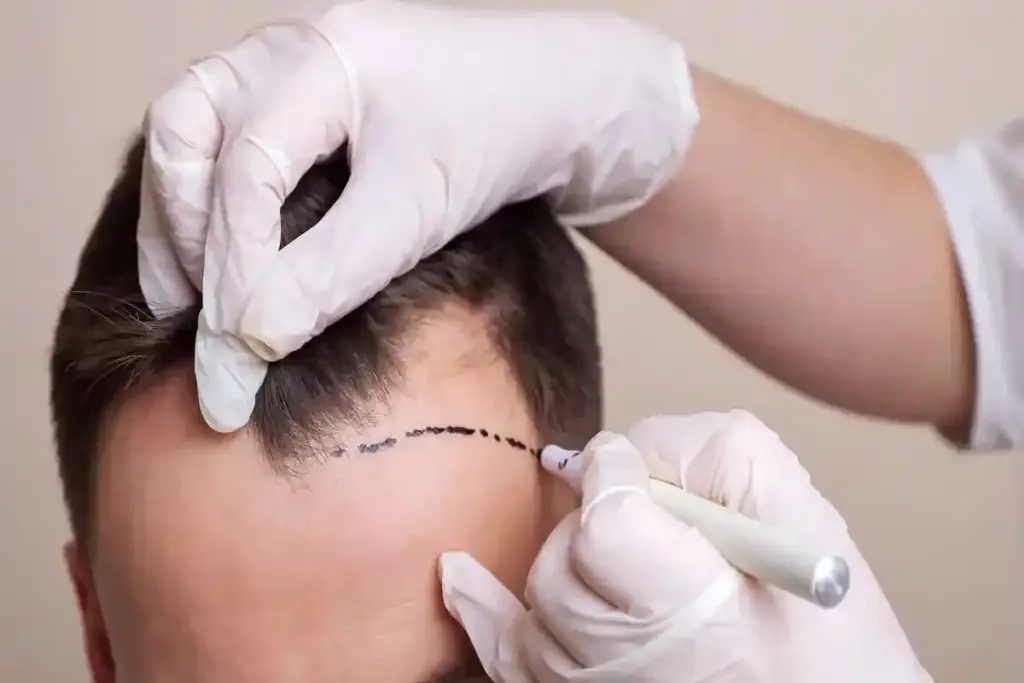
When you tweeze pubic hair, you’re not just removing hair. You’re also affecting the skin and follicles in various ways. Tweezing, or plucking, involves pulling the hair out from the root. This can cause trauma to the hair follicle.
Immediate Effects on Hair Follicles
The immediate effects of tweezing pubic hair include redness, swelling, and possible ingrown hairs. When you pluck a hair, you cause micro-trauma to the follicle. This can lead to inflammation.
Short-term vs. Long-term Consequences
In the short term, tweezing can lead to folliculitis, an inflammation of the hair follicle. This may result in infection. Long-term consequences can include scarring and permanent hair loss if the follicle is severely damaged.
Repeatedly tweezing the same area can cause cumulative damage.
|
Effect |
Short-term |
Long-term |
|---|---|---|
|
Redness and Swelling |
Common |
Rare |
|
Ingrown Hairs |
Frequent |
Possible |
|
Folliculitis |
Possible |
Rare if treated |
|
Scarring |
Rare |
Possible with repeated damage |
The Magic Number: How Many Plucks Until Permanent Results?
Hair plucking is a common way to remove hair. But, how many times do you need to pluck for permanent results? The answer varies based on several factors.
Variables That Affect Your Personal “Pluck Count”
The number of plucks needed for permanent results differs for everyone. Hair type, how often you pluck, and your body’s biology play big roles. For example, coarse hair might need more plucking than fine hair.
|
Factor |
Description |
Impact on Pluck Count |
|---|---|---|
|
Hair Type |
Coarse, fine, or medium |
Coarse hair may require more plucks |
|
Frequency of Plucking |
Regular or occasional |
Regular plucking may lead to faster results |
|
Biological Factors |
Hormonal influences, genetics |
Can significantly affect hair regrowth |
Why There’s No Universal Answer
There’s no single answer to how many plucks you need for permanent results. Each person’s hair growth cycle is unique. It’s important to consider your own characteristics when trying plucking as a hair removal method.
Knowing these factors helps you make better choices about hair removal. While plucking works for some, others might find other methods better for them.
Debunking Common Myths About Hair Plucking
Hair plucking is a common practice, but it’s surrounded by myths. Many of us have heard conflicting information about its effects on hair growth. It’s time to separate fact from fiction.
Myth: Plucked Hairs Never Grow Back
Contrary to this popular myth, plucked hairs can grow back. A study by the USC found that hair follicles can regrow hair after plucking. “The hair follicle is a complex structure with the capacity to regenerate hair,” says an expert This means plucking doesn’t lead to permanent hair removal.
Myth: Plucking Makes Hair Grow Back Thicker
Another common misconception is that plucking causes hair to grow back thicker. Research shows this isn’t true. The appearance of thicker regrowth is often an illusion. An expert notes, “The perceived thickness is usually an illusion created by the blunt tips of regrowing hair.”
By understanding the facts behind these myths, we can make better decisions about hair removal. It’s important to know the effects of plucking and consider other hair removal methods.
Research Findings: Does Plucking Eventually Stop Hair Growth?
Recent studies have shed new light on the age-old question of whether plucking hair can eventually stop its growth. As we dive into the latest research, it’s clear the answer is not simple.
Recent Scientific Studies on Hair Regrowth
Several studies have looked into how plucking affects hair regrowth. Research findings show that plucking’s effects can change a lot. This depends on how often and how you pluck.
A key study found that repeated plucking can change hair follicle structure. This might affect how hair grows back.
The study’s results are summarized in the following table:
|
Plucking Frequency |
Hair Regrowth Rate |
Follicle Damage |
|---|---|---|
|
Low |
80% |
Minimal |
|
Moderate |
50% |
Moderate |
|
High |
20% |
Significant |
The USC Study: Surprising Results in Controlled Plucking
A USC study found that controlled plucking can actually help hair grow back. This challenges what we thought we knew about hair removal and growth.
The USC study’s results show how complex plucking and hair growth are. They highlight the need for more research to understand plucking’s effects on hair follicles.
The Timeline: From First Pluck to Possible Permanent Results
Knowing how long hair plucking effects last is key. It helps set realistic goals and understand what might happen. When you pull out a hair, it starts a chain of reactions that can vary over time.
Short-term Effects
Right after plucking, you might see redness, ingrown hairs, and irritation. These signs come from the hair follicle’s reaction to the damage. They usually go away on their own but can take weeks or months.
Long-term Effects
With repeated plucking, you might face lasting changes. Scarring and permanent hair loss are possible. How often you pluck and your body’s response greatly influence these outcomes.
Knowing the short and long-term effects of plucking pubic hair helps you make better choices. It’s about understanding the impact on your body and making informed decisions about hair removal.
Factors That Determine If Plucked Hair Stops Growing
Plucking hair can work differently for everyone. It depends on several important factors. Knowing these can help us choose the best hair removal methods.
Frequency of Plucking
How often you pluck is key. Doing it too much can hurt the hair follicle. This might damage it for a long time. So, think about how often you pluck to see its effect on hair growth.
Technique and Trauma Level
The technique and trauma level matter a lot. Wrong plucking can cause problems like ingrown hairs. But, using a gentle and careful method can help avoid these issues.
Individual Biological Factors
Individual biological factors like hair growth rate and skin type matter too. For example, people with fast hair growth might need to pluck more. Hormonal changes can also affect hair texture or growth.
Trichotillomania: When Hair Plucking Becomes Chronic
Trichotillomania is a psychological disorder where people feel an overwhelming urge to pull their own hair. This can cause a lot of distress and make it hard to function in daily life. It’s important to understand this condition to help those affected.
Understanding Compulsive Hair Pulling
Compulsive hair pulling, or trichotillomania, is when someone can’t stop pulling their own hair. It might be due to stress, anxiety, or habit. People with this condition often feel a need to pull their hair to relieve tension.
The emotional battle with trichotillomania can be very tough. It can impact their daily life and how they feel about themselves.
Long-term Follicular Damage from Repeated Trauma
Constantly pulling hair can seriously harm hair follicles. The scalp or other areas get damaged, making it hard for hair to grow back. In bad cases, it can even lead to permanent hair loss. Knowing about this damage is key to treating it early.
Scarring Alopecia: The Point of No Return
Plucking hair too often can cause scarring alopecia. This is a serious condition where hair loss is permanent because the hair follicles are destroyed. It’s a big risk for those who often pull out their hair, leading to lasting damage.
Consequences of Repeated Plucking
Plucking hair over and over can harm the hair follicle. This can lead to scarring alopecia. The damage affects the stem cells needed for hair to grow back. Eventually, the follicle can’t produce hair, causing permanent loss.
Dermatologists say scarring alopecia happens when hair follicles are destroyed. Scar tissue replaces them, making hair regrowth impossible. This shows how important it is to know the dangers of plucking hair.
Identifying Permanent Damage
Signs of permanent damage include lasting redness, inflammation, and scar tissue. If hair growth slows down or stops after plucking, it’s a sign of damage too.
|
Signs of Permanent Damage |
Description |
|---|---|
|
Persistent Redness |
Continuous inflammation in the plucked area |
|
Inflammation |
Swelling and pain in the affected area |
|
Scar Tissue |
Visible scarring where hair once grew |
Knowing these signs can help spot permanent damage early. This allows for timely advice or treatment.
Special Considerations for Tweezing Pubic Hair
The pubic area is very sensitive, making tweezing a delicate task. It’s important to know the challenges and risks when removing hair here.
Unique Challenges of the Pubic Region
Tweezing pubic hair is harder than other body parts because of its coarseness and sensitivity. The skin here is delicate and can easily get irritated. So, it’s key to use the right techniques and keep it clean to avoid pain and problems.
Hygiene and Safety Concerns
Keeping things clean and safe is critical when tweezing pubic hair. Make sure tweezers are clean, the skin is spotless, and handle it gently to prevent irritation or ingrown hairs. Also, watch out for infection risks and use the right after-care products.
Knowing these points helps people make better choices about removing pubic hair. It’s about finding a balance between what you want and keeping it safe and clean.
Alternatives to Plucking for Pubic Hair Management
Looking for ways to manage pubic hair without plucking? There are better options that are more comfortable and last longer. Plucking might work for a while, but it can cause irritation and ingrown hairs. Luckily, there are many alternatives to try.
Temporary Hair Removal Methods
For quick fixes, you have a few choices. Shaving is common, but it needs frequent doing and can cause burns and ingrown hairs. Waxing and sugaring last longer than shaving but might hurt and irritate the skin. “Dermatologists say waxing can work well for pubic hair, but it’s key to take good care of your skin after to avoid irritation.”
Permanent Hair Reduction Options
If you want a more lasting solution, consider laser hair removal or electrolysis. Laser hair removal uses a laser to target and destroy hair follicles, reducing hair growth over time. Electrolysis involves inserting a fine needle into each follicle to destroy the hair root. Both methods need several sessions and can be pricey. Experts say,
“Laser hair removal is a popular choice for permanent hair reduction, giving long-term results with little upkeep.”
Conclusion: Making Informed Decisions About Hair Removal
As we wrap up our look at hair removal, we see how important it is to know the facts. This is true, whether you’re plucking or tweezing.
Dealing with pubic hair needs a full plan. You must weigh the good and bad of each removal method.
Knowing how hair grows and is removed helps you choose wisely. This way, you avoid problems and get the look you want.
At the end, making smart choices about hair removal is key. It keeps you clean and confident. We hope this guide helps you manage your hair removal needs better.
FAQ
Does plucking pubic hair make it grow back thicker?
No, plucking pubic hair does not make it grow back thicker. The cut ends look thicker than the natural ends, making it seem that way.
How many times do I need to pluck a hair before it stops growing?
There’s no set number of times to pluck a hair before it stops growing. It varies from person to person, based on biological factors.
Will tweezing stop hair growth?
Tweezing can damage the hair follicle. But, it doesn’t always stop hair growth. Repeated tweezing can cause inflammation and scarring, leading to permanent hair loss.
Does plucking hair damage the follicle?
Yes, plucking hair can damage the follicle, which is bad if done often or with too much force. This can lead to inflammation, scarring, and permanent hair loss.
Is it safe to pluck pubic hair?
Plucking pubic hair can be safe if done right. But, it has risks like ingrown hairs, infections, and scarring. Always follow good hygiene and safety rules.
What are the alternatives to plucking for pubic hair management?
Instead of plucking, you can try shaving, waxing, or using depilatory creams for temporary hair removal. For permanent results, consider laser hair removal or electrolysis.
Can trichotillomania cause permanent hair loss?
Yes, trichotillomania can lead to permanent hair loss. This is because the repeated pulling damages the hair follicles.
How can I prevent ingrown hairs when plucking pubic hair?
To avoid ingrown hairs, exfoliate your skin before plucking. Use clean, sanitized tweezers. And, don’t pluck in the same direction as hair growth.
Can I pluck my pubic hair without causing scarring?
You can pluck pubic hair without scarring, but it’s not guaranteed. Repeated plucking can cause inflammation and scarring. Always follow good hygiene and safety rules to reduce risks.
References
National Institutes of Health: https://www.ncbi.nlm.nih.gov/pmc/articles/PMC4674792/



 Departments
 Related Videos
 Our Doctors
 News
News