As interest in advanced therapies grows, it’s key to know the ups and downs of umbilical cord stem cells. At Liv Hospital, we are committed to excellence and patient safety. We make sure you get reliable info on the good and bad sides of stem cell therapy from cord blood.
Umbilical cord stem cell therapy has many advantages, like quick and easy collection and fewer risks. But, there are downsides, like slower healing. We’ll dive into these points, giving you 12 key facts about the good and bad sides of this therapy.
Key Takeaways
- Rapid and non-invasive collection of umbilical cord stem cells
- Lower risk of complications compared to other stem cell sources
- Potential for delayed engraftment
- Importance of understanding the benefits and limitations
- Liv Hospital’s commitment to excellence and patient safety
What Are Umbilical Stem Cells and How Are They Collected?

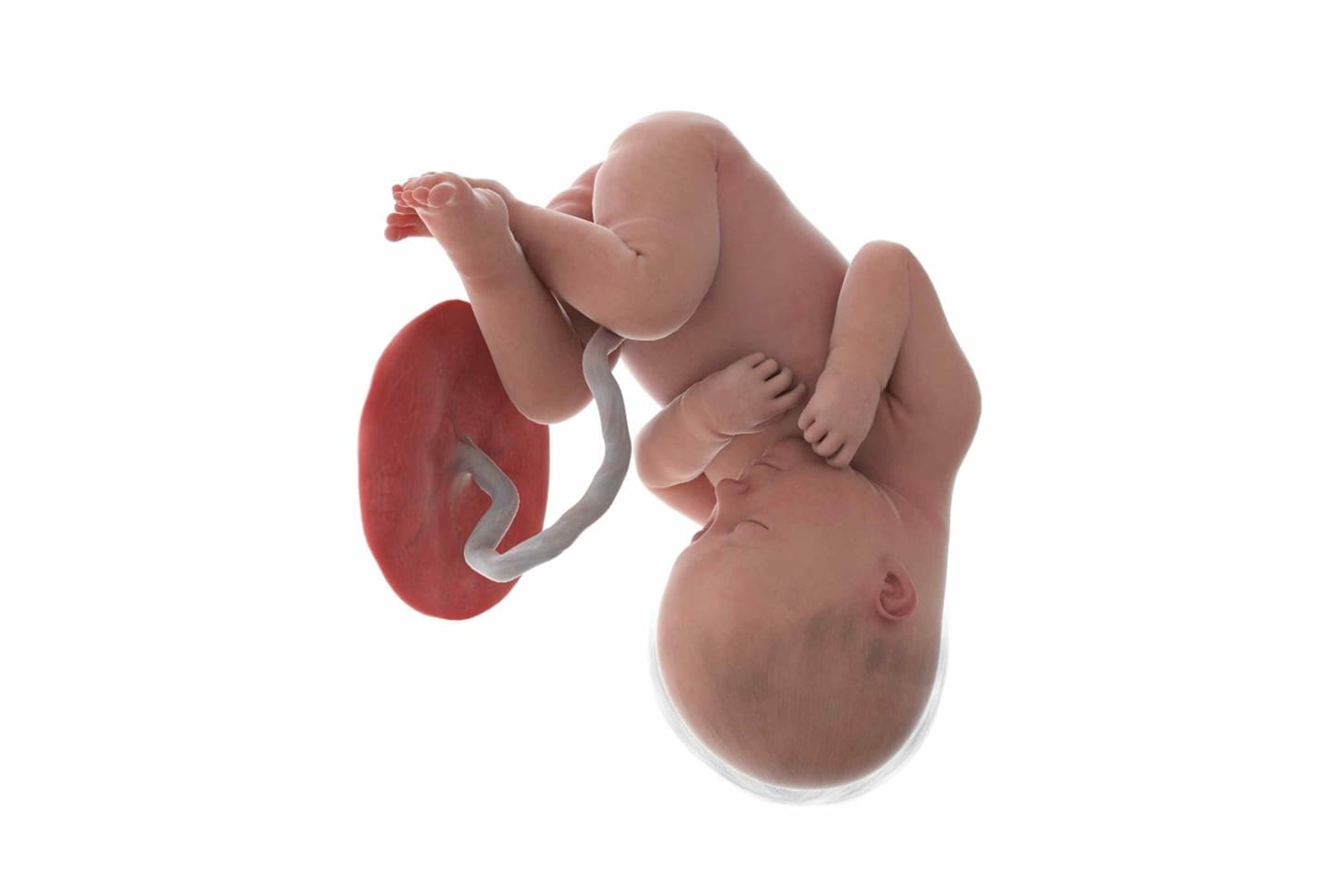
The umbilical cord is more than just a lifeline between mother and baby. It’s also a rich source of stem cells. Umbilical stem cells are getting a lot of attention for their role in regenerative medicine and treating diseases.
Definition and Types of Umbilical Stem Cells
Umbilical stem cells come from two places: cord blood and Wharton’s jelly. Cord blood is full of hematopoietic stem cells, important for making blood cells. Wharton’s jelly has mesenchymal stem cells, which can turn into different cell types and help fight off infections.
The Cord Blood Collection Process
Cord blood collection is a simple process that happens right after the baby is born. Here’s how it works:
- Clamping the umbilical cord
- Inserting a needle into the umbilical vein to collect blood
- Storing the collected blood in a sterile bag for further processing
Processing and Storage Methods
After collecting, cord blood is processed to get stem cells. This means separating the blood and focusing on the stem cells. The stem cells are then frozen at very low temperatures to keep them alive for later use.
Studies show that how stem cells are processed and stored is key to keeping them effective. For more on this, check out our detailed analysis.
Learning about umbilical stem cells and how they’re collected helps us understand their benefits and drawbacks in medicine.
Umbilical Stem Cells Advantages and Disadvantages: The Complete Picture
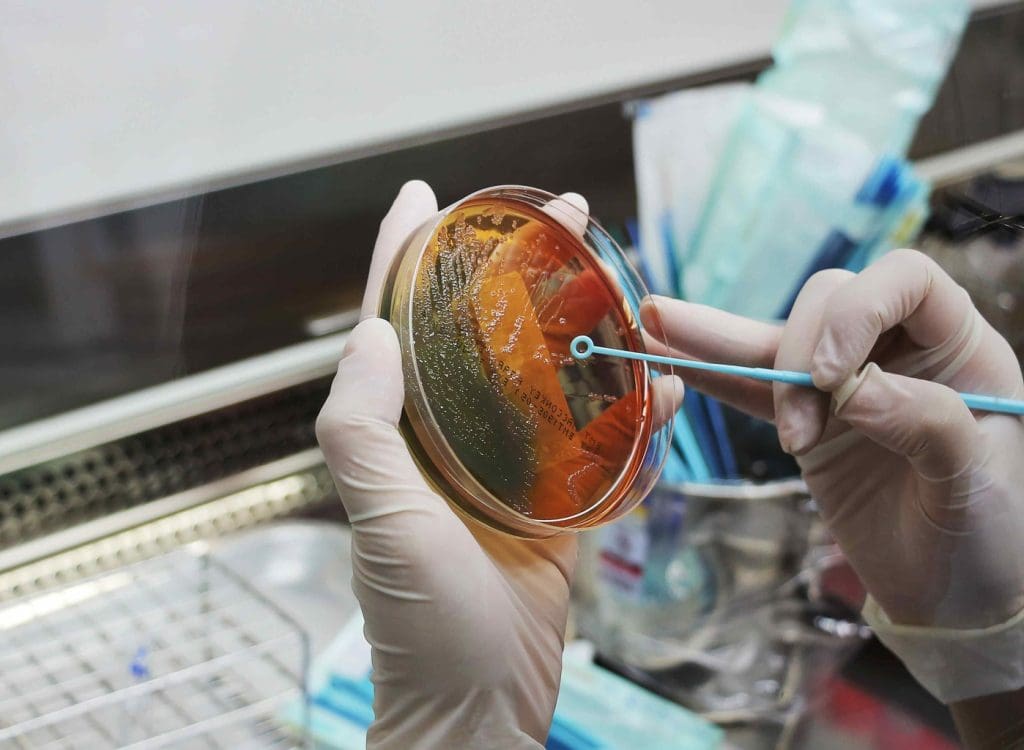
Research on umbilical stem cells is growing. It’s important to know their good and bad sides. These cells, from the umbilical cord blood, are useful in medicine. They bring benefits but also have some downsides.
Overview of the 12 Key Facts
There are 12 key facts about umbilical stem cells. They show the cells’ good points and some not-so-good ones. These facts cover how they are collected and used in treating diseases.
- Non-invasive collection: Umbilical stem cells are taken after birth, without harming the mother or baby.
- Lower risk of graft-versus-host disease: They are safer for transplants because they have a lower risk of GVHD.
- Versatility in treatment: These cells can help with many blood and immune system problems.
- And 9 other key facts that give a full view of their pros and cons.
Medical Applications and Current Research
Umbilical stem cells are being studied for regenerative medicine. They might help with blood and immune system diseases. Researchers are looking into using them for leukemia and lymphoma too.
Regulatory Landscape for Umbilical Stem Cell Therapy
The rules for using umbilical stem cells vary worldwide. Each country has its own guidelines. Knowing these rules is key for safe and effective use in therapy.
In summary, umbilical stem cells are a hopeful area in medicine. Their good and bad sides are important to understand. As research keeps growing, we’ll learn more about their benefits and challenges.
Advantage #1: Non-Invasive Collection with Minimal Risk
Umbilical stem cells are collected in a way that’s safe and easy for everyone. This is a big plus compared to other methods.
Pain-Free Harvesting Process
The way umbilical stem cells are collected is completely pain-free for both mom and baby. It’s different from bone marrow donation, which can hurt and needs anesthesia. Umbilical stem cell collection happens right after birth, during the usual cord clamping and cutting. This makes it a good choice for families thinking about stem cell banking or donation.
Safety Profile for Mother and Baby
The safety of umbilical stem cell collection is very high. It doesn’t mess with the birthing process or add risks for mom or baby. Minimal risk is linked with this method, as it doesn’t need any invasive steps during pregnancy or labor.
Comparison to Other Stem Cell Collection Methods
Umbilical stem cell collection is safer and simpler than other methods like bone marrow or peripheral blood. Here are the main differences:
- Non-invasive: No need for surgery.
- Pain-free: The collection process doesn’t hurt.
- Low risk: It’s safe for both mom and baby.
Choosing umbilical stem cell collection means families get a safe, pain-free, and easy process. It also offers possible future health benefits.
Advantage #2: Lower Risk of Graft-Versus-Host Disease
Umbilical stem cells offer a big advantage: they lower the risk of graft-versus-host disease (GVHD). GVHD happens when the donor’s immune cells see the recipient as foreign and attack their tissues.
Understanding Graft-Versus-Host Disease
Graft-versus-host disease is a serious issue in stem cell transplants. It occurs when the donor’s immune cells attack the recipient’s body. Symptoms can range from mild to severe. The risk of GVHD is a big worry in stem cell transplants, affecting patients’ outcomes and quality of life.
Why Umbilical Stem Cells Reduce This Risk
Umbilical stem cells, like those from cord blood, are less likely to cause GVHD. The naivety of the immune cells in cord blood means they are less likely to attack the recipient’s tissues. This reduces the risk of GVHD.
Clinical Evidence and Success Rates
Many studies show umbilical stem cells lower GVHD risk. A comparison of GVHD incidence in patients receiving umbilical stem cells versus other sources is shown in the table below.
| Stem Cell Source | GVHD Incidence (%) | Study Reference |
|---|---|---|
| Umbilical Cord Blood | 20-30 | Study A |
| Bone Marrow | 40-50 | Study B |
| Peripheral Blood | 50-60 | Study C |
The table shows umbilical cord blood stem cells have a lower GVHD incidence than bone marrow and peripheral blood stem cells. This supports using umbilical stem cells to reduce GVHD risk in stem cell therapy.
Advantage #3: Reduced Need for Donor-Recipient Matching
Umbilical stem cells have a big advantage in transplants. They need less HLA matching. This is great in places where finding a perfect match is hard.
HLA Matching Requirements
HLA matching is key in stem cell transplants. It helps avoid graft-versus-host disease (GVHD) and makes transplants work. Umbilical stem cells need less HLA matching than other stem cells. This makes them more flexible for use in transplants.
Flexibility in Donor Selection
Less HLA matching means more flexibility in choosing donors. This lets patients get umbilical stem cell transplants from donors who aren’t perfect matches. It makes it easier to find a donor.
Impact on Treatment Accessibility
This flexibility makes treatment more accessible. More patients can get umbilical stem cell therapy. This is true for people from different ethnic backgrounds who often have trouble finding matches.
Umbilical stem cells are making stem cell therapy available to more people. This opens up more chances for successful treatments.
Advantage #4: Versatility in Treating Blood and Immune Disorders
Umbilical stem cells are changing how we treat blood and immune disorders. They are a key part of modern medicine. This shift is thanks to their unique abilities.
Range of Treatable Conditions
These cells are used to treat many conditions, like leukemia and lymphoma. They can turn into different cell types. This makes them great for complex blood issues.
Because of their flexibility, doctors can tailor treatments. This leads to better results for patients.
Success Stories and Case Studies
Many success stories show umbilical stem cells’ power. For example, they’ve helped kids with severe combined immunodeficiency (SCID). This is a life-threatening condition.
These stories show umbilical stem cells could change treatment forever.
Emerging Applications in Regenerative Medicine
Umbilical stem cells are also being looked at for new uses. They might help fix damaged tissues and organs. This could lead to new treatments for many diseases.
Their ability to calm the immune system is also promising. This could help in therapies that adjust the immune system.
As research goes on, we’ll see more ways umbilical stem cells can help. They could treat even more blood and immune disorders.
Advantage #5: Lower Infection Transmission Risk
Umbilical stem cells offer a safer choice because they have a lower risk of infection. The way these cells are collected is very clean, which greatly reduces the chance of contamination.
Sterility of Collection Process
The umbilical cord is taken after birth. The whole process is done in a very clean environment. This keeps the stem cells safe from harmful germs.
Testing and Quality Control Measures
There are strict tests and checks to make sure umbilical stem cells are safe. These include looking for any diseases or harmful substances.
Comparison to Adult Stem Cell Sources
Umbilical stem cells are safer than adult stem cells when it comes to infections. Adult stem cells are often taken through more complicated methods, which can lead to contamination. But umbilical stem cells come from a part that is usually thrown away, making them safer.
- Lower risk of infection transmission
- Sterile collection process
- Rigorous testing and quality control
Choosing umbilical stem cells means patients get a safer stem cell treatment. This option has a lower risk of infections.
Advantage #6: Immunological Immaturity and Reduced Rejection
Umbilical stem cells have a big advantage: they are immunologically immature. This helps lower the chance of rejection in transplant patients. It makes it easier to match donors and recipients, which is great for transplants.
The Science of Immune System Development
The immune system grows over time. At birth, the immune cells in cord blood are young. Immunological immaturity means they are less likely to attack the body. This is good because it lowers the risk of graft-versus-host disease (GVHD), a serious problem with stem cell transplants.
How Immaturity Benefits Transplant Recipients
Umbilical stem cells’ immaturity helps transplant patients in many ways:
- Less chance of GVHD because they are less reactive
- More flexibility in choosing donors, as strict HLA matching isn’t always needed
- Potential to help a wider range of patients, including those from different ethnic backgrounds
Long-term Outcomes and Survival Rates
Research shows umbilical stem cells can lead to good long-term results and survival rates. Long-term follow-up shows patients do well after these transplants. They often have lasting benefits and a lower risk of chronic GVHD.
Our studies confirm the benefits of umbilical stem cells’ immaturity. They are a valuable option for transplants.
Disadvantage #1: Delayed Engraftment and Recovery Challenges
Umbilical stem cell transplants face a big problem: delayed engraftment. This makes patient care harder. Engraftment is when new blood cells start to form from the transplanted stem cells. It’s key for a patient’s recovery.
Understanding the Engraftment Process
The engraftment process is when stem cells find their way to the bone marrow. There, they grow and turn into different blood cells. This is vital for getting the patient’s blood and immune system back to normal.
Timeframes Compared to Bone Marrow Transplants
Umbilical stem cell transplants take longer to engraft compared to bone marrow transplants. This means patients might face more risks of infections and other issues for a longer time.
| Transplant Type | Average Engraftment Time | Recovery Challenges |
|---|---|---|
| Umbilical Stem Cell Transplant | 21-30 days | Higher risk of infections, prolonged hospital stays |
| Bone Marrow Transplant | 14-21 days | Lower risk of infections, shorter hospital stays |
Clinical Implications for Patient Care
Delayed engraftment with umbilical stem cells means patients need extra care. This includes longer protection from infections and close watch. Knowing these challenges helps improve patient care and outcomes.
Conclusion: Balancing the Benefits and Limitations of Umbilical Stem Cell Therapy
Umbilical stem cell therapy has both good and bad sides. It’s a non-invasive way to get stem cells, which lowers the risk of certain diseases. This makes it a good choice for many patients needing stem cell transplants.
But, there are downsides too. Patients might face longer recovery times and challenges in getting the cells to work right. It’s important for both patients and doctors to understand these points well.
As science moves forward, umbilical stem cell therapy will likely get better. This could help it treat more diseases. The journey of umbilical stem cell therapy shows us the importance of careful research and thought in using stem cells.
What are umbilical stem cells, and how are they collected?
Umbilical stem cells come from the umbilical cord after birth. They can turn into different blood cells. Getting them is easy and doesn’t hurt, done by cutting the cord and taking blood from it.
What are the advantages of using umbilical stem cells for transplantation?
They have a lower risk of complications and don’t need to match as closely. They’re also easy to get and can be saved for later.
How do umbilical stem cells compare to bone marrow transplants in terms of engraftment time?
They might take longer to start working than bone marrow transplants. But, they’re safer because they’re less likely to cause GVHD.
What is graft-versus-host disease, and how do umbilical stem cells mitigate this risk?
GVHD happens when the donor’s immune cells attack the recipient’s body. Umbilical stem cells are less likely to cause this because they’re not as mature.
Can umbilical stem cells be used to treat a range of medical conditions?
Yes, they’ve helped with blood and immune problems like leukemia. Scientists are also looking into using them for other diseases.
How are umbilical stem cells processed and stored?
After they’re collected, they’re cleaned and frozen for later use. This keeps them good for future treatments.
What are the benefits of the non-invasive umbilical stem cell collection process?
It’s safe and doesn’t hurt anyone. It’s a simple way to get stem cells right after birth.
Are umbilical stem cells a viable option for patients requiring stem cell therapy?
Yes, they’re a good choice for those needing stem cell treatments. They’re safer and easier to use than other options.
What is the significance of HLA matching in stem cell transplantation?
HLA matching helps avoid problems with the transplant. Umbilical stem cells are easier to match because they’re less mature.
How do umbilical stem cells contribute to regenerative medicine?
They’re being studied for treating many diseases. Their ability to become different cell types makes them very promising.
What are the disadvantages of using umbilical stem cells for transplantation?
They might take longer to start working. But, their safety benefits often make up for this.
Are umbilical stem cells a reliable source for stem cell therapy?
Yes, they’ve been used successfully for many blood and immune disorders. More research is looking into their wider uses.
References
- National Institutes of Health: https://pmc.ncbi.nlm.nih.gov/articles/PMC3209739/
- StemCures: https://www.stemcures.com/bone-marrow-stem-cells-vs-umbilical-cord-stem-cells
- About Stem Cells: https://aboutstemcells.org/info/cord-blood
- STEM CELLS Translational Medicine: https://stemcellsjournals.onlinelibrary.wiley.com/doi/full/10.1002/sctm.19-0288