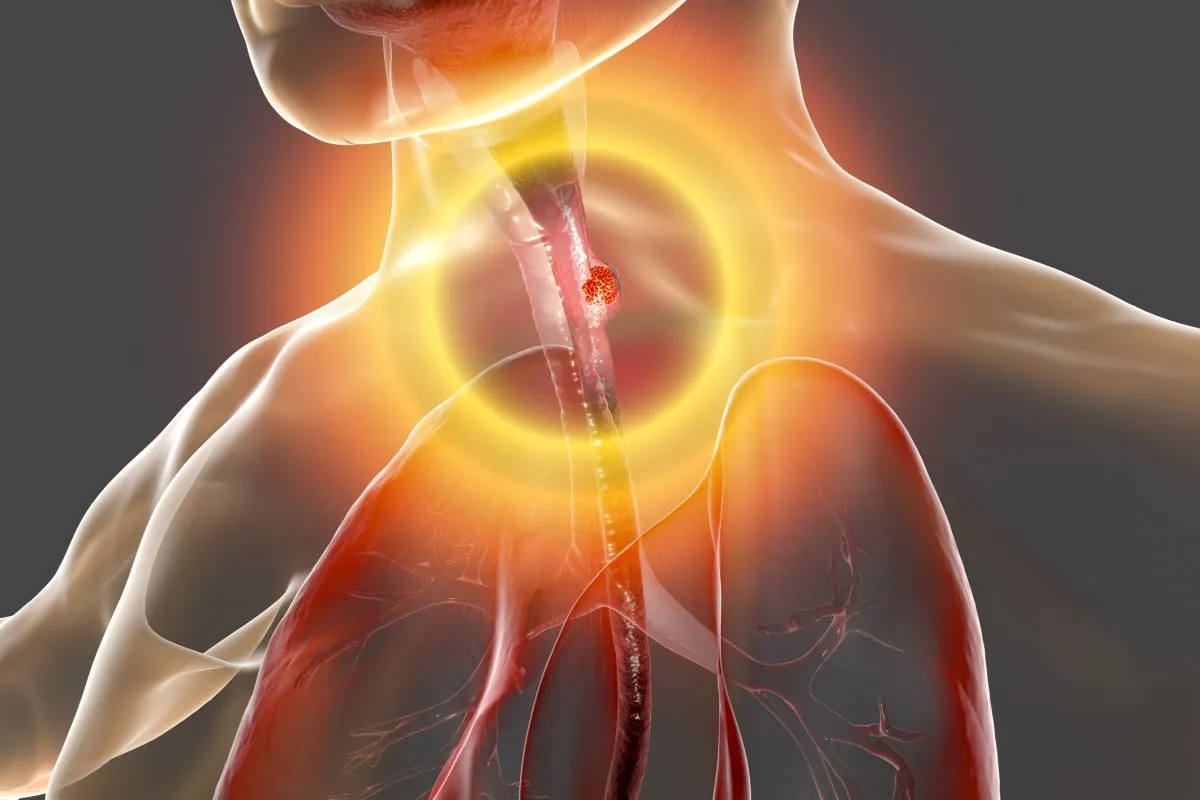
Imagine a world where shrinking tumors without chemotherapy is possible. Today, we’re looking into vitamin C as a cancer treatment. This therapy is getting attention for its promising results. Explore vitamin c and cancer treatment. Get the proven facts on how high-dose vitamins can help shrink tumors and boost your immunity. Vitamin c and cancer: Proven Facts
Her story shows how alternative treatments are fighting cancer. Vitamin C is leading this change towards holistic treatments.
In the world of cancer care, we’re seeing non-chemotherapy methods work. Vitamin C plays a big role in this. We’re excited to explore its full impact.
Key Takeaways
- Vitamin C is being studied for its role in cancer treatment.
- Alternative therapies are giving patients new hope.
- Clear cell carcinoma can be treated with alternative methods.
- Non-chemotherapy strategies are being explored for tumor shrinking.
Understanding Tumors and Why Alternatives to Chemotherapy Are Sought
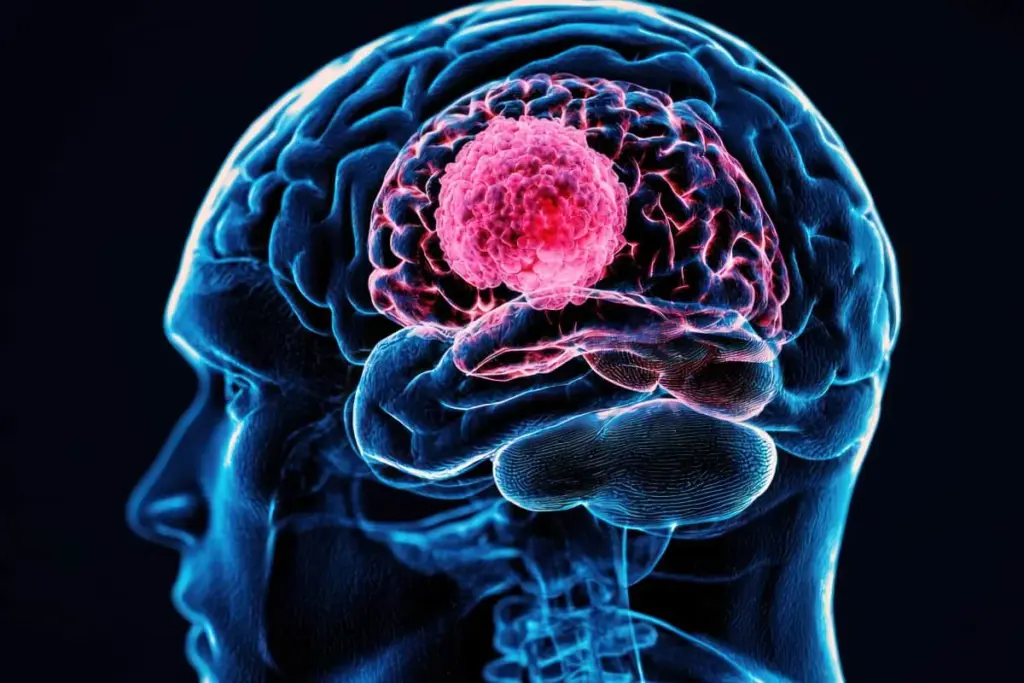
Chemotherapy has its limits, leading to a search for new ways to treat tumors. Tumors, whether they are benign or cancerous, can really affect a person’s life. This is why people look for treatments other than traditional chemotherapy.
What Causes Tumors to Grow
Tumors grow because of genetics and the environment. Genetic changes can cause cells to grow out of control. Environmental factors, like harmful substances, can also start these changes. Knowing why tumors grow helps us find better treatments.
For bladder cancer, treatment depends on the cancer’s stage. Size and how aggressive the cancer is also matter. This shows we need treatments that fit each person’s needs.
|
Factor |
Influence on Tumor Growth |
Clinical Consideration |
|---|---|---|
|
Genetic Mutations |
Uncontrolled cell division |
Targeted therapies |
|
Environmental Carcinogens |
Trigger genetic mutations |
Prevention strategies |
|
Tumor Size and Grade |
Determine cancer stage |
Treatment planning |
Limitations and Side Effects of Conventional Chemotherapy
Chemotherapy works for many cancers but has big side effects. These can include nausea, hair loss, and feeling very tired. These effects can make life hard, leading people to look for other treatments.
Common Side Effects of Chemotherapy:
- Nausea and vomiting
- Hair loss
- Fatigue
- Increased risk of infection
Looking for alternatives to chemotherapy is important. We want to find ways to shrink tumors and reduce them naturally. This is why we’re researching new, less harsh treatments.
The Science Behind Non-Chemotherapy Tumor Reduction
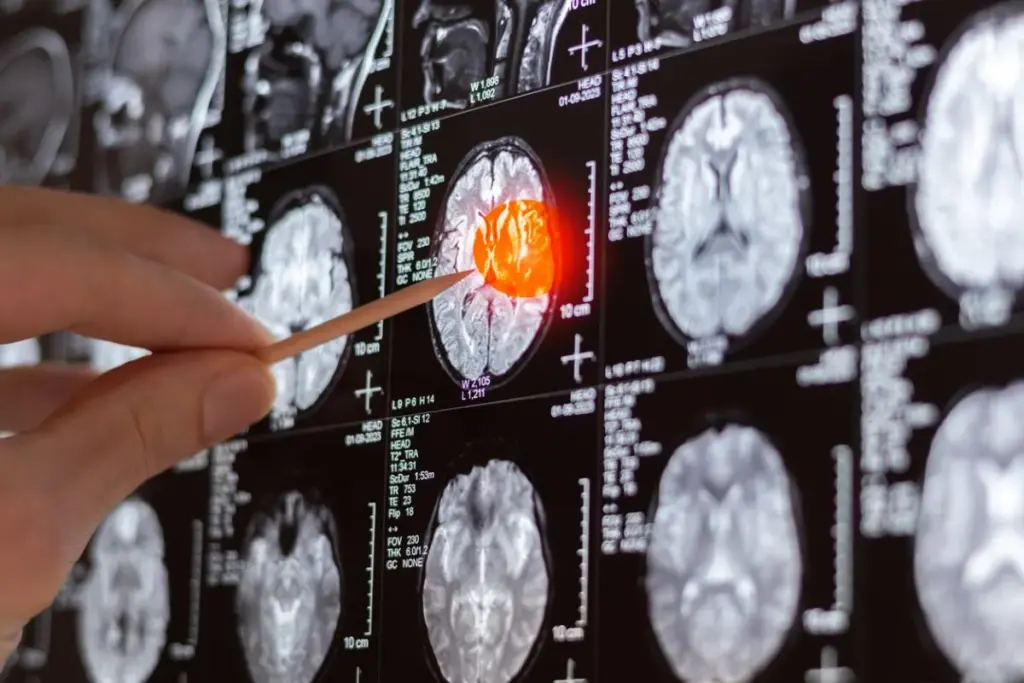
Understanding how tumors can shrink without chemotherapy is crucial. This is because chemotherapy can harm patients’ health and even their ability to have children. Finding safe alternatives is key.
How Tumors Can Naturally Regress
Tumors can sometimes get smaller on their own. This happens because of the body’s immune system. Immune surveillance helps find and kill cancer cells early.
“The immune system can recognize and destroy cancer cells, a process that is being harnessed in immunotherapy treatments,” highlights the body’s natural defense against cancer.
Factors That Influence Tumor Response to Alternative Treatments
Many things can affect how tumors react to new treatments. These include the tumor type, where it is, and the patient’s health. Nutritional status is also very important.
Good nutrition helps the body fight cancer. A complete treatment plan should include diet, stress reduction, and lifestyle changes. These support the body’s healing.
Understanding these factors helps doctors create better, personalized treatments. These plans go beyond just chemotherapy.
Targeted Therapy: Precision Medicine for Tumor Reduction
Targeted therapy is a new way to fight cancer. It uses precision medicine to shrink tumors. This method attacks specific cancer cells, protecting healthy ones and reducing side effects.
How Tyrosine Kinase Inhibitors Shrink Tumors
Tyrosine kinase inhibitors (TKIs) are a type of targeted therapy. They block enzymes that cancer cells need to grow. By stopping these enzymes, TKIs can shrink tumors in cancers like GIST and some lung cancers.
For example, imatinib has changed how we treat GIST. It’s a more targeted and effective way than old chemotherapy. TKIs target cancer growth at its molecular roots, marking a big step forward in cancer treatment.
Types of Cancers Most Responsive to Targeted Therapies
Targeted therapies, including TKIs, work well on many cancers. Some cancers that respond well include:
- Lung cancer with specific genetic mutations
- Gastrointestinal stromal tumors (GIST)
- Certain types of breast cancer
- Chronic myeloid leukemia (CML)
These cancers possess distinct molecular targets. This makes them more likely to respond to targeted therapies.
Success Rates: 30-40% Reduction in Advanced Cancers
Studies show targeted therapies can shrink tumors in advanced cancers. In some cases, they can reduce tumors by 30-40% or more in patients with advanced disease.
The success of targeted therapies highlights the value of precision medicine in cancer treatment. It shows how important it is to tailor treatments to each patient’s cancer.
Immunotherapy: Harnessing Your Body’s Natural Defenses
Immunotherapy boosts your body’s defenses against cancer. It’s a new way to fight tumors without using chemotherapy. This method is getting a lot of attention because it might offer lasting results with fewer side effects.
Immune Checkpoint Inhibitors and Tumor Shrinkage
Immune checkpoint inhibitors are a key part of immunotherapy. They help the immune system attack cancer cells more effectively. These drugs have shown great success in treating cancers like melanoma, lung cancer, and kidney cancer.
- They help the immune system spot cancer cells better.
- They boost the body’s natural cancer-fighting abilities.
- They have led to significant tumor shrinkage in some patients.
20-40% Response Rates in Melanoma, Lung, and Kidney Cancers
Studies show that immune checkpoint inhibitors can help 20-40% of patients with melanoma, lung cancer, and kidney cancer. This is a big improvement over old treatments for these cancers. It gives new hope to those who didn’t respond well to other therapies.
The success rate depends on the cancer type and the patient’s condition. But overall, the outlook for immunotherapy in these cancers is positive.
Duration of Response: Why Some Effects Last Years
Immunotherapy can have long-lasting effects. Some patients have seen responses that last for years. This long-lasting effect is a key reason why immunotherapy is so promising.
Scientists are working to understand why some patients have such long-lasting responses. They’re looking into how the immune system helps keep cancer away.
Localized Treatments for Tumor Reduction
Localized therapies are key in fighting cancer. They aim to shrink tumors by targeting them directly. This approach helps keep healthy tissues safe.
These treatments have big benefits. They cause fewer side effects and can lead to quicker recovery times. We’ll look at three main types: radiofrequency ablation, cryoablation, and stereotactic body radiotherapy.
Radiofrequency Ablation: 80%+ Control Rates
Radiofrequency ablation (RFA) uses electrical energy to heat and kill cancer cells. RFA has shown great promise, with control rates over 80% in some solid tumors. It works well for tumors in the liver, kidney, and lung.
“RFA is a valuable tool in our fight against cancer,” says a leading oncologist. “It’s relatively painless and quick to recover from.” This method targets tumors precisely, saving healthy tissue.
Cryoablation Techniques and Effectiveness
Cryoablation, or cryotherapy, freezes cancer cells to death. It’s used for many types of tumors and is good for those who can’t have surgery. Cryoablation is a great option for patients who can’t have surgery.
The success of cryoablation depends on the tumor type and location. Yet, it’s a valuable choice for those seeking localized treatments.
Stereotactic Body Radiotherapy for Precise Tumor Targeting
Stereotactic body radiotherapy (SBRT) gives precise, high doses of radiation to tumors. SBRT is very effective for small, well-defined tumors. It also needs fewer sessions than traditional radiation therapy.
- SBRT treats tumors in the lung, liver, and spine.
- It’s very precise, reducing damage to healthy tissues.
- SBRT is good for patients who can’t have surgery.
In summary, treatments like radiofrequency ablation, cryoablation, and stereotactic body radiotherapy are promising. They target cancer cells directly, reducing side effects and improving outcomes.
Vitamin C and Cancer: The Evidence Behind High-Dose Therapy
<image6>
High-dose vitamin C therapy is gaining attention as an alternative cancer treatment. Studies suggest it can selectively kill cancer cells. This makes it a promising option for those looking for complementary therapies.
Selective Killing of Cancer Cells
Vitamin C can target and kill cancer cells while leaving healthy cells alone. It does this by creating reactive oxygen species (ROS) that harm cancer cells.
Vitamin C acts as a pro-oxidant at high doses. This is different from its antioxidant role. High doses of vitamin C can cause oxidative stress in cancer cells, leading to their death.
Key Mechanisms:
- Induction of oxidative stress
- Generation of reactive oxygen species (ROS)
- Selective targeting of cancer cells
Intravenous vs. Oral Vitamin C Administration
The way vitamin C is given is key to its effectiveness against cancer. Intravenous (IV) administration allows for higher doses than oral intake.
IV vitamin C reaches plasma levels much higher than oral supplements. This is important for its anti-cancer effects.
Comparison of Administration Methods:
|
Administration Method |
Peak Plasma Concentration |
Anti-Cancer Effects |
|---|---|---|
|
Oral |
Low |
Limited |
|
Intravenous |
High |
Significant |
Clinical Studies on Vitamin C’s Anti-Cancer Effects
Many clinical studies have looked into vitamin C’s role in cancer treatment. These studies have shown promising results in cancers like colorectal, pancreatic, and ovarian.
While more research is needed, the current evidence supports vitamin C as a complementary therapy in cancer care.
Notable Findings:
- Improved survival rates in certain cancer types
- Enhanced quality of life for cancer patients
- Potential synergy with conventional cancer therapies
Other Vitamins and Supplements That May Help Shrink Tumors
Some vitamins and supplements might help shrink tumors, along with traditional treatments. It’s important to know how they work and how they might affect cancer treatments.
Vitamin D and Its Anti-Cancer Properties
Vitamin D is good for bones, but it might also fight cancer. Studies show it can control cell growth and stop tumors from growing. People with more Vitamin D might have a lower risk of some cancers, like colon cancer.
Key benefits of Vitamin D in cancer:
- Regulation of cell growth and differentiation
- Potential inhibition of tumor growth
- Association with lower risk of certain cancers
Curcumin and Tumor Reduction
Curcumin, from turmeric, might help fight cancer. It can change how cancer cells grow and spread. It can also make cancer cells die and stop new blood vessels from forming.
The benefits of curcumin include:
- Induction of apoptosis in cancer cells
- Inhibition of angiogenesis
- Modulation of molecular pathways involved in cancer
Omega-3 Fatty Acids and Cancer Cell Inhibition
Omega-3 fatty acids, like those in fish oil, might slow cancer growth. They have anti-inflammatory effects and can stop cancer cells from multiplying. Some studies suggest they could help cancer patients, but more research is needed.
Potential benefits of omega-3 fatty acids in cancer:
- Anti-inflammatory effects
- Reduction in cancer cell proliferation
- Potential improvement in cancer patient outcomes
While these vitamins and supplements look promising, talk to a doctor before using them. They can make sure they’re safe and work well with other treatments.
Fasting and Cancer: Can Caloric Restriction Kill Cancer Cells?
Fasting and cancer cell growth are being studied closely. It’s seen as a way to starve cancer cells. This idea is getting a lot of attention in cancer treatment.
The Science Behind Fasting and Cancer Cell Starvation
Fasting affects cancer cells and how our body fights cancer. It makes our body go without food, changing how cells work. One key change is the drop in insulin-like growth factor 1 (IGF-1). This protein helps cancer cells grow. Lower IGF-1 levels might slow down tumors.
Fasting also starts autophagy, where cells clean out damaged parts. This is good for normal cells but can be tricky for cancer cells. It depends on the cancer type and how advanced it is.
Different Fasting Protocols for Cancer Patients
There are many fasting plans for cancer treatment. These include:
- Alternate-day fasting: Eating normally one day, fasting the next.
- 5:2 diet: Eating normally five days, fasting two days with 500-600 calories.
- Prolonged fasting: Fasting for 48 hours or more, with doctor’s care.
Each plan has its own benefits and challenges. The right one depends on the patient’s health, cancer type, and more.
Safety Considerations and Who Should Avoid Fasting
Fasting isn’t for everyone, like those with health issues or not enough nutrients. Pregnant women, people with diabetes, or those who are malnourished should be careful. Cancer patients should talk to their doctor before fasting. This could have an impact on their treatment and overall health.
Fasting is not a cure for cancer. But, it might be used alongside traditional treatments with a doctor’s help.
Anti-Cancer Diet: Brain Tumor Shrinking Foods and Beyond
Eating the right foods can help fight cancer, including brain tumors. A good diet boosts your body’s defenses and can make treatments work better.
Plant-Based Foods with Anti-Cancer Properties
Plant-based foods are full of antioxidants and vitamins that fight cancer. Some top foods include:
- Leafy Greens: Spinach, kale, and collard greens are packed with antioxidants and have anti-cancer effects.
- Cruciferous Vegetables: Broccoli, cauliflower, and Brussels sprouts have sulforaphane, which stops cancer cells from growing.
- Berries: Blueberries, raspberries, and strawberries are rich in antioxidants and may lower cancer risk.
- Turmeric: It has curcumin, a compound that fights inflammation and cancer.
Foods to Avoid That May Promote Tumor Growth
Some foods can help fight cancer, while others may help tumors grow. It’s important to limit or avoid:
- Processed Meats: Bacon, sausages, and other processed meats increase cancer risk.
- Sugary Foods and Beverages: Too much sugar can lead to insulin resistance, which may help cancer cells grow.
- Refined Carbohydrates: White bread, pasta, and other refined carbs cause inflammation and may help tumors grow.
- Foods High in Saturated and Trans Fats: These fats can cause inflammation and increase cancer risk.
Creating a Comprehensive Anti-Cancer Meal Plan
Creating an anti-cancer meal plan is more than just adding or removing foods. It’s about making a balanced diet that supports your health. Here are some tips:
- Emphasize Whole Foods: Focus on vegetables, fruits, whole grains, and lean proteins.
- Stay Hydrated: Drinking enough water is key for health and helps with detox.
- Limit Alcohol Consumption: Too much alcohol increases cancer risk.
- Consider Your Individual Needs: Your nutritional needs depend on your age, gender, and health status.
By following these dietary tips, you can help your body fight cancer and stay healthy.
How to Shrink Tumors Naturally: A Complete Lifestyle Change
Changing your lifestyle can help shrink tumors naturally. This means making choices about how you live every day. It’s about managing stress, staying active, and getting enough sleep. These actions can help your body fight cancer better.
Stress Reduction Techniques with Evidence of Effectiveness
Too much stress can weaken your immune system. This makes it harder to fight cancer. Stress reduction techniques like meditation, yoga, and deep breathing can help. They not only reduce stress but also improve your overall health.
Meditation, for example, lowers stress hormones like cortisol. This helps your immune system stay balanced. Regular practice of these techniques boosts your body’s defense against cancer.
Exercise Guidelines: The 40% Risk Reduction Factor
Exercise is key to a healthy lifestyle and can help shrink tumors. Research shows it can lower cancer risk by up to 40%. Exercise guidelines suggest doing at least 150 minutes of moderate or 75 minutes of vigorous exercise weekly.
- Aerobic exercises like walking, cycling, or swimming are beneficial.
- Adding strength training exercises can improve muscle and health.
- Flexibility and balance exercises, such as yoga or tai chi, can enhance mobility and reduce fall risks.
Sleep Optimization for Enhanced Immune Function
Good sleep is vital for a strong immune system. Sleep optimization means creating a sleep-friendly environment. Avoid caffeine and electronics before bed and stick to a regular sleep schedule. Poor sleep can weaken your immune system, making it harder to fight cancer.
By focusing on sleep and making the right changes, you can boost your immune function. This can help in reducing tumors.
Specific Strategies for Benign Tumors: How to Shrink a Benign Tumor Fast
Benign tumors are not cancerous but can be uncomfortable and a health worry. We’ll look at natural ways to shrink them and when to see a doctor.
Natural Approaches for Common Benign Tumors
There are natural ways to handle benign tumors. These include changing your diet, using herbal supplements, and making lifestyle changes. Foods full of antioxidants and anti-inflammatory compounds might help shrink tumors.
Dietary Changes: Eating foods rich in fiber, vitamins, and minerals can help your health. Leafy greens, berries, and cruciferous vegetables are good choices.
Herbal Supplements: Turmeric and green tea might have anti-tumor effects. But, always talk to a doctor before taking supplements.
When Medical Intervention Is Necessary
Medical help is needed sometimes. If a tumor is causing big problems or growing fast, a doctor might suggest surgery or other treatments.
Monitoring and Diagnosis: It’s important to keep an eye on the tumor with a doctor. They might use ultrasounds or biopsies to check the tumor’s size and type.
In summary, natural methods can help with benign tumors. But, always work with a doctor to find the best treatment.
Integrative Approaches: Combining Conventional and Alternative Methods
By mixing traditional medicine with proven alternative methods, patients can see better health results. This approach combines the best of both worlds. It uses a wide range of treatments to help patients.
Working with Your Oncology Team
It’s important for patients and their oncology team to work together. They need to talk openly and respect each other. This way, patients can understand their options and make smart choices about their care.
Some key things to think about when working with your team include:
- Talking about the good and bad of different treatments
- Learning about standard treatments like surgery and chemotherapy
- Looking into alternative options like acupuncture and herbal supplements
- Creating a plan that uses both traditional and alternative methods
Creating an Integrative Treatment Plan
Creating a plan that combines treatments needs to consider many things. We look at the patient’s health, medical history, and what they want. We think about the cancer type and stage, the patient’s health and mood, and their lifestyle and goals.
Some parts of a good plan might be:
- Good nutrition to help overall health
- Mind-body therapies like meditation to reduce stress
- Exercise plans that fit the patient’s abilities
- Standard treatments like surgery or chemotherapy when needed
Monitoring Progress and Adjusting Strategies
It’s important to keep an eye on how the treatment is working and make changes as needed. We work with patients to watch their progress and adjust their plan. We also help with any side effects or concerns.
Some signs of progress include:
- Changes in tumor size or growth rate
- Improvements in symptoms or quality of life
- Changes in lab results or other health markers
By working together and focusing on the patient’s goals, we can make a treatment plan that really helps. It supports their health and well-being.
Case Studies: Success Stories of Tumor Reduction Without Chemotherapy
Individualized treatment plans have shown their power in many case studies. These stories give hope and show how effective non-chemotherapy methods can be.
Remarkable Recoveries and What We Can Learn
Many case studies show big wins without using chemotherapy. For example, a stage III melanoma patient got rid of their tumor with immunotherapy. This shows how important it is to treat each patient differently.
A patient with rare thyroid cancer also saw big results. They used targeted therapy and changed their diet. These stories show the good results of mixing old and new treatments.
Common Factors in Successful Cases
Looking at these stories, we see some key things that help. These include:
- Personalized treatment plans: Treatments that fit the patient’s life and needs.
- Multimodal approaches: Using different treatments and lifestyle changes together.
- Patient engagement: Patients who take an active role in their care, like following diets and managing stress.
Knowing these factors helps doctors create better plans for those who don’t want chemotherapy.
Potential Risks and Limitations of Non-Chemotherapy Approaches
Exploring alternatives to chemotherapy is important. We must understand the risks and limits of non-chemotherapy methods. It’s key to think about the bigger picture of these treatments.
When Alternative Methods May Not Be Sufficient
Not all patients will find alternative treatments effective. Some cancers or advanced stages might need traditional treatments. A study in the journal Frontiers in Applied Mathematics and Statistics shows the need to know the limits of these approaches. We must remember that these treatments don’t fit everyone.
“The history of medicine is full of treatments that were once thought to cure, but were later found to be wrong.”
This highlights the need for careful and informed choices when looking at alternative treatments.
How to Evaluate Claims About Cancer Treatments
Evaluating cancer treatment claims needs a careful look. We should seek treatments with strong clinical trials and research. The American Cancer Society and other trusted health groups offer guidelines and resources. When checking a treatment, ask if it’s approved and if there are trials supporting it.
Be cautious of treatments that seem too perfect or promise a cure for all. Cancer treatment is complex, and what works for one might not work for another. As we explore many treatments, we must focus on those backed by evidence.
Conclusion: Creating Your Personalized Plan for Tumor Reduction
Reducing tumors without chemotherapy is a complex task. It involves understanding why tumors grow and exploring new treatments. It also means making smart lifestyle choices.
Creating a plan that fits you is key to reducing tumors. By using targeted therapy, immunotherapy, and other treatments, we can make a plan that works for you. This plan should be based on your specific needs.
Vitamins like Vitamin C and D, and supplements like curcumin and omega-3 fatty acids, can help. Lifestyle changes, such as reducing stress, exercising, and getting enough sleep, also play a big role.
With the help of healthcare experts, we can make a plan that suits you. This plan will focus on your unique situation. It can help you reduce tumors more effectively.
FAQ
Can vitamin C cure cancer?
Vitamin C might help kill cancer cells, but it’s not a cure on its own. Researchers are looking into using high doses of vitamin C along with traditional cancer treatments.
How can I shrink a tumor fast?
Shrinking a tumor quickly depends on its type and stage. Treatments like targeted therapy and immunotherapy can be effective. Changing your diet and reducing stress might also help.
Are there specific foods that can help shrink brain tumors?
Yes, some plant-based foods have anti-cancer properties. Foods high in antioxidants and omega-3 fatty acids can help. A healthcare provider can help create a diet plan for you.
Can fasting kill cancer cells?
Fasting can starve cancer cells, which might slow their growth. But, fasting should only be done under a doctor’s watch, as it’s not safe for everyone.
How can I naturally shrink a benign tumor?
To manage benign tumors naturally, try reducing stress, exercising, and getting enough sleep. Supplements like vitamin D and curcumin might also help. Sometimes, medical help is needed, though.
What vitamins can help kill cancer cells?
Vitamins like C, D, and others might help kill cancer cells or slow tumor growth. Vitamin C, in particular, has shown promise in targeting cancer cells.
How effective is targeted therapy in reducing tumor size?
Targeted therapy can significantly reduce tumor size, with success rates of 30-40% in advanced cancers. The success depends on the cancer type and the therapy used.
Can immunotherapy provide long-lasting effects against cancer?
Immunotherapy can offer long-lasting cancer-fighting effects, with some patients seeing benefits for years. The length of these effects varies by cancer type and individual factors.
What are the benefits of combining conventional and alternative cancer treatments?
Mixing traditional and alternative treatments can offer a complete approach to cancer care. This approach allows for a personalized plan that combines the best strategies for tumor reduction.
How can I evaluate claims about cancer treatments?
When checking out cancer treatment claims, look for evidence from trusted sources. Be wary of unproven claims and always talk to a healthcare provider before trying new treatments.
References
National Center for Biotechnology Information. Evidence-Based Medical Insight. Retrieved from https://pubmed.ncbi.nlm.nih.gov/38513547/