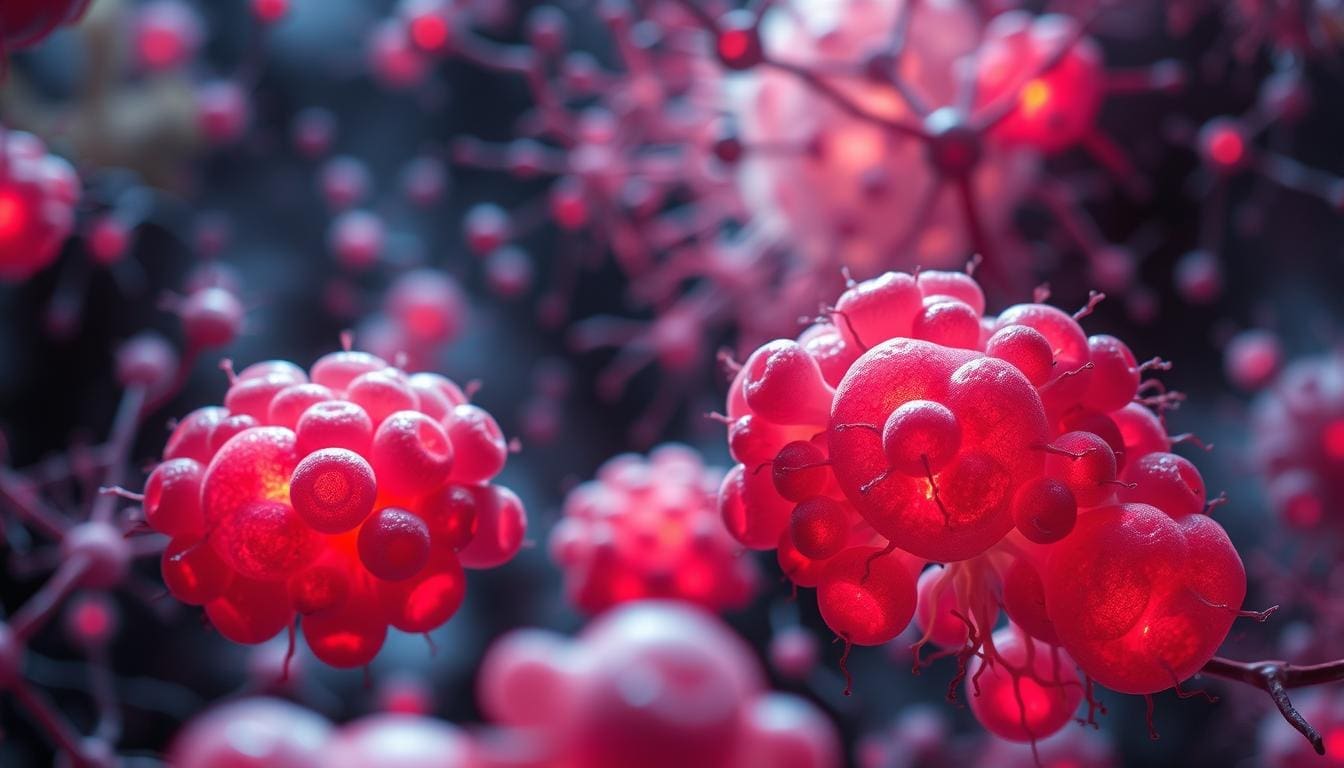
Embryonic cells are at the heart of medical progress. They are key in human growth and in finding new treatments. These cells are found in the very beginning of human life. They can become many different types of cells in our bodies.
Human embryonic stem cells (ESCs) can turn into many cell types. This makes them very important for medical research and healthcare. At Liv Hospital, we use the latest in stem cell research to give our patients the best care.
Key Takeaways
- Embryonic cells are undifferentiated cells that are vital for human development.
- Human embryonic stem cells can become many different cell types.
- Research on embryonic stem cells is changing healthcare and medical research.
- Liv Hospital uses the newest in stem cell research for patient care.
- Learning about embryonic cells helps us move forward in regenerative medicine.
The Fundamental Biology of Early Development
Right after fertilization, a series of cell events starts, leading to early development. This complex process includes stages from the zygote to the blastocyst. Knowing these stages is key to understanding embryonic cell types and their role in embryonic cell research.
Cellular Events Following Fertilization
After fertilization, the zygote goes through several cleavage divisions without growing much. This leads to the morula, a cluster of cells. Moving from the morula to the blastocyst, cells start to become different types. This is a key step in early development, preparing for more complex processes.
Experts say, “The preimplantation stage is marked by important cell decisions that set the stage for later development.”
“The preimplantation stage is characterized by a series of critical cellular decisions that lay the foundation for subsequent development.”
As the embryo grows, cell differentiation continues. It eventually leads to the formation of the three main germ layers: ectoderm, mesoderm, and endoderm. These layers are the starting points for all tissues and organs in the human body.
From Zygote to Blastocyst Formation
The journey from zygote to blastocyst is complex, with many cell divisions and differentiation steps. The blastocyst, formed around 5 days after fertilization, has two main cell groups: the inner cell mass and the trophectoderm. The inner cell mass is important because it leads to the embryonic stem cells. These cells can turn into any cell type in the body.
The blastocyst’s formation is a key moment in early development, showing the embryo is ready for implantation in the uterus. Studying blastocyst formation is vital for embryonic cell research and its uses in regenerative medicine.
How Scientists Define Embryonic Cells
Understanding embryonic cells is key to learning about human growth and disease. These cells, like embryonic stem cells (ESCs), can turn into many different cell types. This is called pluripotency.
Embryonic stem cells come from the inner cell mass of a blastocyst, an early embryo stage. They can grow and change into different cell types. This makes them very useful for medical research and possible treatments.
Key Characteristics of Embryonic Cells
Embryonic cells have special traits that set them apart from adult cells. These include:
- Pluripotency: They can become every type of body cell.
- Self-renewal: They can grow without changing, staying the same.
- Ability to differentiate: They can turn into specific cell types, like nerve or muscle cells, under the right conditions.
“The ability to reprogram somatic cells into induced pluripotent stem cells (iPSCs) has changed the field. It offers a new option, similar to embryonic stem cells, but with its own benefits.”
Distinguishing Embryonic Cells from Adult Cells
Embryonic cells are very different from adult cells. Adult stem cells can only turn into cells in their own tissue type. But embryonic stem cells can become any cell type in the body.
| Characteristics | Embryonic Cells | Adult Cells |
|---|---|---|
| Pluripotency | Yes | No (Generally limited to multipotency or unipotency) |
| Self-renewal | High capacity | Limited capacity |
| Differentiation Potentia | All three germ layers | Limited to specific tissue types |
Embryonic cells are vital in early development. Studying them helps us understand how cells differentiate and tissues form. Their role is key to knowing how a single fertilized egg can grow into a complex organism.
As we learn more about embryonic cell biology, we see their huge promise in regenerative medicine and tissue engineering. Being able to work with these cells in a lab opens up new ways to treat many diseases and injuries.
Embryonic Stem Cells: Nature’s Blank Slate
Embryonic stem cells can turn into many different cell types. This makes them very useful for medical treatments. They come from the inner cell mass of a blastocyst, an early embryo. Their special abilities make them key for studying human development and disease.
Pluripotency: The Defining Feature
What makes embryonic stem cells special is their ability to become any cell type in the body. This is different from adult stem cells, which can only become certain types of cells.
Pluripotency is a complex trait controlled by many factors. Understanding these is important for using embryonic stem cells in research and treatments.
Self-Renewal Mechanisms
Embryonic stem cells can keep themselves going, staying in culture for a long time. This is thanks to a balance of signals that help them divide and stay the same.
- The Wnt/β-catenin pathway is key for self-renewal.
- The PI3K/Akt pathway also helps keep these cells in a pluripotent state.
- Notch and TGF-β pathways add to the complex system controlling self-renewal.
Molecular Markers of Embryonic Stem Cells
To spot and study embryonic stem cells, scientists use certain molecular markers. These are proteins or genes that show up a lot in these cells.
| Marker | Description |
|---|---|
| Oct4 | A transcription factor essential for maintaining pluripotency |
| Nanog | A homeobox protein critical for self-renewal and pluripotency |
| SSEA-1/3/4 | Stage-specific embryonic antigens used as surface markers |
Knowing about the markers and how embryonic stem cells work is key for using them in medicine. Researchers hope to find new ways to treat diseases and injuries with these cells.
The Three Embryonic Germ Layers
The ectoderm, mesoderm, and endoderm are the three main layers in our bodies. They form during the early stages of development. These layers are key to creating the complex structures of life.
Exploring how these layers develop shows us the importance of embryonic cell differentiation. This process is vital for creating the different tissues and organs in our bodies.
Ectoderm: Development of Nervous System and Skin
The ectoderm is the outermost layer. It develops into the central and peripheral nervous systems and the skin. It turns into various cells, like neurons and skin cells. The development of the ectoderm involves many complex steps.
The neural tube, formed from the ectoderm, eventually gives rise to the brain and spinal cord. This is a critical step for the nervous system’s development. Any issues can cause neurological problems.
Mesoderm: Formation of Muscle, Bone, and Circulatory System
The mesoderm is in the middle and develops into muscles, bones, and blood vessels. It turns into cells like muscle and bone cells. The mesoderm’s development is essential for our body’s structure.
| Mesodermal Derivative | Examples of Cell Types |
|---|---|
| Somites | Myocytes, osteocytes |
| Lateral Plate Mesoderm | Endothelial cells, smooth muscle cells |
| Intermediate Mesoderm | Kidney cells, reproductive system cells |
Endoderm: Origin of Digestive and Respiratory Systems
The endoderm is the innermost layer. It forms the lining of the digestive and respiratory systems. It turns into cells like those in the gut and lungs. The endoderm’s development is vital for our internal organs.
In conclusion, the ectoderm, mesoderm, and endoderm are the foundation of our bodies. Understanding their development is key to understanding human biology. It also helps in finding new treatments for diseases.
Harvesting and Culturing Embryonic Stem Cells
To grow embryonic stem cells, researchers first isolate them from the inner cell mass of a blastocyst. These cells come from in vitro fertilization clinics, where they are donated for research. The steps to get and grow these cells in the lab are complex.
The Blastocyst as a Source of Stem Cells
The blastocyst is a key stage in early development, happening 5-6 days after fertilization. It has two main cell groups: the trophoblast and the inner cell mass (ICM). The ICM is where embryonic stem cells come from. These cells can turn into many different types of cells.
Laboratory Techniques for Isolation
To get embryonic stem cells, researchers dissect the ICM from the trophoblast and grow the ICM cells in a special medium. This needs highly specialized techniques and tools to keep the ESCs alive and able to become many cell types.
Maintaining Stem Cell Lines
After getting and growing embryonic stem cells, keeping them stable for research is key. This means passing the cells regularly, checking their pluripotency markers, and making sure they don’t get contaminated.
The Process of Embryonic Cell Differentiation
Learning about how embryonic cells change is key for better regenerative medicine. Embryonic stem cells (ESCs) can turn into many cell types. This makes them very useful for medical studies and possible treatments. We will look at how embryonic cells change, focusing on what controls their development and the challenges we face.
Signaling Pathways Controlling Differentiation
Many signaling pathways control how embryonic cells change. These pathways involve complex interactions between molecules like growth factors and transcription factors. For example, the Wnt/β-catenin pathway is important for deciding cell fate during development. Understanding these pathways is key to guiding ESCs to become specific cell types.
Some important signaling pathways include:
- The Notch signaling pathway, which helps decide cell fate and forms boundaries.
- The BMP (Bone Morphogenetic Protein) pathway, which affects many developmental processes.
- The TGF-β (Transforming Growth Factor-beta) pathway, which controls cell growth, differentiation, and matrix production.
Epigenetic Regulation of Cell Fate
Epigenetic mechanisms are vital for controlling cell differentiation. These mechanisms involve chemical changes to DNA or histone proteins. DNA methylation and histone modification are two main epigenetic mechanisms that influence cell fate during development.
| Epigenetic Mechanism | Function | Impact on Cell Fate |
|---|---|---|
| DNA Methylation | Silences gene expression | Maintains pluripotency or promotes differentiation |
| Histone Modification | Activates or represses gene expression | Regulates cell-specific gene programs |
Creating Specialized Cells in the Laboratory
One main goal of ESC research is to make specialized cells for therapy. By understanding the pathways and epigenetic mechanisms that guide differentiation, researchers can create specific cell types. For instance, ESCs can become neural cells for neurodegenerative disease treatment or cardiac cells for heart repair.
We are making great strides in this field, with many clinical trials using ESC-derived cells. As we learn more about embryonic cell differentiation, we will see new and innovative treatments.
Applications of Embryonic Stem Cell Research
Embryonic stem cells can turn into many different cell types. This opens new doors in healthcare. It changes how we do medical research and treatments.
Regenerative Medicine and Tissue Engineering
Embryonic cell research is very promising for regenerative medicine and tissue engineering. These cells can become many types of cells. This means we might be able to fix or replace damaged tissues and organs.
This could help with diseases like Parkinson’s, diabetes, and heart disease. It’s a big deal for treatment options.
- Repairing damaged heart tissue
- Replacing insulin-producing cells in diabetic patients
- Generating healthy neurons for patients with neurodegenerative diseases
Disease Modeling and Drug Development
Embryonic cell therapy is also great for making disease models and developing drugs. Researchers can make cell models of diseases. This lets them study how diseases progress and test treatments.
This makes finding new drugs faster and more effective. It’s a big step forward in medicine.
- Creating cellular models of genetic diseases
- Testing drug efficacy and toxicity
- Personalized medicine approaches using patient-specific cells
Developmental Biology Insights
Embryonic cell research also gives us insights into developmental biology. By studying how these cells develop, we learn more about human growth. This helps us understand birth defects and developmental disorders better.
As we keep exploring embryonic stem cell research, we see its huge impact on healthcare. The uses for embryonic cell therapy are endless. Ongoing research will likely find even more ways to use these versatile cells.
Ethical and Regulatory Landscape
Embryonic stem cell research needs careful thought about many factors. It’s tightly bound by strict ethical rules. This is because it can bring up big moral, ethical, and societal questions.
Moral and Ethical Considerations
The debate over using embryonic stem cells is fierce. The main worry is where these cells come from. They’re mostly from embryos made through in vitro fertilization that aren’t needed or are extra.
“The ethical issues surrounding embryonic stem cell research are complex and multifaceted, involving considerations of the moral status of the embryo, the benefits of the research, and the rights of the individuals involved.”
We must think about the good that embryonic stem cell research could do. This includes helping in regenerative medicine and learning more about human growth. But, we also have to consider the ethical worries.
United States Regulatory Framework
In the U.S., rules for embryonic stem cell research come from federal guidelines and funding rules. The Dickey-Wicker Amendment stops federal money from going to research that destroys human embryos.
| Regulatory Body | Role in Embryonic Stem Cell Research |
|---|---|
| NIH | Manages funding for embryonic stem cell research, making sure it follows federal rules. |
| FDA | Controls the use of embryonic stem cells in treatments, making sure they’re safe and work well. |
International Policies and Approaches
Worldwide, rules for embryonic stem cell research are very different. Some places are more open, while others are stricter.
- The United Kingdom is quite open, letting embryos be used in research with a license.
- On the other hand, Germany and Italy are more careful because of ethical and moral reasons.
As we go on, it’s key to understand and deal with these ethical and regulatory issues. This will help us move forward with embryonic stem cell research. We must do this while keeping in mind society’s values and norms.
Conclusion
Understanding embryonic cells is key for medical progress and new treatments. Embryonic stem cells (ESCs) can turn into many cell types. This makes them very important to study.
We’ve looked at the basics of early development and what makes embryonic cells special. Knowing about these cells helps us use them in medical research.
Embryonic stem cells are great for making tissues, studying diseases, and finding new drugs. As we learn more about them, we get closer to using them to help people.
By studying embryonic cells, we can create new treatments and improve care. Our look into embryonic stem cells shows how important ongoing research is.
FAQ
What are embryonic cells?
Embryonic cells are the basic units of human growth. They can turn into different cell types. This makes them key for fixing damaged tissues and studying how we grow.
What is the difference between embryonic cells and adult cells?
Embryonic cells can grow and change into many types of cells. Adult cells are more set in their ways and can’t change as much.
What are embryonic stem cells (ESCs)?
ESCs are a special kind of embryonic cell. They can grow into many different cell types. This makes them very useful for fixing damaged tissues and studying growth.
What is pluripotency, and why is it important?
Pluripotency lets ESCs grow and change into many cell types. This is why they’re so important for fixing damaged tissues and studying growth.
How are embryonic stem cells harvested and cultured?
ESCs are taken from the inner cell mass of a blastocyst. Scientists use special techniques to grow these cells in the lab.
What is the process of embryonic cell differentiation?
Differentiating embryonic cells is a complex process. It involves many signals and changes in how genes work. These changes decide what kind of cell will form.
What are the applications of embryonic stem cell research?
This research has many uses. It helps in making new treatments, studying diseases, and understanding how we grow. It’s a big step forward in medicine.
What are the ethical considerations surrounding embryonic stem cell research?
The ethics of this research are complex. It raises many questions about morality and how we should handle it. There are also laws that guide how it’s done.
What is the significance of the three embryonic germ layers?
The three germ layers – ectoderm, mesoderm, and endoderm – are the base for all adult cells. Knowing how they form is key to understanding human biology.
How does embryonic stem cell research contribute to regenerative medicine?
This research helps in regenerative medicine by providing cells for fixing tissues. It also leads to new treatments and therapies.
References
NCBI Bookshelf (National Library of Medicine): Stem Cell Transplants
Wikipedia: Embryonic Stem Cell
University of Wisconsin-Madison (Stem Cell ): What Are Stem Cells? (PDF)