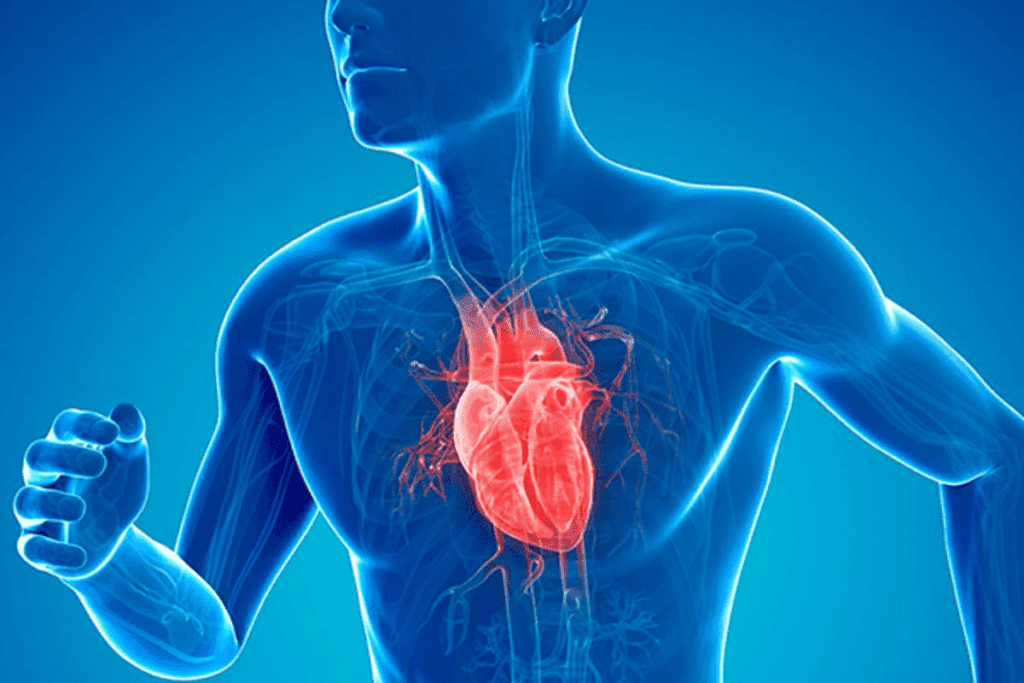
Your diet’s fat choices are key to your heart health and how long you live. Old myths said all fats are bad. But new studies show certain heart-healthy fats actually protect your heart and lower disease risk.
At Liv Hospital, we focus on nutrition advice backed by science. We help you pick the best fats for your heart and overall health. The American Heart Association suggests eating heart-healthy fats and following diets like DASH or Mediterranean.
Learning about these fats helps you make better food choices. This can greatly boost your heart health.
Key Takeaways
- Incorporating heart-healthy fats into your diet can reduce disease risk.
- The DASH and Mediterranean diets are recommended for heart health.
- Specific fats play a critical role in maintaining cardiovascular function.
- Liv Hospital provides patient-centered nutrition guidance.
- Evidence-based dietary choices can improve long-term wellness.
Understanding Fats and Heart Health

Dietary fats are key to heart health. They affect cholesterol levels and inflammation, which can impact heart disease risk. We’ll look at how different fats impact the heart and why it’s important to know the difference.
The Role of Dietary Fats in Cardiovascular Function
Dietary fats are vital for our bodies. They help us absorb vitamins and keep cells healthy. They also play a big role in heart health by managing cholesterol and inflammation.
Fats are a rich source of energy. They come in various types, each affecting heart health differently. Knowing these differences helps us make better food choices.
Differentiating Between Healthy and Unhealthy Fats
Not all fats are the same. Healthy fats, like unsaturated fats, can lower heart disease risk. On the other hand, unhealthy fats, such as saturated and trans fats, can increase this risk.
- Unsaturated Fats: These include monounsaturated and polyunsaturated fats. You can find them in avocados, nuts, seeds, and fatty fish. They help lower bad cholesterol and raise good cholesterol.
- Saturated Fats: Mainly found in animal products and some plant oils, saturated fats can raise bad cholesterol, increasing heart disease risk.
- Trans Fats: Created through hydrogenation, trans fats are in some processed foods. They can raise bad cholesterol and lower good cholesterol, significantly increasing heart disease risk.
How Fats Affect Cholesterol Levels
Cholesterol levels are vital for heart health. Dietary fats can change both LDL (bad) and HDL (good) cholesterol levels.
Type of Fat | Effect on LDL Cholesterol | Effect on HDL Cholesterol |
Unsaturated Fats | Lower | Increase or No Effect |
Saturated Fats | Raise | Increase or No Effect |
Trans Fats | Raise | Decrease |
Studies show replacing saturated fats with unsaturated fats lowers heart disease risk. Knowing how different fats affect heart health helps us make better food choices for our hearts.
The Science Behind Healthy Fats

Scientists have made big steps in understanding healthy fats and heart health. They’ve found out how dietary fats affect heart disease risk.
Research on Fat Consumption and Heart Disease Risk
Many studies have looked into the connection between fat intake and heart health. They’ve found that some fats can really impact heart disease risk.
Key findings include:
- Monounsaturated and polyunsaturated fats are good for the heart.
- Saturated and trans fats increase heart disease risk.
- The quality of fat matters more than how much you eat.
The 30 Percent Reduction in Cardiovascular Risk
Studies show that healthy fats can greatly lower heart disease risk. A study found that switching to healthy fats can cut cardiovascular risk by 30 percent.
This is as good as other heart-healthy actions.
Comparing Benefits to Statin Treatment
The risk reduction from healthy fats is impressive, even compared to statins. Statins are used to lower cholesterol and heart disease risk.
Intervention | Cardiovascular Risk Reduction |
Healthy Fat Consumption | 30% |
Statin Treatment | 25-35% |
The table shows that healthy fats offer benefits similar to statins. This shows how important diet is for heart health.
What Are Healthy Fats to Eat? Types and Classifications
To make informed decisions about our diet, we need to understand the different categories of healthy fats. Healthy fats are mainly divided into two types: monounsaturated and polyunsaturated fats. Both are important for heart health by improving cholesterol levels and reducing inflammation.
Monounsaturated Fats: Structure and Function
Monounsaturated fats have one double bond in their fatty acid chain. This makes them special for heart health. Foods like olive oil, avocados, and nuts are rich in these fats.
These fats help lower bad cholesterol and possibly raise good cholesterol. They also reduce inflammation in the body. Adding them to our diet can lower the risk of heart disease.
Polyunsaturated Fats: Omega-3 and Omega-6
Polyunsaturated fats have more than one double bond and are vital for our body. They are mainly omega-3 and omega-6 fatty acids. Fatty fish, flaxseeds, and walnuts are good sources.
Omega-3 fatty acids, found in fatty fish, reduce inflammation and improve heart health. Omega-6 fatty acids, in vegetable oils, also support heart health but too much can cause inflammation.
How These Fats Reduce Inflammation
Both monounsaturated and polyunsaturated fats reduce inflammation, a major cause of heart disease. Eating these fats can lower inflammatory markers in the body. This protects against heart damage.
The anti-inflammatory effects of these fats come from different sources. Omega-3 fatty acids produce anti-inflammatory compounds. They also improve blood vessel function. Eating foods rich in these fats can greatly reduce heart disease risk.
Olive Oil: The Mediterranean Gold
Olive oil is packed with monounsaturated fats and antioxidants. It’s a key part of a heart-healthy diet. We call it ‘Mediterranean gold’ because of its health benefits and taste.
Extra Virgin vs. Regular Olive Oil
Extra virgin olive oil (EVOO) and regular olive oil differ in how they’re made and what they contain. EVOO is pressed without heat, keeping its antioxidants and taste. Regular olive oil might be refined, losing some nutrients.
Key differences include:
- Production method: EVOO is cold-pressed, while regular olive oil may be refined.
- Antioxidant content: EVOO retains more antioxidants due to its minimal processing.
- Flavor and aroma: EVOO has a more distinct flavor and aroma.
Polyphenols and Heart Protection
Olive oil’s polyphenols are key for heart health. They reduce inflammation and boost heart function. These compounds help lower bad cholesterol.
“The consumption of olive oil has been associated with a reduced risk of cardiovascular disease, thanks to its high levels of monounsaturated fats and polyphenols.”
A study showed that olive oils rich in polyphenols protect the heart more.
Olive Oil Type | Polyphenol Content | Heart Health Benefits |
Extra Virgin | High | Significant reduction in cardiovascular risk |
Regular | Lower | Some benefits, but less pronounced |
Cooking Methods That Preserve Benefits
To keep olive oil’s health benefits, choose the right cooking methods. Use it at low heat or as a finishing touch. This helps keep its nutrients.
Recommended cooking methods include:
- Drizzling EVOO over dishes just before serving.
- Using it for low-heat sautéing or baking.
- Avoiding high-heat frying, which can degrade the oil’s quality.
Avocados: Nature’s Butter
Avocados are packed with nutrients and healthy fats. They are great for a heart-healthy diet. They support heart health in many ways.
Unique Monounsaturated Fat Profile
Avocados are full of monounsaturated fats. These fats help lower bad cholesterol and reduce heart disease risk. The main fat in avocados is oleic acid, which fights inflammation.
Oleic Acid Benefits:
- Improves heart health by reducing inflammation
- Enhances the absorption of nutrients
- Supports healthy blood lipid profiles
Beyond Fats: Additional Heart-Healthy Nutrients
Avocados are not just about healthy fats. They also have potassium, vitamin C, and fiber. These nutrients are good for the heart.
Nutrient | Benefit |
Potassium | Helps lower blood pressure |
Vitamin C | Acts as an antioxidant, protecting against cell damage |
Fiber | Supports healthy cholesterol levels and digestion |
Daily Consumption Recommendations
To enjoy avocados’ heart benefits, eat them every day. A serving is about one-third to one-half of a medium avocado.
Adding avocados to your diet is easy. Try them in salads, smoothies, or as a spread on whole-grain toast.
Fatty Fish: Omega-3 Powerhouses
Eating fatty fish can greatly improve your heart health. They are full of omega-3 fatty acids. These acids offer many benefits for your heart.
Salmon, Mackerel, Sardines, and Trout
Fatty fish like salmon, mackerel, sardines, and trout are great for your heart. They taste good and are full of nutrients. For example, a 3-ounce cooked salmon has about 1.8 grams of omega-3s.
Here’s a comparison of the omega-3 content in different fatty fish:
Fish Type | Omega-3 Content (per 3 oz serving) |
Salmon | 1.8 grams |
Mackerel | 1.2 grams |
Sardines | 1.3 grams |
Trout | 1.0 gram |
EPA and DHA: The Protective Mechanisms
The omega-3s in fatty fish, like EPA and DHA, are key for heart health. They fight inflammation, lower triglycerides, and stop blood clots. These actions help lower the risk of heart disease and stroke.
EPA and DHA Benefits:
- Reduce inflammation
- Lower triglyceride levels
- Prevent blood clot formation
- Support overall heart health
Fish Oil Supplements vs. Whole Fish
Fish oil supplements give you omega-3s, but whole fish have more. They have protein, vitamins, and minerals not in supplements. Eating whole fatty fish at least twice a week is best for omega-3 and heart health benefits.
Benefits of Whole Fish Over Supplements:
- Additional nutrients like protein and vitamins
- Better absorption of omega-3s
- Lower risk of contaminants found in some supplements
Nuts and Seeds: Compact Nutrition
Nuts and seeds are packed with nutrients, making them a tasty way to boost heart health. They are full of healthy fats, protein, and fiber. This makes them a great snack to help lower cholesterol and improve heart health.
It’s good to mix different nuts and seeds into your diet for the best benefits. Some top choices include walnuts, almonds, flaxseeds, chia seeds, and hemp seeds.
Walnuts, Almonds, and Flaxseeds
Walnuts stand out for their alpha-linolenic acid (ALA), a key omega-3 fatty acid. Almonds are rich in monounsaturated fats and vitamin E. Flaxseeds add fiber and ALA to your diet. You can easily add them to oatmeal, yogurt, or salads.
Nutritional Highlights:
- Walnuts: High in ALA (omega-3 fatty acid)
- Almonds: Rich in monounsaturated fats and vitamin E
- Flaxseeds: High in fiber and ALA
Chia and Hemp Seeds: Emerging Stars
Chia seeds and hemp seeds are becoming more popular for their health benefits. Chia seeds are a great source of fiber and omega-3s. Hemp seeds offer a complete protein and healthy fats. You can sprinkle them on salads or blend into smoothies.
Benefits:
- Chia seeds: High in fiber and omega-3s
- Hemp seeds: Complete protein and rich in healthy fats
Optimal Portions for Heart Benefits
To get the most heart benefits from nuts and seeds, eat them in the right amounts. A serving size is about 1 ounce, or a small handful.
Nut/Seed | Serving Size (1 oz) | Calories | Fat Content |
Walnuts | 14 halves | 185 | 18g |
Almonds | 23 nuts | 161 | 14g |
Flaxseeds | 2 tbsp ground | 120 | 4g |
Chia Seeds | 2 tbsp | 100 | 9g |
Hemp Seeds | 3 tbsp | 170 | 14g |
Adding a variety of nuts and seeds to your diet can greatly benefit your heart. Knowing their nutritional value and eating them in the right amounts supports your heart health.
Plant Oils Beyond Olive: Expanding Options
Looking into plant oils other than olive oil opens up a world of healthy fats for our meals. While olive oil is well-known for its health perks, other oils have their own nutritional benefits and uses in cooking.
Avocado Oil: High-Heat Cooking Option
Avocado oil is great for cooking at high temperatures because of its high smoke point. It’s full of monounsaturated fats, which can lower bad cholesterol and raise good cholesterol. Avocado oil’s mild taste lets it be used in many ways, from sautéing to grilling.
- High smoke point, ideal for frying and grilling
- Rich in monounsaturated fats for heart health
- Mild flavor suitable for various dishes
Walnut Oil: Omega-3 Rich Alternative
Walnut oil is packed with omega-3 fatty acids, mainly alpha-linolenic acid (ALA). ALA helps support heart health by fighting inflammation and improving blood fats. Use walnut oil in cold dishes or as a finishing touch because it has a low smoke point.
- Rich in ALA, supporting heart health
- Use in salad dressings or as a finishing oil
- Low smoke point, not suitable for high-heat cooking
Flaxseed Oil: Limitations and Benefits
Flaxseed oil is another ALA source, good for heart health. But, it can’t handle high heat and isn’t good for cooking. Flaxseed oil should be kept in the fridge to keep its nutrients. It’s best in cold dishes or as a supplement.
- High in ALA for heart health benefits
- Not suitable for cooking due to low smoke point
- Store in refrigerator to maintain freshness
In summary, exploring beyond olive oil reveals a variety of healthy fats and oils. Adding avocado oil, walnut oil, and flaxseed oil to our meals can boost heart health and add variety to our cooking.
Dark Chocolate and Cocoa: Surprising Heart Allies
Dark chocolate and cocoa are more than just tasty treats. They’re packed with flavanols that boost heart health. These compounds are linked to many cardiovascular benefits.
Cocoa Butter’s Fat Composition
Cocoa butter, the main fat in dark chocolate, has different fatty acids. These include oleic acid, stearic acid, and palmitic acid. While some fats might seem bad for the heart, cocoa and dark chocolate are actually good for it.
Key fatty acids in cocoa butter:
- Oleic acid: A monounsaturated fat also found in olive oil
- Stearic acid: A saturated fat that may have neutral effects on cholesterol
- Palmitic acid: A saturated fat that can affect cholesterol levels
Flavanols and Cardiovascular Effects
Flavanols in cocoa and dark chocolate are great for the heart. They improve blood flow, lower blood pressure, and reduce inflammation. These compounds are key to heart health.
The ways flavanols help the heart include:
- Improving nitric oxide production, leading to better blood vessel function
- Reducing oxidative stress and inflammation in the cardiovascular system
- Helping to maintain healthy blood pressure levels
Choosing Heart-Healthy Chocolate Products
To enjoy the heart benefits of dark chocolate, pick wisely. Look for dark chocolate with at least 70% cocoa and little added sugar.
Tips for selecting heart-healthy dark chocolate:
- Opt for dark chocolate with 70% cocoa or higher
- Check the ingredient list for minimal added sugars
- Choose products with minimal processing and no added preservatives
Conclusion: Creating Your Heart-Healthy Fat Strategy
We’ve looked at different healthy fats and how they help your heart. Now, it’s time to add them to your meals. Eating healthy fats like olive oil, avocados, and nuts can lower your heart disease risk.
To make your diet better, start by checking what you eat now. Look for ways to swap out bad fats for good ones. Use olive oil instead of butter, eat nuts and seeds, and have fatty fish like salmon twice a week.
Keeping a healthy fats list can help you stick to your plan. Avocados, walnuts, and salmon are great choices. Knowing what are healthy fats to eat helps you make smart food choices for your heart.
Adding these heart healthy fats to your meals is a big step towards a healthier diet. It’s not only delicious but also good for your heart and overall health.
FAQ
What are healthy fats, and why are they important for heart health?
Healthy fats, like monounsaturated and polyunsaturated fats, are key for heart health. They reduce inflammation, improve cholesterol levels, and lower heart disease risk.
What are some examples of healthy fat foods?
Healthy fats are found in foods like olive oil, avocados, and fatty fish. Nuts and seeds, like walnuts and chia seeds, and dark chocolate are also good sources.
How do unsaturated fats benefit heart health?
Unsaturated fats help lower bad cholesterol and raise good cholesterol. This reduces heart disease risk and boosts overall heart health.
What is the difference between monounsaturated and polyunsaturated fats?
Monounsaturated fats, found in olive oil and avocados, have one double bond. Polyunsaturated fats, in fatty fish and nuts, have multiple double bonds. Both offer heart health benefits.
Are fish oil supplements as effective as whole fish for heart health?
Fish oil supplements have benefits, but whole fish is better. Whole fish provides more nutrients and a balanced fatty acid profile.
How much dark chocolate is recommended for heart health benefits?
Enjoy 1-2 ounces (28-57 grams) of dark chocolate daily for heart health. Choose dark chocolate with high flavanol content.
Can cooking with healthy oils damage their nutritional value?
Yes, high-heat cooking can harm healthy oils. Use gentle heat, choose the right oil, and store oils properly to preserve their benefits.
What are some alternative plant oils that can be used for cooking?
Try avocado oil, walnut oil, and flaxseed oil for cooking. They offer different benefits and flavors, enriching your meals.
How can I incorporate healthy fats into my diet?
Add healthy fats to your diet with olive oil, nuts, seeds, fatty fish, avocados, and dark chocolate. Enjoy them in moderation.
Are there any specific daily consumption recommendations for healthy fats?
The American Heart Association suggests 20-35% of daily calories come from fats. Focus on unsaturated fats for the best heart health.
References
National Center for Biotechnology Information. Healthy Fats: Dietary Choices Impact Heart Health. Retrieved from https://www.ncbi.nlm.nih.gov/pmc/articles/PMC2847423/