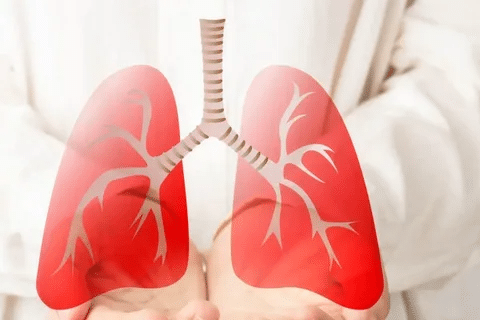
Pneumonia is a serious lung infection. It can be caused by bacteria, viruses, or fungi. This infection leads to inflammation and fluid in the lungs. At Liv Hospital, we know pneumonia is a big health problem worldwide.
It’s important to know the different types of pneumonia. This helps in treating it properly. With over 30 different microorganisms causing pneumonia, it’s key to understand symptoms, complications, and severity levels. This ensures early treatment and management.
Key Takeaways
- Pneumonia is a serious lung infection caused by bacteria, viruses, or fungi.
- Understanding the different types of pneumonia is key for effective treatment.
- Pneumonia is a big health threat worldwide, affecting millions each year.
- Knowing the symptoms and complications is vital for early treatment.
- Liv Hospital is committed to providing the best care for pneumonia patients.
Understanding Pneumonia: A Comprehensive Overview
[Add image here]
It’s important to know about pneumonia to understand its different types and how to treat them. We’ll look at the basics of pneumonia, including what it is and how it affects the lungs.
Definition and Basic Mechanisms
Pneumonia is an infection that makes the air sacs in the lungs inflamed and filled with fluid. It can be caused by bacteria, viruses, or fungi. When pathogens enter the lung tissue, they start an immune response. This leads to inflammation and congestion.
There are five main types of pneumonia. These include bacterial, viral, mycoplasma, fungal, and aspiration pneumonia. Each type needs a different treatment plan.
How Pneumonia Affects the Lungs
Pneumonia makes the tiny air sacs in the lungs (alveoli) inflamed and filled with fluid. This makes breathing hard. It also stops the lungs from exchanging oxygen and carbon dioxide well, causing symptoms like cough, fever, and trouble breathing.
The effect of pneumonia on the lungs can vary. It depends on the type and how severe it is. In bad cases, pneumonia can cause serious problems like respiratory failure. This might need a machine to help breathe.
What Are the 5 Types of Pneumonia?
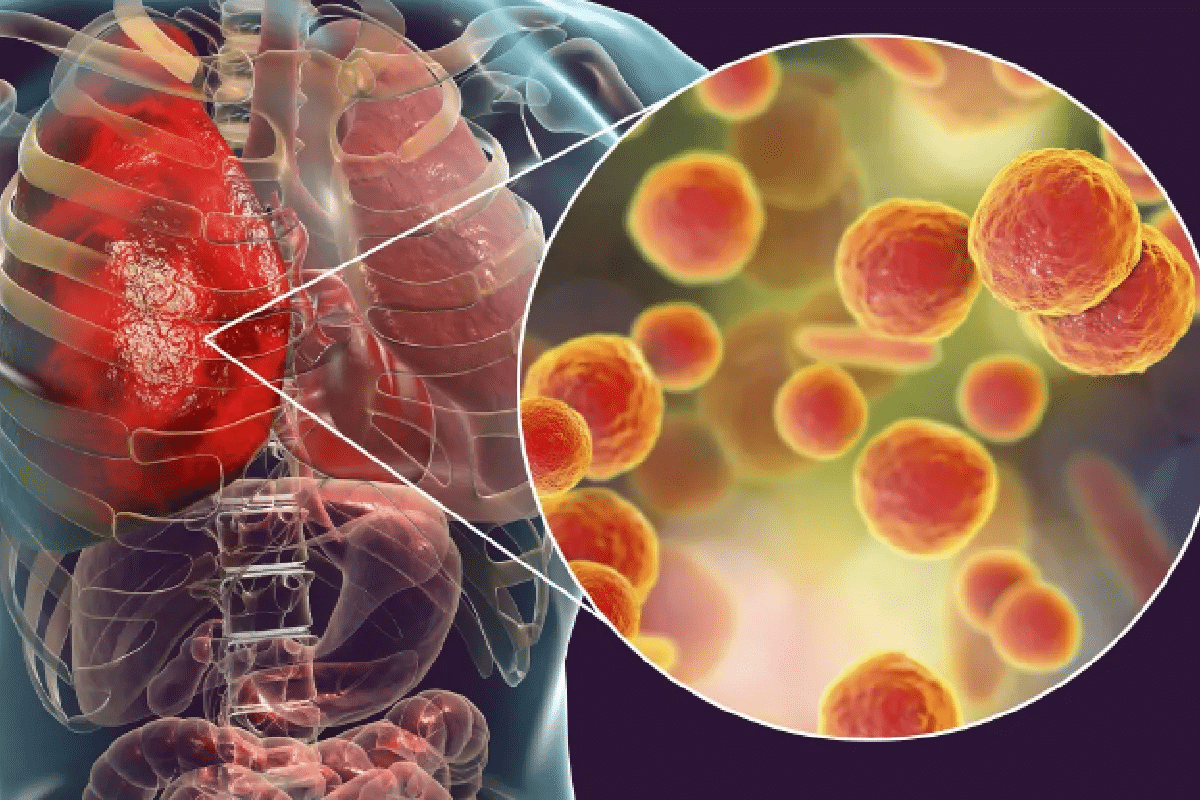
Knowing the different types of pneumonia is key to treating it right. Pneumonia is a serious lung infection that can be caused by many things. This leads to various types of pneumonia.
Pneumonia can be grouped by who or what causes it. Knowing this helps doctors choose the best treatment. It also shows how serious the condition might be.
Classification Based on Causative Agents
Pneumonia can be caused by bacteria, viruses, or fungi. The cause often decides the type of pneumonia and how it’s treated.
- Bacterial Pneumonia: Caused by bacteria like Streptococcus pneumoniae, it’s very common.
- Viral Pneumonia: Caused by viruses like influenza or RSV, it feels like the flu.
- Fungal Pneumonia: Affects people with weak immune systems, caused by fungi like Pneumocystis jirovecii.
- Mycoplasma Pneumonia: Caused by Mycoplasma pneumoniae, it’s often mild and called “walking pneumonia.”
A medical expert says, “The type of pneumonia and its cause are key to treatment and patient results.”
“Knowing the exact type of pneumonia is vital for choosing the right medicine.”
Classification Based on Acquisition
Pneumonia can also be grouped by where it’s caught. There are two main types: community-acquired pneumonia (CAP) and hospital-acquired pneumonia (HAP).
|
Type |
Description |
Common Causes |
|---|---|---|
|
Community-Acquired Pneumonia (CAP) |
Develops outside of a hospital setting |
Bacteria, viruses, and sometimes fungi |
|
Hospital-Acquired Pneumonia (HAP) |
Occurs 48 hours or more after admission to a hospital |
Often caused by more resistant bacteria |
|
Aspiration Pneumonia |
Results from inhaling food, liquids, or other materials into the lungs |
Often seen in individuals with dysphagia or altered consciousness |
Understanding these groups helps doctors give the best care for each patient.
Bacterial Pneumonia: The Most Common Type
Bacterial pneumonia is the most common pneumonia type in adults. It’s usually caused by Streptococcus pneumoniae. But, Haemophilus influenzae and Klebsiella pneumoniae can also cause it.
Common Bacterial Pathogens
Streptococcus pneumoniae is the main cause of pneumonia. It lives in the upper respiratory tract. It can become harmful if the immune system weakens.
Haemophilus influenzae, Moraxella catarrhalis, and Staphylococcus aureus can also cause pneumonia. These bacteria can cause severe infections, mainly in people with health issues or without vaccines.
Distinctive Symptoms and Presentation
Bacterial pneumonia symptoms include fever, productive cough with yellow or green sputum, and shortness of breath. People may also have shaking chills, chest pain, and feel very tired.
In serious cases, pneumonia can cause breathing failure or sepsis. It’s vital to get medical help quickly if symptoms appear.
Treatment Approaches for Bacterial Pneumonia
Treating bacterial pneumonia mainly involves antibiotics. The right antibiotic depends on the bacteria causing the infection and local resistance.
Supportive care like staying hydrated, resting, and oxygen therapy is also key. In severe cases, hospital care is needed for close monitoring and intensive treatment.
It’s important to finish all antibiotics as directed by a doctor. This helps clear the infection and prevents antibiotic resistance.
Viral Pneumonia: Causes and Characteristics
Viral pneumonia is a big health issue, making up about one-third of all pneumonia cases. It’s caused by viruses, leading to symptoms that can range from mild to severe. This is different from bacterial pneumonia, which is caused by bacteria.
Viruses like influenza, respiratory syncytial virus (RSV), and coronaviruses often cause viral pneumonia. These viruses can affect people of all ages. But some groups, like the elderly and young children, are more likely to get very sick.
Common Viral Agents
The main viruses that cause viral pneumonia are:
- Influenza viruses: These viruses cause seasonal outbreaks and can lead to serious pneumonia, mainly in the elderly and young kids.
- Respiratory Syncytial Virus (RSV): RSV is a big cause of lung infections in babies and older adults.
- Coronaviruses: This group includes SARS-CoV and SARS-CoV-2, the virus behind COVID-19. It can cause pneumonia that’s mild or very serious.
Knowing about these viruses helps doctors come up with the right treatment plans.
Symptom Progression and Identification
The symptoms of viral pneumonia can vary a lot. They depend on the virus, the person’s age, and their health. Common signs include:
- Cough
- Fever
- Shortness of breath or trouble breathing
- Chest pain or discomfort
In some cases, viral pneumonia might have milder symptoms. This makes it hard to tell it apart from other colds or flu. But in serious cases, it can cause life-threatening problems like acute respiratory distress syndrome (ARDS).
A doctor said, “Spotting viral pneumonia early is key to stopping it from getting worse.”
“The key to managing viral pneumonia lies in understanding its viral etiology and identifying patients at risk for severe disease.”
Management and Treatment Options
Managing viral pneumonia mainly involves supportive care. This includes:
|
Treatment Approach |
Description |
|---|---|
|
Antiviral medications |
Used for specific viral infections like influenza |
|
Supportive care |
Includes hydration, rest, and oxygen therapy as needed |
|
Hospitalization |
Needed for severe cases or those with serious health problems |
Prevention is also key. Vaccines against influenza and COVID-19 can help lower the risk of viral pneumonia.
We stress the need for a full approach to fight viral pneumonia. This includes prevention, early detection, and the right treatment. By knowing the causes and signs of viral pneumonia, we can tackle this major health problem better.
Mycoplasma Pneumonia: The “Walking Pneumonia”
“Walking pneumonia,” or mycoplasma pneumonia, is caused by the bacterium Mycoplasma pneumoniae. It has mild, flu-like symptoms.
Unique Features of Mycoplasma Infections
Mycoplasma pneumonia is known for its mild symptoms. It can be hard to tell apart from other respiratory infections. The infection spreads in crowded places, like schools and military barracks, because of the close living conditions.
One special thing about mycoplasma pneumonia is how it starts. Symptoms can take time to show up. This makes it hard to catch early.
Recognizing Atypical Symptoms
The symptoms of mycoplasma pneumonia vary. They can include a persistent cough, headache, and fatigue. Unlike typical pneumonia, mycoplasma pneumonia often doesn’t have a high fever or severe breathing problems. This makes it tough to diagnose just by symptoms.
- Cough, which may be persistent and dry
- Sore throat
- Headache
- Fatigue
- Mild fever
Treatment Protocols and Recovery Timeline
Treatment for mycoplasma pneumonia usually involves antibiotics like macrolides or fluoroquinolones. It’s key to finish the whole antibiotic course to get rid of the infection.
Most people get better from mycoplasma pneumonia in a few weeks. But, some may feel tired and cough for weeks after the illness starts.
Fungal Pneumonia: Less Common but Serious
Fungal pneumonia is a serious condition caused by inhaling fungal spores. It’s a concern for people with weakened immune systems. This includes those with chronic illnesses, undergoing chemotherapy, or taking immunosuppressive drugs.
At-Risk Populations
Some groups face a higher risk of fungal pneumonia. These include:
- Patients with HIV/AIDS
- Individuals undergoing organ transplantation
- People receiving corticosteroid therapy
- Those with chronic lung diseases
Knowing the risks and taking steps to prevent it can help. This is key for these vulnerable populations.
Common Fungal Pathogens and Their Symptoms
Several fungal pathogens can cause pneumonia. Here are some common ones:
|
Fungal Pathogen |
Symptoms |
|---|---|
|
Aspergillus |
Cough, fever, difficulty breathing, and chest pain |
|
Histoplasma |
Fever, cough, fatigue, and chest pain, often resembling flu-like symptoms |
|
Coccidioides |
Fever, cough, headache, and fatigue, with possible skin rash |
|
Cryptococcus |
Headache, fever, cough, and shortness of breath, potentially leading to meningitis |
Diagnosis and Treatment Challenges
Diagnosing fungal pneumonia can be tough. Symptoms are often similar to other pneumonias. Advanced tests, like imaging and lab work, are needed for a correct diagnosis.
Treatment usually involves antifungal drugs. These can have side effects and interact with other medications. The right treatment depends on the fungus, how severe the infection is, and the patient’s health.
It’s vital to treat fungal pneumonia quickly and effectively. This is even more important for those with weakened immune systems. It helps prevent serious complications and improves health outcomes.
Aspiration Pneumonia: Causes and Risk Factors
Aspiration pneumonia happens when things that shouldn’t be in the lungs are inhaled. This leads to infection and inflammation. It’s more common in people with weak gag reflexes or those who can’t protect their airway.
Mechanism of Development
Aspiration pneumonia occurs when foreign material, like food, liquids, or vomit, is inhaled into the lungs. This can happen during eating, vomiting, or when the gag reflex doesn’t work right. Once in the lungs, it can cause an infection, leading to inflammation and serious complications.
The lung’s response to inhaled material can vary. In some cases, it can cause a chemical injury to the lung tissue. In other cases, it can introduce bacteria into the lung, leading to infection.
High-Risk Groups and Prevention
Certain groups are at higher risk for developing aspiration pneumonia. These include:
- Older adults, specially those with dysphagia (difficulty swallowing)
- Individuals with neurological conditions such as stroke, Parkinson’s disease, or dementia
- People with esophageal disorders or those who have undergone head and neck surgery
- Patients who are sedated or have a depressed level of consciousness
Prevention strategies are key for high-risk groups. These strategies include:
- Swallowing therapy for individuals with dysphagia
- Elevating the head of the bed during feeding and for at least 30 minutes after feeding
- Avoiding sedatives that can impair consciousness
- Good oral hygiene to reduce bacterial load
Symptoms and Treatment Approaches
The symptoms of aspiration pneumonia can vary. They often include cough, difficulty breathing, chest pain, and fever. In severe cases, it can lead to respiratory failure, requiring mechanical ventilation.
Treatment approaches focus on supportive care and managing the underlying cause. This includes:
|
Treatment Approach |
Description |
|---|---|
|
Antibiotics |
Administered to treat bacterial infections |
|
Supportive Care |
Oxygen therapy, hydration, and nutritional support |
|
Swallowing Therapy |
For individuals with dysphagia to prevent future aspirations |
Understanding the risk factors and taking preventive measures are key to reducing the incidence of aspiration pneumonia. We must be vigilant in identifying individuals at risk and implementing appropriate strategies to protect their airways.
Comparing Severity Across Pneumonia Types
Different types of pneumonia vary in severity, from mild to life-threatening. It’s important to understand how severe pneumonia is to manage it properly. This ensures patients get the right care.
Mild to Moderate Cases
Mild to moderate pneumonia can be treated outside the hospital. Symptoms include cough, fever, and fatigue. These symptoms are not severe enough to need hospital care.
Early diagnosis and treatment are key. They help prevent the condition from getting worse.
Severe Pneumonia Indicators
Severe pneumonia has more intense symptoms. These include high fever, trouble breathing, and chest pain. Signs of severe pneumonia are hypoxemia (low blood oxygen), tachypnea (fast breathing), and confusion.
These patients often need to be in the hospital. They might also need oxygen or a breathing machine.
Life-Threatening Pneumonia and Emergency Signs
Life-threatening pneumonia is a serious emergency. Signs include severe breathing trouble, cyanosis (skin turns blue due to lack of oxygen), and septic shock. Quick medical help is needed to save lives.
People with heart disease or diabetes are at higher risk. They need to be watched closely for signs of severe pneumonia.
Knowing the severity of pneumonia is key for quick and effective treatment. Healthcare providers can make better decisions about care. This helps improve patient outcomes.
Complications and Long-Term Effects
Complications from pneumonia can be severe and have long-lasting effects on health. Pneumonia is not just an acute illness. It can lead to significant complications and long-term health consequences.
Acute Complications
Acute complications of pneumonia can arise during the initial illness. They can lead to life-threatening conditions. Respiratory failure is one of the most serious complications. It happens when the lungs fail to take in enough oxygen, requiring mechanical ventilation.
Another critical complication is sepsis. It’s a systemic inflammatory response to infection that can cause organ dysfunction. Other acute complications include the development of a lung abscess and empyema. These conditions often require aggressive treatment, including antibiotics and sometimes surgical intervention.
Long-Term Health Consequences
Even after recovering from pneumonia, patients may experience long-term health consequences. Some individuals may develop chronic obstructive pulmonary disease (COPD) or experience a decline in lung function. Pneumonia has also been linked to an increased risk of cardiovascular events, such as heart attacks and strokes, in the months and years following the illness.
Survivors of severe pneumonia may face long-term cognitive and functional impairments. These impairments can affect their quality of life. We emphasize the importance of follow-up care to monitor and manage these effects.
Mortality Risk Factors
Understanding the risk factors for mortality from pneumonia is key. Advanced age, underlying health conditions, and immunosuppression are significant risk factors. We also recognize that timely and appropriate treatment can significantly reduce mortality risk.
By acknowledging these complications and risk factors, we can better manage pneumonia. Effective prevention and treatment strategies are key to reducing the burden of this serious infection.
Risk Factors and Prevention Strategies
Preventing pneumonia requires a mix of understanding risks and taking steps to prevent it. Pneumonia is a serious infection that can hit anyone. But some groups face higher risks due to different factors.
Vulnerable Populations
Some groups are more likely to get pneumonia. Older adults, over 65, face higher risks because their immune systems weaken with age. Young children, under 2, are also at risk because their immune systems are not fully developed.
People with chronic health conditions like heart disease, diabetes, or lung disease are more likely to get pneumonia. Their health is already compromised.
Those with weakened immune systems, like those with HIV/AIDS or going through chemotherapy, are also at higher risk. Lifestyle choices, like smoking, can damage lungs and increase pneumonia risk.
Vaccination Recommendations
Vaccination is a key way to prevent pneumonia. The pneumococcal conjugate vaccine (PCV) and pneumococcal polysaccharide vaccine (PPV) are recommended for children and adults at risk. The influenza vaccine is also important as it protects against flu, which can lead to pneumonia.
We suggest that people, and those at high risk, talk to their healthcare provider about the right vaccines. This will help them stay protected.
- Pneumococcal conjugate vaccine (PCV) for children under 2 and adults at risk
- Pneumococcal polysaccharide vaccine (PPV) for adults 65 and older
- Influenza vaccine annually for all ages
Lifestyle and Environmental Factors
Changing your lifestyle can lower pneumonia risk. Quitting smoking is key as it improves lung health and lowers infection risk. Eating well and exercising regularly boosts your immune system.
Also, avoiding pollutants and ensuring good air quality indoors can prevent respiratory infections. By knowing the risks and taking these steps, we can fight pneumonia and help those affected.
Conclusion: When to Seek Medical Help for Pneumonia
Knowing when to get medical help is key for managing pneumonia well. Spotting signs that need quick attention can greatly help pneumonia patients. This ensures they get the right treatment on time.
Signs that mean you should see a doctor include trouble breathing, high fever, and confusion. If you or someone you care about shows these signs, get help fast. Early treatment can greatly improve recovery and avoid long-term health issues.
We’ve talked about the different kinds of pneumonia, their causes, symptoms, and risks. Knowing the signs of pneumonia and when to see a doctor helps keep you and others healthy.
If you think you have pneumonia, don’t wait to see a doctor. They will check you, do tests to find out if you have pneumonia, and treat you. Quick medical care is vital for handling pneumonia well and avoiding serious problems.
FAQ
What is pneumonia?
Pneumonia is a serious infection that affects the air sacs in the lungs. It can be caused by bacteria, viruses, or fungi. This infection may fill the air sacs with fluid.
What are the main types of pneumonia?
There are five main types of pneumonia. These include bacterial, viral, mycoplasma, fungal, and aspiration pneumonia. Each type is caused by different agents and how you get it.
What are the symptoms of bacterial pneumonia?
Symptoms of bacterial pneumonia include coughing, fever, and chills. You might also have trouble breathing. The cough may bring up mucus or phlegm, and you might feel pain or discomfort in your chest.
How is viral pneumonia different from bacterial pneumonia?
Viral pneumonia is caused by viruses, while bacterial pneumonia is caused by bacteria. Treatment for viral infections often involves antiviral therapy. For bacterial pneumonia, antibiotics are used.
What is mycoplasma pneumonia?
Mycoplasma pneumonia, also known as “walking pneumonia,” is caused by the bacterium Mycoplasma pneumoniae. It usually has mild symptoms. Most people can get better without needing to stay in the hospital.
Who is at risk for fungal pneumonia?
Fungal pneumonia is a big worry for people with weakened immune systems. This includes those who are sick or taking certain medicines.
What is aspiration pneumonia?
Aspiration pneumonia happens when you breathe in food or liquids. It’s more common in people who have trouble swallowing. This can lead to infection in the lungs.
How severe can pneumonia be?
Pneumonia can range from mild to very serious. Severe cases can cause respiratory failure, sepsis, and other serious problems. These risks are higher for certain groups of people.
What are the complications of pneumonia?
Complications of pneumonia can include acute respiratory distress syndrome (ARDS) and sepsis. It can also lead to long-term health issues, like reduced lung function.
How can pneumonia be prevented?
To prevent pneumonia, get vaccinated against pneumococcal disease and influenza. Stay healthy, and avoid smoke and pollutants.
Are there different strains of pneumonia?
Yes, there are many strains of pneumonia. These include various bacteria, viruses, and fungi that can cause the infection.
What are the signs of bacterial pneumonia?
Signs of bacterial pneumonia include coughing, fever, chills, and trouble breathing. You might also feel pain or discomfort in your chest. If you have these symptoms, you should see a doctor.
Is pneumonia deadly?
Pneumonia can be deadly, mainly in severe cases. This is true for the elderly, young children, and those with health problems.
What are the long-term effects of pneumonia?
Long-term effects of pneumonia can include reduced lung function and a higher risk of future infections. The severity and type of pneumonia determine these effects.
References
World Health Organization. Evidence-Based Medical Guidance. Retrieved from https://www.who.int/news-room/fact-sheets/detail/pneumonia