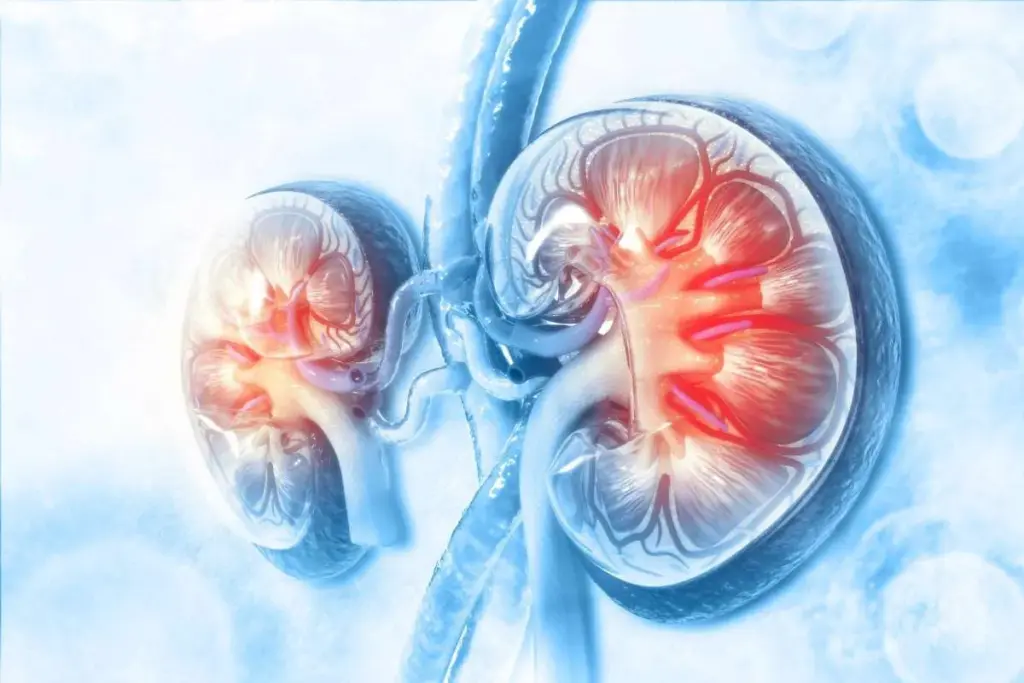
Acute kidney injury (AKI), once called acute renal failure, is a serious condition. It happens when the kidneys suddenly stop working. This can occur in just hours or days and can cause serious health problems if not treated quickly.
It’s important to know the signs and symptoms of AKI to catch it early. At Liv Hospital, our team is committed to top-notch care. We focus on the patient, making sure they get the right treatment fast.
If you notice you’re not making much urine, feeling very tired, swollen, or confused, see a doctor right away. Spotting these signs early can save your life.
Key Takeaways
- Acute kidney injury (AKI) is a sudden loss of kidney function that can develop within hours or days.
- Early detection and treatment of AKI can significantly improve patient outcomes.
- Common signs and symptoms of AKI include decreased urine output, fatigue, swelling, and confusion.
- Prompt medical attention is critical if you’re experiencing any of these symptoms.
- Liv Hospital’s expert team provides high-quality care with a patient-centered approach.
Understanding Acute Renal Failure

Acute renal failure means the kidneys work very poorly, often less than 10 percent of normal. This causes waste like creatinine and urea nitrogen to build up in the blood. If not treated quickly, it can cause serious problems.
Definition and Terminology
Acute renal failure, also known as acute kidney injury (AKI), is when kidney function drops fast. The kidneys can’t filter waste from the blood well. AKI is a serious issue that needs quick medical help to avoid lasting harm.
Doctors use specific criteria, like the RIFLE criteria or KDIGO guidelines, to diagnose and stage AKI. These tools help spot at-risk patients and guide treatment.
Prevalence and Risk Factors
AKI happens more often in intensive care units. Certain conditions, like diabetes, high blood pressure, and heart disease, raise the risk. Knowing these risk factors helps catch AKI early.
| Risk Factor | Description | Impact on Kidney Function |
|---|---|---|
| Diabetes | High blood sugar levels damage kidney blood vessels. | Increased risk of kidney damage and AKI. |
| High Blood Pressure | Excessive pressure on kidney blood vessels. | Reduced kidney function over time. |
| Heart Disease | Reduced heart function affects kidney perfusion. | Increased risk of AKI due to decreased kidney blood flow. |
Early treatment of AKI usually helps most people regain their kidney function. But, waiting too long can cause permanent kidney damage. It’s key for doctors to know the signs of AKI to start treatment fast.
Common Signs and Symptoms of Acute Renal Failure

Acute renal failure shows up in many ways, making it important to know the signs. Spotting these symptoms early helps doctors act fast and improve patient care.
Decreased Urine Output
One key sign of acute kidney injury (AKI) is less urine. This happens in about 70% of cases. It shows the kidneys are not working right.
Physical Manifestations
AKI can cause edema in the legs and feet because of too much fluid. It also leads to fatigue and weakness. These happen because the kidneys can’t filter waste well.
Neurological Symptoms
Neurological signs like confusion and altered mental status can happen. This is because toxins build up when the kidneys can’t filter them out. These signs show how AKI affects the whole body.
Digestive System Symptoms
Digestive issues like nausea and loss of appetite are common in AKI patients. These problems can make it hard to get enough nutrients and affect health.
| Symptom Category | Common Symptoms |
|---|---|
| Urinary Symptoms | Decreased urine output |
| Physical Manifestations | Edema, fatigue, weakness |
| Neurological Symptoms | Confusion, altered mental status |
| Digestive System Symptoms | Nausea, loss of appetite |
It’s key for doctors to know these symptoms to treat AKI well. Spotting them early means patients can get help sooner, which can lead to better results.
Conclusion
Acute renal failure, also known as acute kidney injury (AKI), is a serious condition. It needs immediate medical attention. Knowing the signs, like decreased urine output and physical symptoms, is key for early treatment.
The symptoms of acute renal kidney failure can vary. But knowing the risk factors and signs helps manage AKI well. Treatment aims to fix the cause, manage complications, and support kidney function until recovery.
Acute renal failure symptoms can be managed if treated quickly. Most people recover their kidney function if treated early. By knowing the signs, patients can get medical help fast, reducing severe complications.
FAQ
What is acute renal failure?
Acute renal failure, or acute kidney injury (AKI), is a serious condition. It happens when the kidneys quickly lose function. This leads to waste products building up in the blood.
What are the common signs and symptoms of acute renal failure?
Signs and symptoms of AKI include less urine, swelling, and feeling very tired. You might also feel confused, nauseous, or vomit.
What causes acute renal failure?
AKI can be caused by several things. These include not enough blood to the kidneys, direct damage, or blockages in the urinary tract.
Who is at risk for developing acute renal failure?
People with diabetes, high blood pressure, or heart disease are more at risk. These conditions can weaken the kidneys.
How is acute renal failure diagnosed?
Doctors look for signs and symptoms and check your medical history. They also do lab tests to see how well your kidneys are working.
What are the treatment strategies for acute renal failure?
Treatment aims to fix the cause, manage problems, and help the kidneys recover. This includes addressing complications and supporting kidney function.
Can acute renal failure be recovered from?
Yes, with the right care, many people can get their kidney function back. This helps avoid long-term problems.
What are the clinical features of acute renal failure?
Clinical features include less urine, fluid buildup, and imbalances in electrolytes. You might also feel confused or have other neurological symptoms.
How can acute renal failure be prevented?
Preventive steps include managing health conditions, staying hydrated, and avoiding harmful substances. This helps keep the kidneys healthy.
What is the prevalence of acute renal failure?
AKI’s prevalence varies among different groups. It’s more common in intensive care units.