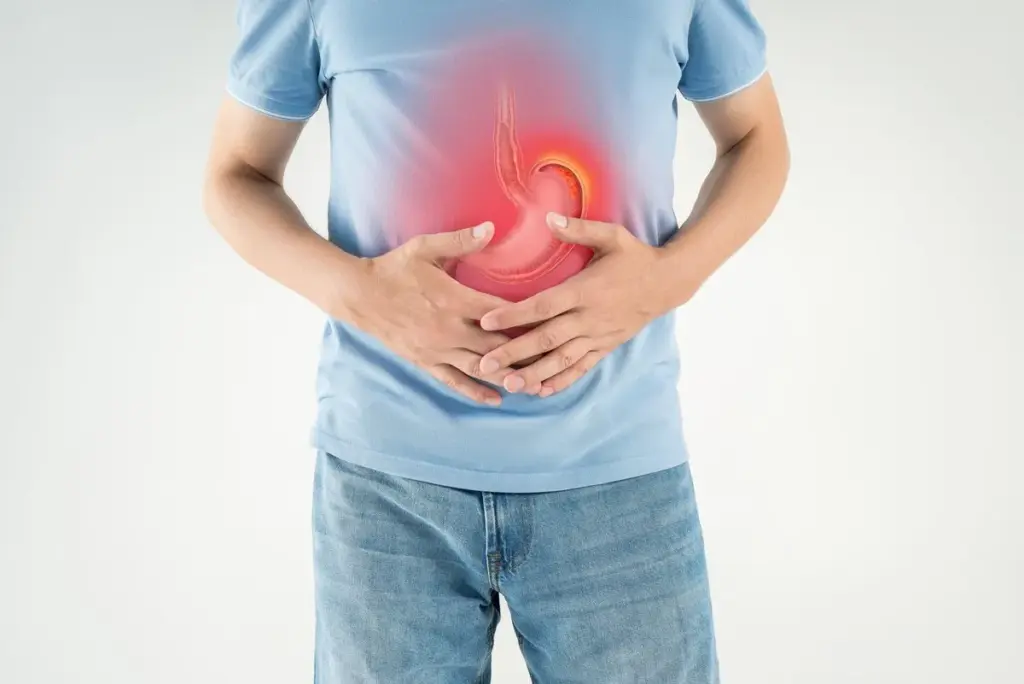
Ascites is when too much fluid builds up in the belly. It can be a sign of many health issues, including cancer. At Liv Hospital, we know how worrying it can be to have fluid buildup in the abdomen.
Most of the time, it’s linked to liver problems. But about 10% of the time, it’s because of cancer.
It’s important to know how fluid accumulation and cancer are connected. This helps us find problems early and treat them well. Our team at Liv Hospital is here to help you with ascites and other related issues.
Key Takeaways
- Ascites is the abnormal buildup of fluid in the peritoneal cavity.
- Cancer is a cause of ascites in approximately 10% of cases.
- Early detection and treatment planning are key for good care.
- Liv Hospital offers full support for international patients.
- Our medical teams are skilled in treating ascites and related conditions.
Understanding Ascites: Water Retention in Abdomen Explained

Ascites, or water retention in the abdomen, is important to understand for diagnosis and treatment. It happens when fluid builds up between the layers of tissue covering the organs in the abdomen. This fluid buildup causes swelling, discomfort, and other issues.
What Is Ascites and How Does It Develop?
Ascites is when fluid gathers in the peritoneal cavity. It can be caused by liver disease, cancer, and heart failure. When the body can’t balance fluid production and absorption, fluid starts to build up. Liver cirrhosis is a common cause because it increases liver blood vessel pressure, causing fluid to leak into the abdomen.
Ascites often means there’s a serious health issue. As fluid builds up, it can press on organs in the abdomen, causing pain and discomfort. Knowing why ascites happens is key to managing and treating it.
Recognizing Symptoms of Abdominal Fluid Buildup
Symptoms of ascites vary based on the fluid amount and cause. Common signs include abdominal swelling, bloating, weight gain, and shortness of breath. As it gets worse, patients may feel pain, discomfort, and have trouble breathing because of the pressure on the diaphragm.
Spotting these symptoms early is vital for quick diagnosis and treatment. If you’re experiencing persistent or severe symptoms, get medical help. This way, healthcare providers can find the right treatment and improve your health.
Common Causes of Abdominal Fluid Accumulation
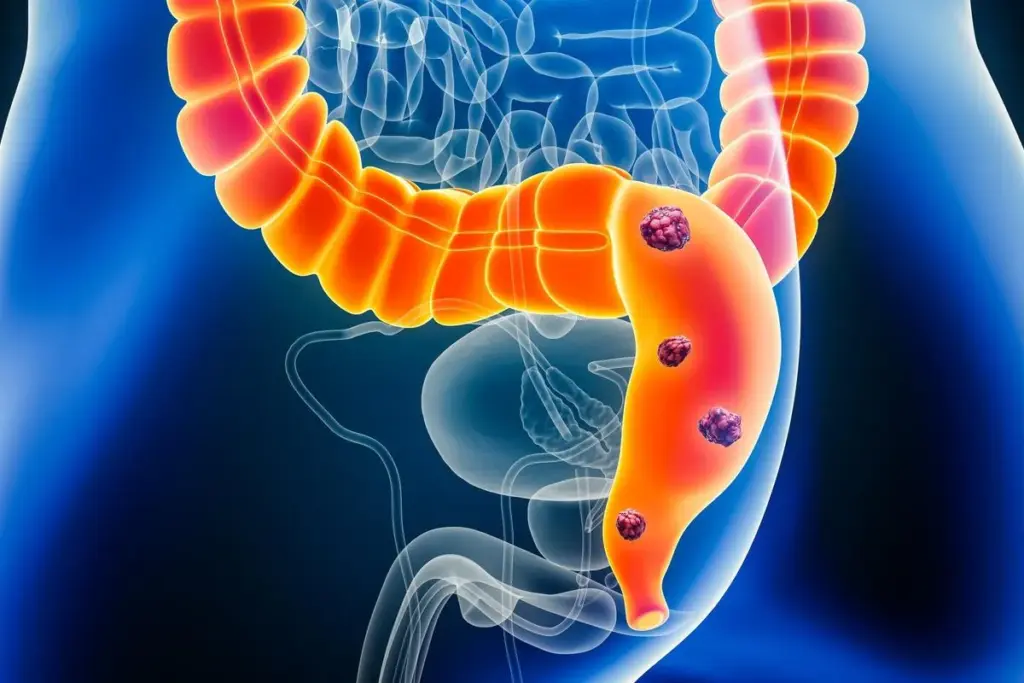
Fluid buildup in the belly, known as ascites, can come from many sources. Knowing these causes is key to managing and treating it.
Non-Malignant Causes: Cirrhosis and Liver Disease
Cirrhosis, or scarring of the liver, is the top reason for ascites. Liver issues can make blood vessels in the liver swell, causing fluid to leak into the belly. Other non-cancer reasons include heart failure, kidney disease, and pancreatitis.
Doctors say cirrhosis is behind about 80% of ascites cases. Learn more about ascites to understand its importance.
- Liver cirrhosis and scarring
- Heart failure leading to fluid buildup
- Kidney disease affecting fluid balance
- Pancreatitis causing inflammation and fluid leakage
Cancer as a Cause of Ascites
Cancer is also a big reason for ascites. Many cancers, like ovarian, uterine, and colorectal, can cause fluid in the belly.
Cancer can lead to ascites in several ways. It can irritate the belly lining, increase blood vessel pressure, or block lymphatic systems. Early cancer treatment is vital for managing ascites caused by cancer.
Some cancers that can cause ascites include:
- Ovarian cancer
- Pancreatic cancer
- Liver cancer
- Breast cancer
Doctors say ascites in cancer patients often means the disease is advanced. It needs a detailed treatment plan.
How Cancer Leads to Fluid Buildup in the Abdomen
Cancer can cause fluid buildup in the abdomen in several ways. It’s important to understand these ways to manage and treat ascites. Ascites is when fluid builds up in the peritoneal cavity.
Peritoneal Irritation from Cancer Spread
When cancer spreads to the peritoneum, it irritates and inflames the lining of the abdominal cavity. This irritation causes fluid production, leading to ascites. Cancer cells can also block normal drainage, adding to the fluid buildup.
Increased Pressure in Blood Vessels Due to Liver Involvement
Cancer in the liver increases blood vessel pressure, mainly in the portal vein. This is called portal hypertension. It causes fluid to leak into the abdominal cavity, leading to fluid buildup in the abdomen. Liver cancer also lowers albumin production, a protein that keeps fluid in blood vessels.
Lymphatic System Blockage and Protein Imbalances
The lymphatic system helps drain fluid from the body’s tissues. Cancer can block or damage these vessels, causing fluid buildup. Cancer also disrupts protein balances, like albumin, which is key for fluid balance in blood vessels. For more on managing ascites, visit the American Cancer Society’s page on ascites.
Understanding how cancer causes fluid buildup in the abdomen is key to effective treatments. Healthcare providers can then offer targeted therapies to manage ascites and improve patient outcomes.
Conclusion
It’s key to know the causes and signs of ascites for quick diagnosis and treatment. Ascites, or fluid buildup in the belly, can point to many health issues, like cancer. We talked about how cancer can cause fluid to gather in the belly. This happens through irritation, high blood pressure, and blocked lymphatic systems.
Spotting the signs of ascites, like a swollen belly and pain, is important. If not treated, it can cause serious issues, like breathing problems and infections.
People with cancer who notice fluid in their belly should see their doctor right away. Early treatment of cancer can greatly improve their health.
We stress the need for full care for those with ascites. This includes treating physical symptoms and giving emotional support. Knowing about the link between belly fluid and cancer helps patients understand their situation better.
FAQ
What is ascites and how does it relate to cancer?
Ascites is when too much fluid builds up in the belly. It can happen for many reasons, like cancer. Cancer can cause ascites by irritating the belly lining, raising blood pressure, or blocking lymphatic systems.
What are the common symptoms of ascites?
Symptoms of ascites include a swollen belly, discomfort, and gaining weight. People might also feel short of breath, nauseous, or lose their appetite.
What types of cancer are associated with ascites?
Ascites can be caused by several cancers. These include liver, ovarian, pancreatic, and metastatic cancers. These cancers spread to the belly or block lymphatic systems, leading to ascites.
How is ascites diagnosed?
Doctors use a physical exam, ultrasound, or CT scans to find ascites. They also test the fluid in the belly.
What is the treatment for ascites caused by cancer?
Treatment for cancer-related ascites varies. It depends on the cancer type and how far it has spread. Treatments include draining fluid, using diuretics, and cancer-specific therapies like chemotherapy.
Can ascites be a sign of advanced cancer?
Yes, ascites can mean cancer has spread to the belly or other organs. This is often seen in advanced cancer.
How can patients manage symptoms of ascites?
To manage ascites symptoms, follow a low-sodium diet and take diuretics as directed. Regular fluid drainage through paracentesis helps too. Always follow your doctor’s advice on treatment and managing symptoms.
What is the prognosis for patients with ascites caused by cancer?
The outlook for cancer patients with ascites varies. It depends on the cancer type, stage, and how well it responds to treatment. Talk to your doctor about your specific situation.
References
National Center for Biotechnology Information. Evidence-Based Medical Guidance. Retrieved from https://www.ncbi.nlm.nih.gov/books/NBK470482/