

Kidney disease is a big health issue for women worldwide. It affects about 14% of adult women in the United States. Chronic kidney disease (CKD) often goes unnoticed until it’s too late.
Women have special risks, like autoimmune diseases and pregnancy problems. They also get urinary tract infections more often. The Medical organization says diabetes and high blood pressure are the top reasons for CKD and kidney failure. High blood sugar from diabetes can harm the kidneys.
We’ll look at the main reasons forkidney disease in women. We’ll talk about diabetes and high blood pressure’s impact. We’ll also stress the need for early detection.
Key Takeaways
- Kidney disease affects about 14% of adult women in the United States.
- Diabetes and high blood pressure are the main causes of CKD and kidney failure.
- Women have unique risks, such as autoimmune diseases and pregnancy issues.
- Early detection is key in managing kidney disease.
- Uncontrolled diabetes can damage the kidneys.
The Prevalence of Kidney Disease in Females
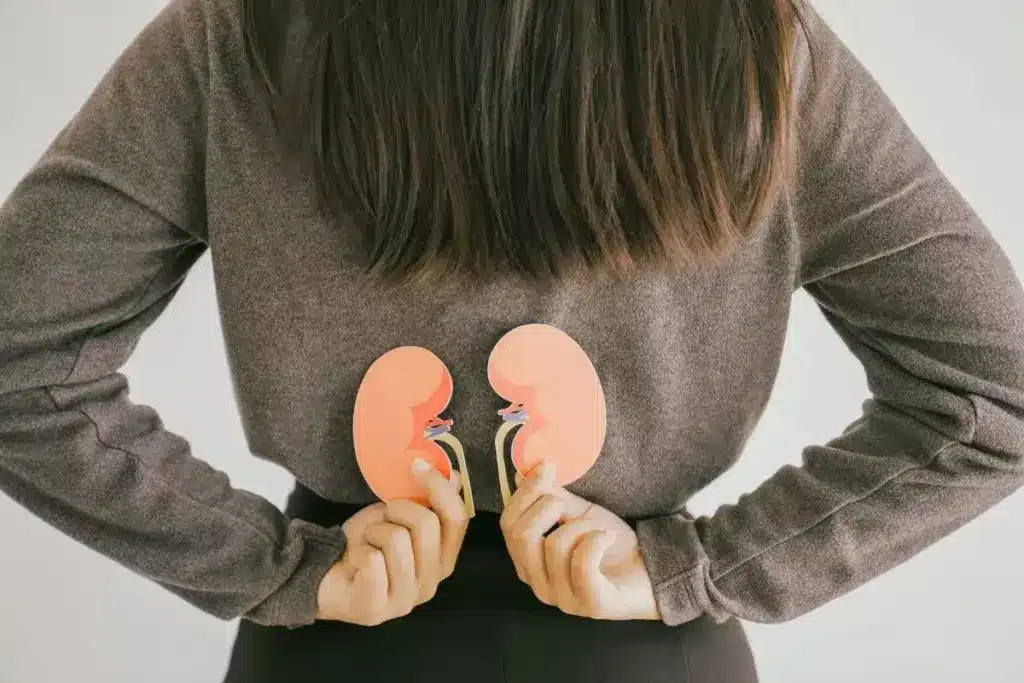
Kidney disease is a big problem for women worldwide. It’s important to look at global numbers and how it varies in different places. This disease can really hurt a woman’s health and lead to serious problems if not caught early.
Global Statistics and Impact
Kidney disease affects millions of women globally. It’s a big reason for sickness and death. Many things contribute to this, like diabetes, high blood pressure, and changes in lifestyle.
Chronic Kidney Disease (CKD) is a big worry. Over 35 million people in the U.S. have it, which is about 1 in 7 adults. Most people with CKD don’t even know they have it. This shows we need to spread the word and test more people.
Higher Rates Among Women in the United States
In the U.S., women get kidney disease more often than men in some groups. There are many reasons for this, like biology, environment, and money issues.
Regional variations also matter a lot. Some areas have more cases because of health care access, risk factors like diabetes, and lifestyle.
It’s key to understand these differences. This helps us make better plans to help women with kidney disease.
Primary Medical Causes of Kidney Disease in Women
Kidney disease is a big health issue for millions of women around the world. Knowing the main causes is key to preventing and managing it.
Diabetes: A Leading Cause
Diabetes is a top reason for kidney disease. High blood sugar can harm the kidneys’ blood vessels. This makes it hard for the kidneys to clean the blood.
The American Diabetes Association says people with diabetes are more likely to get kidney disease.
Hypertension: A Major Risk Factor
Hypertension, or high blood pressure, also causes kidney disease. It can damage the kidneys’ blood vessels. This hurts their ability to work right.
Controlling high blood pressure through diet and medicine can stop kidney damage.
Knowing these causes helps women take care of their kidney health.
Unique Risk Factors Affecting Women’s Kidney Health

It’s important to know the special risks that affect women’s kidneys. These risks are different from those for men. So, we need to focus on women’s health in a special way.
Autoimmune Diseases and Lupus
Autoimmune diseases, like lupus, are big risks for women’s kidneys. Lupus can harm many parts of the body, including the kidneys. Most lupus patients are women, which makes it a big concern.
Lupus nephritis is a serious kidney problem that can happen. It can cause a lot of damage if not treated right.
“Lupus is a complex disease that can affect multiple organ systems, and its impact on the kidneys can be particularily severe. Early diagnosis and treatment are key to preventing long-term kidney damage.”
We need to make sure women know about lupus and its kidney risks. Early treatment and monitoring can really help women with lupus nephritis.
Urinary Tract and Kidney Infections
Women get urinary tract infections (UTIs) more often. These infections can spread to the kidneys and cause serious problems. If not treated, UTIs can damage the kidneys and lead to chronic disease.
| Risk Factor | Description | Impact on Kidney Health |
| Urinary Tract Infections | Bacterial infections that occur in the urinary tract | Can lead to kidney infections and damage if untreated |
| Lupus | Autoimmune disease that can affect multiple organs, including the kidneys | Can cause lupus nephritis, leading to significant kidney damage |
| Pregnancy-Related Complications | Conditions such as preeclampsia that occur during pregnancy | Can increase the risk of developing kidney disease later in life |
Pregnancy-Related Complications
Pregnancy can also affect women’s kidneys. Preeclampsia, a high blood pressure condition during pregnancy, can harm the kidneys. Women with preeclampsia are at higher risk of kidney and heart disease later.
It’s vital to watch kidney health during and after pregnancy. This is true for women who had preeclampsia or other pregnancy issues. Early treatment can help prevent long-term kidney problems.
By understanding and tackling these unique risks, we can better prevent and treat kidney disease in women. It’s key to spread the word about the special challenges women face with kidney health. We need to work on healthcare plans that focus on these issues.
Conclusion: Prevention and Early Detection Strategies
Knowing where women’s kidneys are is key to keeping them healthy. Women’s kidneys are on each side of the spine, just below the rib cage. This knowledge helps spot problems early.
Preventing and catching kidney disease early is vital. Routine blood tests can show if kidney disease is starting. Managing diabetes and high blood pressure, and living a healthy lifestyle, can help stop or slow kidney disease in women.
Regular health checks and screenings are essential to catch kidney disease early. Women should know the risks and take action to protect their kidneys. This includes being aware of risks like autoimmune diseases and pregnancy complications.
Women can greatly lower their risk of kidney disease by being proactive about their health. We urge women to focus on their kidney health through informed choices and timely medical care. This ensures the well-being of their kidneys.
FAQ
What are the main causes of kidney disease in women?
Diabetes and high blood pressure are the top causes. They harm the kidneys’ blood vessels, making them less effective.
Are women more likely to develop kidney disease than men?
Yes, women are more at risk, mainly in certain age groups. Hormonal differences and other factors play a role.
How does pregnancy affect kidney health in women?
Pregnancy makes kidneys work harder, straining them. Complications like pre-eclampsia can raise the risk of kidney disease.
Can autoimmune diseases cause kidney disease in women?
Yes, diseases like lupus can increase the risk. Lupus causes inflammation in the kidneys, leading to damage and poor function.
What are the symptoms of kidney disease in women?
Symptoms include swelling, fatigue, and changes in urination. But, kidney disease often goes unnoticed until it’s advanced.
How can women reduce their risk of developing kidney disease?
Living a healthy lifestyle helps. This includes eating well, exercising, and not smoking. Managing diabetes and high blood pressure is also key.
References
National Center for Biotechnology Information. Evidence-Based Medical Guidance. Retrieved from https://pmc.ncbi.nlm.nih.gov/articles/PMC9938018/[1



 Departments
 Related Videos
 Our Doctors
 News
News